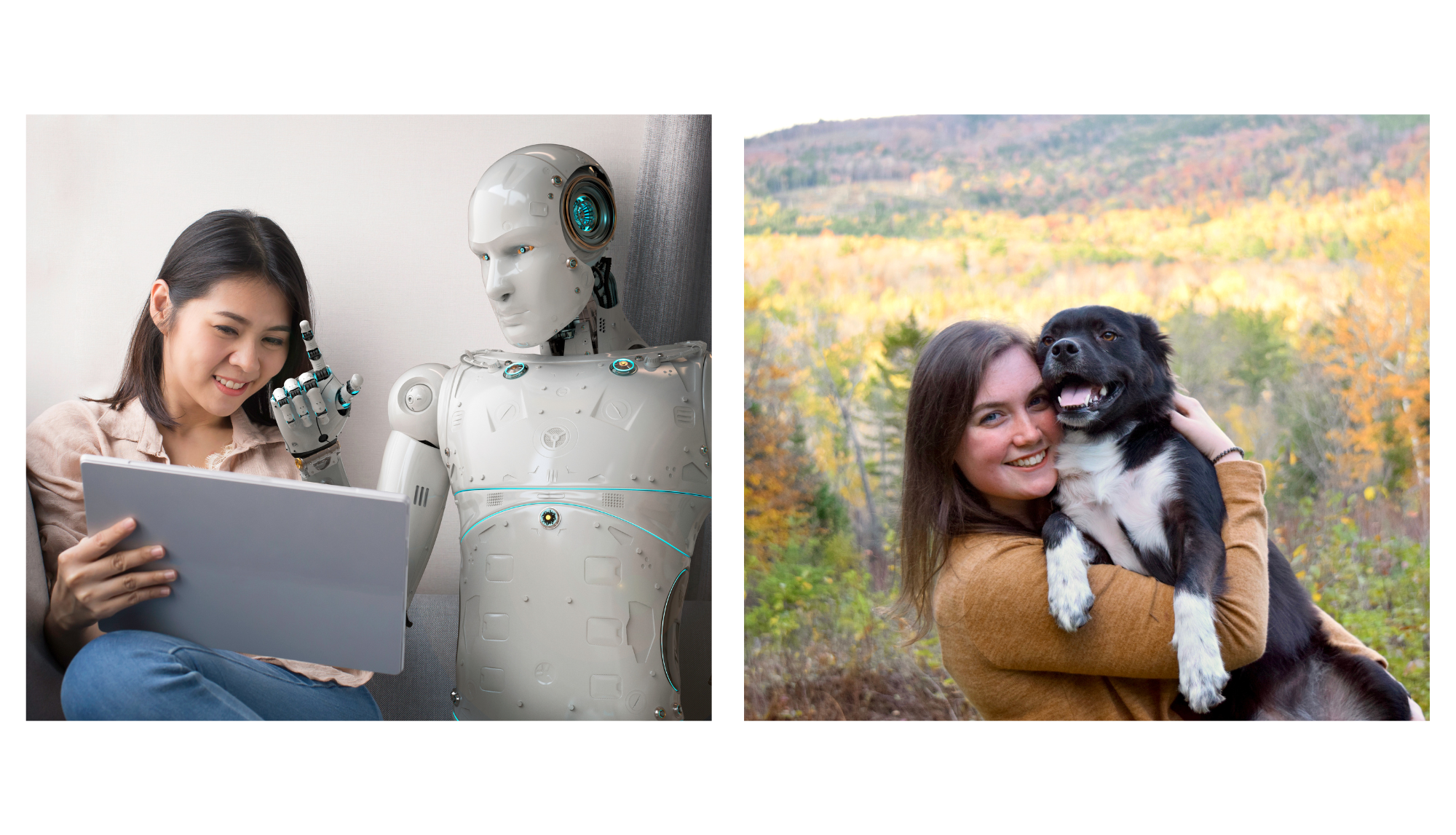
In an age of rapid technological advancement, artificial intelligence (AI) is revolutionizing industries—from healthcare to transportation. One question gaining traction is whether AI can replace service animals. With the development of robotic assistants and wearable tech, the possibility of machines mimicking the roles of guide dogs, emotional support animals, and mobility aids seems within reach. But can technology truly replicate the unique capabilities and emotional intelligence of service animals?
Understanding the Role of Service Animals
Service animals—most commonly dogs—are specially trained to assist individuals with disabilities. They perform tasks ranging from guiding the visually impaired and detecting seizures, to retrieving items and providing pressure therapy for individuals with PTSD or anxiety disorders. Their training is rigorous and customized to their handler’s specific needs, but their power goes beyond physical assistance. Service animals offer comfort, reduce isolation, and foster a sense of independence and dignity in those they help.
Discover: 6 Effective Ways to Raise Awareness About Service Animals
The Rise of AI in Assistive Technology
AI-powered devices such as smart canes, wearable navigation aids, and even robotic dogs like Boston Dynamics’ Spot have emerged as potential alternatives to service animals. These tools can analyze surroundings, provide real-time alerts, and assist with navigation. Some devices even integrate voice interaction and facial recognition to simulate companionship and responsiveness.
For example, AI-based mobility tools for the visually impaired now use machine learning and spatial awareness to detect obstacles, identify landmarks, and provide auditory instructions. In mental health support, AI chatbots are being used to assist people with anxiety or depression, offering instant responses and tracking emotional states through tone recognition.
The Human-Animal Bond: Can AI Compete?
Despite technological innovation, what AI lacks is emotional intelligence. Service animals offer a bond that cannot be replicated by machines—one rooted in trust, empathy, and an intuitive understanding of human emotion. Dogs, for instance, can detect subtle changes in a handler’s scent or behavior, signaling emotional distress or impending medical episodes long before a machine would.
Studies have shown that human-animal interaction can lower cortisol levels, reduce blood pressure, and improve mood. The tactile connection and companionship a service animal provides remain unmatched. AI, while impressive, lacks the warmth, unpredictability, and nuanced responsiveness of a living creature.
Complementary, Not Replacement
Rather than viewing AI as a direct replacement, many experts advocate for a complementary approach. AI and service animals can work in tandem to enhance the quality of life for individuals with disabilities. For instance, smart collars can track a service animal’s health, while AI-powered home automation systems can respond to cues from the animal or the user for greater safety and convenience.
Final Thoughts
While AI has made great strides in assistive technology, it is not yet capable of fully replacing service animals. The emotional support, intuition, and deep bond between humans and their service animals remain irreplaceable. Technology may mimic some functions, but it lacks the heart of a living, breathing companion. The future lies not in choosing between AI or animals, but in blending both to create a more inclusive, responsive support system for those who need it most.
Do you own an assistance animal? Register your pet today. The Service Animal Registry of California invites you to have your assistance animal registered in order to designate its status. We also encourage you to take our online classes so you can be fully aware of your rights and gain more knowledge about your support animal.
Finally, we present to you our book entitled, “ASSISTANCE ANIMAL LAWS: LEARN YOUR RIGHTS REGARDING SERVICE ANIMALS, EMOTIONAL SUPPORT ANIMALS, THERAPY PETS, AND OTHER DOGS, CATS, AND ASSISTANCE ANIMALS” to provide you with a complete education on assistance animals. Purchase your copy of the book by clicking the image below.
