
Can You Keep an Emotional Support Animal in a No-Pets Apartment?

A “no pets” policy might sound absolute, but emotional support animals (ESAs) are treated differently under the law. Unlike typical pets, ESAs are considered assistance animals because they provide therapeutic support to individuals with mental or emotional conditions. This distinction is what allows them to be exempt from standard pet restrictions in many housing situations.

What the Law Says

In places like the United States, housing laws such as the Fair Housing Act require landlords to provide reasonable accommodations for tenants with emotional support animals. This means a landlord generally cannot enforce a no-pets policy against someone who has a legitimate ESA. However, this protection depends on proper documentation and compliance with legal guidelines.

Documentation Requirements

To qualify for an ESA accommodation, tenants usually need a letter from a licensed mental health professional. This document should confirm that the individual has a condition that benefits from the presence of the animal. It’s not about registering the animal, but rather proving the medical necessity of its role in your life.

Read more: How to Talk to Your Therapist About Getting an ESA Letter

When a Landlord Can Say No

While tenants have rights, landlords are not without protection. They can legally deny an ESA request in certain situations. For example, if the animal poses a safety risk, causes significant property damage, or creates an unreasonable burden, the landlord may refuse the accommodation. Some smaller or owner-occupied properties may also be exempt from certain housing laws.

Responsibilities of ESA Owners

Having an ESA doesn’t mean you can ignore basic rules of tenancy. You are still responsible for your animal’s behavior. Excessive noise, aggression, or damage to the property can lead to complaints or even eviction. Maintaining control of your ESA and respecting shared living spaces is essential.

ESA vs. Service Animals

It’s important to understand that ESAs are not the same as service animals. Service animals are trained to perform specific tasks and are allowed in most public places. ESAs, on the other hand, are primarily protected in housing situations and do not have the same level of public access.

Communicating with Your Landlord

If you plan to request an ESA accommodation, approach the conversation professionally. Provide complete documentation, explain your situation clearly, and be open to reasonable questions. A cooperative approach can help prevent misunderstandings and make the process smoother.

Read more: Is an individual allowed to have multiple assistance animals such as two service animals?

Final Thoughts

Keeping an emotional support animal in a no-pets apartment is often possible, but it comes with responsibilities. It’s not a loophole to bypass lease rules—it’s a legal accommodation designed to support mental and emotional well-being. When both tenants and landlords understand their rights and obligations, it creates a more balanced and respectful living arrangement.


Do you own an assistance animal? Register your pet today.

The Service Animal Registry of California invites you to have your assistance animal registered in order to designate its status. We also encourage you to take our online classes so you can be fully aware of your rights and gain more knowledge about your support animal.

Finally, we present to you our book entitled, “ASSISTANCE ANIMAL LAWS: LEARN YOUR RIGHTS REGARDING SERVICE ANIMALS, EMOTIONAL SUPPORT ANIMALS, THERAPY PETS, AND OTHER DOGS, CATS, AND ASSISTANCE ANIMALS” to provide you with a complete education on assistance animals. Purchase your copy of the book by clicking the image below. 

7 Heartwarming Ways Service Dogs Show Love and Loyalty

Service dogs are often recognized for their discipline, intelligence, and ability to perform life-changing tasks. But beyond their training, there’s something even more powerful at play: a deep, genuine bond with the people they serve. Their actions go far beyond duty. In quiet, everyday moments, service dogs show a kind of love and loyalty that’s both moving and inspiring. Here are seven heartfelt ways they express that connection.

1. Constant Companionship Without Question

Service dogs are always there. Whether their handler is having a good day or a difficult one, they remain steady and present. They don’t need explanations or reassurance. Their loyalty shows up in their consistency, sticking close not out of obligation, but out of a clear sense of purpose and care.

2. Reading Emotions with Quiet Precision

One of the most remarkable things about service dogs is their ability to sense emotional shifts. They can pick up on subtle changes in breathing, posture, or tone of voice. When anxiety rises or sadness sets in, they often respond immediately, offering comfort in a way that feels natural and deeply intuitive.

3. Gentle Physical Comfort

Sometimes love looks like a nudge of the nose or resting their head on a lap. Service dogs use simple, gentle touch to ground their handlers during stressful moments. That quiet physical presence can bring a sense of calm that words often can’t.

Read more: The Science of Touch: Why Petting an Animal Helps the Brain

4. Protective Awareness in Public Spaces

In busy or overwhelming environments, service dogs stay alert. They may guide their handler through crowds, create personal space, or subtly position themselves to reduce stress. It’s not aggression, it’s awareness. They’re constantly tuned in, making sure their handler feels safe and supported.

5. Celebrating Small Wins Together

Service dogs seem to recognize moments of progress, even the small ones. Whether it’s completing a challenging task or simply getting through a tough day, their energy shifts. A wagging tail or a brighter posture becomes a shared celebration, reinforcing confidence and trust.

6. Staying Calm During Difficult Moments

In situations where their handler may feel overwhelmed, service dogs often remain incredibly calm. That steadiness becomes something their handler can lean on. It’s a quiet form of reassurance that says, “You’re not alone in this.”

Read more: Service Dogs and the Power of Nonverbal Support

7. Building a Deep, Unspoken Bond

Over time, the relationship between a service dog and their handler becomes something truly special. It’s built on trust, routine, and shared experiences. There’s often no need for commands or cues. They understand each other in a way that goes beyond training, forming a connection that feels almost instinctive.

Discover: Bonding Activities to Strengthen the Emotional Support Dog-Human Connection

Final Thoughts

Service dogs are extraordinary not just because of what they do, but because of how they do it. Their loyalty isn’t loud or dramatic. It shows up in patience, attentiveness, and a quiet kind of love that never asks for anything in return. In a world that often feels rushed and complicated, that kind of connection is a powerful reminder of what true companionship really looks like.


Do you own an assistance animal? Register your pet today.

The Service Animal Registry of California invites you to have your assistance animal registered in order to designate its status. We also encourage you to take our online classes so you can be fully aware of your rights and gain more knowledge about your support animal.

Finally, we present to you our book entitled, “ASSISTANCE ANIMAL LAWS: LEARN YOUR RIGHTS REGARDING SERVICE ANIMALS, EMOTIONAL SUPPORT ANIMALS, THERAPY PETS, AND OTHER DOGS, CATS, AND ASSISTANCE ANIMALS” to provide you with a complete education on assistance animals.

Purchase your copy of the book by clicking the image below.
Pet Therapy for Cancer Survivors: What the Research Really Says

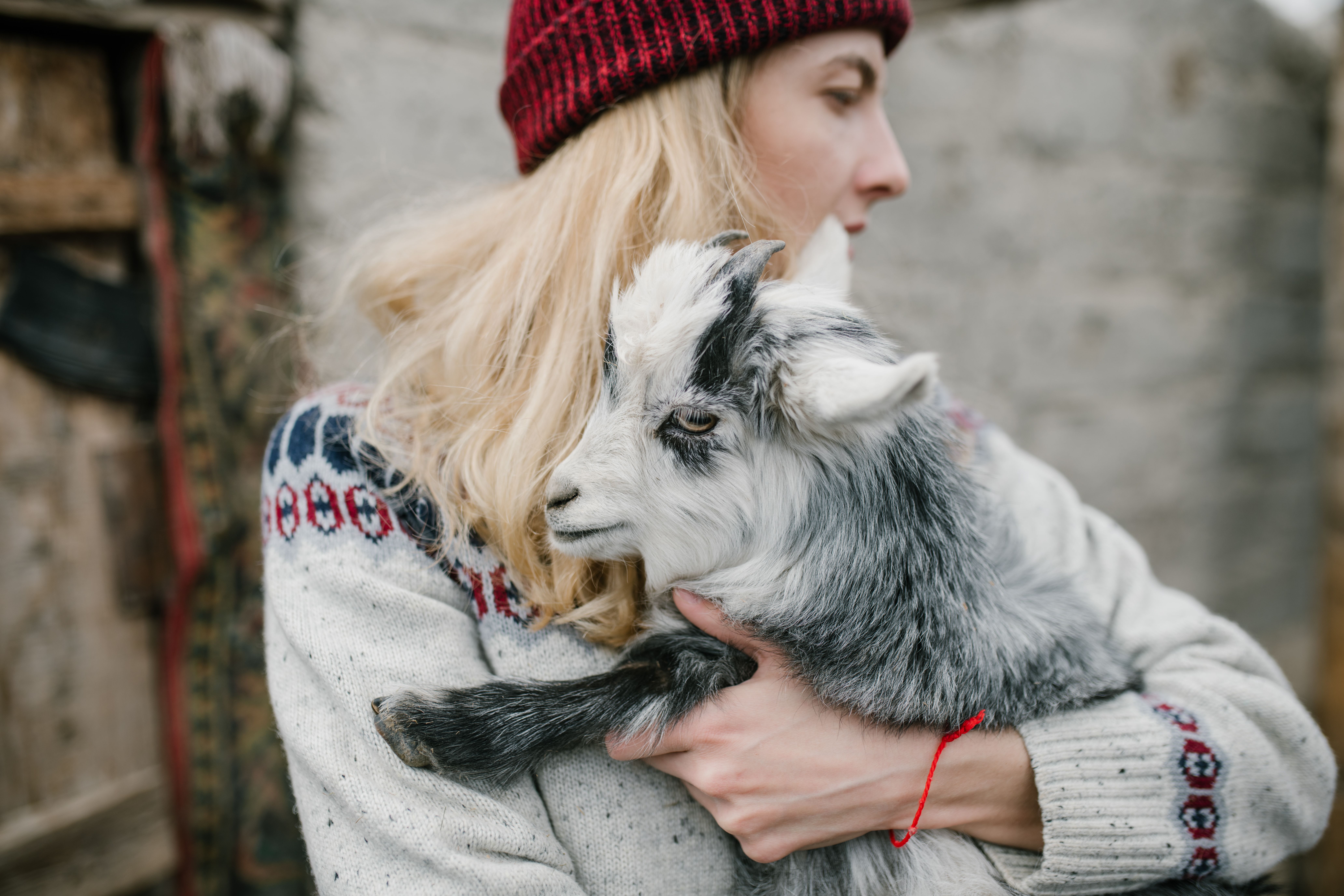
Pet therapy—often called animal-assisted therapy (AAT)—has become a familiar sight in hospitals, cancer centers, and survivorship programs. The image is simple: a calm dog, a patient’s hand, a quiet moment of relief. But beyond the emotional appeal, what does research actually say about its impact on cancer survivors?

The answer is encouraging, but more nuanced than many headlines suggest.

What Pet Therapy Is (and Isn’t)

In research settings, pet therapy falls under animal-assisted interventions (AAIs). These range from casual visits with therapy animals to structured programs designed to support specific outcomes like anxiety reduction or physical recovery.

For cancer survivors, these interventions are usually considered complementary, not medical treatments. They’re meant to support well-being alongside standard care, not replace it.

Discover: What Happens During a Therapy Animal Session?

The Strongest Evidence: Emotional and Psychological Benefits

Across multiple studies, the most consistent finding is that pet therapy helps people feel better emotionally. Research shows improvements in mood, depression, and overall quality of life, particularly during or after treatment.

Patients often report feeling calmer, less isolated, and more at ease during interactions with therapy animals. In one study conducted in a cancer care setting, participants associated pet therapy with reduced anxiety, improved comfort, and even a sense that time passed more quickly during treatment sessions.

For survivors, this matters. The emotional aftermath of cancer—fear of recurrence, lingering stress, and fatigue—can be just as challenging as the physical recovery. Animals seem to provide a kind of support that feels natural and nonjudgmental, which many patients find easier to engage with than traditional talk-based approaches.

Read more: The Healing Power of Paws: How Therapy Dogs Can Help Hospital Patients

Physical Effects: Promising but Limited

When it comes to physical health outcomes, the research is more cautious. Some studies have noted small improvements in measures like oxygen consumption or perceived pain, but these findings are not consistent across all studies.

There’s also emerging evidence that interacting with animals may influence physiological responses—like lowering stress hormones or stabilizing heart rate—but these effects vary widely and are still being explored.

In short, the physical benefits are possible, but not yet strong enough to be considered reliable or predictable.

Why It Works: The Human–Animal Connection

Researchers point to several mechanisms behind these benefits. Interaction with animals can provide distraction from stress, encourage gentle physical movement, and increase social interaction with others.

There’s also the “human–animal bond” factor. Animals respond with attention and affection without expectations, which can help survivors feel seen and supported in a way that’s hard to replicate elsewhere.

Read more: How Therapy Animals Can Help Individuals Build Resilience

Important Limitations to Keep in Mind

Despite the positive findings, the research has clear limitations. Many studies involve small sample sizes, short intervention periods, and inconsistent methods.

That means results can’t always be generalized to all cancer survivors. What works well for one person may have little effect on another.

There are also practical considerations. For individuals with weakened immune systems, safety and hygiene protocols are essential when interacting with animals in clinical settings.

Final Thoughts

Pet therapy is not a cure, and it’s not a substitute for medical or psychological treatment. But the research does support its role as a meaningful, low-risk way to improve emotional well-being for many cancer survivors.

Think of it less as a treatment and more as a supportive experience—one that can ease stress, lift mood, and create moments of genuine comfort during recovery. For survivors navigating life after cancer, those moments can carry real weight.


Do you own an assistance animal? Register your pet today.

The Service Animal Registry of California invites you to have your assistance animal registered in order to designate its status. We also encourage you to take our online classes so you can be fully aware of your rights and gain more knowledge about your support animal.

Finally, we present to you our book entitled, “ASSISTANCE ANIMAL LAWS: LEARN YOUR RIGHTS REGARDING SERVICE ANIMALS, EMOTIONAL SUPPORT ANIMALS, THERAPY PETS, AND OTHER DOGS, CATS, AND ASSISTANCE ANIMALS” to provide you with a complete education on assistance animals.

Purchase your copy of the book by clicking the image below.
What Happens During a Therapy Animal Session?

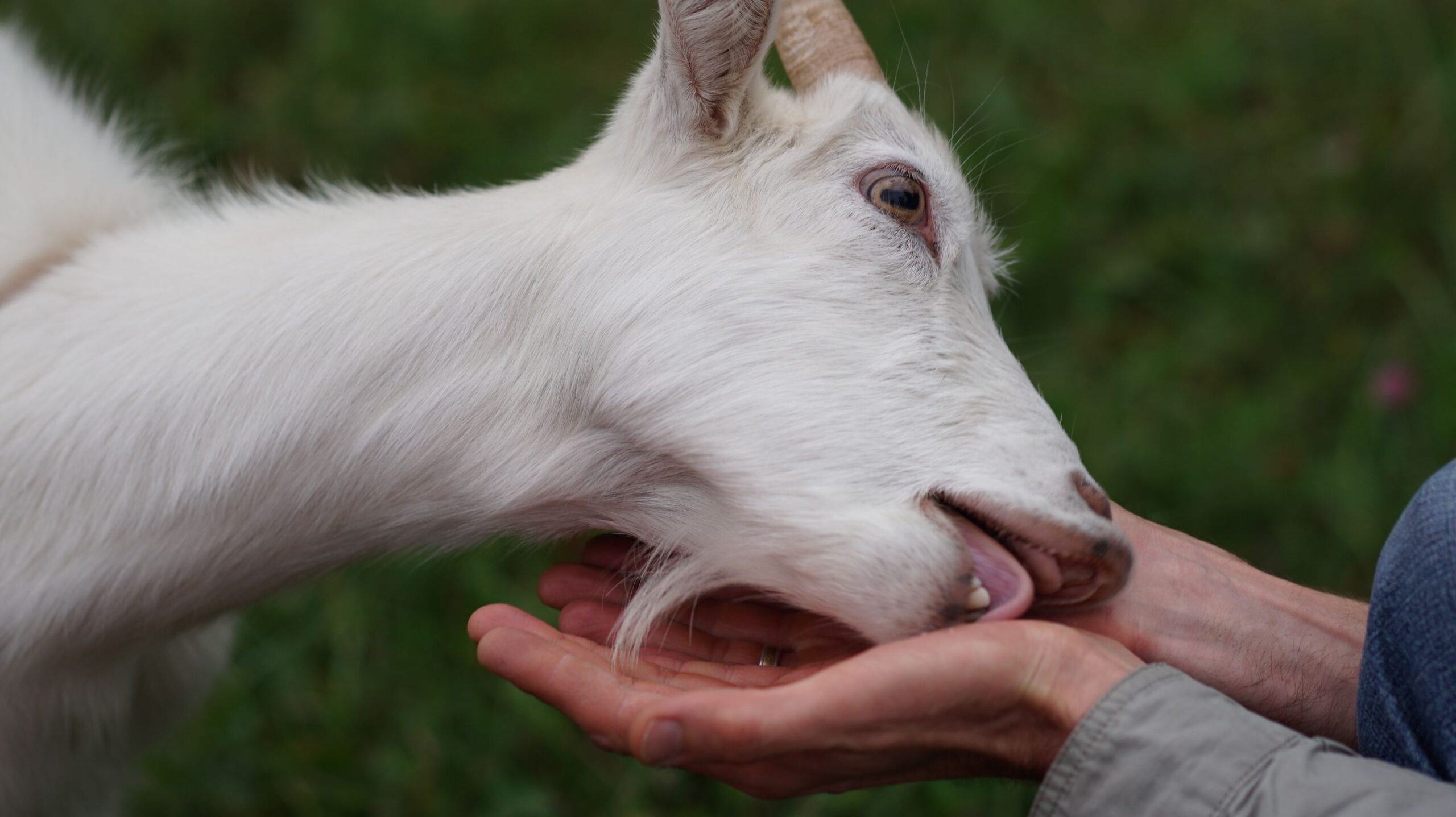
Therapy animal sessions are designed to create a calm, supportive environment where people can relax, connect, and feel emotionally at ease. Whether the setting is a hospital, school, nursing home, or private therapy space, these sessions follow a gentle structure that prioritizes comfort, safety, and meaningful interaction.

A Warm Introduction

Most sessions begin with a simple introduction between the participant and the therapy animal. The handler, who is trained to guide the interaction, will explain the animal’s name, temperament, and any basic guidelines. This helps set expectations and ensures that everyone feels safe. For someone new to therapy animals, this step is especially important in easing any hesitation or uncertainty.

Building Comfort and Connection

Once introductions are complete, the focus shifts to interaction. This might involve petting the animal, brushing its fur, or simply sitting quietly beside it. The pace is always unhurried. Therapy animals are trained to be calm and responsive, which allows participants to engage at their own comfort level. Some people may immediately connect, while others take a bit more time—and both are completely okay.

Physical touch plays a big role here. The act of stroking a dog or holding a small animal can help lower stress levels and promote relaxation. For many, this quiet moment becomes a break from anxiety, overthinking, or emotional tension.

Discover: The Science of Touch: Why Petting an Animal Helps the Brain

Guided Activities

In some sessions, especially those led by licensed therapists, there may be light structure or activities involved. These could include reading aloud to the animal, practicing communication skills, or engaging in simple games. For children, therapy animals often make it easier to open up or stay focused. In mental health settings, the presence of an animal can gently encourage people to express emotions they might otherwise hold back.

The animal acts as a bridge—reducing pressure and making the experience feel less clinical and more natural.

Emotional Support in Real Time

One of the most powerful aspects of a therapy animal session is the emotional feedback participants receive. Animals are highly intuitive and often respond to human emotions in subtle ways. A dog might rest its head on someone’s lap when they’re feeling down, or stay close to provide quiet companionship. These small gestures can feel incredibly comforting and validating.

Unlike human interactions, there’s no judgment, no expectations—just presence. That alone can make a significant difference for someone dealing with stress, loneliness, or trauma.

Read more: Why Do Our Pets Make Us Feel Good?

Wrapping Up the Session

Sessions usually end with a gradual wind-down. Participants may spend a few final moments with the animal, reflect on how they feel, or share thoughts with the handler or therapist. This closing helps reinforce the positive experience and allows for a smooth transition back to daily routines.

Final Thoughts

A therapy animal session may seem simple on the surface, but its impact can be profound. Through calm interaction, gentle connection, and emotional support, these sessions create a space where people can feel seen, soothed, and grounded. Sometimes, healing doesn’t require words—just a quiet moment with a compassionate companion.


Do you own an assistance animal? Register your pet today.

The Service Animal Registry of California invites you to have your assistance animal registered in order to designate its status. We also encourage you to take our online classes so you can be fully aware of your rights and gain more knowledge about your support animal.

Finally, we present to you our book entitled, “ASSISTANCE ANIMAL LAWS: LEARN YOUR RIGHTS REGARDING SERVICE ANIMALS, EMOTIONAL SUPPORT ANIMALS, THERAPY PETS, AND OTHER DOGS, CATS, AND ASSISTANCE ANIMALS” to provide you with a complete education on assistance animals.

Purchase your copy of the book by clicking the image below.

Shell-ter and Support: How Turtles Help Ease Stress and Anxiety

Life rarely slows down on its own, which is why people are looking for small, meaningful ways to ease stress and catch their breath. While dogs and cats usually get the spotlight as emotional support companions, turtles are starting to draw attention in a quieter way. There’s something about their unhurried pace and calm presence that invites you to slow down too. They offer a different kind of comfort, one that comes from stillness, patience, and a subtle sense of connection.

The Calming Nature of Turtles

Turtles move at their own pace, unbothered by the rush of daily life. Watching a turtle glide through water or slowly explore its environment can have a surprisingly soothing effect. This type of observation encourages mindfulness, a mental state where you focus on the present moment rather than worrying about the past or future. Much like meditation, spending time with a turtle can help lower heart rate and reduce feelings of anxiety.

Their predictable behavior also contributes to a sense of stability. Unlike high-energy pets that require constant attention, turtles create a peaceful atmosphere simply by being themselves. For individuals dealing with overwhelming emotions or burnout, that steady presence can feel grounding.

Low-Maintenance Companionship

One reason turtles are especially appealing for stress relief is their relatively low-maintenance care compared to more demanding pets. They don’t require walks, constant interaction, or loud playtime. Instead, they thrive in calm, well-maintained environments, which can also encourage their owners to create organized, peaceful spaces at home.

Caring for a turtle—feeding it, cleaning its habitat, and ensuring proper lighting—can become a gentle routine. These small, consistent tasks provide structure, which is often beneficial for people managing anxiety. Routine creates a sense of control, helping reduce uncertainty and mental clutter.

Encouraging Mindfulness and Responsibility

Owning a turtle naturally encourages slower, more intentional living. You begin to notice details you might otherwise overlook, like the way your turtle reacts to light, water temperature, or food. This attention to detail pulls you into the present moment, offering a break from overthinking.

At the same time, turtles promote a healthy sense of responsibility without overwhelming pressure. This balance is especially helpful for students or individuals who want companionship but may not be ready for the demands of a high-energy pet. The act of caring for another living being can boost self-esteem and provide a quiet sense of purpose.

Read more: Can Therapy Animals Help Us to Be More Mindful?

A Quiet Emotional Connection

While turtles may not express affection in obvious ways, they can still form subtle bonds with their owners. Over time, they may recognize feeding routines or respond to familiar movements. These small interactions can feel meaningful, especially for people who prefer calm, low-stimulation environments.

For those who find loud or overly energetic animals stressful, turtles offer a different kind of emotional connection—one that feels safe, steady, and non-intrusive.

Discover: Can Animals Help Us Live In The Moment?

Final Thoughts

Turtles may not be the first animals that come to mind for emotional support, but their quiet nature and calming presence make them surprisingly effective companions for easing stress and anxiety. They remind us that not all comfort needs to be loud or energetic. Sometimes, healing comes from slowing down, observing, and finding peace in simplicity.

In their own gentle way, turtles provide exactly that—a little shell-ter from the chaos of everyday life.


Do you own an assistance animal? Register your pet today.

The Service Animal Registry of California invites you to have your assistance animal registered in order to designate its status. We also encourage you to take our online classes so you can be fully aware of your rights and gain more knowledge about your support animal.

Finally, we present to you our book entitled, “ASSISTANCE ANIMAL LAWS: LEARN YOUR RIGHTS REGARDING SERVICE ANIMALS, EMOTIONAL SUPPORT ANIMALS, THERAPY PETS, AND OTHER DOGS, CATS, AND ASSISTANCE ANIMALS” to provide you with a complete education on assistance animals.

Purchase your copy of the book by clicking the image below.

The Therapeutic Sounds of Birds: A Natural Mood Booster

Step outside early in the morning and listen carefully. Before traffic, before phones start buzzing, there’s often a quiet concert happening in the trees. Birds chirping, trilling, and singing may seem like simple background noise, but research and everyday experience suggest those sounds can have a real impact on how we feel. For many people, birdsong acts as a gentle, natural mood booster that helps the mind relax and reset.

Why Birdsong Feels So Calming

Human brains evolved alongside natural soundscapes. Long before cities and digital alerts, people woke up to the sounds of wind, water, and birds. Because of that history, the brain often interprets birdsong as a signal that the environment is safe and stable.

When we hear birds singing, our nervous system tends to shift toward a calmer state. Stress hormones may drop, breathing slows slightly, and the mind becomes less tense. Unlike loud or unpredictable noises, birdsong usually follows rhythmic, melodic patterns that feel soothing rather than alarming. Even brief exposure can make a difference. Sitting in a park, walking through a tree-lined neighborhood, or simply opening a window can bring those sounds into daily life.

Discover: Why Some People Turn to Birds for Comfort and Healing

A Boost for Mood and Mental Health

Several studies have linked birdsong with improved mood and reduced feelings of anxiety. Listening to birds can help people feel more connected to nature, which often supports emotional well-being.

Bird sounds also create a subtle form of mindfulness. When you pause and notice the variety of calls around you, your attention shifts away from worries and toward the present moment. That small shift can interrupt cycles of rumination or stress. For people dealing with busy schedules or constant digital noise, birdsong offers a refreshing contrast. It’s organic, unpredictable, and calming in a way that artificial sounds rarely replicate.

Read more: Do Emotional Support Animals Lower the Risk of Depression? What the Science Says

Supporting Focus and Creativity

Birdsong doesn’t just relax the mind; it can also help sharpen it. Gentle natural sounds can improve concentration and mental clarity. Writers, students, and remote workers sometimes use recordings of forest or garden birds as background audio because the soundscape encourages focus without becoming distracting.

Part of the reason is that birdsong fills silence without overwhelming it. The brain stays lightly engaged while still having space to think, problem-solve, or create.

Bringing Birdsong Into Everyday Life

You don’t need to live in a forest to enjoy the benefits. A few small choices can bring more of these natural sounds into your routine. Start by spending time outdoors during the early morning or late afternoon, when birds are most active. Even a short walk can expose you to a variety of calls.

If outdoor access is limited, consider opening windows when possible or playing natural sound recordings. Bird feeders, small garden plants, or balcony greenery can also attract birds closer to home. The key is simply allowing yourself a few moments to pause and listen.

Read more: Why Do Birds Make Wonderful Emotional Support Animals?

Final Thoughts

Birdsong may be one of the simplest forms of natural therapy available. It costs nothing, requires no equipment, and fits easily into daily life. In a world filled with constant alerts and noise, the gentle rhythm of birds calling to one another offers a reminder to slow down. Sometimes, improving your mood doesn’t require a complicated solution. It might just take a quiet moment outside and the sound of birds welcoming the day.


Do you own an assistance animal? Register your pet today.

The Service Animal Registry of California invites you to have your assistance animal registered in order to designate its status. We also encourage you to take our online classes so you can be fully aware of your rights and gain more knowledge about your support animal.

Finally, we present to you our book entitled, “ASSISTANCE ANIMAL LAWS: LEARN YOUR RIGHTS REGARDING SERVICE ANIMALS, EMOTIONAL SUPPORT ANIMALS, THERAPY PETS, AND OTHER DOGS, CATS, AND ASSISTANCE ANIMALS” to provide you with a complete education on assistance animals. Purchase your copy of the book by clicking the image below. 

Building Brave Kids: Social Skills Lessons from Alpacas

When people think about animals that help children grow emotionally, dogs and horses usually come to mind. But alpacas offer something surprisingly special. Calm, observant, and deeply social, alpacas model behaviors that mirror the very skills we hope to nurture in kids: confidence, emotional awareness, and respectful communication.

By watching how alpacas interact with one another and with people, children can learn powerful lessons about bravery that have nothing to do with being loud or dominant. Instead, they discover that courage often looks quiet, steady, and self-assured.

The Power of Calm Confidence

Alpacas are prey animals, which means they’re naturally alert to their surroundings. Instead of reacting with aggression, they rely on awareness and group safety. They move carefully. They observe first. They act intentionally. For children, this models an important truth: bravery is not about rushing into every situation. It’s about pausing, noticing, and choosing how to respond. A shy child approaching a new group at school can see that confidence doesn’t require being the loudest voice in the room. Sometimes it’s simply standing tall, taking a breath, and stepping forward anyway.

Spending time around alpacas encourages kids to slow down their movements and regulate their energy. If they approach too quickly or loudly, alpacas may step away. Children quickly learn that calm behavior builds trust. That awareness becomes a transferable skill in classrooms, friendships, and team activities.

Understanding Boundaries and Respect

Alpacas are gentle, but they are clear about personal space. They communicate discomfort through body language long before escalating. Ears back, stepping away, or a subtle shift in posture all send signals. When kids learn to read these cues, they develop empathy. They begin to notice that others, whether human or animal, have boundaries that deserve respect. This is foundational for healthy friendships.

At the same time, alpacas show children that setting boundaries is okay. If an alpaca doesn’t want to be touched, it moves away. It doesn’t apologize for protecting its comfort. That simple action teaches children that it’s healthy to speak up or step back when something feels wrong.

The Strength of the Herd

Alpacas are herd animals. They thrive in community and rarely isolate themselves. Within the herd, there’s structure, but there’s also cooperation. They watch out for one another and rely on collective awareness for safety. This provides a natural metaphor for teamwork. Kids can see that belonging to a group doesn’t mean losing individuality. Each alpaca has its own personality, yet they function best together.

Children who struggle socially often feel like they don’t fit in. Observing alpacas reinforces the idea that everyone has a place. Social strength comes from contribution, not competition. In a classroom setting, that mindset can shift how kids approach collaboration and peer relationships.

Read more: How Do Pets Help Children Develop Emotional Intelligence?

Learning Emotional Regulation

Alpacas respond strongly to energy. If a child is anxious or overstimulated, the alpaca may mirror that tension. When the child calms down, the animal often relaxes too. This immediate feedback is powerful. It helps kids connect their internal state to external outcomes. They begin to understand that managing their emotions influences how others respond to them.

Practicing slow breathing, gentle movements, and patient communication around alpacas builds real-world self-regulation skills. Over time, children internalize those tools and carry them into daily life.

Discover: Golden Retrievers and Emotional Regulation in Kids: A Bond Beyond Words

Final Thoughts

Bravery in children isn’t about pushing them into uncomfortable situations without support. It’s about helping them build steady confidence, empathy, and emotional control. Alpacas, with their quiet presence and strong social instincts, offer a unique and meaningful way to teach those lessons. Sometimes the best teachers aren’t the loudest. Sometimes they hum softly in a pasture, showing kids that courage can be calm, connection matters, and strength often looks gentle.


Do you own an assistance animal? Register your pet. 

The Service Animal Registry of California invites you to have your assistance animal registered in order to designate its status. We also encourage you to take our online classes so you can be fully aware of your rights and gain more knowledge about your support animal.

Finally, we present to you our book entitled, “ASSISTANCE ANIMAL LAWS: LEARN YOUR RIGHTS REGARDING SERVICE ANIMALS, EMOTIONAL SUPPORT ANIMALS, THERAPY PETS, AND OTHER DOGS, CATS, AND ASSISTANCE ANIMALS” to provide you with a complete education on assistance animals.

Purchase your copy of the book by clicking the image below.

Can a Dog on a Screen Reduce Stress? Exploring Virtual Canine Therapy

Therapy dogs have long been welcomed into hospitals, schools, and counseling offices to help people feel calmer and more supported. Organizations like Pet Partners and the American Kennel Club have helped formalize animal-assisted therapy programs, showing that trained dogs can reduce anxiety, lower blood pressure, and create a sense of emotional safety.

But as telehealth expands and more of life moves online, a new question has emerged: can those same benefits translate through a screen?

Virtual canine therapy sessions are now offered through video calls, livestream events, and even structured school wellness programs. Instead of sitting beside a dog in person, participants interact through Zoom or watch guided sessions led by certified handlers. It may seem like a small shift, but it reflects a bigger change in how we think about connection and mental health support.

How a Dog on a Screen Can Calm the Nervous System

At first glance, virtual therapy might sound less effective. You cannot pet a screen or feel a dog’s warmth. Physical touch is powerful, and research often links in-person interaction with reduced cortisol and increased oxytocin. Still, stress relief is not based on touch alone.

Humans respond strongly to visual and auditory cues. Watching a relaxed dog breathe slowly, blink gently, or respond calmly to a handler can signal safety to the brain. Our nervous systems are wired to mirror calm behavior. Even observing it can encourage our own bodies to slow down.

There is also emotional association. Many people connect dogs with comfort, loyalty, and unconditional acceptance. Seeing a friendly canine face can quickly activate positive memories and feelings. For someone working alone at home or studying late at night, that short moment of connection can interrupt stress and shift mood.

Discover: Can Animals Help Us Live In The Moment?

Accessibility and Inclusion Benefits

One of the biggest advantages of virtual canine therapy is accessibility. Not everyone can attend in-person sessions. Some people live in remote areas. Others have allergies, mobility challenges, or medical conditions that limit contact.

Virtual sessions remove those barriers. Schools can host online therapy dog visits during exam week. Workplaces can include short wellness breaks featuring therapy dogs. Counseling professionals can incorporate virtual canine check-ins into telehealth appointments. While these sessions are not meant to replace traditional mental health treatment, they can serve as an accessible, low-cost supplement that supports overall well-being.

Where Virtual Support Has Limits

It is important to stay realistic. Virtual canine therapy cannot fully replicate the sensory experience of physical presence. The grounding effect of touch, the weight of a dog leaning against your leg, or the rhythm of a real heartbeat nearby are difficult to replace. For individuals facing severe anxiety, trauma, or clinical depression, structured therapeutic care is essential. A dog on a screen should never be seen as a complete solution.

That said, when used intentionally, virtual sessions can be surprisingly effective. Guided breathing exercises, interactive Q&A segments with handlers, or short mindfulness prompts while watching a calm dog tend to be more impactful than simply scrolling through random videos.

Final Thoughts

So, can a dog on a screen reduce stress? For many people, the answer is yes, at least to a meaningful degree. While it may not offer the full sensory comfort of in-person interaction, virtual canine therapy can still provide moments of calm, connection, and emotional reset.

In a world where screens often increase overwhelm, it is encouraging to know they can also deliver comfort. Sometimes, even through pixels, a gentle wagging tail is enough to remind us to pause, breathe, and soften our shoulders for a moment.


Do you own an assistance animal? Register your pet today.  The Service Animal Registry of California invites you to have your assistance animal registered in order to designate its status. We also encourage you to take our online classes so you can be fully aware of your rights and gain more knowledge about your support animal.

Finally, we present to you our book entitled, “ASSISTANCE ANIMAL LAWS: LEARN YOUR RIGHTS REGARDING SERVICE ANIMALS, EMOTIONAL SUPPORT ANIMALS, THERAPY PETS, AND OTHER DOGS, CATS, AND ASSISTANCE ANIMALS” to provide you with a complete education on assistance animals. Purchase your copy of the book by clicking the image below. 

Why Horses Are Powerful Teachers of Emotional Regulation

Emotional regulation shapes how we respond to stress, conflict, and everyday challenges. It influences our relationships, decision-making, and overall mental health. While many people develop these skills through counseling or personal development work, horses offer a surprisingly powerful and practical path to learning emotional balance.

Horses Are Masters of Emotional Awareness

Horses are prey animals, which means their survival depends on reading their environment accurately. They are highly sensitive to body language, breathing patterns, muscle tension, and subtle shifts in energy.

When a person approaches a horse feeling anxious or frustrated, the horse often reacts immediately. It may step back, become restless, or appear guarded. If that same person slows their breathing, relaxes their posture, and focuses their attention, the horse typically responds with calm engagement.

This direct and immediate feedback is rare in everyday human interaction. Horses respond to what we are actually feeling, not what we say we feel. That makes them honest emotional mirrors.

Authenticity Over Appearance

Horses do not respond to titles, rehearsed confidence, or forced positivity. They respond to congruence. If someone claims to be calm but their shoulders are tight and their movements abrupt, the horse senses the tension.

Working successfully with a horse requires internal alignment. The handler must regulate their emotions before expecting cooperation. This encourages self-awareness. People begin noticing how their stress shows up physically, how their thoughts influence their posture, and how their mood affects their communication.

That awareness is the foundation of emotional regulation.

The Role of Equine-Assisted Programs

Structured programs that integrate horses into therapeutic settings have grown in popularity. Organizations like PATH International and EAGALA support professional standards for equine-assisted services worldwide.

In these environments, trained facilitators guide participants through activities such as grooming, leading, and groundwork exercises. These tasks may look simple, but they require patience, focus, and emotional steadiness.

Participants often report improvements in stress management, emotional awareness, and impulse control. Because the horse responds in real time, individuals can immediately see the connection between their internal state and external outcomes.

Learning Calm Leadership

Within a herd, emotional stability creates safety. Horses rely on clear boundaries and consistent communication. If a herd member becomes chaotic, it disrupts the group. Calm leadership restores balance. When humans work with horses, they must embody that same grounded presence. Reactivity, frustration, or inconsistency often lead to confusion or resistance. Steady, intentional behavior builds trust.

Standing beside such a large and powerful animal also challenges the nervous system. Learning to stay composed in that space builds confidence. Over time, people realize they can regulate themselves even in situations that initially feel overwhelming.

Carrying the Lessons Beyond the Barn

The skills learned around horses do not stay in the arena. The ability to pause and breathe before giving a cue can translate into pausing before responding in a tense conversation. Recognizing physical tension while holding a lead rope can increase awareness during stressful meetings or personal conflicts.

Horses teach that regulation is not about suppressing emotion. It is about noticing it, understanding it, and choosing a steady response.

Discover: Why Do Miniature Horses Make Great Service Animals? 5 Reasons Why

Final Thoughts

Horses do not give lectures on emotional intelligence. They demonstrate it through their sensitivity, honesty, and consistency. By responding only to what is genuine, they encourage humans to become more aware, more present, and more balanced.

In their quiet, grounded presence, people often discover something simple yet profound. Emotional regulation is not about control over others. It begins with calm leadership from within.


Do you own an assistance animal? Register your pet today.

The Service Animal Registry of California invites you to have your assistance animal registered in order to designate its status. We also encourage you to take our online classes so you can be fully aware of your rights and gain more knowledge about your support animal.

Finally, we present to you our book entitled, “ASSISTANCE ANIMAL LAWS: LEARN YOUR RIGHTS REGARDING SERVICE ANIMALS, EMOTIONAL SUPPORT ANIMALS, THERAPY PETS, AND OTHER DOGS, CATS, AND ASSISTANCE ANIMALS” to provide you with a complete education on assistance animals. Purchase your copy of the book by clicking the image below. 

How Dogs Support Those Experiencing Grief and Loss

Grief can feel overwhelming. It changes your routine, your thoughts, even your sense of identity. Whether the loss is a loved one, a relationship, or a major life change, the emotional weight can be hard to carry alone. During these moments, dogs often become quiet but powerful sources of comfort. Their presence does not erase pain, but it can make the journey through grief feel less isolating.

Unconditional Companionship

One of the hardest parts of grief is loneliness. After a loss, the house can feel too quiet. Daily habits that once involved someone else suddenly become reminders of their absence. Dogs help fill that silence with steady companionship.

They do not ask complicated questions or expect you to explain your emotions. They simply sit beside you. A dog resting its head on your lap or following you from room to room provides a sense of connection that feels grounding. That consistent presence can ease the sharp edges of isolation and remind you that you are not entirely alone.

Emotional Sensitivity

Dogs are remarkably attuned to human emotions. Many people notice that their dog behaves differently when they are upset. Dogs may become more affectionate, stay physically closer, or gently nudge their owner when they sense distress.

This sensitivity matters during grief. When words feel inadequate or conversations feel exhausting, a dog’s quiet understanding can be comforting. Stroking a dog’s fur or hugging them can calm the nervous system. Physical touch has been shown to reduce stress hormones and promote feelings of safety. In moments when emotions feel out of control, that simple interaction can bring a small but meaningful sense of stability.

Read more: 5 Ways Pets Can Reduce Stress

Encouraging Routine and Movement

Grief often disrupts daily structure. Motivation drops. Basic tasks can feel overwhelming. Dogs, however, still need to be fed, walked, and cared for. That responsibility gently encourages routine.

Taking a dog for a walk gets you outside, even when you would rather stay in bed. Fresh air, sunlight, and light movement all support mental health. The simple act of stepping outside can interrupt repetitive, painful thoughts. Over time, these small routines create anchors in the day. They provide rhythm when everything else feels uncertain.

Caring for a dog can also restore a sense of purpose. When loss leaves you feeling powerless, tending to another living being reminds you that you still matter and that your actions make a difference.

Offering Nonjudgmental Comfort

Grief looks different for everyone. Some people cry openly. Others feel numb. Some want to talk constantly, while others withdraw. Dogs do not judge these responses. They accept you exactly as you are in that moment.

There is freedom in that acceptance. You can cry in front of a dog without worrying about making someone uncomfortable. You can sit in silence without feeling pressured to fill it. That safe space can make it easier to process emotions at your own pace.

Read more: Service Dogs and the Power of Nonverbal Support

Supporting Social Connection

Dogs can also gently reconnect grieving individuals with the world. A walk in the neighborhood might lead to small conversations with other dog owners. Even brief interactions can reduce feelings of isolation. Dogs often serve as natural bridges between people, opening the door to connection without forcing it.

Conclusion

Grief does not follow a timeline, and there is no quick solution for the pain of loss. Dogs cannot replace what has been taken, but they can offer steady companionship, emotional comfort, and a reason to keep moving forward one small step at a time. Through their loyalty, warmth, and quiet presence, dogs help transform unbearable days into manageable ones. In the midst of sorrow, that simple support can make all the difference.


Do you own an assistance animal? Register your pet today.

The Service Animal Registry of California invites you to have your assistance animal registered in order to designate its status. We also encourage you to take our online classes so you can be fully aware of your rights and gain more knowledge about your support animal.

Finally, we present to you our book entitled, “ASSISTANCE ANIMAL LAWS: LEARN YOUR RIGHTS REGARDING SERVICE ANIMALS, EMOTIONAL SUPPORT ANIMALS, THERAPY PETS, AND OTHER DOGS, CATS, AND ASSISTANCE ANIMALS” to provide you with a complete education on assistance animals.

Purchase your copy of the book by clicking the image below.