Dog Dental Care: How to Keep Your Dog’s Teeth Clean

Just like humans, dogs also require proper dental care to maintain good oral health. Neglecting your dog’s dental hygiene can lead to various dental problems, including tooth decay, gum disease, and bad breath. 

In this article, we will discuss effective ways to keep your dog’s teeth clean and ensure their overall dental well-being!

Regular Brushing

Brushing your dog’s teeth is one of the most important aspects of dental care. Get a dog-specific toothbrush and toothpaste from your veterinarian, as human toothpaste can be harmful to dogs. 

Begin by introducing your dog to the toothbrush gradually, allowing them to sniff and lick it. Then, start brushing in gentle circular motions, focusing on the outer surface of the teeth. Aim for daily brushing, but if that’s not possible, try to brush your dog’s teeth at least 2-3 times a week.

Dental Chews and Toys

Chewing on appropriate toys and treats can help keep your dog’s teeth clean. Look for dental chews specifically designed to promote oral health, as they can help remove plaque and tartar buildup. Additionally, chew toys made of rubber or nylon can provide a stimulating and safe chewing experience for your dog, reducing the risk of dental problems. Consult with your veterinarian to find the most suitable dental chews and toys for your dog’s size and breed.

Healthy Diet

A balanced and nutritious diet plays a crucial role in maintaining your dog’s oral health. Opt for high-quality dog food that promotes dental well-being, such as dry kibble designed to scrape away plaque. 

Avoid feeding your dog excessive amounts of sugary or starchy foods, as they can contribute to dental issues. Additionally, incorporating dental-friendly snacks like carrots or apple slices into your dog’s diet can help clean their teeth naturally.

Read more: What Healthy and Natural Treats Can Dogs Eat?

Regular Dental Check-ups

Just like humans, dogs benefit from regular dental check-ups. Schedule routine visits to your veterinarian to have your dog’s teeth examined and professionally cleaned if necessary. Professional dental cleanings for dogs typically involve scaling and polishing the teeth to remove stubborn plaque and tartar. 

Regular check-ups can help identify dental issues in their early stages and prevent them from escalating into more severe problems.

Water Additives

Using water additives can be an effective way to improve your dog’s oral health. These additives are mixed with your dog’s drinking water and help combat bacteria that cause plaque and bad breath. Consult with your veterinarian to determine the appropriate water additive for your dog’s needs, as some may be more suitable for specific dental conditions.

Be Observant

Pay attention to any signs of dental problems in your dog. These may include bad breath, red or swollen gums, excessive drooling, difficulty eating, or changes in chewing habits. If you notice any of these symptoms, consult your veterinarian promptly for a thorough examination and appropriate treatment.

Conclusion

Maintaining proper dental care for your dog is essential for their overall health and well-being. By implementing regular brushing, providing dental chews and toys, ensuring a healthy diet, scheduling regular dental check-ups, using water additives, and being observant of any dental issues, you can help keep your dog’s teeth clean and prevent dental problems. 

Remember, a healthy mouth leads to a happy and vibrant life for your beloved canine companion.


Do you own an assistance animal? Register your pet today.

The Service Animal Registry of California invites you to have your assistance animal registered in order to designate its status. We also encourage you to take our online classes so you can be fully aware of your rights and gain more knowledge about your support animal.

Finally, we present to you our book entitled, “ASSISTANCE ANIMAL LAWS: LEARN YOUR RIGHTS REGARDING SERVICE ANIMALS, EMOTIONAL SUPPORT ANIMALS, THERAPY PETS, AND OTHER DOGS, CATS, AND ASSISTANCE ANIMALS” to provide you with a complete education on assistance animals.

Purchase your copy of the book by clicking the image below.

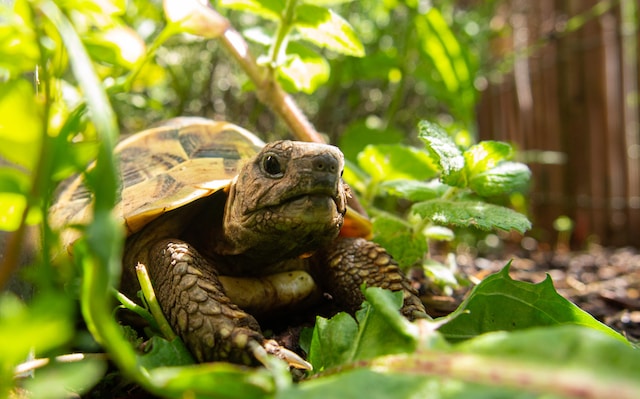
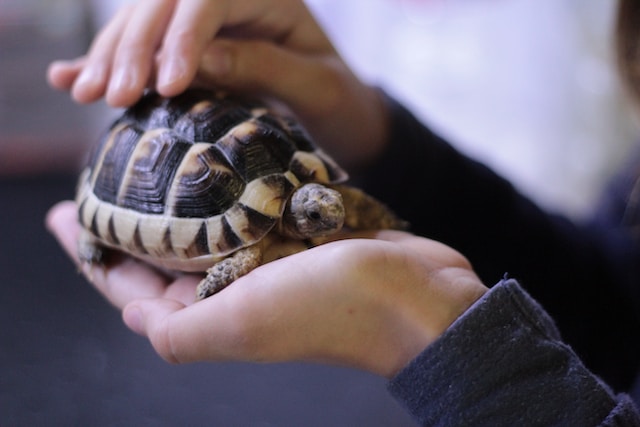
Can a Tortoise Be an Emotional Support Pet?

When it comes to emotional support animals, dogs and cats are often the first that come to mind. However, the world of emotional support pets is expanding, and people are turning to unconventional companions to provide comfort and companionship. 

One such unconventional choice is the tortoise. While it may seem surprising at first, there are arguments to be made for a tortoise being an emotional support pet.

But first, what are emotional support animals? 

Emotional support animals play a crucial role in helping individuals cope with mental health conditions such as anxiety, depression, and post-traumatic stress disorder (PTSD). 

These animals provide a sense of comfort, relieve stress, and offer unconditional love to their owners. While dogs and cats have traditionally fulfilled this role, the unique characteristics of a tortoise can also contribute to emotional well-being.

The benefits of keeping a tortoise 

One of the key benefits of having a tortoise as an emotional support pet is their calming presence. Tortoises are known for their slow and deliberate movements, which can have a soothing effect on their owners. Watching a tortoise slowly explore its surroundings or bask in the sun can be a meditative experience, promoting relaxation and reducing anxiety.

Another advantage of having a tortoise as an emotional support pet is their low-maintenance nature. Unlike dogs or cats, tortoises do not require constant attention or interactive play. 

They are independent creatures that spend much of their time in their enclosures, making them suitable for individuals who may have limited energy or mobility. This low-maintenance aspect can be particularly appealing to those struggling with mental health issues, as it reduces the pressure and responsibility often associated with pet ownership.

Furthermore, the longevity of tortoises is worth considering. Many tortoise species have lifespans that extend well beyond that of traditional emotional support animals. For individuals seeking a long-term companion, a tortoise can provide stability and consistency in their lives. 

The bond formed with a tortoise can be a source of comfort and companionship for many years, offering a sense of purpose and routine that can be beneficial for mental well-being.

Obtaining a tortoise for emotional support

It is important to note that while a tortoise can serve as an emotional support pet, the process of obtaining legal recognition and accommodations may vary depending on the jurisdiction. In some cases, emotional support animals require documentation from a licensed mental health professional to be recognized under the law. 

Therefore, individuals considering a tortoise as an emotional support pet should research and consult with professionals to ensure they meet the necessary requirements.

Should you get a tortoise or another emotional support animal? 

However, it is essential to recognize the limitations of tortoises as emotional support animals. Unlike dogs, tortoises do not possess the same level of social intelligence or ability to provide immediate emotional feedback. While they can be a source of comfort, they may not offer the same level of emotional connection and interaction as more traditional emotional support animals.

Related article: Examples of Emotional Support Animals That Aren’t Dogs

Final Thoughts

While it may be unconventional, a tortoise can indeed be an emotional support pet. With their calming presence, low-maintenance nature, and longevity, tortoises offer unique advantages for individuals seeking emotional support. 

However, it is crucial to consider the legal requirements and the individual’s specific needs before making a decision. Ultimately, the bond formed between an individual and their emotional support pet, whether it be a dog, cat, or tortoise, can provide solace, companionship, and support in their journey toward improved mental well-being.


Do you own an assistance animal? Register your pet today.  The Service Animal Registry of California invites you to have your assistance animal registered in order to designate its status. We also encourage you to take our online classes so you can be fully aware of your rights and gain more knowledge about your support animal.

Finally, we present to you our book entitled, “ASSISTANCE ANIMAL LAWS: LEARN YOUR RIGHTS REGARDING SERVICE ANIMALS, EMOTIONAL SUPPORT ANIMALS, THERAPY PETS, AND OTHER DOGS, CATS, AND ASSISTANCE ANIMALS” to provide you with a complete education on assistance animals. Purchase your copy of the book by clicking the image below. 
Why Do Labradors Make Great Service Dogs?

Labradors are one of the best dog breeds you’ll come across and for good reason. They are intelligent, friendly, and loyal, and they have become increasingly popular as service dogs in recent years. Read this article as we will explore some of the reasons why labradors make great service dogs — in case you’re thinking of getting one. 

Intelligence

Labradors are highly intelligent dogs that can learn complex tasks quickly. They are able to follow commands and respond to cues with ease, making them ideal for service work. Their intelligence also means that they can be trained to perform a wide range of tasks, from guiding the blind to detecting seizures and alerting their owners to changes in their blood sugar levels.

Temperament

Labradors are known for their friendly and affectionate temperament. They are people pleasers and love nothing more than being with their owners. This makes them excellent service dogs as they are eager to please and will work tirelessly to help their owners. Additionally, they are good with children, making them a great option for families with young kids.

Loyalty

Labradors are incredibly loyal dogs that form strong bonds with their owners. They will go to great lengths to protect and care for their owners, making them excellent service dogs for those who need assistance. They are also highly trainable, which means that they can be taught to recognize and respond to their owner’s needs.

Athleticism

Labradors are athletic dogs that love to play and exercise. This makes them ideal service dogs for those who need assistance with physical tasks. They can help with mobility assistance, such as pulling a wheelchair or providing balance support. Additionally, they can be trained to retrieve objects, open and close doors, and even turn on and off lights.

Read more: Everyday Tips to Promote the Health and Wellness of Your Furry Friend

Adaptability

Labradors are highly adaptable dogs that can thrive in a variety of environments. They are comfortable in both rural and urban settings and can adjust to different living conditions easily. This adaptability makes them excellent service dogs as they can accompany their owners wherever they need to go, whether it’s a busy city street or a quiet rural area.

Good health

Labradors are generally healthy dogs with a life expectancy of around 10-12 years. They are not prone to many health problems, which means that they are less likely to develop health issues that could affect their ability to work as service dogs. Additionally, their size and strength make them a great option for tasks that require physical strength.

Final Thoughts 

Labradors make excellent service dogs due to their intelligence, temperament, loyalty, athleticism, adaptability, and good health. From performing various tasks to helping with mobility, labradors can do a lot. If you are in need of a service dog, a labrador may be just the companion you need to help you live a full and independent life.


Do you own an assistance animal? Register your pet today.  The Service Animal Registry of California invites you to have your assistance animal registered in order to designate its status. We also encourage you to take our online classes so you can be fully aware of your rights and gain more knowledge about your support animal.

Finally, we present to you our book entitled, “ASSISTANCE ANIMAL LAWS: LEARN YOUR RIGHTS REGARDING SERVICE ANIMALS, EMOTIONAL SUPPORT ANIMALS, THERAPY PETS, AND OTHER DOGS, CATS, AND ASSISTANCE ANIMALS” to provide you with a complete education on assistance animals. Purchase your copy of the book by clicking the image below. 
How to Train Your Dog to Behave at Pet-Friendly Restaurants

Dining out with your furry companion can be a fun experience for both of you. However, it is important to ensure that your dog is well-behaved and does not cause any disruptions to other diners. Here are some tips to train your service dog or emotional support dog to behave at pet-friendly restaurants! 

Start with Basic Obedience Training

Before taking your dog to a restaurant, it is important to ensure that they have basic obedience training. Your dog should be able to follow basic commands such as sit, stay, and come. This will help you to control your dog’s behavior in public spaces.

Practice at Home

Practice having your dog sit or lie down quietly while you eat at home. This will help them get used to the idea of being calm and relaxed while you eat. Reward them with treats or praise for good behavior!

Visit the Restaurant During Off-Peak Hours

When you first start taking your dog to a restaurant, it is a good idea to visit during off-peak hours. This will give your dog a chance to get used to the environment without the added stress of a crowded restaurant.

Choose a Quiet Table

When choosing a table, try to find a quiet spot away from other diners. This will help your dog to stay calm and avoid distractions.

Bring Treats and Toys

Bring your dog’s favorite treats and toys to keep them occupied while you eat. This will help to distract them and prevent them from getting bored and restless.

Keep Your Dog on a Leash

It is important to keep your dog on a leash at all times to prevent them from wandering off or bothering other diners. Make sure that the leash is short enough to prevent them from reaching the table or other patrons.

Be Considerate of Other Diners

Remember that not everyone loves dogs as much as you do. Be considerate of other diners and keep your dog quiet and well-behaved. If your dog becomes disruptive or starts barking, take them outside to calm down.

Reward Good Behavior

Reward your dog for good behavior with treats or praise. This will reinforce positive behavior and encourage them to continue behaving well.

Practice Patience

Keep in mind that training your dog to behave at a restaurant takes time and patience. Don’t get frustrated if your dog doesn’t behave perfectly the first time. Practice regularly and be consistent with your training.

Conclusion

Training your dog to behave at pet-friendly restaurants requires patience, consistency, and a lot of practice. By following these tips, you can help your dog to become a well-behaved and welcome guest at restaurants. 

Always be considerate of other diners and keep your dog on a leash at all times. With time and practice, you and your furry companion can enjoy many happy meals together.


Do you own an assistance animal? Register your pet today.  The Service Animal Registry of California invites you to have your assistance animal registered in order to designate its status. We also encourage you to take our online classes so you can be fully aware of your rights and gain more knowledge about your support animal.

Finally, we present to you our book entitled, “ASSISTANCE ANIMAL LAWS: LEARN YOUR RIGHTS REGARDING SERVICE ANIMALS, EMOTIONAL SUPPORT ANIMALS, THERAPY PETS, AND OTHER DOGS, CATS, AND ASSISTANCE ANIMALS” to provide you with a complete education on assistance animals. Purchase your copy of the book by clicking the image below. 

How to Care for a Service Miniature Horse

Service miniature horses are intelligent, gentle, and loving animals that are trained to provide assistance to people with disabilities. They are well-suited to the role of service animals because of their small size, high level of intelligence, and gentle nature. 

If you own one or are planning to, you should know that they also require a significant amount of care to ensure their well-being and health. Read this article to learn some of the ways in which you can care for a service miniature horse.

Provide a suitable living space

Service miniature horses are typically kept in stalls when they are not working. Be to provide them with a clean, dry, and well-ventilated stall that is large enough for them to move around in. Moreover, the stall should be free of hazards such as sharp objects or protrusions that could cause injury to the horse.

Feed your horse a balanced diet

Service miniature horses require a balanced diet that provides them with all of the necessary nutrients. This includes hay or pasture grass, as well as grain or pelleted feed. Always consult with a veterinarian or equine nutritionist to determine the appropriate diet for your horse based on its age, weight, and activity level.

Provide clean water

Access to clean, fresh water is essential for the health and well-being of service miniature horses. Water should be changed daily, and the water trough or bucket needs to be cleaned regularly to prevent the growth of bacteria or algae.

Maintain proper hygiene

Regular grooming is important for the health of service miniature horses. Grooming tips include brushing their coat, mane, and tail, as well as cleaning their hooves. Service miniature horses may also require regular trimming of their hooves to prevent overgrowth.

Exercise and socialization

Service miniature horses require regular exercise and socialization to maintain their physical and mental health. This can include daily walks or turnout in a pasture with other horses. It is important to ensure that the exercise and socialization are appropriate for the horse’s age and physical condition.

Regular veterinary care

Service miniature horses require regular veterinary care to maintain their health. This includes routine vaccinations, deworming, and dental care. It is important to work with a veterinarian who has experience with horses and is familiar with the specific needs of service miniature horses.

Training and education

Service miniature horses require specialized training to perform their duties as service animals. It is important to work with a qualified trainer who has experience working with service animals. 

In addition, it is important to educate yourself on the laws and regulations related to service animals to ensure that you are providing appropriate care and following all legal requirements.

Conclusion

Keep in mind that caring for a service miniature horse requires a significant amount of time, effort, and dedication. However, the rewards of having a loving and loyal companion that provides assistance to people with disabilities are well worth the effort!

By providing them with a suitable living space, a balanced diet, and everything else they need to thrive, you can ensure that your service miniature horse is well-cared for.


Do you own an assistance animal? Register your pet today.  The Service Animal Registry of California invites you to have your assistance animal registered in order to designate its status. We also encourage you to take our online classes so you can be fully aware of your rights and gain more knowledge about your support animal.

Finally, we present to you our book entitled, “ASSISTANCE ANIMAL LAWS: LEARN YOUR RIGHTS REGARDING SERVICE ANIMALS, EMOTIONAL SUPPORT ANIMALS, THERAPY PETS, AND OTHER DOGS, CATS, AND ASSISTANCE ANIMALS” to provide you with a complete education on assistance animals. Purchase your copy of the book by clicking the image below. 

Basic Care Tips to Keep Your Cat Healthy

Cats are beloved pets known for their independent and playful personality. As a responsible cat owner, it’s essential to provide your feline friend with the care they need to live a healthy and happy life.

Basic care tips for your cat involve providing a nutritious diet, maintaining proper hygiene, scheduling regular veterinary check-ups, and ensuring they get enough exercise and mental stimulation. Read this article to learn more!

Provide a Balanced Diet

Cats are obligate carnivores, which means their bodies require nutrients found only in animal tissues. It’s crucial to feed your cat a nutritionally balanced diet that includes high-quality protein, essential fatty acids, vitamins, and minerals.

Avoid feeding your cat table scraps or excessive treats, as this can lead to obesity and other health issues. Consult your veterinarian for advice on the appropriate type and amount of food to feed your cat based on its age, weight, and activity level.

Maintain Proper Hygiene

Cats are known for their grooming habits, but they still need your help to maintain proper hygiene. Regularly brush your cat’s coat to remove loose fur, prevent matting, and minimize hairballs. Trim your cat’s nails regularly to prevent overgrowth and discomfort.

Moreover, keep your cat’s teeth clean by brushing them regularly using veterinarian-approved toothpaste and toothbrush. Also, provide your cat with fresh water at all times to prevent dehydration and promote healthy kidney function.

Schedule Regular Veterinary Check-ups

Cats should have regular veterinary check-ups to monitor their overall health and detect any potential health issues early. Your veterinarian can perform a physical examination, update vaccinations, provide parasite prevention, and offer advice on nutrition, dental care, and other aspects of cat health. Early detection and treatment of any health problems can significantly impact your cat’s quality of life and increase its lifespan.

Provide Exercise and Mental Stimulation

Cats will also need regular exercise and mental stimulation to keep them physically and mentally healthy. Play with your cat using toys that encourage them to chase, pounce, and climb. Consider providing a cat tree or scratching post to allow them to engage in natural behaviors and exercise their muscles. Additionally, provide environmental enrichment, such as hiding treats for them to find or rotating toys to keep their minds stimulated and prevent boredom.

Read more: 9 Creative Ways to Get Your Cat to Exercise

Ensure a Safe Indoor Environment

Cats are safest when kept indoors to prevent exposure to diseases, accidents, and predators. Create a safe indoor environment for your cat by removing any potential hazards, such as toxic plants, small objects that can be swallowed, and open windows or doors. Provide your cat with a comfortable and warm space to rest and sleep, along with hiding spots, perches, and litter boxes in different areas of your home.

Practice Responsible Litter Box Care

Proper litter box care is crucial for maintaining your cat’s health and preventing litter box issues. Cats are known for their cleanliness and may avoid using a dirty litter box, leading to accidents or inappropriate elimination. Scoop the litter box daily, clean it thoroughly at least once a week, and provide one litter box per cat plus an extra. Use unscented litter and avoid using harsh chemicals for cleaning, as they may be harmful to your cat.

Conclusion

Providing basic care for your cat involves providing a balanced diet, maintaining proper hygiene, scheduling regular veterinary check-ups, providing exercise and mental stimulation, ensuring a safe indoor environment, and practicing responsible litter box care.

By following these simple care tips, you can help your cat live a healthy, happy, and fulfilling life as your beloved companion! Don’t hesitate to consult your veterinarian for personalized advice on your cat’s health and well-being.


Do you own an assistance animal? Register your pet today.  The Service Animal Registry of California invites you to have your assistance animal registered in order to designate its status. We also encourage you to take our online classes so you can be fully aware of your rights and gain more knowledge about your support animal.

Finally, we present to you our book entitled, “ASSISTANCE ANIMAL LAWS: LEARN YOUR RIGHTS REGARDING SERVICE ANIMALS, EMOTIONAL SUPPORT ANIMALS, THERAPY PETS, AND OTHER DOGS, CATS, AND ASSISTANCE ANIMALS” to provide you with a complete education on assistance animals. Purchase your copy of the book by clicking the image below. 

Does My Child Need an Emotional Support Animal?

As parents, we want to provide the best possible care for our children, especially when it comes to their emotional well-being. One option that has gained popularity in recent years is getting an emotional support animal (ESA) for kids who may be struggling with emotional or psychological challenges. 

But does your child really need an emotional support animal? Let’s explore this topic further to better understand the benefits and considerations.

What is an emotional support animal?

Emotional support animals, typically dogs or cats, are trained to provide comfort, companionship, and emotional support to individuals with mental health conditions, such as anxiety, depression, or post-traumatic stress disorder (PTSD). 

These animals are not considered service animals under the Americans with Disabilities Act (ADA) and do not have the same legal protections. However, they are protected under the Fair Housing Act (FHA), which allows individuals with mental health conditions to have reasonable accommodation for their emotional support animals in housing situations that otherwise prohibit pets.

How can emotional support animals help kids? 

One of the main benefits of having an emotional support animal for a child is the potential positive impact on their mental health. Animals can provide comfort, unconditional love, and a sense of security, which can help children feel more relaxed, reduce anxiety, and cope better with stress. Interacting with a pet can also promote physical activity, encourage social interaction, and improve mood and overall well-being.

Mental health and developmental conditions 

For children with specific mental health conditions, such as anxiety or autism, an emotional support animal may provide additional benefits. For example, a child with social anxiety may find comfort and companionship in an emotional support animal during challenging social situations. 

A child with autism may benefit from the sensory input and routine that comes with caring for an animal, which can help improve their emotional regulation and social skills.

Read more: How to Qualify for an Emotional Support Cat

Do all children benefit from emotional support animals?

However, it’s important to note that not all children may benefit from an emotional support animal. It’s crucial to assess your child’s specific needs and consider other factors before making a decision. Consider these factors:

  • Allergies and other health conditions: Some children may have allergies or other health conditions that make it difficult for them to have a pet. It’s essential to consider your child’s health and well-being before getting an emotional support animal. Make sure to consult with your child’s healthcare provider and allergist if your child has any health concerns.
  • Lifestyle and living situation: Consider your lifestyle and living situation when deciding if an emotional support animal is right for your child. Do you have the time, resources, and space to care for a pet? Is your living situation suitable for having a pet? For example, if you live in an apartment that does not allow pets, you may need to consider alternative options or explore your rights under the FHA for reasonable accommodation.
  • Emotional readiness: Is your child emotionally ready to have a pet? Caring for an animal requires responsibility, commitment, and emotional maturity. Consider your child’s age, temperament, and ability to understand and meet the needs of an animal. It’s important to ensure that your child is ready for the responsibilities that come with pet ownership.
  • Alternative interventions: Emotional support animals can be a helpful intervention for some children, but they are not the only option. There are other interventions, such as therapy, counseling, and medication, that may also be effective in supporting your child’s mental health. It’s important to consider all available options and work with your child’s healthcare provider to determine the most appropriate approach for your child’s needs.

Final Thoughts

While emotional support animals can provide many benefits for children struggling with emotional or psychological challenges, they are not suitable for every child. It’s crucial to carefully consider your child’s specific needs, health conditions, lifestyle, and emotional readiness before deciding if an emotional support animal is the right choice. 


Do you own an assistance animal? Register your pet today.  The Service Animal Registry of California invites you to have your assistance animal registered in order to designate its status. We also encourage you to take our online classes so you can be fully aware of your rights and gain more knowledge about your support animal.

Finally, we present to you our book entitled, “ASSISTANCE ANIMAL LAWS: LEARN YOUR RIGHTS REGARDING SERVICE ANIMALS, EMOTIONAL SUPPORT ANIMALS, THERAPY PETS, AND OTHER DOGS, CATS, AND ASSISTANCE ANIMALS” to provide you with a complete education on assistance animals. Purchase your copy of the book by clicking the image below. 

What Are the Basic Obedience Commands for Therapy Dogs?

Dogs have been known for their loyalty, love, and affection toward their owners. So it’s not surprising that they make wonderful companions and can also serve as therapy dogs. Therapy dogs, in particular, are trained to provide comfort and support to people in need, such as the elderly, people with disabilities, and individuals with mental health conditions.

To be effective, therapy dogs need to be well-behaved and obedient, which is why it is important to train them in basic obedience commands.

Below, we list some of the basic obedience commands that therapy dogs should learn:

Sit

This is one of the most basic obedience commands that every dog should learn. It is a foundation for other commands and helps in controlling the dog’s behavior. To teach your therapy dog to sit, hold a treat above its head, and say “sit” while gently pushing its back down. Next, reward the dog with the treat after following your command.

Stay

The stay command helps in keeping the dog in one place for an extended period. It’s beneficial for situations where the dog needs to be still, such as during therapy sessions. To teach your dog to stay, command it to sit and say “stay” while moving a few steps away. If it stays, offer a treat.

Come

This command helps in calling the dog back to you. To teach your dog to come, hold a treat in your hand, and say “come” while backing away from the dog. When the dog reaches you, reward it with a treat.

Heel

The heel command helps in keeping the dog close to your side while walking. During therapy sessions, the dog needs to walk alongside the person it is helping. To teach your dog to heel, hold a treat in your hand and walk with the dog by your side. Say “heel” and reward the dog when it stays close to you.

Leave it

This command helps in preventing the dog from picking up or eating things it shouldn’t. To teach your dog to leave it, place a treat on the ground and say “leave it.” Wait until the dog ignores the treat, and reward it with a treat from your hand.

Down

Get your therapy dog to calm down or lie down using this command. All you need to do is state the command — say “down” while moving your hand toward the ground. If the dog lies down, give a treat.

Off

This command helps in getting the dog off furniture or people. To teach your dog to get off, gently push it off while saying “off.” When the dog gets off, reward it with a treat.

Final Thoughts

These basic obedience commands will help in making your therapy dog well-behaved and obedient. However, keep in mind that training your dog takes time and patience.

You should begin training your dog when it is young and reinforce the commands regularly. Also, keep training sessions short and fun. Dogs learn best through positive reinforcement, so reward your dog not just with treats, but also with praise and affection when it follows your commands correctly.

As a final note, therapy dogs have a different role than service dogs. While service dogs are trained to perform specific tasks for their handlers, therapy dogs provide emotional support and comfort to people in need. Therefore, therapy dogs should be trained to be calm, gentle, and friendly around people of all ages and backgrounds.

Read more articles below:


Do you own an assistance animal? Register your pet today.  The Service Animal Registry of California invites you to have your assistance animal registered in order to designate its status. We also encourage you to take our online classes so you can be fully aware of your rights and gain more knowledge about your support animal.

Finally, we present to you our book entitled, “ASSISTANCE ANIMAL LAWS: LEARN YOUR RIGHTS REGARDING SERVICE ANIMALS, EMOTIONAL SUPPORT ANIMALS, THERAPY PETS, AND OTHER DOGS, CATS, AND ASSISTANCE ANIMALS” to provide you with a complete education on assistance animals. Purchase your copy of the book by clicking the image below. 

The Best Hypoallergenic Dog Breeds for Those With Allergies

For people with allergies, owning a service dog can be a lifesaver. However, many dog breeds can exacerbate allergies due to their shedding or dander. 

Fortunately, there are several hypoallergenic service dog breeds available that can provide the same level of assistance without causing allergic reactions. Learn more in this article. 

What Are Hypoallergenic Service Dogs? 

Hypoallergenic service dogs are specially bred to produce less dander, which is the primary cause of allergic reactions. Unlike other dog breeds, hypoallergenic dogs have hair instead of fur, which means they do not shed as much as other dogs. This makes them an ideal choice for people with allergies who want a service dog to assist them.

Poodle 

One of the most popular hypoallergenic service dog breeds is the Poodle. Poodles are highly intelligent and trainable, making them an excellent choice for service dog work. They are also hypoallergenic, as their curly hair does not shed much, which makes them a popular choice. Poodles come in various sizes, from toy to standard, so there is a Poodle to suit everyone’s needs.

Bichon Frise

This breed is small in size, making them ideal for those who need a service dog to assist them in small spaces. Bichon Frises have a friendly and affectionate personality. They make great companions. They also have curly hair that does not shed.

Havanese

The Havanese is another popular hypoallergenic service dog breed. They are small in size and wonderful for those who live in apartments or small homes. Havanese dogs have a friendly and playful personality. If you have kids living with you, get a Havanese. 

Soft-Coated Wheaten Terrier

The Soft Coated Wheaten Terrier is another hypoallergenic service dog breed. They are medium in size and have a gentle and friendly personality. Soft Coated Wheaten Terriers have a single coat of hair and a low-shedding coat. Because of this, they’re a low-maintenance option for service dog work.

Portuguese Water Dog

Last but not least on our list is the Portuguese Water Dog. They are medium in size and were originally bred to help fishermen in Portugal. Portuguese Water Dogs are highly intelligent and trainable, and are also athletic. In addition, they do well with other pets and kids at home. 

Final Thoughts

Overall, owning a hypoallergenic service dog can be a game-changer for people with allergies. The breeds mentioned above are just a few of the many hypoallergenic options available! 

When choosing a hypoallergenic service dog, it is important to consider the breed’s personality, size, and temperament to ensure that they will be a good fit for your needs. 

It is also essential to remember that owning a service dog is a significant responsibility, and it requires commitment and training to ensure that they are well-behaved and able to perform their duties effectively.

On that note, we recommend these articles:


Do you own an assistance animal? Register your pet today.  The Service Animal Registry of California invites you to have your assistance animal registered in order to designate its status. We also encourage you to take our online classes so you can be fully aware of your rights and gain more knowledge about your support animal.

Finally, we present to you our book entitled, “ASSISTANCE ANIMAL LAWS: LEARN YOUR RIGHTS REGARDING SERVICE ANIMALS, EMOTIONAL SUPPORT ANIMALS, THERAPY PETS, AND OTHER DOGS, CATS, AND ASSISTANCE ANIMALS” to provide you with a complete education on assistance animals. Purchase your copy of the book by clicking the image below. 

10 Spring Activities to Do With Your Dog

Spring is a wonderful time of year to spend with your furry friends. With the weather warming up and the sun shining, there are endless possibilities for outdoor activities to enjoy with your pet. Here are some great spring activities to do with them that will get you both outside and having fun.

Hiking

Spring is the perfect time to explore the great outdoors and go on a hike with your dog. Find a nearby trail and hit the path with your furry friend by your side. Just be sure to bring plenty of water, snacks, and a first-aid kit in case of any emergencies!

Dog-friendly patio dining

Many restaurants offer outdoor seating, and some even allow pets. Bring your dog along for some delicious dining and quality time together. Just be sure to check ahead of time if the restaurant is pet-friendly and be respectful of other diners.

Frisbee

Playing frisbee is a great way to spend time outside with your dog while getting some exercise. It’s also a great bonding experience for you and your pet.

Gardening

Spring is the perfect time to start gardening, and your pet can be a great companion while you’re digging in the dirt. Just be sure to keep your pet safe by using non-toxic plants and avoiding fertilizers and pesticides that could harm your furry friend.

Beach day

Nothing says spring like a day at the beach. Bring your pet along for a fun day in the sun, playing in the sand, and swimming in the water. Just be sure to check ahead of time if the beach is pet-friendly and bring plenty of water and shade for your furry friend.

Outdoor photo shoot

Spring is a beautiful season for taking photos, and your pet can be a great subject. Head outside and snap some photos of your furry friend amidst the blooming flowers and trees.

Camping

Spring is the perfect time for a camping trip with your pet. Find a pet-friendly campsite and enjoy some time in nature with your furry friend. Just be sure to bring plenty of food, water, and a comfortable place for your pet to sleep.

Agility training

If your dog is high-energy and loves to run and jump, agility training can be a great way to keep them active and engaged. Find a local agility course and give it a try with your furry friend.

Dog park

Spring is a great time to visit a local dog park and let your pet run around and play with other dogs. Just be sure to keep an eye on your pet and be respectful of other pet owners.

Road trip

If you’re feeling adventurous, plan a road trip with your pet. Choose a destination that’s pet-friendly and enjoy some quality time with your furry friend on the open road.

Conclusion

With so many fun outdoor activities to do, you and your pet are sure to have a great time together. Just be sure to keep your pet safe and comfortable, and enjoy all the season has to offer.


Do you own an assistance animal? Register your pet today.  The Service Animal Registry of California invites you to have your assistance animal registered in order to designate its status. We also encourage you to take our online classes so you can be fully aware of your rights and gain more knowledge about your support animal.

Finally, we present to you our book entitled, “ASSISTANCE ANIMAL LAWS: LEARN YOUR RIGHTS REGARDING SERVICE ANIMALS, EMOTIONAL SUPPORT ANIMALS, THERAPY PETS, AND OTHER DOGS, CATS, AND ASSISTANCE ANIMALS” to provide you with a complete education on assistance animals. Purchase your copy of the book by clicking the image below.