How Therapy Dogs Support Families of Hospice Patients

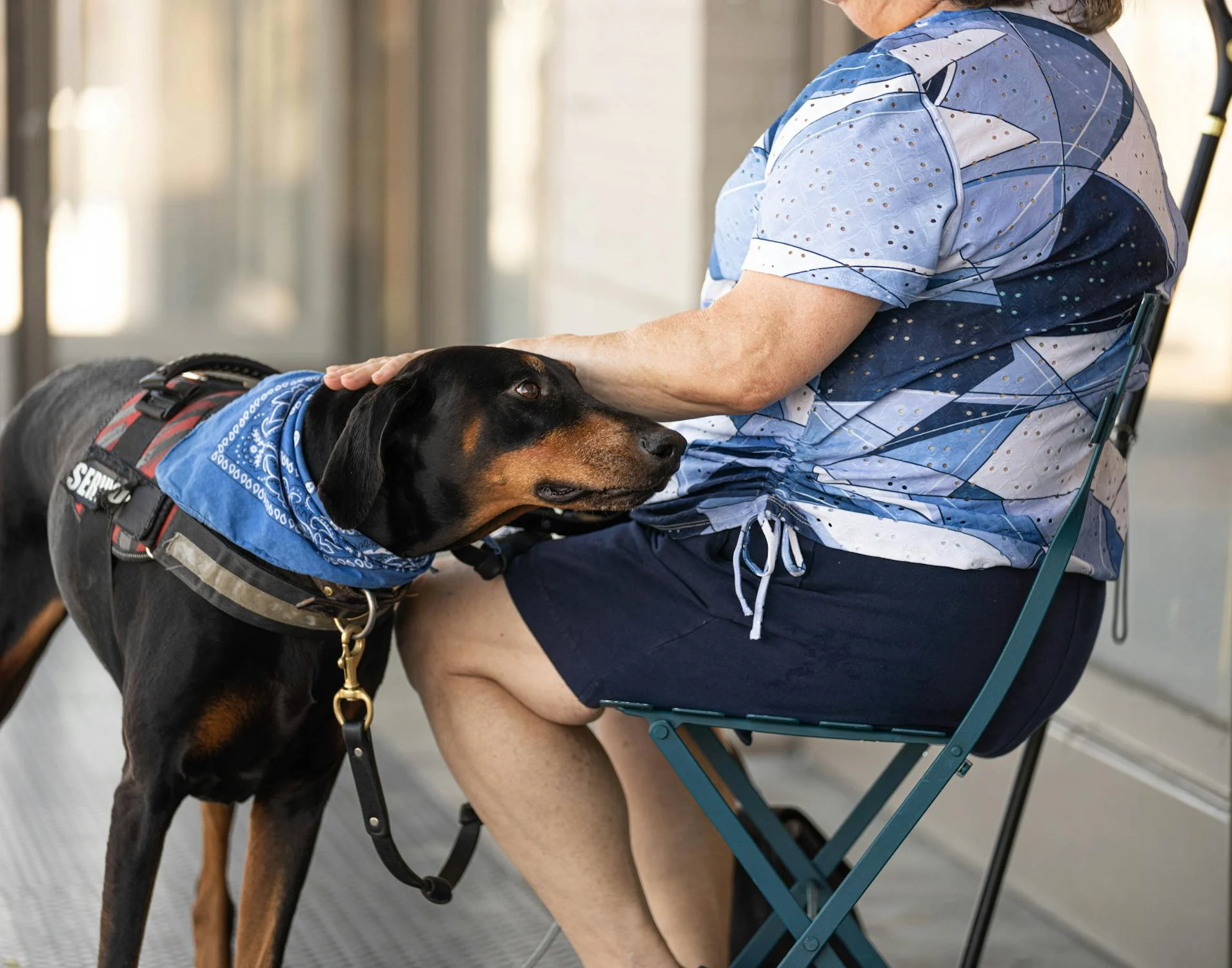
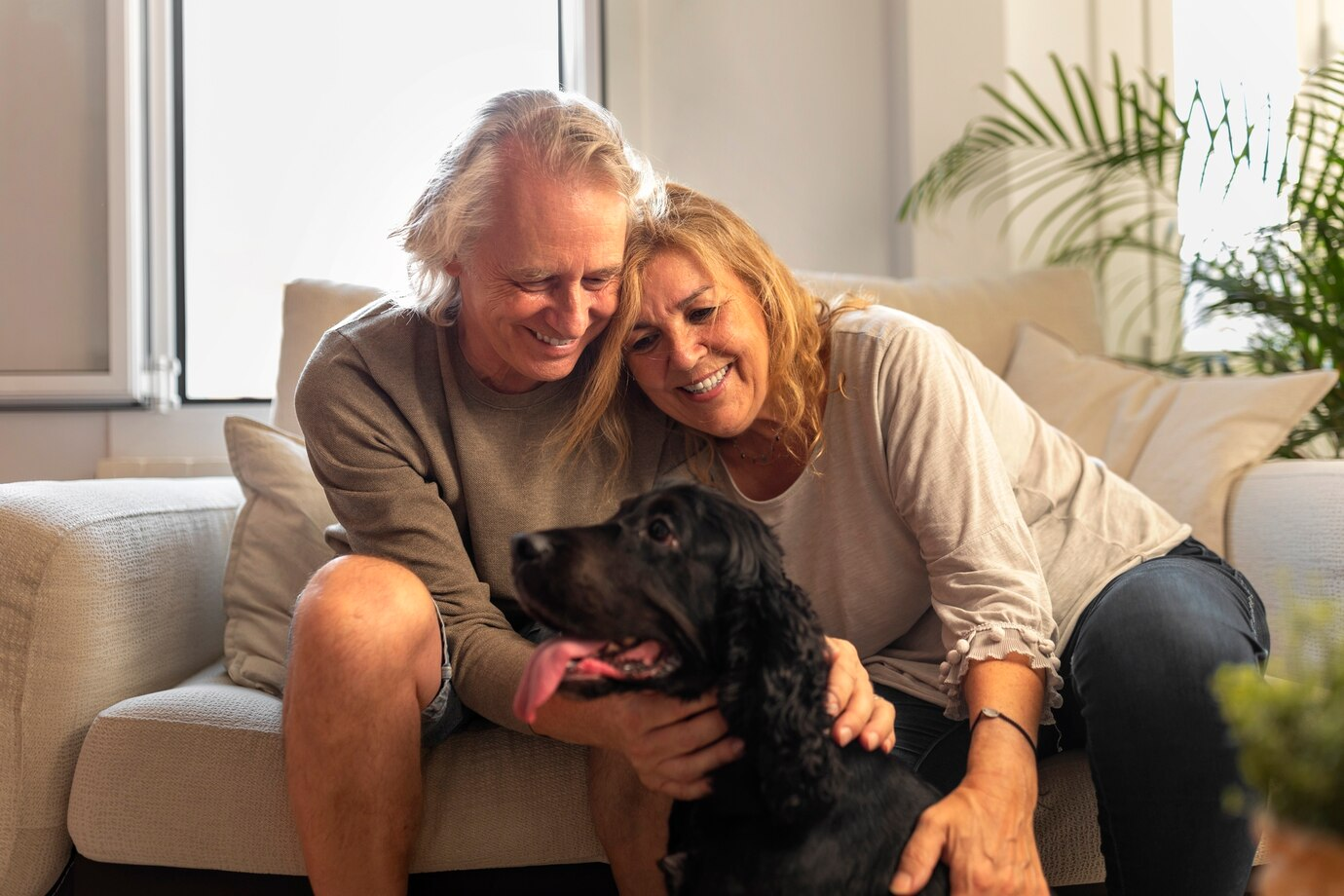
Hospice care, focused on providing comfort to individuals in the final stages of terminal illness, is a profoundly emotional journey not only for patients but also for their families. As loved ones navigate grief, exhaustion, and uncertainty, therapy dogs have emerged as a gentle yet powerful source of support. These specially trained animals offer unconditional companionship, bridging the gap between medical care and emotional healing. Their presence can transform moments of despair into spaces of solace, providing multifaceted benefits to families during an intensely challenging time.

Emotional Comfort and Stress Relief

Therapy dogs excel at offering emotional respite. Their mere presence—a warm nuzzle, a steady gaze, or a calm demeanor—can soothe frayed nerves. Interacting with dogs triggers the release of oxytocin, a hormone linked to bonding and stress reduction, while lowering cortisol levels associated with anxiety. For families spending hours in hospice settings, this biochemical response can provide a momentary escape from grief. A parent stroking a dog’s soft fur or a child laughing as the dog performs a trick creates pockets of peace amid sorrow. These small acts of connection remind families they are not alone, fostering resilience in the face of loss.

Read more: Ways Emotional Support Animals Make You Feel Better

Facilitating Communication and Connection

Grief often isolates individuals, making it difficult to articulate complex emotions. Therapy dogs serve as nonjudgmental listeners and social catalysts, gently encouraging communication. A family member might open up to a therapist or fellow relative while focusing on the dog, easing tension. For children, especially, the dog can become a proxy for expressing fears or sadness they struggle to share with adults. Hospice staff also use therapy dogs to broach difficult conversations, such as reminiscing about a patient’s life or explaining the dying process, creating a more comfortable environment for dialogue.

Restoring Moments of Normalcy

Hospice care disrupts daily routines, leaving families adrift in clinical settings. Therapy dogs reintroduce fragments of normalcy. A game of fetch in a garden, the routine of feeding treats, or the simple act of walking a dog can anchor families in familiar rituals. For children, these interactions offer a respite from heaviness, allowing them to simply “be kids” despite the circumstances. Even brief moments of joy—a wagging tail or a playful bark—can lift spirits, providing temporary relief from the weight of anticipatory grief.

Support Through Bereavement

The support of therapy dogs often extends beyond the patient’s passing. Many hospice programs incorporate follow-up visits to help families navigate early grief. The continuity of a familiar, comforting presence eases the transition into bereavement. Petting a dog during a counseling session or sharing memories with the animal nearby can make confronting loss feel less isolating. For some, the dog becomes a symbol of enduring love and a reminder of the peace their loved one found in its presence.

Read more: The Role of Emotional Support Animals in Grief and Loss Recovery

Conclusion

Therapy dogs do not erase the pain of losing a loved one, but they illuminate a path through it. By offering unconditional love, reducing stress, fostering connection, and grounding families in moments of normalcy, these animals become silent heroes in hospice care. Their ability to transcend words and touch hearts underscores the profound impact of human-animal bonds. As hospice programs increasingly recognize their value, therapy dogs stand as beacons of compassion, ensuring no family walks the journey of loss alone.


Do you own an assistance animal? Register your pet today.

The Service Animal Registry of California invites you to have your assistance animal registered in order to designate its status. We also encourage you to take our online classes so you can be fully aware of your rights and gain more knowledge about your support animal.

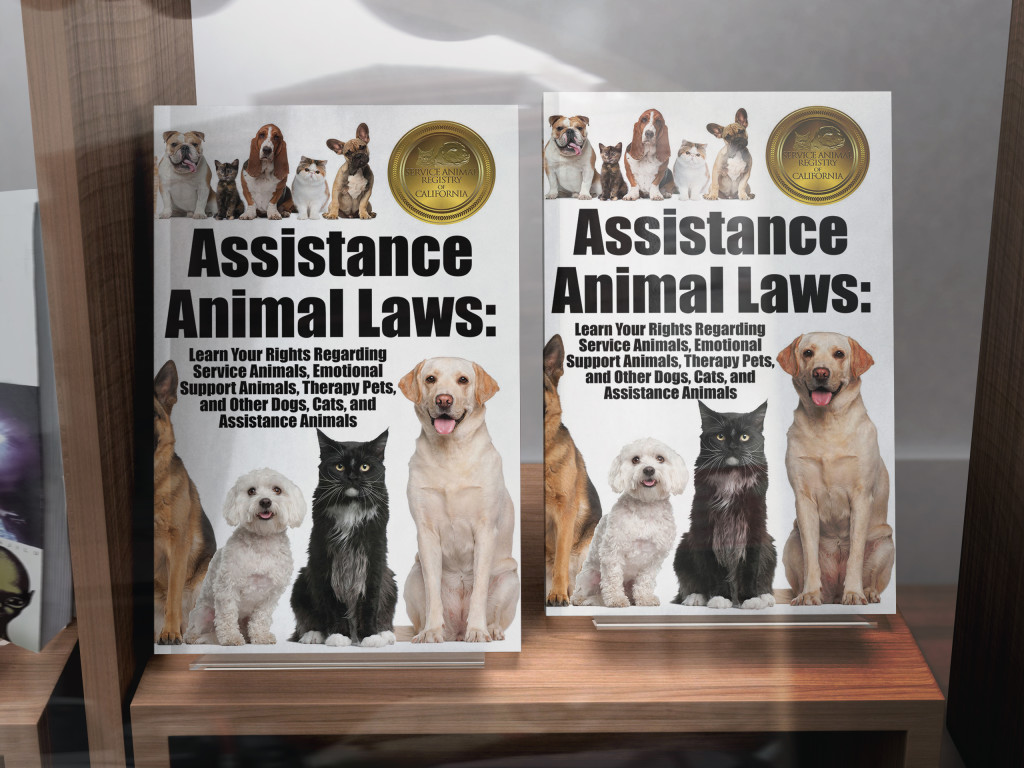
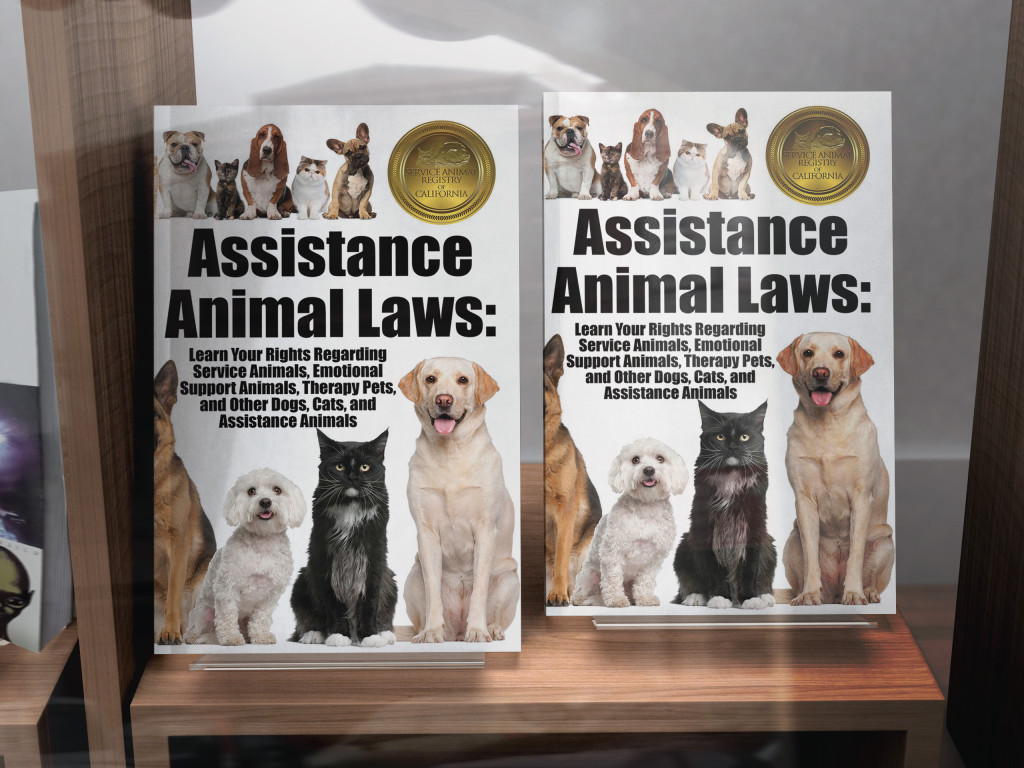
Finally, we present to you our book entitled, “ASSISTANCE ANIMAL LAWS: LEARN YOUR RIGHTS REGARDING SERVICE ANIMALS, EMOTIONAL SUPPORT ANIMALS, THERAPY PETS, AND OTHER DOGS, CATS, AND ASSISTANCE ANIMALS” to provide you with a complete education on assistance animals. Purchase your copy of the book by clicking the image below. 
Does the ADA Require Service Animals to Be Professionally Trained?

The Americans with Disabilities Act (ADA) is a landmark civil rights law enacted in 1990 that prohibits discrimination based on disability. One of the more frequently misunderstood aspects of the ADA involves service animals. A common question arises: Does the ADA require service animals to be professionally trained? The answer is no — the ADA does not require service animals to undergo professional training. Instead, the law focuses on the tasks the animal performs and the rights of the individual with a disability.

Definition of a Service Animal under the ADA

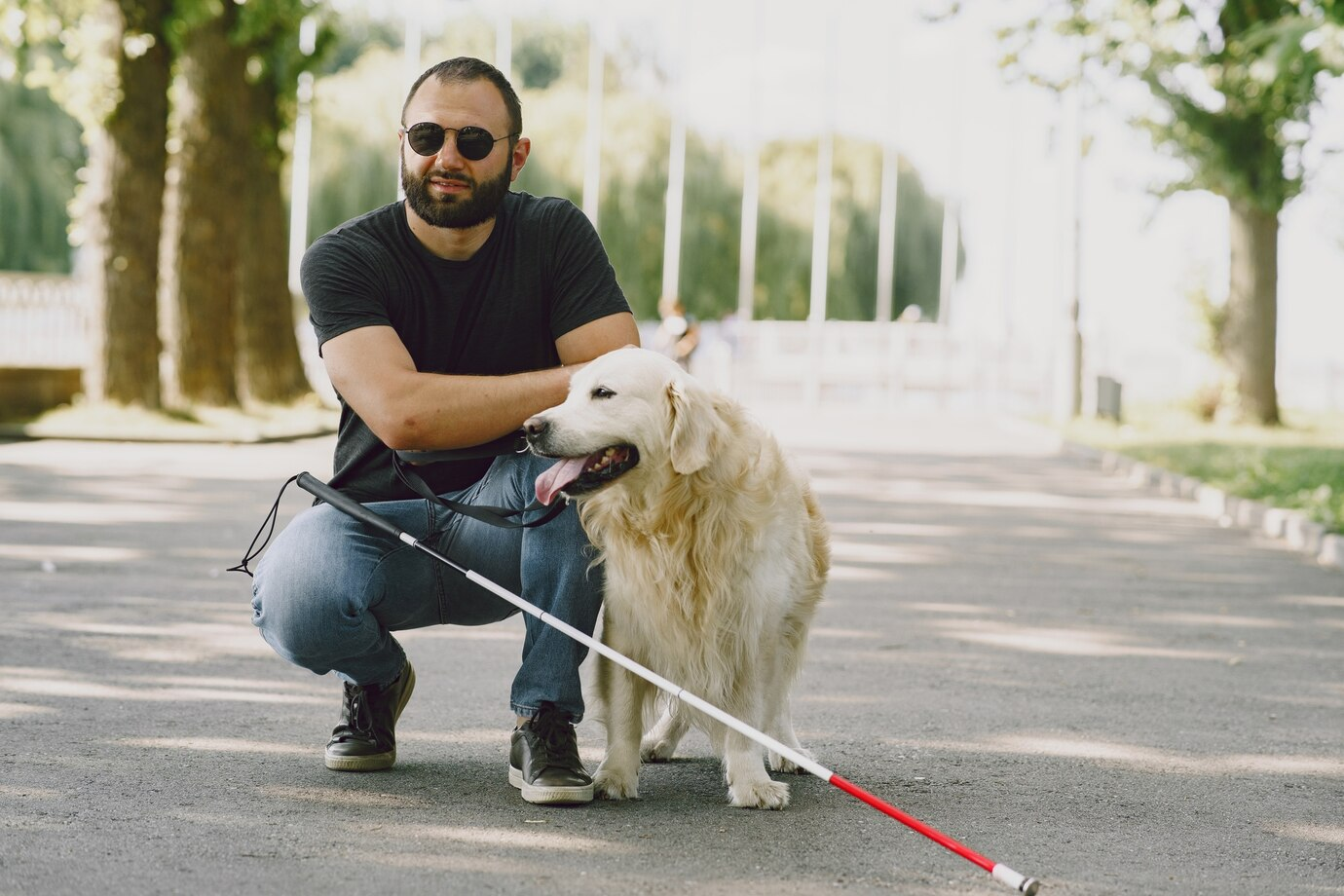
Under the ADA, a service animal is defined as a dog (and in some cases, a miniature horse) that is individually trained to perform tasks or do work for the benefit of a person with a disability. These tasks must be directly related to the person’s disability. Examples include guiding a person who is blind, alerting someone who is deaf, pulling a wheelchair, or calming a person with PTSD during anxiety attacks.

The emphasis is on what the animal does, not how or where it was trained.

Professional Training Not Required

The ADA does not mandate that service animals be trained by a professional service animal organization. In fact, individuals are legally permitted to train their own service animals. The law acknowledges that disabilities and individual needs are diverse, and thus allows flexibility in how a dog is prepared to assist its handler.

This distinction is critical because it ensures that people who may not have the financial resources for professional training programs still have access to the benefits of a service animal. Some organizations charge thousands of dollars for professionally trained service dogs, which may be inaccessible to many individuals. The ADA’s stance promotes equity and inclusion by removing that financial barrier.

Discover: What Does It Take To Train a Service Dog?

What Is Required?

While professional training is not a requirement, the ADA does require that service animals be under control at all times, typically via a harness, leash, or tether unless those interfere with the service animal’s tasks. The animal must also be housebroken and non-aggressive. Businesses and public spaces may ask two questions to determine whether a dog is a service animal:

  1. Is the dog a service animal required because of a disability?
  2. What work or task has the dog been trained to perform?

They may not ask for documentation or proof of training, nor can they require the dog to demonstrate its task.

Conclusion

The ADA’s flexible approach recognizes the diverse needs of individuals with disabilities by allowing service animals to be trained by their owners rather than requiring expensive or formal certification. The core criterion is that the animal performs a specific task related to a person’s disability — not the prestige of its training program. This policy ensures broader access to vital support and upholds the civil rights of people with disabilities.


Do you own an assistance animal? Register your pet today.  The Service Animal Registry of California invites you to have your assistance animal registered in order to designate its status. We also encourage you to take our online classes so you can be fully aware of your rights and gain more knowledge about your support animal.

Finally, we present to you our book entitled, “ASSISTANCE ANIMAL LAWS: LEARN YOUR RIGHTS REGARDING SERVICE ANIMALS, EMOTIONAL SUPPORT ANIMALS, THERAPY PETS, AND OTHER DOGS, CATS, AND ASSISTANCE ANIMALS” to provide you with a complete education on assistance animals. Purchase your copy of the book by clicking the image below. 
The Science Behind How Therapy Dogs Reduce Anxiety in Children

Anxiety is a growing concern among children, affecting their emotional well-being, social interactions, and academic performance. While traditional treatments such as therapy and medication can be effective, researchers have discovered another powerful tool in reducing anxiety: therapy dogs. These specially trained animals provide comfort, companionship, and emotional support, offering children a unique way to manage stress and fear. But how exactly do therapy dogs help reduce anxiety in children? Science provides compelling answers.

The Role of Oxytocin: The “Love Hormone”

One of the primary ways therapy dogs help alleviate anxiety is by stimulating the release of oxytocin, often referred to as the “love hormone” or “bonding hormone.” When children interact with therapy dogs—through petting, hugging, or even just being near them—their bodies release oxytocin, which is known to reduce stress and promote feelings of trust and security.

Studies show that oxytocin plays a crucial role in lowering cortisol levels, the hormone responsible for stress. High cortisol levels are linked to increased anxiety, but when oxytocin is released, it counteracts cortisol’s effects, helping children feel more relaxed and at ease. This hormonal response explains why therapy dogs can have an immediate calming effect on anxious children.

Discover: Service Dogs and the Power of Nonverbal Support

Heart Rate and Blood Pressure Reduction

Scientific research also indicates that therapy dogs help regulate physiological responses to stress. Children with anxiety often experience elevated heart rates and blood pressure due to the body’s natural fight-or-flight response. However, spending time with a therapy dog has been shown to lower both heart rate and blood pressure, signaling a shift from a state of stress to one of relaxation.

A study published in Frontiers in Psychology found that interacting with therapy animals leads to measurable reductions in physiological stress markers. This means that therapy dogs don’t just help children feel calmer emotionally—they actually help their bodies respond to stress in a healthier way.

Emotional Regulation and Coping Skills

Children with anxiety often struggle with emotional regulation, finding it difficult to calm themselves when faced with stressful situations. Therapy dogs serve as an effective coping mechanism by providing unconditional support and non-judgmental companionship. The simple act of petting a dog can be grounding, helping children shift their focus from anxious thoughts to the present moment.

Additionally, therapy dogs can be incorporated into cognitive-behavioral therapy (CBT), a common treatment for anxiety disorders. For example, a child who is afraid of social situations may feel more confident speaking in a group when a therapy dog is present, gradually building social skills in a supportive environment.

Discover: How Do Pets Help Children Develop Emotional Intelligence?

Encouraging Social Interaction and Confidence

Children with anxiety, particularly social anxiety, often feel isolated or struggle with communication. Therapy dogs help bridge this gap by serving as a social catalyst. Research shows that children are more likely to engage in conversation and interact with others when a therapy dog is present. This increased social engagement can boost confidence and decrease feelings of loneliness, both of which contribute to reduced anxiety levels.

Read more: Can Pets Help Children With Their Emotional and Social Skills?

Conclusion

The science behind therapy dogs and their ability to reduce anxiety in children is rooted in hormonal, physiological, and emotional mechanisms. By increasing oxytocin levels, lowering cortisol, reducing heart rate and blood pressure, and providing emotional support, therapy dogs offer a natural and effective way to help children manage anxiety. As more research continues to highlight their benefits, therapy dogs are becoming a valuable tool in schools, hospitals, and therapeutic settings, providing comfort and healing to children in need.


Do you own an assistance animal? Register your pet today.

The Service Animal Registry of California invites you to have your assistance animal registered in order to designate its status. We also encourage you to take our online classes so you can be fully aware of your rights and gain more knowledge about your support animal.

Finally, we present to you our book entitled, “ASSISTANCE ANIMAL LAWS: LEARN YOUR RIGHTS REGARDING SERVICE ANIMALS, EMOTIONAL SUPPORT ANIMALS, THERAPY PETS, AND OTHER DOGS, CATS, AND ASSISTANCE ANIMALS” to provide you with a complete education on assistance animals.

Purchase your copy of the book by clicking the image below.
Addressing Common Misconceptions About Service Animals

Service animals play a vital role in assisting individuals with disabilities, yet many misconceptions persist about their purpose, training, and legal protections. These misunderstandings can lead to discrimination, accessibility challenges, and confusion about the rights of service animal handlers. By addressing these misconceptions, we can foster a more inclusive society and ensure that service animals can perform their essential duties without unnecessary obstacles.

Misconception #1: Service Animals Are the Same as Emotional Support Animals

One of the most common misconceptions is that service animals and emotional support animals (ESAs) serve the same purpose. While both provide comfort and assistance, there is a key difference. Service animals, typically dogs, are specially trained to perform specific tasks that mitigate their handler’s disability. These tasks can include guiding individuals with visual impairments, detecting seizures, or retrieving objects for someone with mobility challenges.

In contrast, ESAs provide emotional support and companionship but do not require specialized training to perform tasks. Unlike service animals, ESAs are not granted public access rights under the Americans with Disabilities Act (ADA), meaning they are not permitted in places like restaurants, stores, or workplaces unless specifically allowed by business policies.

Misconception #2: Service Animals Must Wear a Vest or Identification

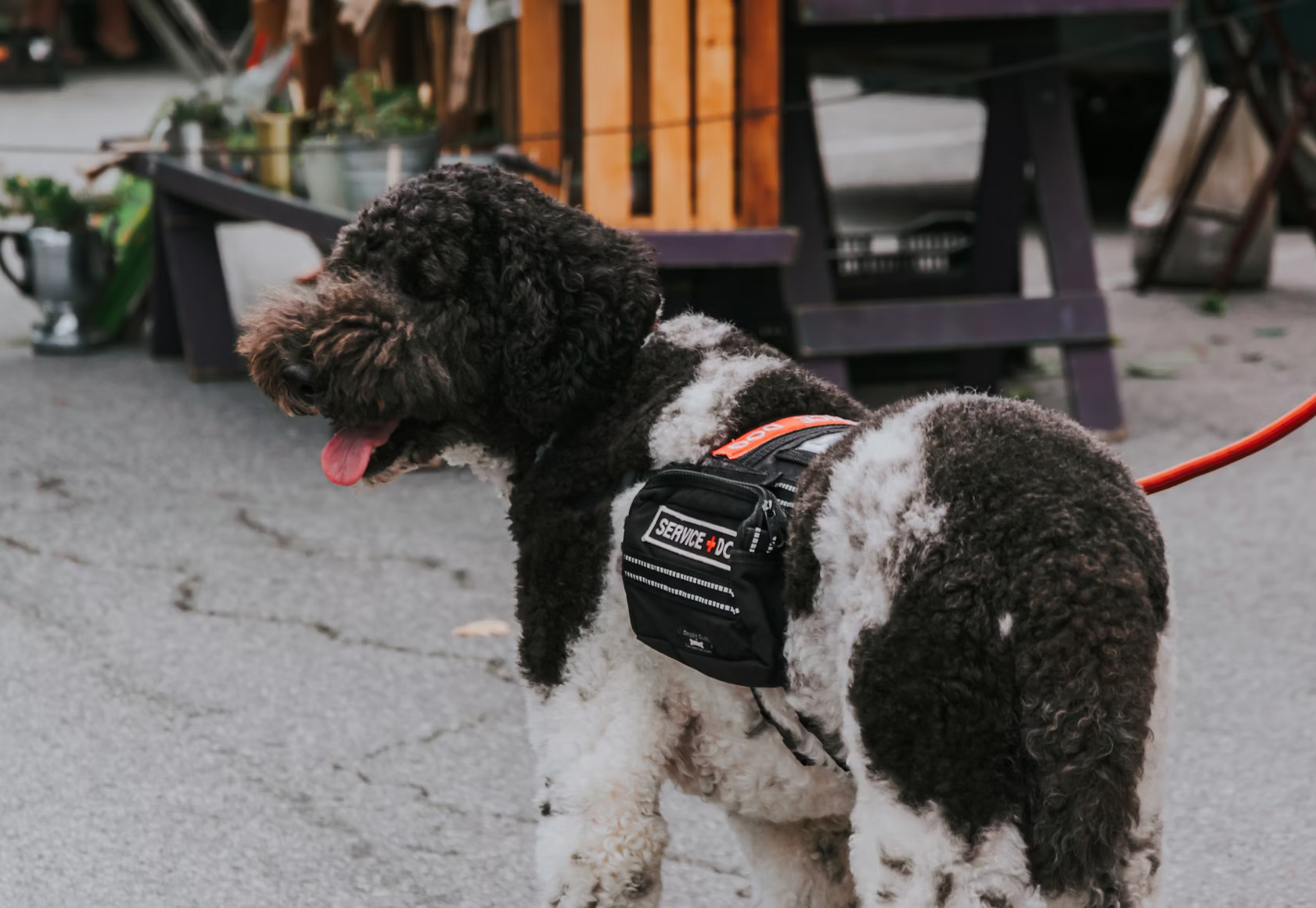
Another widespread myth is that service animals must wear a vest, harness, or identification badge to verify their status. While many handlers choose to use these identifiers for visibility and convenience, the ADA does not require service animals to wear any special gear. Businesses and the general public cannot demand proof of certification or documentation. They are only permitted to ask two questions:

  • Is the animal required because of a disability?
  • What task has the animal been trained to perform?

This ensures that individuals with disabilities are not burdened with unnecessary requirements when accessing public spaces.

Misconception #3: Any Dog Can Be a Service Animal

While any breed of dog can be trained as a service animal, not every dog is suited for the role. Service animals must undergo extensive training to ensure they can remain calm, focused, and responsive in various environments. This training typically takes months or even years, depending on the tasks required.

Moreover, service animals must exhibit excellent temperament and behavior. Aggressive, fearful, or easily distracted dogs are generally not suitable candidates. Professional trainers often assess a dog’s personality and capabilities before beginning training to ensure it meets the necessary standards.

Read more: How Do You Tell if a Dog Would Be a Good Service Dog?

Misconception #4: Service Animals Are Only for People with Visible Disabilities

Many people assume that service animals only assist individuals with physical disabilities, such as those who use wheelchairs or are visually impaired. However, service animals also provide crucial support for individuals with non-visible disabilities, including psychiatric conditions, autism, epilepsy, and diabetes. For example, a service dog might detect an oncoming seizure or alert a person with diabetes to dangerously low blood sugar levels.

By recognizing that disabilities are not always visible, society can better respect and accommodate service animal handlers.

Conclusion

Service animals play a crucial role in enhancing the independence and quality of life of individuals with disabilities. Dispelling common myths about their purpose, training, and rights is essential to fostering a more inclusive and understanding society. By educating the public and promoting awareness, we can ensure that service animals and their handlers receive the respect and access they deserve.


Do you own an assistance animal? Register your pet today.  The Service Animal Registry of California invites you to have your assistance animal registered in order to designate its status. We also encourage you to take our online classes so you can be fully aware of your rights and gain more knowledge about your support animal.

Finally, we present to you our book entitled, “ASSISTANCE ANIMAL LAWS: LEARN YOUR RIGHTS REGARDING SERVICE ANIMALS, EMOTIONAL SUPPORT ANIMALS, THERAPY PETS, AND OTHER DOGS, CATS, AND ASSISTANCE ANIMALS” to provide you with a complete education on assistance animals. Purchase your copy of the book by clicking the image below. 

The Importance of Early Socialization for Service Dogs

Service dogs play a vital role in assisting individuals with disabilities, providing support for mobility, medical alerts, psychiatric conditions, and more. To ensure they perform their tasks effectively, early socialization is crucial. Proper socialization from a young age helps service dogs develop the confidence, adaptability, and reliability needed to navigate various environments while remaining focused on their handler’s needs.

What is Early Socialization?

Early socialization refers to the process of exposing young service dog candidates to a variety of people, environments, sounds, and situations in a controlled and positive manner. This period, typically between 3 and 16 weeks of age, is a critical developmental stage during which puppies form lasting impressions of the world around them. Well-socialized puppies are more likely to grow into calm, adaptable, and well-behaved service dogs, whereas insufficient exposure can lead to fearfulness, anxiety, or reactivity.

Benefits of Early Socialization for Service Dogs

Confidence Building

Service dogs must remain calm and composed in different environments, from crowded public spaces to quiet hospitals. Early exposure to varied situations, including busy streets, shopping centers, and public transportation, helps them develop confidence and reduces the likelihood of fear-based reactions.

Adaptability

A well-socialized service dog can adjust to new places and situations with ease. They must be comfortable around wheelchairs, elevators, different flooring textures, and sudden noises like sirens or alarms. The more diverse their experiences as puppies, the better they will handle unexpected challenges as adults.

Improved Focus and Obedience

Service dogs must maintain their focus on their handler despite distractions. Early socialization helps them learn to ignore external stimuli, such as other animals, loud noises, or unfamiliar people, ensuring they remain attentive to their tasks.

Read more: 7 Commands to Teach a Service Dog

Positive Human Interaction

Service dogs interact with a variety of people, including their handlers, trainers, medical personnel, and the public. Early socialization ensures they develop a friendly yet disciplined demeanor, understanding when to be social and when to focus on their work.

Reduced Fear and Anxiety

Fearful or anxious dogs are not suitable for service work. Early exposure to different environments and situations helps prevent phobias, making the dog more resilient in handling stressful circumstances without reacting negatively.

How to Socialize a Service Dog Puppy

Expose to Diverse Environments – Take the puppy to different locations such as parks, malls, train stations, and offices to familiarize them with various surroundings.

Introduce to Different People – Allow the puppy to meet people of all ages, ethnicities, and appearances, including individuals using mobility aids or wearing uniforms.

Encourage Gentle Interactions – Teach the puppy to remain calm and focused even when being petted or approached by strangers.

Familiarize with Sounds and Surfaces – Gradually introduce noises like sirens, applause, and traffic, as well as different surfaces like carpet, tiles, and metal grates.

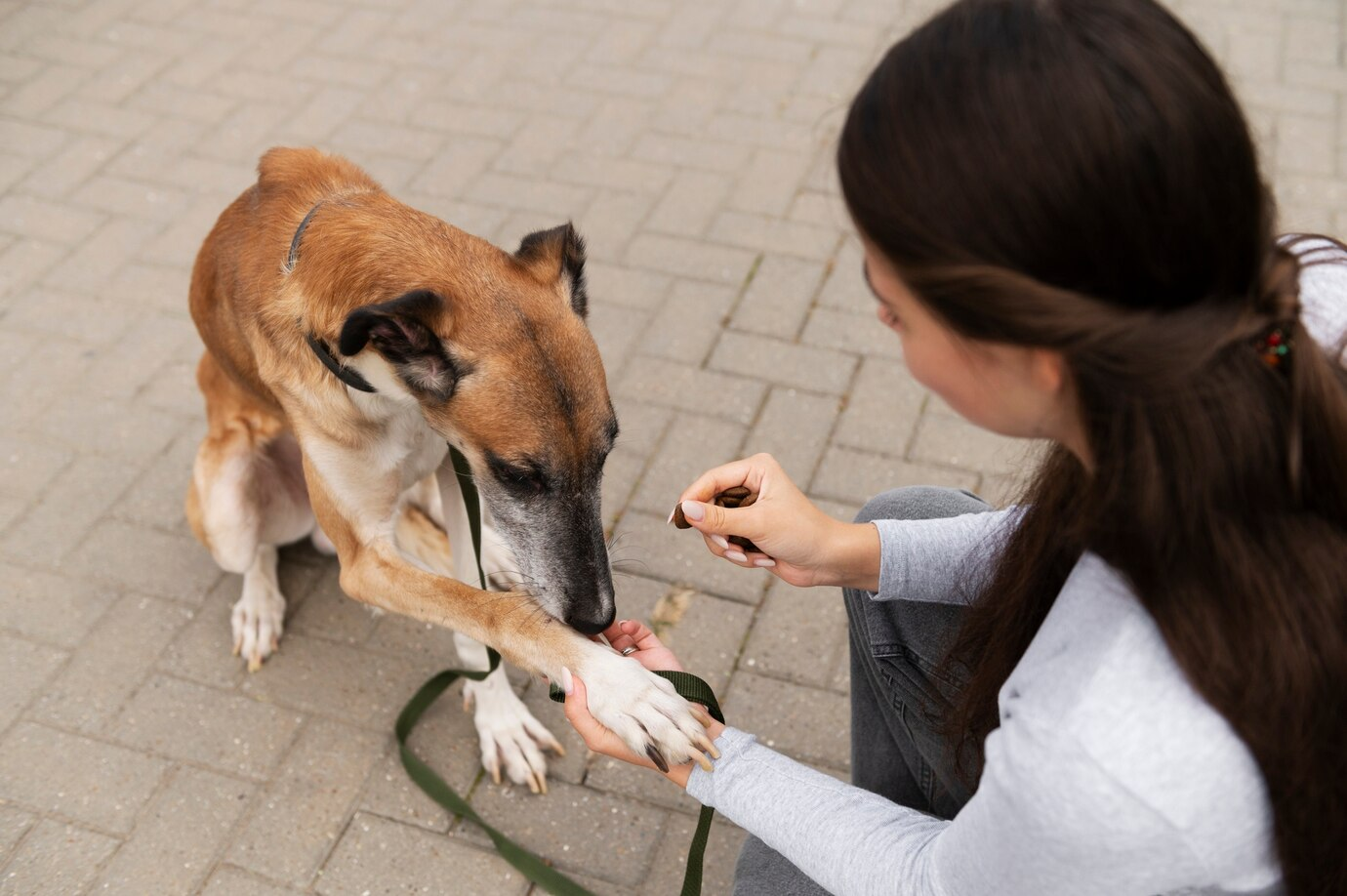
Positive Reinforcement – Reward the puppy with treats and praise for calm and confident behavior, reinforcing positive experiences.

Conclusion

Early socialization is a fundamental component of service dog training, shaping the puppy into a well-adjusted, confident, and reliable companion. By exposing service dog candidates to diverse environments and experiences at a young age, trainers set them up for success in their future roles, ensuring they can effectively support their handlers in any situation. Investing in proper socialization ultimately leads to service dogs that are more capable, trustworthy, and prepared for their important duties.

Discover more related articles below:


Do you own an assistance animal? Register your pet today.  The Service Animal Registry of California invites you to have your assistance animal registered in order to designate its status. We also encourage you to take our online classes so you can be fully aware of your rights and gain more knowledge about your support animal.

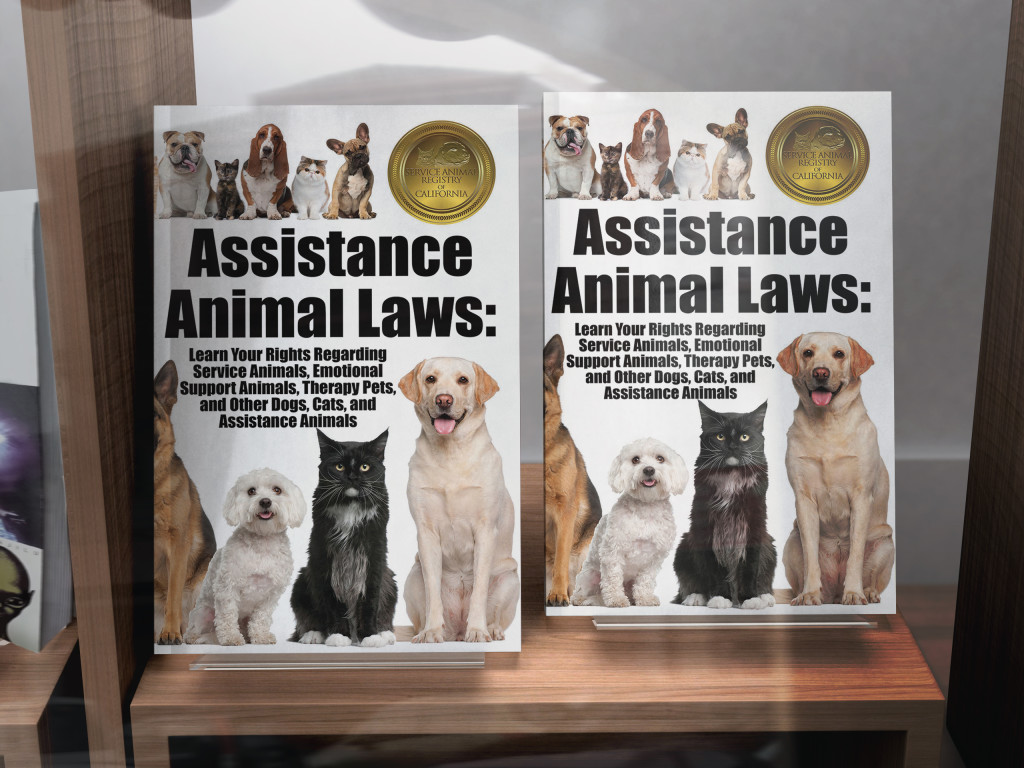
Finally, we present to you our book entitled, “ASSISTANCE ANIMAL LAWS: LEARN YOUR RIGHTS REGARDING SERVICE ANIMALS, EMOTIONAL SUPPORT ANIMALS, THERAPY PETS, AND OTHER DOGS, CATS, AND ASSISTANCE ANIMALS” to provide you with a complete education on assistance animals. Purchase your copy of the book by clicking the image below. 
How to Handle Discrimination as a Service Animal Owner in California

Service animals play a vital role in the lives of individuals with disabilities, providing essential support and improving their quality of life. In California, service animal owners are protected under both federal and state laws, including the Americans with Disabilities Act (ADA) and the California Unruh Civil Rights Act. However, despite these protections, discrimination against service animal owners still occurs. Knowing how to handle such situations is crucial to ensuring your rights are upheld.

Understand Your Rights

The first step in handling discrimination is understanding your legal rights. Under the ADA, service animals are defined as dogs (or miniature horses in some cases) that are trained to perform specific tasks for individuals with disabilities. These tasks can include guiding the visually impaired, alerting individuals with hearing impairments, pulling wheelchairs, or providing psychiatric support. California law aligns with the ADA but also extends protections to emotional support animals in certain contexts, such as housing.

Businesses, including restaurants, hotels, and stores, are required to allow service animals to accompany their owners in all public areas. They cannot charge extra fees, require documentation, or ask intrusive questions about your disability. However, they may ask two specific questions: (1) Is the animal required because of a disability? and (2) What task has the animal been trained to perform?

Read more: What Are the Rights of People Using Service Animals?

Responding to Discrimination

If you encounter discrimination, remain calm and assertive. Politely educate the individual or business about your rights under the ADA and California law. For example, if a restaurant refuses to allow your service animal inside, explain that this is a violation of state and federal law. Many instances of discrimination stem from ignorance rather than malice, and a respectful conversation can often resolve the issue.

If the situation escalates or the business refuses to comply, document the incident. Take notes, gather witness statements, and, if possible, record the interaction (California is a two-party consent state, so inform the other party if you are recording). This documentation can be invaluable if you decide to pursue legal action.

Filing a Complaint

If informal resolution is not possible, you can file a complaint with the appropriate authorities. In California, you can report discrimination to the California Department of Fair Employment and Housing (DFEH) or the U.S. Department of Justice (DOJ). Both agencies investigate complaints related to service animal discrimination and can take action against violators.

Additionally, you may consider filing a lawsuit under the Unruh Civil Rights Act, which allows for damages of up to three times the amount of actual damages (with a minimum of $4,000) for each violation. Consulting with an attorney who specializes in disability rights can help you navigate the legal process and ensure your case is strong.

Seek Support

Facing discrimination can be emotionally taxing. Reach out to local disability advocacy groups or organizations like Disability Rights California for support and guidance. These groups can provide resources, legal advice, and emotional support to help you through the process.

Read more: The Power of Advocating for Emotional Support Animals

Educate Others

Finally, consider using your experience as an opportunity to educate others. Many people are unaware of the laws surrounding service animals, and raising awareness can help prevent future discrimination. Share your story on social media, write to local businesses, or participate in community events to promote understanding and inclusivity.

Read more: 6 Effective Ways to Raise Awareness About Service Animals

Final Thoughts

While discrimination against service animal owners in California is illegal, it still happens. By knowing your rights, responding calmly, documenting incidents, and seeking support, you can effectively handle discrimination and advocate for yourself and others in the disability community.


Do you own an assistance animal? Register your pet today.  The Service Animal Registry of California invites you to have your assistance animal registered in order to designate its status. We also encourage you to take our online classes so you can be fully aware of your rights and gain more knowledge about your support animal.

Finally, we present to you our book entitled, “ASSISTANCE ANIMAL LAWS: LEARN YOUR RIGHTS REGARDING SERVICE ANIMALS, EMOTIONAL SUPPORT ANIMALS, THERAPY PETS, AND OTHER DOGS, CATS, AND ASSISTANCE ANIMALS” to provide you with a complete education on assistance animals. Purchase your copy of the book by clicking the image below. 
Service Animals in the Workplace: How Businesses Can Be More Inclusive

Service animals play a vital role in assisting individuals with disabilities, helping them navigate daily tasks and ensuring their independence. As workplaces strive to become more inclusive, accommodating service animals is an essential step in fostering a diverse and supportive work environment. Businesses can take proactive measures to integrate service animals into the workplace while ensuring the comfort and productivity of all employees.

Understanding Service Animals

Under the Americans with Disabilities Act (ADA), a service animal is defined as a dog (or, in rare cases, a miniature horse) that is individually trained to perform specific tasks for a person with a disability. These tasks can include guiding individuals who are blind, alerting those who are deaf, retrieving objects, assisting with mobility, or even detecting medical conditions such as seizures or low blood sugar. Unlike emotional support animals, service animals are granted legal protections that allow them to accompany their owners in most public and workplace settings.

Legal Considerations for Employers

Employers must comply with the ADA, which mandates reasonable accommodations for employees with disabilities, including allowing service animals in the workplace. However, businesses must also balance these accommodations with the needs of other employees. Here are some key legal considerations:

  • No Extra Fees – Employers cannot charge an employee for having a service animal in the workplace.
  • Verification Requests – Employers can ask if an animal is required due to a disability and what tasks it is trained to perform but cannot request medical documentation or demand proof of certification.
  • Workplace Adjustments – Employers may need to make reasonable modifications to policies or physical spaces to accommodate the service animal.
  • Safety Concerns – If a service animal poses a direct threat to workplace safety or fundamentally alters operations, employers may explore alternative accommodations.

Creating an Inclusive Work Environment

Businesses should take steps to ensure a smooth transition when an employee brings a service animal into the workplace. Some strategies include:

  • Educating Employees – Conduct training sessions to help staff understand the role of service animals, their legal rights, and how to interact with them appropriately. Employees should be reminded not to distract or pet the service animal while it is working.
  • Establishing Clear Policies – Create guidelines that outline expectations for employees with service animals, including designated relief areas and behavioral standards.
  • Addressing Allergies and Phobias – If colleagues have allergies or fear of dogs, employers can make reasonable accommodations, such as adjusting seating arrangements or providing air purifiers.
  • Maintaining Open Communication – Employers should have an ongoing dialogue with both the employee using a service animal and their coworkers to address concerns and ensure a positive working environment.

Read more: The Power of Advocating for Emotional Support Animals

The Benefits of Service Animal Inclusion

Integrating service animals into the workplace benefits both the employee and the organization. Employees with service animals can perform their jobs with greater independence and confidence, leading to increased productivity. Additionally, fostering inclusivity enhances a company’s reputation, attracts diverse talent, and reinforces a culture of support and equality.

Final Thoughts

By embracing service animals in the workplace, businesses demonstrate their commitment to diversity, equity, and inclusion. Taking proactive measures to accommodate service animals not only upholds legal obligations but also strengthens workplace morale and accessibility for all employees.


Do you own an assistance animal? Register your pet today.  The Service Animal Registry of California invites you to have your assistance animal registered in order to designate its status. We also encourage you to take our online classes so you can be fully aware of your rights and gain more knowledge about your support animal.

Finally, we present to you our book entitled, “ASSISTANCE ANIMAL LAWS: LEARN YOUR RIGHTS REGARDING SERVICE ANIMALS, EMOTIONAL SUPPORT ANIMALS, THERAPY PETS, AND OTHER DOGS, CATS, AND ASSISTANCE ANIMALS” to provide you with a complete education on assistance animals. Purchase your copy of the book by clicking the image below. 
What Happens If You Misrepresent a Service Animal? Here’s What You Need to Know

Service animals play a vital role in assisting individuals with disabilities, providing them with independence, security, and support in their daily lives. However, the misrepresentation of service animals has become a growing issue, leading to legal, ethical, and social consequences. If you are considering misrepresenting a pet as a service animal, here’s what you need to know about the potential repercussions.

Understanding What a Service Animal Is

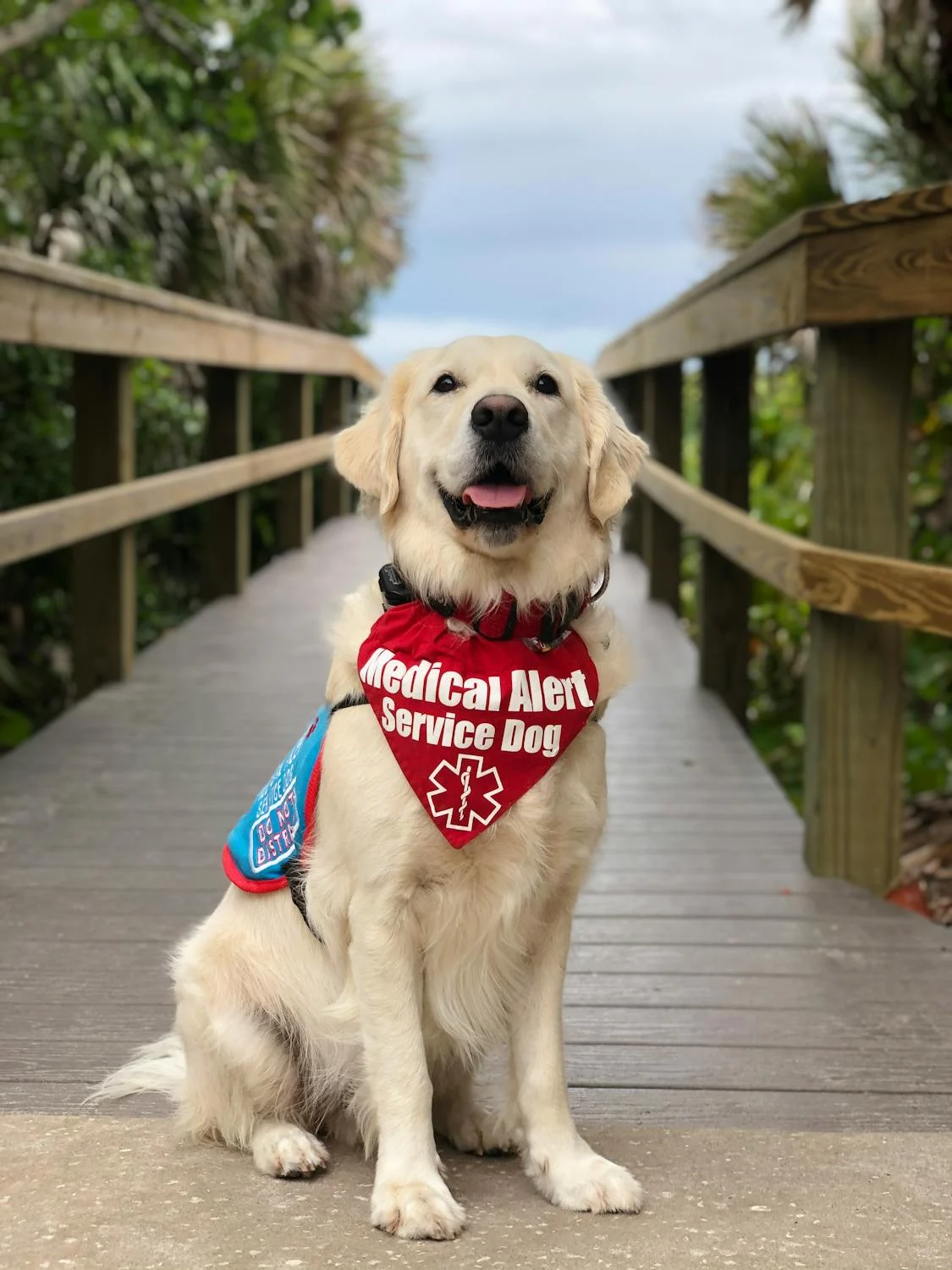
A service animal is defined by the Americans with Disabilities Act (ADA) as a dog (or in some cases, a miniature horse) that is specifically trained to perform tasks that mitigate an individual’s disability. These animals are different from emotional support animals (ESAs) and therapy animals, which do not have the same legal rights and protections. Service animals undergo extensive training to assist with tasks such as guiding individuals who are blind, alerting those who are deaf, detecting seizures, and helping individuals with mobility impairments.

Legal Consequences of Misrepresentation

Falsely claiming an animal as a service animal can lead to serious legal consequences. Many states have enacted laws making it illegal to misrepresent a pet as a service animal. Penalties vary by state but can include:

  • Fines: Some states impose fines ranging from $100 to $1,000 for individuals caught misrepresenting a pet as a service animal.
  • Criminal Charges: In certain states, falsely claiming an animal as a service animal can result in misdemeanor charges, which may lead to court appearances and even jail time.
  • Community Service: Some jurisdictions require offenders to complete community service as part of their penalty.

Federal law under the ADA does not criminalize misrepresentation, but it does allow businesses to deny access to individuals with fraudulent claims. Furthermore, violating state laws can result in a criminal record, which can have lasting effects on employment and personal reputation.

Ethical and Social Consequences

Beyond the legal ramifications, misrepresenting a service animal creates significant ethical and social problems. Fraudulent service animals can disrupt the public perception of legitimate service animals, leading to increased skepticism and discrimination against individuals who genuinely rely on them. If a falsely claimed service animal misbehaves in public, businesses may become more hesitant to accommodate real service animals, making it harder for individuals with disabilities to receive the access they are legally entitled to.

Discover: How to Distinguish a Fake Service Dog From a Real One

Impact on Legitimate Service Animals and Their Handlers

When untrained animals pose as service animals, they can cause disruptions, including:

  • Aggressive Behavior: Untrained animals may act aggressively toward people or other animals, putting others at risk.
  • Disruptions in Public Spaces: Fake service animals can bark excessively, cause property damage, or create unsafe environments.
  • Hindrance to Genuine Service Animals: Poorly behaved pets posing as service animals can lead to increased restrictions or challenges for legitimate service animals and their handlers.

How to Report Misrepresentation

If you suspect someone is misrepresenting a pet as a service animal, you can report it to local authorities, business management, or state agencies overseeing disability rights. While it’s important to avoid wrongful accusations, businesses and the public should be aware of their rights in handling suspected cases of fraud.

Conclusion

Misrepresenting a pet as a service animal is not only illegal in many states but also unethical and harmful to those who truly depend on these animals. The increasing instances of fraudulent service animal claims jeopardize the integrity of legitimate service animal programs and create unnecessary challenges for individuals with disabilities. Understanding the laws and ethical implications surrounding service animals is essential for fostering a society that supports and respects those who genuinely rely on them. Instead of misrepresenting a pet, individuals should explore alternative options, such as emotional support animals, which have their own set of legal protections and accommodations in certain settings.


Do you own an assistance animal? Register your pet today.

The Service Animal Registry of California invites you to have your assistance animal registered in order to designate its status. We also encourage you to take our online classes so you can be fully aware of your rights and gain more knowledge about your support animal.

Finally, we present to you our book entitled, “ASSISTANCE ANIMAL LAWS: LEARN YOUR RIGHTS REGARDING SERVICE ANIMALS, EMOTIONAL SUPPORT ANIMALS, THERAPY PETS, AND OTHER DOGS, CATS, AND ASSISTANCE ANIMALS” to provide you with a complete education on assistance animals.

Purchase your copy of the book by clicking the image below.

The Essential Guide to Preparing Your Home for a Service Dog

Bringing a service dog into your home is a life-changing experience that requires careful preparation. These highly trained animals provide invaluable assistance, whether for mobility support, medical alerts, or emotional well-being. Ensuring that your home is a safe, comfortable, and welcoming environment will help your service dog adjust quickly and perform its duties effectively. Here’s a comprehensive guide to preparing your home for a service dog.

1. Create a Safe and Accessible Space

A service dog needs a designated area where it can rest, eat, and feel secure. Choose a quiet spot in your home for your dog’s bed, preferably in a low-traffic area where it won’t be disturbed. Make sure the floor is free of hazards such as loose wires, slippery rugs, or sharp objects that could cause injury. If you have stairs, ensure they are safe and easy for your dog to navigate, or provide an alternative access point.

2. Remove Potential Hazards

Just like childproofing a home, it’s essential to dog-proof your living space. Secure toxic substances such as household cleaners, medications, and certain foods (like chocolate or grapes) out of reach. Hide electrical cords to prevent chewing and ensure that trash cans are covered to avoid potential ingestion of harmful items. If you have houseplants, check that they are non-toxic to dogs.

3. Organize Essential Supplies

Having the right supplies on hand will make the transition smoother. Essential items include:

  • Food and Water Bowls: Sturdy, non-slip bowls to prevent spills.
  • Leash and Harness: A comfortable, well-fitting harness for outings.
  • Crate or Bed: A cozy resting space where your dog can relax.
  • Toys and Chews: Mentally stimulating items to keep your dog engaged.
  • Grooming Supplies: Brushes, nail clippers, and dog-safe shampoo for regular upkeep.
  • First Aid Kit: Basic medical supplies for minor injuries.

4. Establish House Rules and Routines

Service dogs thrive on structure and consistency. Set up a daily routine for feeding, bathroom breaks, training, and exercise. Establish clear household rules, such as areas where the dog is allowed and any commands that family members should use consistently. If you have other pets, introduce them gradually and monitor their interactions to ensure a positive relationship.

5. Prepare for Public Access Training

Service dogs accompany their handlers in public spaces, so it’s essential to maintain a home environment that supports their training. Reinforce commands, discourage distractions, and ensure that guests understand the dog’s role. Unlike pets, service dogs should not be encouraged to seek attention from others, as they must remain focused on their handler’s needs.

6. Communicate with Household Members

Everyone in the home should understand the responsibilities that come with having a service dog. Educate family members and visitors about appropriate interactions, including not petting or distracting the dog while it’s working. This ensures a respectful and supportive environment for both the dog and its handler.

Conclusion

Preparing your home for a service dog is an important step in ensuring a smooth transition and a strong partnership. By creating a safe environment, gathering essential supplies, establishing routines, and educating household members, you can help your service dog thrive in its new home. With proper preparation, your service dog will be ready to provide the invaluable assistance and companionship that makes them such a vital part of your life.

Explore additional articles about service animals below:


Do you own an assistance animal? Register your pet today.  The Service Animal Registry of California invites you to have your assistance animal registered in order to designate its status. We also encourage you to take our online classes so you can be fully aware of your rights and gain more knowledge about your support animal.

Finally, we present to you our book entitled, “ASSISTANCE ANIMAL LAWS: LEARN YOUR RIGHTS REGARDING SERVICE ANIMALS, EMOTIONAL SUPPORT ANIMALS, THERAPY PETS, AND OTHER DOGS, CATS, AND ASSISTANCE ANIMALS” to provide you with a complete education on assistance animals. Purchase your copy of the book by clicking the image below. 

What Does It Take To Train a Service Dog?

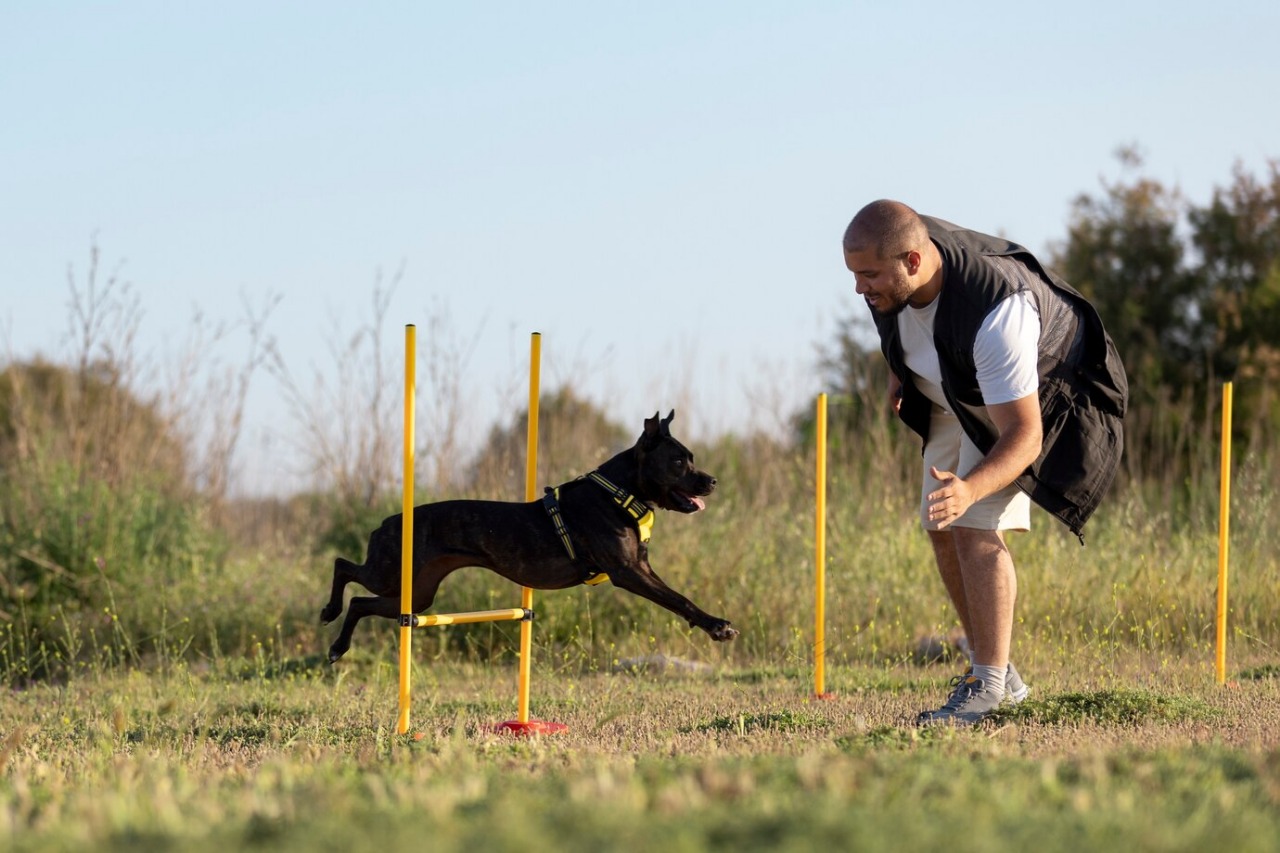
Training a service dog is a complex and time-intensive process that requires dedication, patience, and specialized knowledge. Service dogs are trained to assist individuals with disabilities by performing specific tasks that enhance their quality of life and independence. Unlike pets, these highly skilled dogs must undergo rigorous training to ensure they can reliably support their handlers in various situations.

Selection Process

Not every dog is suitable for service work. The training process begins with selecting the right candidate. Breeds commonly used for service work include Labrador Retrievers, Golden Retrievers, and German Shepherds due to their intelligence, temperament, and trainability. However, other breeds can also be trained depending on the specific needs of the handler.

A potential service dog must demonstrate qualities such as a calm demeanor, strong focus, adaptability, and a willingness to learn. Puppies are usually chosen at a young age and evaluated for their temperament and potential to handle the demands of service work.

Read more: How Do You Tell if a Dog Would Be a Good Service Dog?

Basic Obedience Training

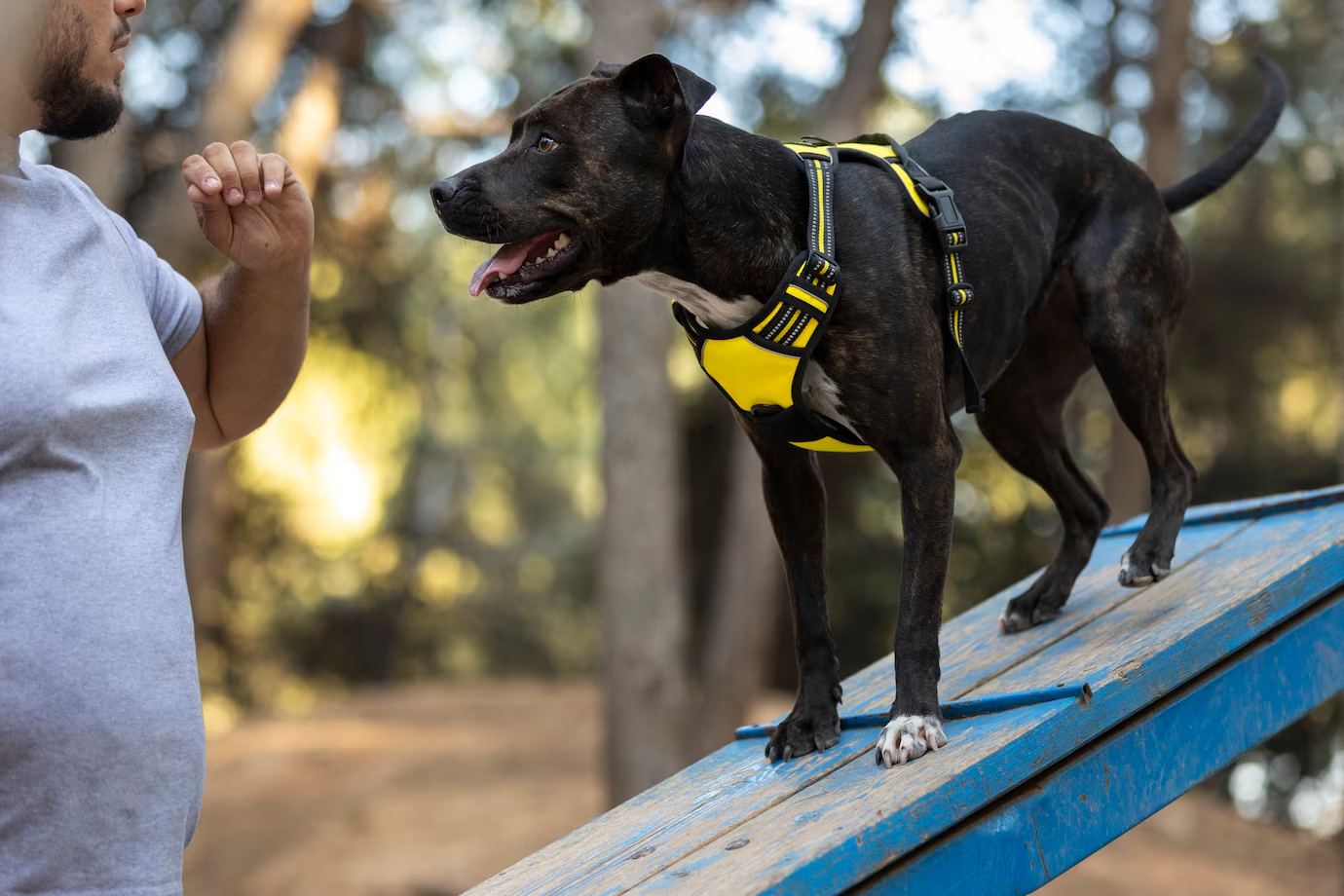
The foundation of a service dog’s training begins with basic obedience. Dogs must master fundamental commands such as sit, stay, come, and heel. Socialization is also a crucial aspect of this phase. Service dogs must be exposed to various environments, people, sounds, and situations to ensure they remain calm and well-behaved in public spaces.

This stage typically lasts several months and serves as the groundwork for more advanced training. Dogs must exhibit excellent manners, follow commands reliably, and remain focused even in distracting situations.

Read more: 7 Commands to Teach a Service Dog

Task-Specific Training

Once a dog has mastered basic obedience, specialized task training begins. The tasks a service dog learns depend on the specific needs of their handler. Some common tasks include:

  • Guide Work: For individuals who are visually impaired, service dogs learn to navigate obstacles and guide their handlers safely.
  • Mobility Assistance: These dogs help individuals with physical disabilities by retrieving objects, opening doors, or providing balance support.
  • Medical Alert: Some service dogs are trained to detect medical conditions such as seizures, low blood sugar, or allergic reactions and alert their handlers accordingly.
  • Psychiatric Support: For individuals with PTSD or anxiety disorders, service dogs can provide deep pressure therapy, interrupt panic attacks, or create a barrier between their handler and crowds.

Training these specialized skills can take anywhere from six months to two years, depending on the complexity of the tasks.

Read more: Essential Tips for Training Therapy Animals

Public Access Training

A crucial aspect of a service dog’s training is learning to behave appropriately in public. Service dogs must remain calm in various environments such as restaurants, airports, and stores. They must not react to distractions, seek attention from strangers, or display aggressive or fearful behaviors.

Public access training ensures that the dog can accompany their handler anywhere legally allowed under the Americans with Disabilities Act (ADA) guidelines.

Final Certification and Ongoing Training

While the U.S. does not require service dogs to be officially certified, many organizations conduct evaluations to ensure the dog meets high standards of behavior and task performance. Even after formal training, service dogs require continuous reinforcement to maintain their skills and reliability.

FAQ: Can a Non-Certified Trainer Provide Training for Service Animals?

Conclusion

Training a service dog is a demanding but rewarding process. It requires commitment, time, and expertise to prepare a dog for the critical role of assisting a person with disabilities. The bond between a service dog and their handler is built on trust and mutual dependence, making these incredible animals essential companions for those who rely on them.


Do you own an assistance animal? Register your pet. 

The Service Animal Registry of California invites you to have your assistance animal registered in order to designate its status. We also encourage you to take our online classes so you can be fully aware of your rights and gain more knowledge about your support animal.

Finally, we present to you our book entitled, “ASSISTANCE ANIMAL LAWS: LEARN YOUR RIGHTS REGARDING SERVICE ANIMALS, EMOTIONAL SUPPORT ANIMALS, THERAPY PETS, AND OTHER DOGS, CATS, AND ASSISTANCE ANIMALS” to provide you with a complete education on assistance animals.

Purchase your copy of the book by clicking the text or image below.