
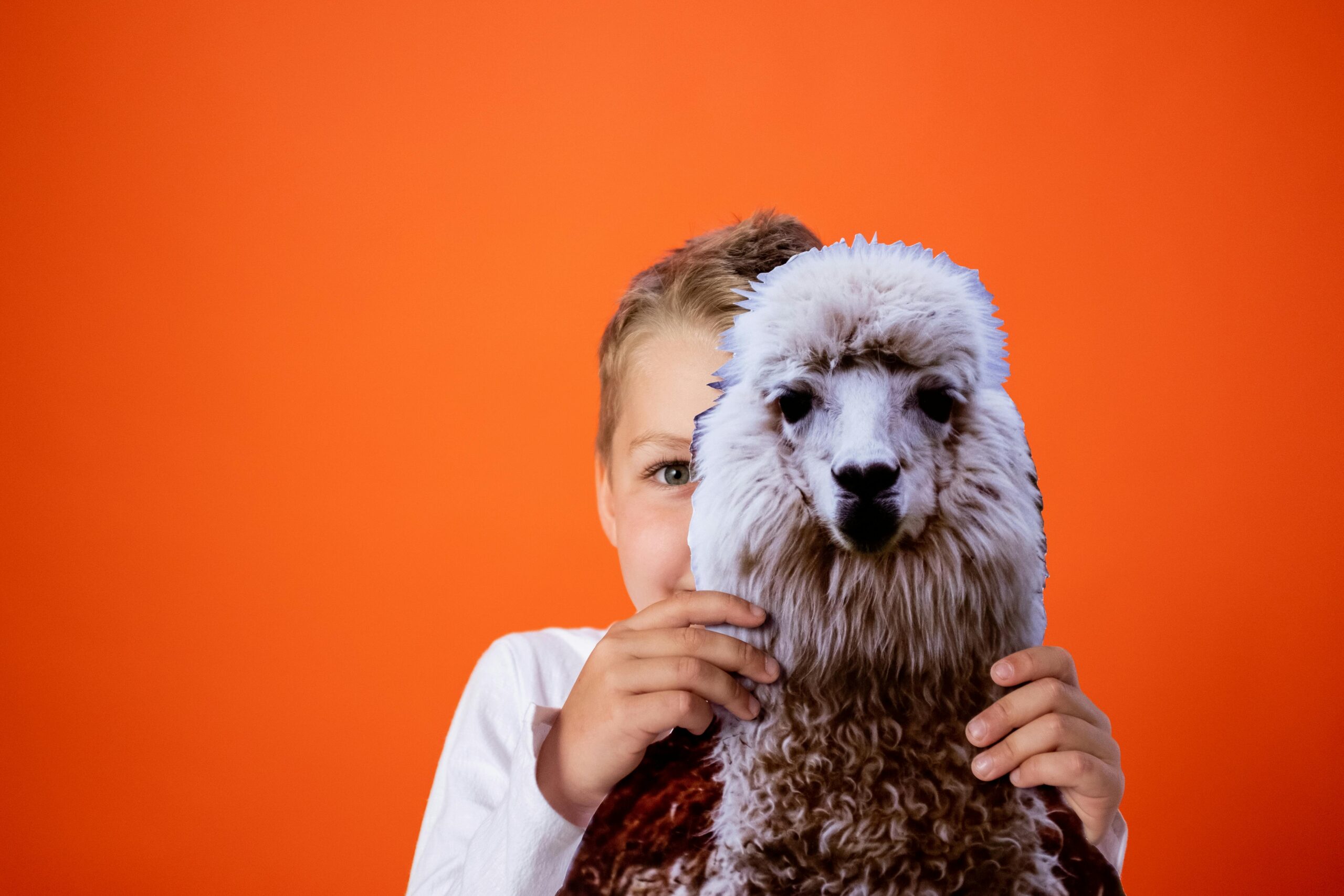
When people think about animals that help children grow emotionally, dogs and horses usually come to mind. But alpacas offer something surprisingly special. Calm, observant, and deeply social, alpacas model behaviors that mirror the very skills we hope to nurture in kids: confidence, emotional awareness, and respectful communication.
By watching how alpacas interact with one another and with people, children can learn powerful lessons about bravery that have nothing to do with being loud or dominant. Instead, they discover that courage often looks quiet, steady, and self-assured.
The Power of Calm Confidence
Alpacas are prey animals, which means they’re naturally alert to their surroundings. Instead of reacting with aggression, they rely on awareness and group safety. They move carefully. They observe first. They act intentionally. For children, this models an important truth: bravery is not about rushing into every situation. It’s about pausing, noticing, and choosing how to respond. A shy child approaching a new group at school can see that confidence doesn’t require being the loudest voice in the room. Sometimes it’s simply standing tall, taking a breath, and stepping forward anyway.
Spending time around alpacas encourages kids to slow down their movements and regulate their energy. If they approach too quickly or loudly, alpacas may step away. Children quickly learn that calm behavior builds trust. That awareness becomes a transferable skill in classrooms, friendships, and team activities.
Understanding Boundaries and Respect
Alpacas are gentle, but they are clear about personal space. They communicate discomfort through body language long before escalating. Ears back, stepping away, or a subtle shift in posture all send signals. When kids learn to read these cues, they develop empathy. They begin to notice that others, whether human or animal, have boundaries that deserve respect. This is foundational for healthy friendships.
At the same time, alpacas show children that setting boundaries is okay. If an alpaca doesn’t want to be touched, it moves away. It doesn’t apologize for protecting its comfort. That simple action teaches children that it’s healthy to speak up or step back when something feels wrong.
The Strength of the Herd
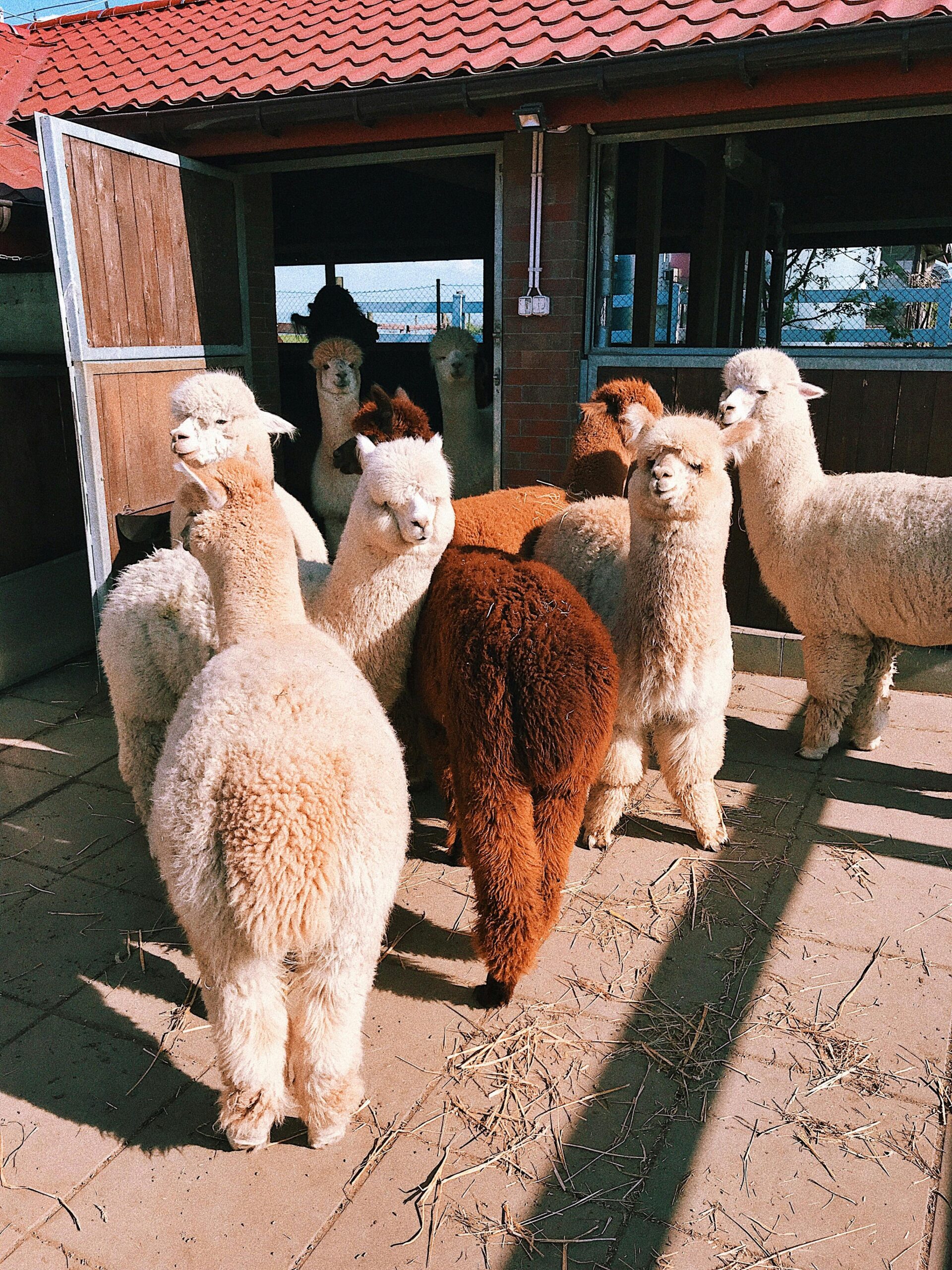
Alpacas are herd animals. They thrive in community and rarely isolate themselves. Within the herd, there’s structure, but there’s also cooperation. They watch out for one another and rely on collective awareness for safety. This provides a natural metaphor for teamwork. Kids can see that belonging to a group doesn’t mean losing individuality. Each alpaca has its own personality, yet they function best together.
Children who struggle socially often feel like they don’t fit in. Observing alpacas reinforces the idea that everyone has a place. Social strength comes from contribution, not competition. In a classroom setting, that mindset can shift how kids approach collaboration and peer relationships.
Read more: How Do Pets Help Children Develop Emotional Intelligence?
Learning Emotional Regulation
Alpacas respond strongly to energy. If a child is anxious or overstimulated, the alpaca may mirror that tension. When the child calms down, the animal often relaxes too. This immediate feedback is powerful. It helps kids connect their internal state to external outcomes. They begin to understand that managing their emotions influences how others respond to them.
Practicing slow breathing, gentle movements, and patient communication around alpacas builds real-world self-regulation skills. Over time, children internalize those tools and carry them into daily life.
Discover: Golden Retrievers and Emotional Regulation in Kids: A Bond Beyond Words
Final Thoughts
Bravery in children isn’t about pushing them into uncomfortable situations without support. It’s about helping them build steady confidence, empathy, and emotional control. Alpacas, with their quiet presence and strong social instincts, offer a unique and meaningful way to teach those lessons. Sometimes the best teachers aren’t the loudest. Sometimes they hum softly in a pasture, showing kids that courage can be calm, connection matters, and strength often looks gentle.
Do you own an assistance animal? Register your pet.
The Service Animal Registry of California invites you to have your assistance animal registered in order to designate its status. We also encourage you to take our online classes so you can be fully aware of your rights and gain more knowledge about your support animal.
Finally, we present to you our book entitled, “ASSISTANCE ANIMAL LAWS: LEARN YOUR RIGHTS REGARDING SERVICE ANIMALS, EMOTIONAL SUPPORT ANIMALS, THERAPY PETS, AND OTHER DOGS, CATS, AND ASSISTANCE ANIMALS” to provide you with a complete education on assistance animals.
Purchase your copy of the book by clicking the image below.
