For individuals struggling with social anxiety or chronic shyness, finding comfort in social situations can be overwhelming. While therapy and support systems play a crucial role, emotional support animals (ESAs) are gaining recognition for the calm, consistent companionship they offer. Among the lesser-known but highly effective ESAs are guinea pigs—gentle, social creatures whose quiet presence can make a significant difference in a person’s emotional well-being.
Gentle, Non-Threatening Companions
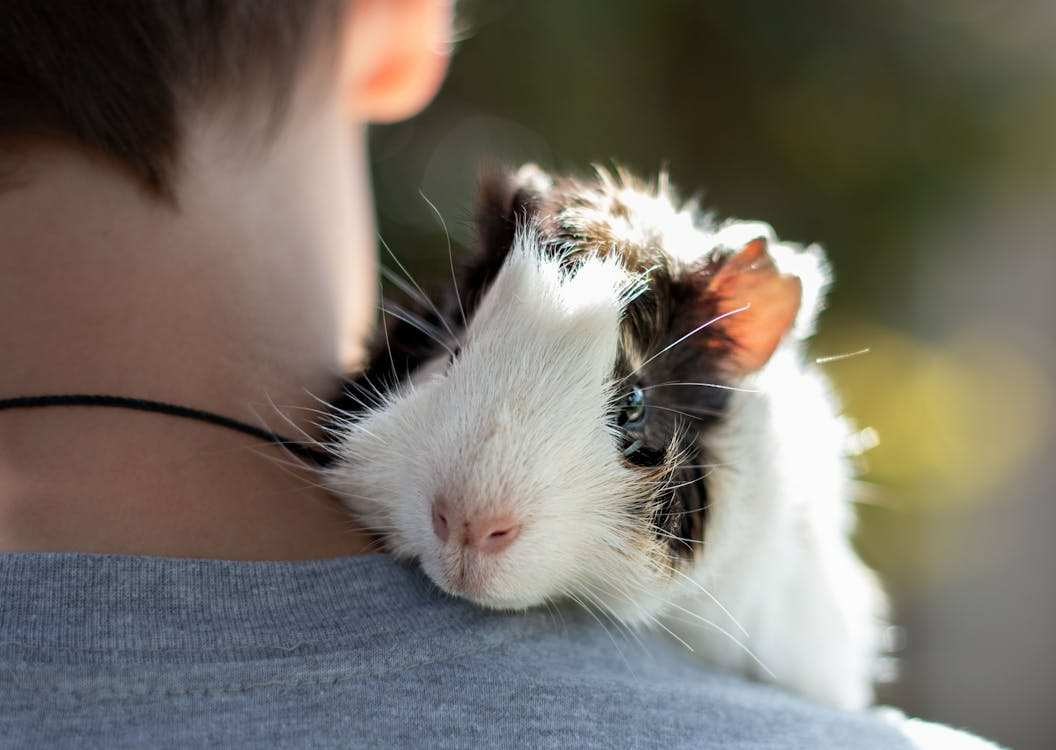
Guinea pigs are naturally gentle and non-aggressive, making them ideal for individuals who feel easily overwhelmed by larger or more energetic animals. Their small size and calm demeanor can be especially soothing for people who are sensitive to sensory input or feel anxious around chaos or unpredictability. Unlike dogs or cats, guinea pigs don’t jump, bark, or pounce. Instead, they offer a peaceful presence, often content to snuggle or sit quietly nearby, which can help ease social discomfort and reduce anxious thoughts.
Encouraging Routine and Responsibility
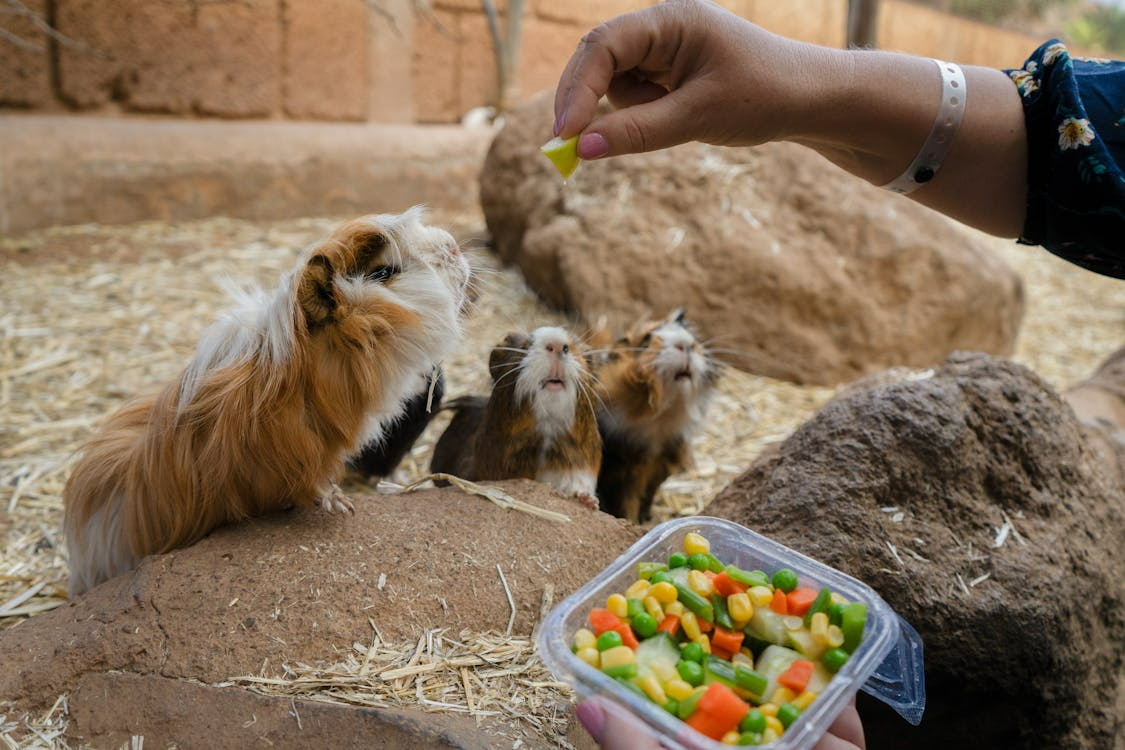
One of the therapeutic benefits of owning guinea pigs is the structure they bring to a person’s day. Feeding them, cleaning their enclosure, and interacting with them on a schedule can help individuals develop a sense of purpose and predictability—both of which are crucial for managing anxiety. This gentle responsibility also fosters a sense of competence and connection, which can improve self-esteem over time.
Promoting Gentle Social Interaction
Guinea pigs are social animals, thriving in environments where they can interact with humans and other guinea pigs. Their vocalizations—soft squeaks, purrs, and whistles—can encourage shy individuals to respond and communicate, even if just with the pet. These simple, non-verbal exchanges can build emotional confidence and become a stepping stone toward engaging with others.
In group settings, guinea pigs can also help break the ice. Whether it’s in a therapy group, classroom, or family home, these cuddly pets often spark curiosity and conversation, allowing socially anxious individuals to engage with others more comfortably through the shared experience of animal care.
Discover: Can Pets Help Children With Their Emotional and Social Skills?
Sensory Comfort and Emotional Grounding
Petting a guinea pig provides tactile sensory input that can have a calming effect. The rhythmic motion of stroking their soft fur can reduce physiological signs of anxiety, such as rapid heart rate or shallow breathing. Many people with social anxiety find this kind of sensory grounding helps them regulate emotions and stay present in stressful situations.
A Gateway to Emotional Growth
While guinea pigs aren’t a substitute for therapy or professional treatment, they can be a powerful emotional support tool. Their low-maintenance nature makes them accessible for individuals living in small spaces or who may not feel ready for the demands of a larger animal. More importantly, they offer unconditional affection and nonjudgmental companionship—qualities that can be deeply healing for people struggling to connect with others.
Final Thoughts
Guinea pigs may be small, but their impact can be significant. For individuals dealing with social anxiety and shyness, these furry friends can provide a sense of security, connection, and calm that paves the way for emotional resilience and personal growth.
Do you own an assistance animal? Register your pet today.
The Service Animal Registry of California invites you to have your assistance animal registered in order to designate its status. We also encourage you to take our online classes so you can be fully aware of your rights and gain more knowledge about your support animal.
Finally, we present to you our book entitled, “ASSISTANCE ANIMAL LAWS: LEARN YOUR RIGHTS REGARDING SERVICE ANIMALS, EMOTIONAL SUPPORT ANIMALS, THERAPY PETS, AND OTHER DOGS, CATS, AND ASSISTANCE ANIMALS” to provide you with a complete education on assistance animals.
Purchase your copy of the book by clicking the image below.
