

Service animals play a critical role in supporting their handlers, whether that support is physical, emotional, or medical. Because these animals work closely with people and often spend time in public spaces, maintaining their health is not just a personal responsibility, it is a public one too. Staying on top of basic health needs helps ensure your service animal can work comfortably, safely, and for as long as possible.
Vaccinations Are Non-Negotiable
Vaccines are one of the most important preventative health measures for service animals. Core vaccines protect against serious and sometimes fatal diseases such as rabies, distemper, and parvovirus. These illnesses can spread quickly, especially in public environments like airports, medical offices, or public transportation where service animals are often present.
Most veterinarians recommend keeping service animals on a strict vaccination schedule and maintaining up-to-date records. In some regions, proof of vaccination may be required for housing or travel. Even when not required, staying current protects your animal, other animals, and the people they interact with daily.
Read more: Are Vaccinations Required by the ADA for Service Dogs? A Practical Overview
Nutrition Fuels Performance

A service animal’s diet directly affects their energy, focus, and long-term health. Working animals often burn more calories than typical pets, but that does not mean more food is always better. The goal is balanced nutrition tailored to your animal’s size, age, activity level, and specific health needs.
High-quality protein supports muscle strength and endurance, while healthy fats provide sustained energy. Avoid frequent diet changes unless advised by a veterinarian, as sudden switches can cause digestive issues. Fresh water should always be available, especially during long workdays or in warm environments.
Read more: 5 Nutrition Tips for Service Dogs
Routine Vet Visits Matter
Regular veterinary checkups help catch potential problems before they interfere with your service animal’s ability to work. Annual or biannual exams allow your vet to monitor weight, joint health, dental condition, and early signs of illness.
Dental care is often overlooked but is especially important. Dental pain can affect behavior, focus, and overall well-being. Simple habits like brushing teeth or providing vet-approved dental chews can make a meaningful difference.
Parasite Prevention and Grooming
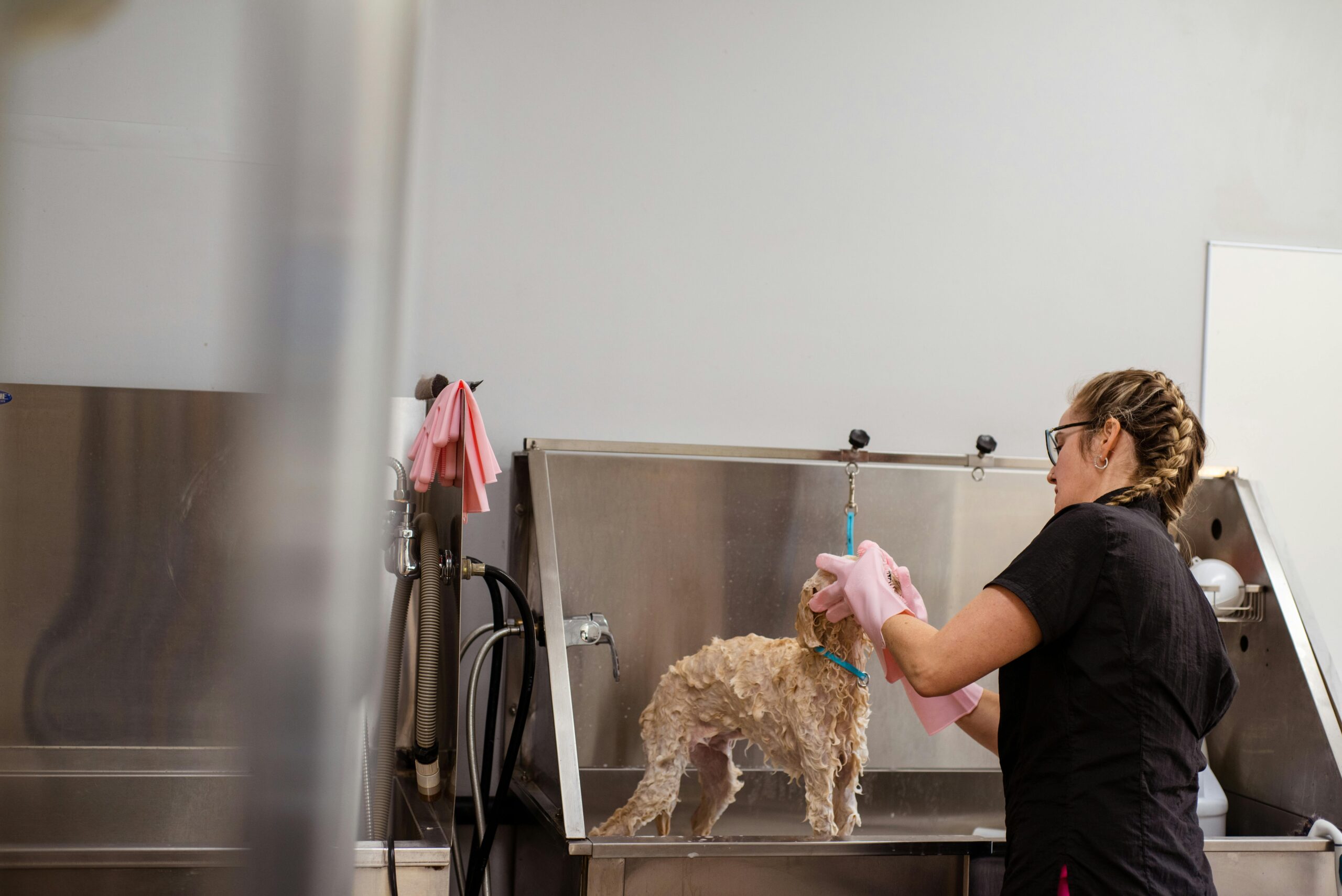
Fleas, ticks, and heartworms pose serious health risks. Because service animals frequently encounter different environments, consistent parasite prevention is essential year-round. Your veterinarian can recommend products based on your region and your animal’s exposure level.
Grooming is more than appearance. Regular brushing, nail trimming, and ear cleaning help prevent infections and discomfort. Grooming also gives owners a chance to spot changes like skin irritation, lumps, or tenderness early.
Mental Health and Rest Are Part of Care
Service animals need downtime just like humans do. Adequate rest, play, and mental stimulation help prevent burnout and stress. Watch for signs of fatigue or behavioral changes, as these can signal physical discomfort or emotional strain.
Final Thoughts
Caring for a service animal means going beyond basic pet ownership. Vaccinations, proper nutrition, routine veterinary care, and attention to mental well-being all work together to support an animal that gives so much every day. By staying proactive and consistent with health care, service animal owners help protect not only their trusted partner, but also the people and communities they serve.
Do you own an assistance animal? Register your pet today.
The Service Animal Registry of California invites you to have your assistance animal registered in order to designate its status. We also encourage you to take our online classes so you can be fully aware of your rights and gain more knowledge about your support animal.
Finally, we present to you our book entitled, “ASSISTANCE ANIMAL LAWS: LEARN YOUR RIGHTS REGARDING SERVICE ANIMALS, EMOTIONAL SUPPORT ANIMALS, THERAPY PETS, AND OTHER DOGS, CATS, AND ASSISTANCE ANIMALS” to provide you with a complete education on assistance animals.
Purchase your copy of the book by clicking the image below.
