
Every year, thousands of dogs enter shelters—some abandoned, some surrendered, and many simply in need of a second chance. Among them are countless potential emotional support animals (ESAs) waiting to make a difference in someone’s life. But not every shelter dog is ready right away. Preparing a dog for an emotional support role takes time, training, and understanding.
Understanding What an Emotional Support Animal Does
Emotional support animals provide comfort and companionship to individuals with mental or emotional challenges such as anxiety, depression, or PTSD. Unlike service dogs, ESAs don’t need specialized skills to perform specific tasks, but they must have calm, stable temperaments and be well-behaved in a variety of environments. That’s where preparation and training come in.
Step 1: Assessing Temperament and Suitability
Not all dogs are suited for emotional support work, and that’s okay. The first step is a temperament evaluation. Shelter staff or certified trainers look for dogs that are gentle, people-oriented, and adaptable. An ESA should be comfortable with being touched, not easily startled by loud noises, and capable of relaxing in different settings.
A friendly, affectionate nature is essential—but so is resilience. Dogs that show signs of aggression, high anxiety, or reactivity may not be good candidates until they receive behavioral rehabilitation.
Step 2: Building Trust and Socialization
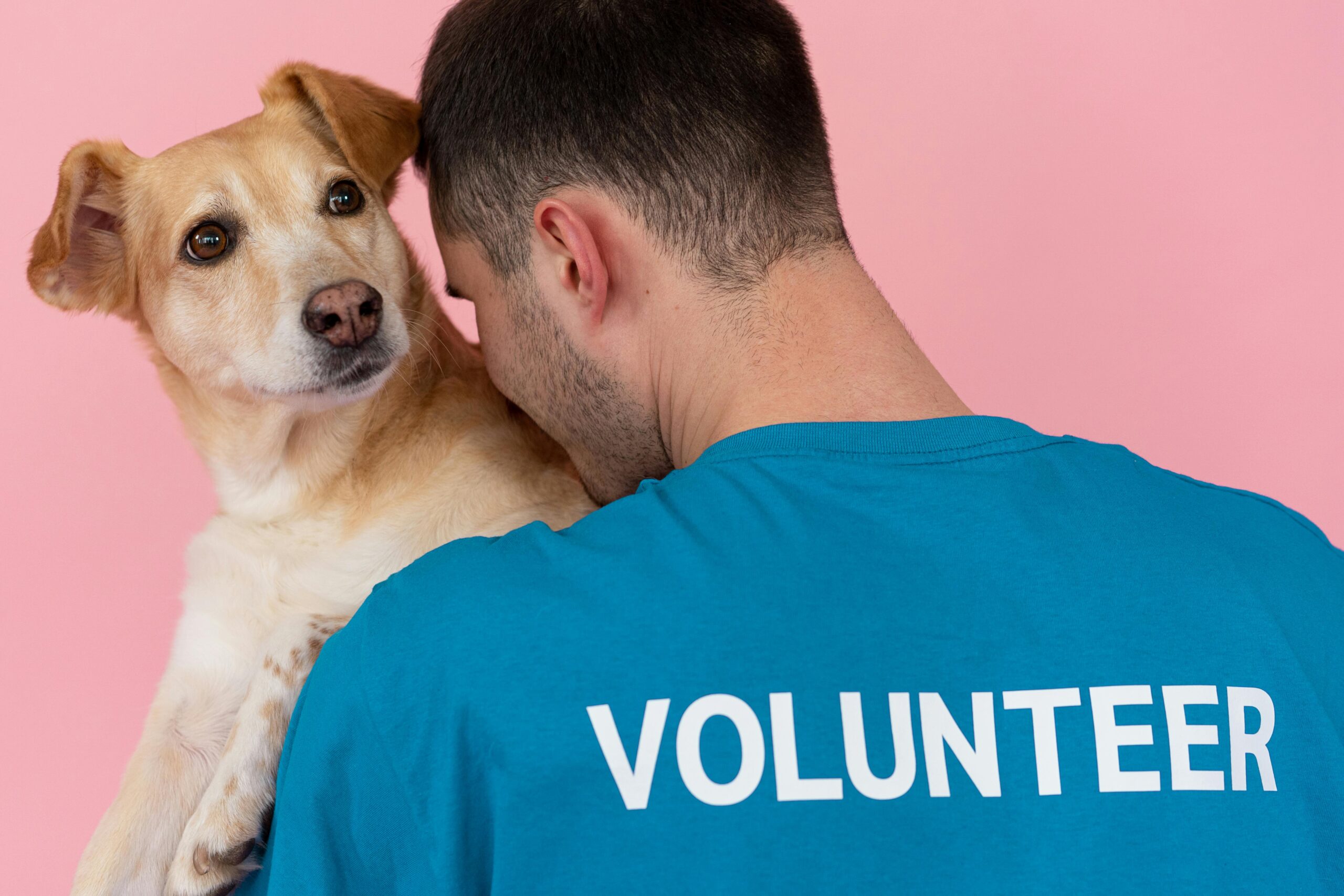
Many shelter dogs have experienced neglect or trauma. Before they can help humans heal, they often need to heal themselves. Building trust through consistent care, gentle handling, and positive reinforcement helps dogs feel safe again.
Socialization is equally important. Exposure to different people, other animals, and environments helps them stay calm and confident. Shelter volunteers can take them on walks, introduce them to new situations, and reward calm behavior to strengthen their adaptability.
Step 3: Basic Obedience Training
A solid foundation in obedience is key. Dogs should reliably respond to commands like “sit,” “stay,” “come,” and “leave it.” Positive reinforcement methods—treats, praise, and play—work best, creating a bond of trust between dog and trainer.
In addition, crate training, leash manners, and housebreaking are essential. These habits make it easier for dogs to transition into a home and public settings with their future handlers.
Read more: Why Basic Training Still Helps Your Emotional Support Animal
Step 4: Matching with the Right Human

Once trained, the next step is pairing the dog with the right individual. A calm, affectionate dog might be perfect for someone coping with depression, while an energetic but gentle one could uplift someone struggling with anxiety. The bond between a person and their ESA is built on mutual comfort and emotional connection, so careful matching ensures long-term success.
Final Thoughts
Preparing a shelter dog for an emotional support role is both heartwarming and transformative. It’s a process that turns a life once marked by uncertainty into one filled with purpose. With patience, compassion, and proper training, these dogs can offer more than companionship—they provide healing, stability, and unconditional love. In the end, it’s not just the humans who are rescued; the dogs, too, find a new lease on life through the power of emotional connection.
Do you own an assistance animal? Register your pet today. The Service Animal Registry of California invites you to have your assistance animal registered in order to designate its status. We also encourage you to take our online classes so you can be fully aware of your rights and gain more knowledge about your support animal.
Finally, we present to you our book entitled, “ASSISTANCE ANIMAL LAWS: LEARN YOUR RIGHTS REGARDING SERVICE ANIMALS, EMOTIONAL SUPPORT ANIMALS, THERAPY PETS, AND OTHER DOGS, CATS, AND ASSISTANCE ANIMALS” to provide you with a complete education on assistance animals. Purchase your copy of the book by clicking the image below.
