
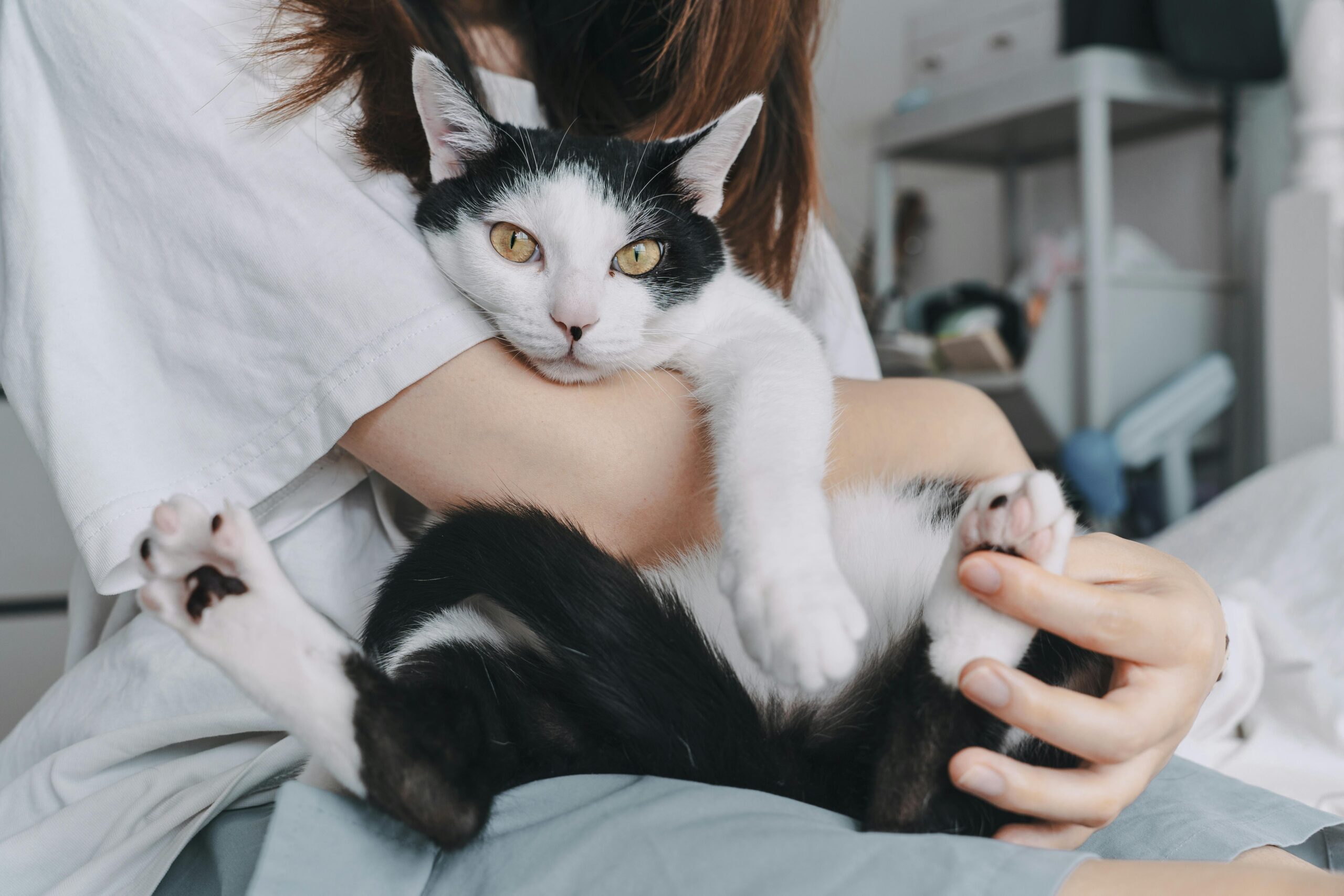
From the gentle purr of a cat to the warm nuzzle of a dog, moments of physical connection with animals can be profoundly comforting. But this calming effect isn’t just emotional—it’s rooted in science. Research shows that touch, especially with animals, can spark measurable changes in the brain and body that promote relaxation, happiness, and mental well-being.
1. Touch and the Brain’s Reward System
When you pet an animal, your brain releases a cascade of feel-good chemicals. One of the key players is oxytocin, often called the “love hormone,” which is linked to bonding and trust. This hormone not only makes us feel connected to the animal but also lowers stress levels. At the same time, dopamine and serotonin—neurotransmitters associated with pleasure and mood regulation—are released, creating a sense of contentment.
Discover: Do Pets Really Unconditionally Love Us?
2. Stress Reduction Through the Parasympathetic Nervous System
Petting an animal can also activate the parasympathetic nervous system—the “rest and digest” mode of the body. This is the opposite of the fight-or-flight response triggered by stress. As you stroke an animal’s fur in rhythmic, gentle motions, your heart rate slows, blood pressure drops, and muscles relax. This explains why spending even a few minutes with a calm animal can feel like a deep breath for your nervous system.
Read more: 5 Ways Pets Can Reduce Stress
3. The Role of Tactile Stimulation

Our skin is filled with sensory receptors that respond to touch, sending signals to the brain that can alter our mental state. A specific type of nerve fiber, called C-tactile afferents, is especially responsive to slow, gentle strokes—exactly the kind of touch used when petting a dog, cat, or other animal. These nerve fibers send positive, soothing signals to brain regions involved in emotional processing, such as the insular cortex.
4. Emotional Regulation and Mindfulness
Petting an animal often requires you to be present in the moment. The sensation of fur beneath your fingertips, the warmth of the animal’s body, and their subtle movements all draw your attention away from anxious thoughts and into the here and now. This mindful focus can help reduce rumination—the mental loop of replaying worries—and instead anchor you in a calming, sensory experience.
5. Benefits for Long-Term Mental Health
Repeated interactions with animals can have cumulative effects. Regular tactile contact may lower baseline levels of cortisol (the stress hormone), improve emotional resilience, and even enhance social connection. For individuals with anxiety, depression, or PTSD, petting an animal can become a reliable coping tool, offering both immediate comfort and long-term stability.
Read more: Why Do Our Pets Make Us Feel Good?
Conclusion
The bond we feel when petting an animal isn’t just sentimental—it’s deeply biological. Through a combination of hormonal release, nervous system regulation, and sensory stimulation, simple moments of touch can transform our mood and mental state. Whether it’s a few minutes with your dog after work or stroking a cat curled in your lap, these small acts of connection are powerful reminders of the healing potential of touch.
Do you own an assistance animal? Register your pet today.
The Service Animal Registry of California invites you to have your assistance animal registered in order to designate its status. We also encourage you to take our online classes so you can be fully aware of your rights and gain more knowledge about your support animal.
Finally, we present to you our book entitled, “ASSISTANCE ANIMAL LAWS: LEARN YOUR RIGHTS REGARDING SERVICE ANIMALS, EMOTIONAL SUPPORT ANIMALS, THERAPY PETS, AND OTHER DOGS, CATS, AND ASSISTANCE ANIMALS” to provide you with a complete education on assistance animals.
Purchase your copy of the book by clicking the image below.
