

Therapy animal visits can brighten a hospital ward, calm a classroom, or bring comfort to a senior living community. To make those visits truly beneficial, three pillars must be in place: reliable training, strict hygiene, and clear safety practices. When handlers, facilities, and program coordinators share responsibility, visits are safe, respectful, and effective.
Training: the foundation of trust
Therapy animals must be steady, predictable, and well-socialized. Training focuses on basic obedience, impulse control, and desensitization to unusual sights and sounds. Animals learn to stay calm around medical equipment, sudden movements, and crowds. Handlers should train animals for specific environments they will visit. For example, a therapy dog visiting a pediatric unit must be comfortable around loud noises and excited children, while a dog visiting a memory care unit should work on gentle, slow interactions.
Handler education is as important as animal training. Handlers need to read animal body language, manage stress signals, and intervene early if their animal becomes uncomfortable. Regular evaluations by a qualified trainer or therapy animal organization ensure that both animal and handler remain fit for visits over time.
Read more: Essential Tips for Training Therapy Animals
Hygiene: protecting clients and animals
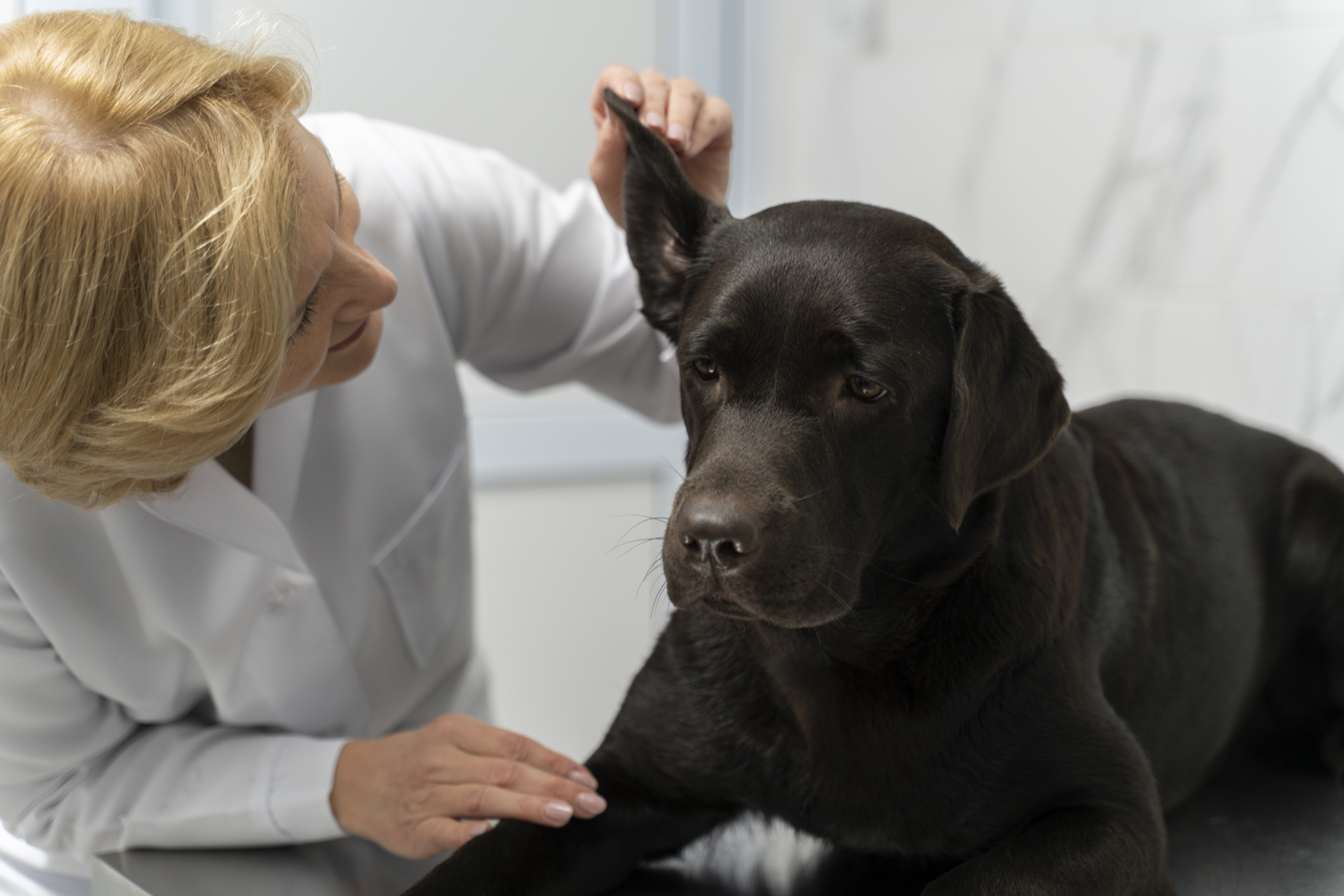
Hygiene is nonnegotiable. Facilities should require animals to be bathed and groomed within a reasonable window before visits, have clean paws, and be free of visible parasites. Handlers should carry basic grooming supplies and a clean blanket or mat for the animal to sit on.
Hand sanitation protocols protect everyone. Clients, staff, and handlers should sanitize hands before and after contact. If a facility has strict infection-control rules, handlers must follow them without exception. Animals should also be up to date on vaccinations and veterinary checks. A regular health checklist, maintained by the handler and provided to the facility, helps prevent disease transmission and reassures staff.
Read more: Are Vaccinations Required by the ADA for Service Dogs? A Practical Overview
Safety: clear rules and controlled environments
Safety starts with clear, written policies. Facilities should outline where animals may go, which patients or residents can receive visits, and what activities are acceptable. Not everyone wants or can interact with animals, so consent matters. Screen clients for allergies, phobias, and medical contraindications before visits, and respect privacy and cultural preferences.
During visits, handlers must supervise every interaction. Let clients initiate contact and guide how they pet or touch the animal. Avoid risky behaviors like feeding from the client’s plate, allowing the animal to jump on laps uninvited, or using the animal for medical procedures. If an animal shows stress signs such as lip licking, yawning, tucked tail, or stiff posture, the handler should calmly remove it from the situation.
Collaboration and continuous improvement
Successful therapy programs rely on ongoing communication between handlers, facilities, and veterinary professionals. Debrief after visits to note what worked and what didn’t, and adapt policies when needed. Regular continuing education for handlers and periodic re-evaluations of animals keep the program fresh and safe.
Discover: The Importance of Early Socialization for Service Dogs
Conclusion
When training, hygiene, and safety are taken seriously, therapy animal visits offer powerful emotional and therapeutic benefits. Thoughtful preparation protects clients, animals, and staff, and builds trust. With clear expectations and shared responsibility, therapy animals can continue to make meaningful, healing visits for years to come.
Do you own an assistance animal? Register your pet today.
The Service Animal Registry of California invites you to have your assistance animal registered in order to designate its status. We also encourage you to take our online classes so you can be fully aware of your rights and gain more knowledge about your support animal.
Finally, we present to you our book entitled, “ASSISTANCE ANIMAL LAWS: LEARN YOUR RIGHTS REGARDING SERVICE ANIMALS, EMOTIONAL SUPPORT ANIMALS, THERAPY PETS, AND OTHER DOGS, CATS, AND ASSISTANCE ANIMALS” to provide you with a complete education on assistance animals.
Purchase your copy of the book by clicking the image below.
