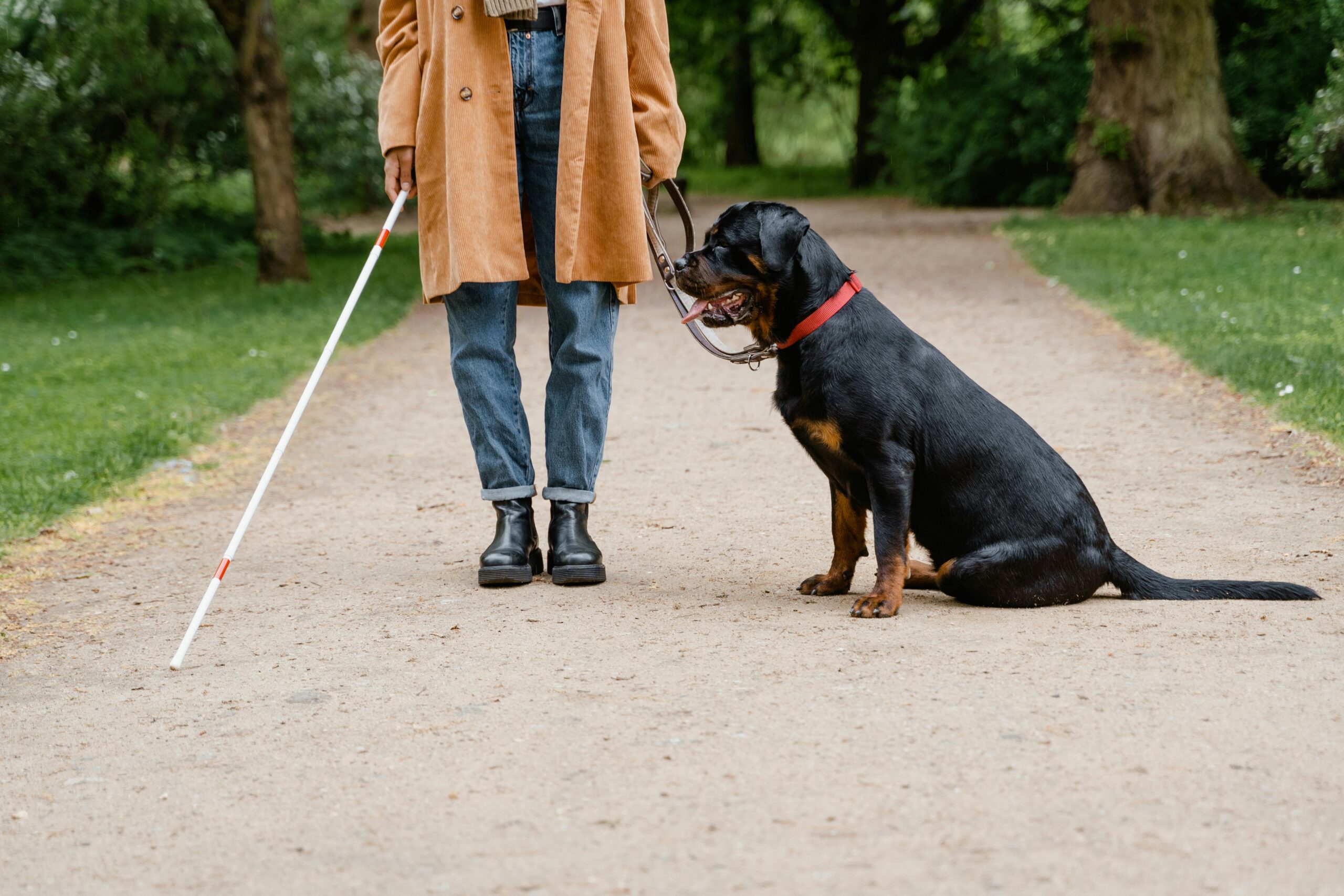
Mobility assistance dogs play a vital role in enhancing the safety, independence, and confidence of individuals with mobility challenges. Beyond daily support, these highly trained dogs help prevent dangerous situations at home. Their presence can significantly reduce the likelihood of accidents, medical emergencies, and stressful incidents. Below are key ways mobility assistance dogs make home environments safer and more secure.
Preventing Falls and Injuries
One of the most common household emergencies for people with mobility limitations is falling. Mobility assistance dogs help reduce these incidents through physical support and steady guidance.
- Balance and Stability: Dogs are trained to brace and provide counterbalance while their handler stands up, sits down, or moves across uneven surfaces.
- Object Retrieval: Instead of bending, reaching, or stretching—which can lead to falls—handlers rely on their dogs to fetch dropped items, remote controls, phones, clothing, and more.
- Door and Drawer Assistance: Opening heavy doors or low cabinets can throw someone off balance. Mobility assistance dogs are trained to pull handles or push doors open, minimizing risk.
Ensuring Timely Access to Help
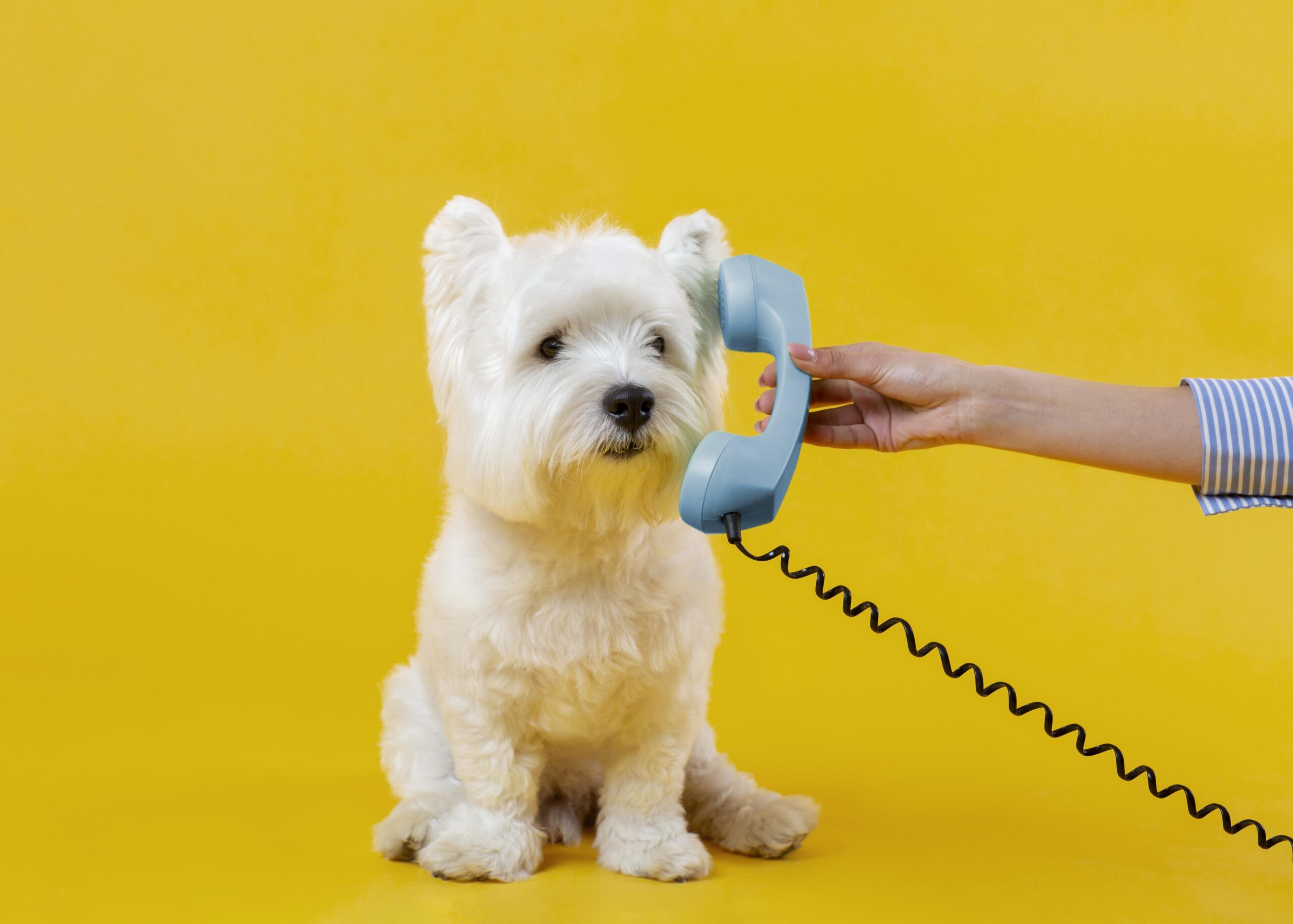
In emergencies, response time is critical. Mobility assistance dogs help ensure that individuals are never left stranded or unable to reach help.
- Retrieving a Phone or Emergency Device: If a handler falls or becomes impaired, a trained dog can bring a phone, medical alert device, or communication tool immediately.
- Activating Emergency Buttons: Some dogs learn to press specially designed wall-mounted buttons or alert systems that contact caregivers or emergency services.
- Alerting Others: Many mobility dogs are trained to find a family member, neighbor, or caregiver in urgent situations, acting as a vital communication bridge.
Reducing Physical Strain and Overexertion
Overexertion can lead to medical complications, especially for individuals with chronic illnesses, joint conditions, or heart and respiratory challenges. Mobility assistance dogs help minimize strain by taking on daily tasks.
- Pulling Wheelchairs or Providing Forward Momentum: This reduces fatigue and lowers the risk of pain flare-ups or cardiovascular stress.
- Assisting with Transitions: Moving from bed to wheelchair or into a seated position is easier with canine support, reducing the risk of muscle strain.
- Carrying Bags or Light Loads: By helping transport items, these dogs prevent handlers from lifting more than they safely can.
Enhancing Environmental Safety
Mobility assistance dogs help detect and mitigate hazards in the home.
- Clearing Pathways: Dogs are trained to guide handlers around clutter, obstacles, or spills that could cause slipping or tripping.
- Turning Lights On and Off: Improving visibility reduces the chances of nighttime accidents.
- Opening and Closing Appliances: Some dogs help with refrigerators, washers, or dryers, allowing safe and stable use without awkward stretching or reaching.
Final Thoughts
Mobility assistance dogs provide far more than companionship—they serve as essential partners in safety. Their specialized skills help prevent emergencies, reduce physical strain, and offer crucial assistance during urgent situations. With their support, individuals with mobility challenges can enjoy greater independence, peace of mind, and a dramatically safer home environment.
Learn more about assistance animals below:
- Beyond Dogs: Surprising Animals That Can Provide Assistance
- Emotional Support Animals for Specific Phobias
- Signs That You Need an Emotional Support Animal
- Winter Care Tips for Assistance Animals
Do you own an assistance animal? Register your pet today.
The Service Animal Registry of California invites you to have your assistance animal registered in order to designate its status. We also encourage you to take our online classes so you can be fully aware of your rights and gain more knowledge about your support animal.
Finally, we present to you our book entitled, “ASSISTANCE ANIMAL LAWS: LEARN YOUR RIGHTS REGARDING SERVICE ANIMALS, EMOTIONAL SUPPORT ANIMALS, THERAPY PETS, AND OTHER DOGS, CATS, AND ASSISTANCE ANIMALS” to provide you with a complete education on assistance animals.
Purchase your copy of the book by clicking the image below.
