Emotional regulation shapes how we respond to stress, conflict, and everyday challenges. It influences our relationships, decision-making, and overall mental health. While many people develop these skills through counseling or personal development work, horses offer a surprisingly powerful and practical path to learning emotional balance.
Horses Are Masters of Emotional Awareness
Horses are prey animals, which means their survival depends on reading their environment accurately. They are highly sensitive to body language, breathing patterns, muscle tension, and subtle shifts in energy.
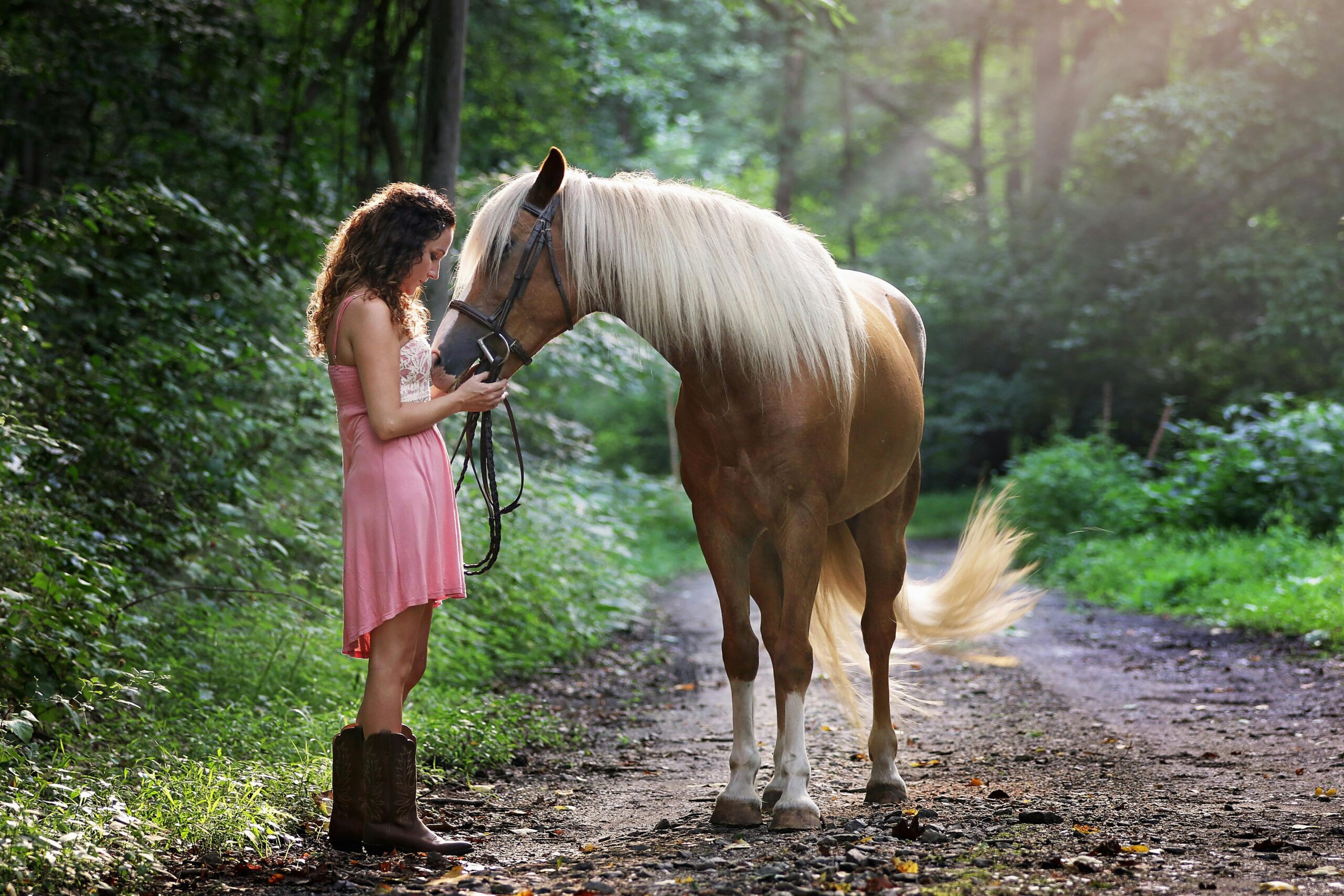
When a person approaches a horse feeling anxious or frustrated, the horse often reacts immediately. It may step back, become restless, or appear guarded. If that same person slows their breathing, relaxes their posture, and focuses their attention, the horse typically responds with calm engagement.
This direct and immediate feedback is rare in everyday human interaction. Horses respond to what we are actually feeling, not what we say we feel. That makes them honest emotional mirrors.
Authenticity Over Appearance
Horses do not respond to titles, rehearsed confidence, or forced positivity. They respond to congruence. If someone claims to be calm but their shoulders are tight and their movements abrupt, the horse senses the tension.
Working successfully with a horse requires internal alignment. The handler must regulate their emotions before expecting cooperation. This encourages self-awareness. People begin noticing how their stress shows up physically, how their thoughts influence their posture, and how their mood affects their communication.
That awareness is the foundation of emotional regulation.
The Role of Equine-Assisted Programs
Structured programs that integrate horses into therapeutic settings have grown in popularity. Organizations like PATH International and EAGALA support professional standards for equine-assisted services worldwide.
In these environments, trained facilitators guide participants through activities such as grooming, leading, and groundwork exercises. These tasks may look simple, but they require patience, focus, and emotional steadiness.
Participants often report improvements in stress management, emotional awareness, and impulse control. Because the horse responds in real time, individuals can immediately see the connection between their internal state and external outcomes.
Learning Calm Leadership

Within a herd, emotional stability creates safety. Horses rely on clear boundaries and consistent communication. If a herd member becomes chaotic, it disrupts the group. Calm leadership restores balance. When humans work with horses, they must embody that same grounded presence. Reactivity, frustration, or inconsistency often lead to confusion or resistance. Steady, intentional behavior builds trust.
Standing beside such a large and powerful animal also challenges the nervous system. Learning to stay composed in that space builds confidence. Over time, people realize they can regulate themselves even in situations that initially feel overwhelming.
Carrying the Lessons Beyond the Barn
The skills learned around horses do not stay in the arena. The ability to pause and breathe before giving a cue can translate into pausing before responding in a tense conversation. Recognizing physical tension while holding a lead rope can increase awareness during stressful meetings or personal conflicts.
Horses teach that regulation is not about suppressing emotion. It is about noticing it, understanding it, and choosing a steady response.
Discover: Why Do Miniature Horses Make Great Service Animals? 5 Reasons Why
Final Thoughts
Horses do not give lectures on emotional intelligence. They demonstrate it through their sensitivity, honesty, and consistency. By responding only to what is genuine, they encourage humans to become more aware, more present, and more balanced.
In their quiet, grounded presence, people often discover something simple yet profound. Emotional regulation is not about control over others. It begins with calm leadership from within.
Do you own an assistance animal? Register your pet today.
The Service Animal Registry of California invites you to have your assistance animal registered in order to designate its status. We also encourage you to take our online classes so you can be fully aware of your rights and gain more knowledge about your support animal.
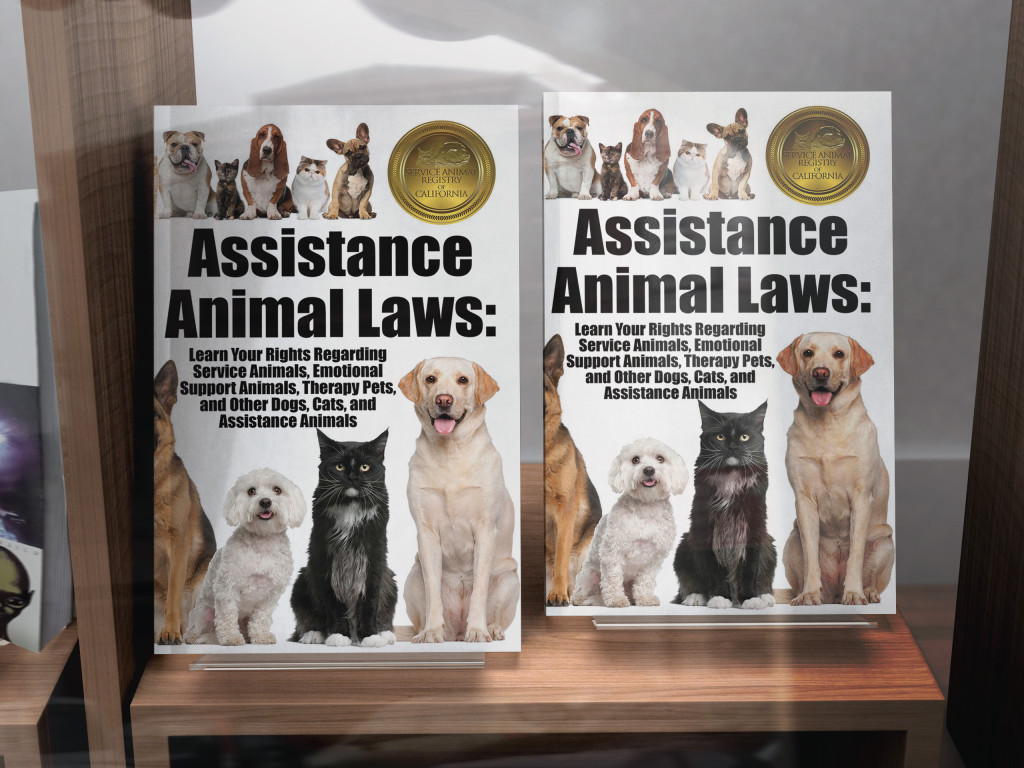
Finally, we present to you our book entitled, “ASSISTANCE ANIMAL LAWS: LEARN YOUR RIGHTS REGARDING SERVICE ANIMALS, EMOTIONAL SUPPORT ANIMALS, THERAPY PETS, AND OTHER DOGS, CATS, AND ASSISTANCE ANIMALS” to provide you with a complete education on assistance animals. Purchase your copy of the book by clicking the image below.