

For centuries, humans have been drawn to birds—not only for their beauty and song but also for the sense of peace and connection they bring. While cats and dogs often dominate conversations around emotional support, birds have quietly become trusted companions for many seeking comfort and healing. Their presence, behavior, and unique traits provide more than companionship; they offer a kind of therapy that speaks to both the heart and mind.
A Calming Presence in Daily Life
The gentle sounds of chirping, whistling, or singing from birds can create an atmosphere of calm in a home. Just as people find the sound of ocean waves or rustling leaves relaxing, a bird’s song provides a soothing background that can ease stress or anxiety. Some studies even suggest that listening to bird sounds may lower cortisol levels and boost mental clarity. For people overwhelmed by the pace of modern life, this natural soundtrack can act as a reminder to slow down and breathe.
Companionship Without Judgment
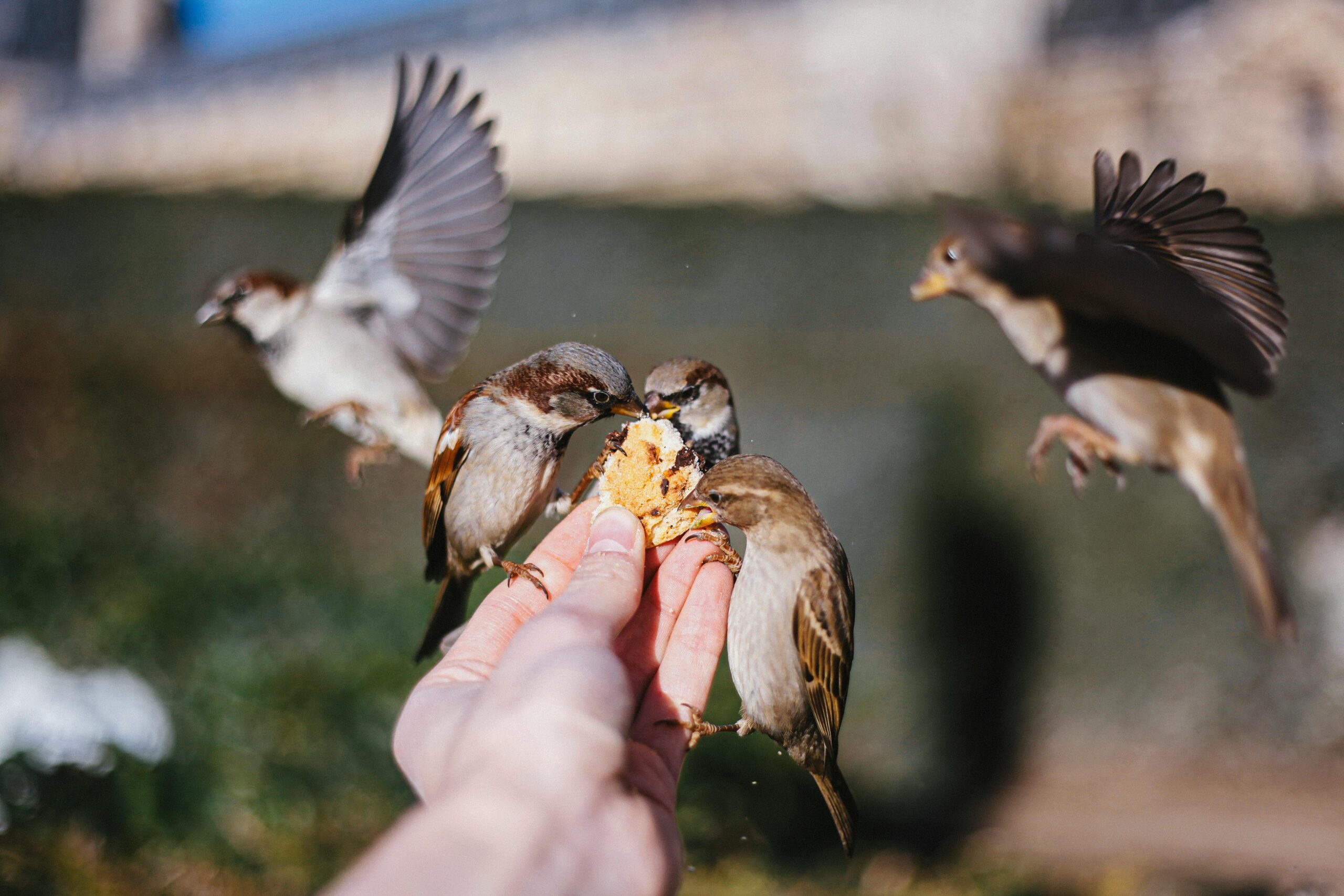
Birds may be small, but they often form strong bonds with their owners. Species like parrots, cockatiels, and parakeets are known for their playful personalities and affectionate behavior. They respond to voices, mimic speech, and enjoy interactive play, giving people the sense of being truly heard and seen. For those who struggle with loneliness or social isolation, the bond with a bird can provide meaningful emotional connection—without fear of judgment or rejection.
A Symbol of Hope and Renewal
Culturally, birds have long represented freedom, renewal, and resilience. Watching a bird take flight can inspire feelings of hope, reminding people that healing and growth are possible, even in difficult times. This symbolism resonates deeply with individuals navigating grief, trauma, or major life changes. The daily care of a bird, combined with these powerful associations, can help restore a sense of purpose and optimism.
Mindful Care and Routine
Caring for a bird requires mindfulness—whether it’s cleaning their cage, preparing nutritious food, or spending time talking and playing with them. These routines give structure to the day and encourage caretakers to focus on the present moment. For people coping with anxiety, depression, or stress, this rhythm can act as a grounding practice. The responsibility of caring for another living being can also nurture self-worth and consistency, which are key aspects of emotional healing.
Unique Emotional Support

Unlike cats or dogs, birds communicate in distinct ways. Some mimic words or phrases, providing a sense of dialogue and companionship. Others display affection through preening, perching on shoulders, or following their human around the room. These interactions foster connection and joy, often lifting moods when most needed. Their intelligence and sensitivity also mean that birds often respond to the emotional energy of their environment, making them attuned companions during difficult times.
Discover: Emotional Support Bird vs. Pet Bird: What’s the Difference?
Final Thoughts
Birds may not be the most conventional choice for comfort and healing, but for those who welcome them into their lives, their impact can be profound. Through song, companionship, and the daily rhythms of care, birds remind us of the simple, natural joys that bring peace and healing to the human spirit.
Do you own an assistance animal? Register your pet today.
The Service Animal Registry of California invites you to have your assistance animal registered in order to designate its status. We also encourage you to take our online classes so you can be fully aware of your rights and gain more knowledge about your support animal.
Finally, we present to you our book entitled, “ASSISTANCE ANIMAL LAWS: LEARN YOUR RIGHTS REGARDING SERVICE ANIMALS, EMOTIONAL SUPPORT ANIMALS, THERAPY PETS, AND OTHER DOGS, CATS, AND ASSISTANCE ANIMALS” to provide you with a complete education on assistance animals.
Purchase your copy of the book by clicking the image below.