

When the temperature drops, our routines shift—and that includes how we care for assistance animals. These dedicated companions do more than provide support; they’re partners who help their handlers navigate daily life. Cold weather can be tough on them too, so keeping them safe, warm, and healthy through the winter months is essential.
1. Keep Them Warm and Dry
Even animals with thicker coats can struggle in freezing temperatures. Short-haired or small-breed assistance dogs, in particular, may need an extra layer. A well-fitted, insulated coat or sweater can make a big difference during walks. After being outdoors, dry your animal thoroughly, especially their paws and underbelly, to prevent discomfort or skin irritation from moisture and cold.
2. Protect Their Paws
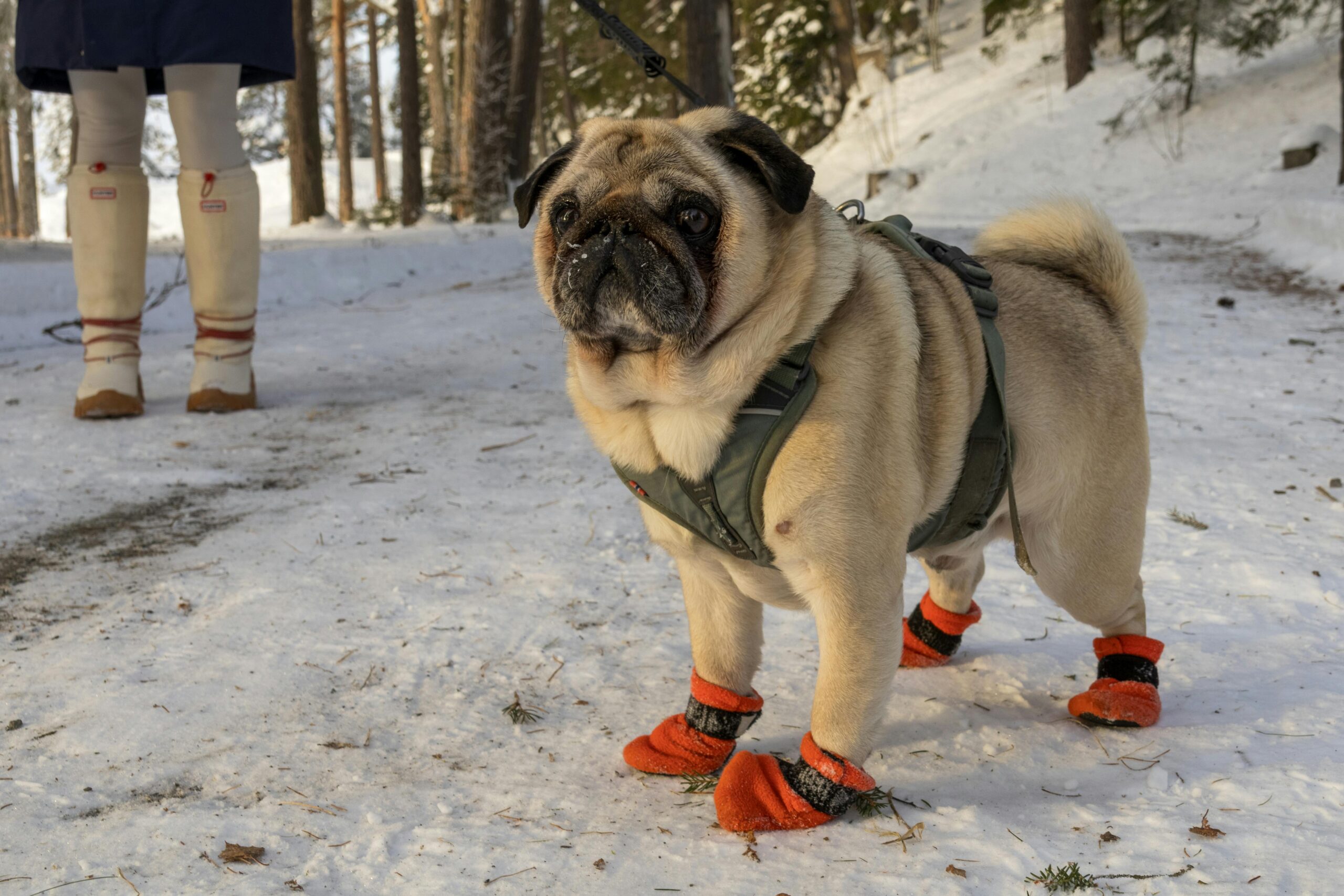
Salt, ice melt, and cold pavement can all cause irritation or injury to paws. Before heading out, consider using paw balm or wax to create a protective barrier. Booties are another great option if your assistance animal tolerates them. After every walk, check for cracks or redness between the pads, and wipe their paws to remove any salt or chemicals that could be harmful if licked.
3. Adjust Their Exercise Routine
Cold weather doesn’t mean skipping activity, but it may require adjustments. Try shorter, more frequent walks during the warmest parts of the day. If the weather is too harsh, indoor activities like scent games, basic training drills, or interactive toys can help your assistance animal stay active and mentally engaged without the chill.
4. Mind Their Diet and Hydration
Like humans, assistance animals burn more energy staying warm in winter. You may need to slightly increase their food intake, especially if they’re working outdoors often. Just make sure to balance it with their activity level to avoid unwanted weight gain. Also, keep their water bowl fresh and unfrozen—hydration is just as important in the cold as it is in summer.
5. Watch for Signs of Cold Stress
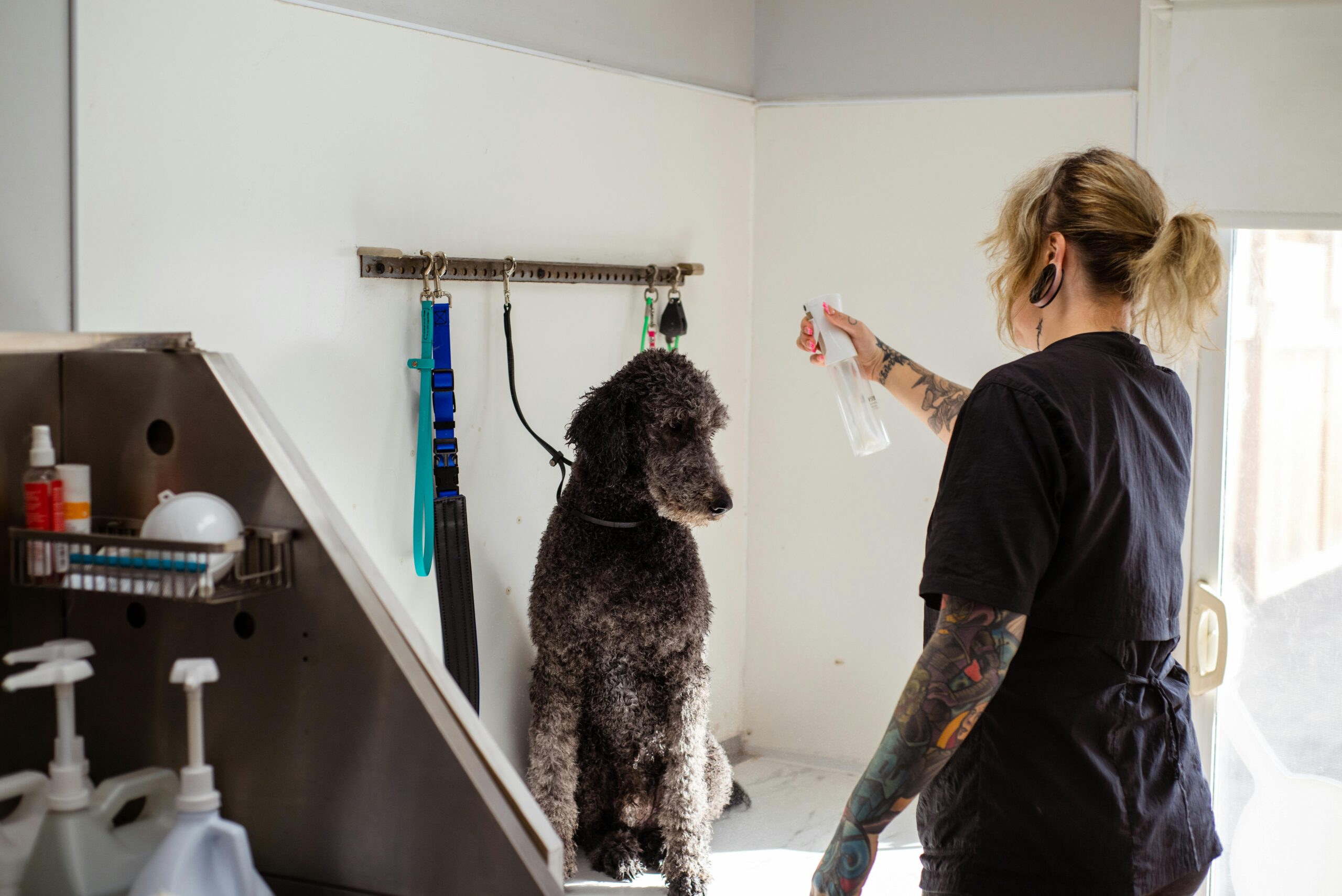
Shivering, whining, or slowing down during walks can all be signs your animal is too cold. Frostbite and hypothermia are real risks, especially in exposed areas like ears, paws, and tails. If you notice your animal acting differently—lethargic, trembling, or seeking warmth—bring them inside immediately and warm them gradually with blankets.
6. Maintain Regular Grooming
Winter grooming is often overlooked, but it’s vital for your animal’s comfort. A clean, brushed coat helps regulate body temperature more effectively. Avoid overbathing since it can strip natural oils, leading to dry, itchy skin.
Final Thoughts
Assistance animals give their all year-round, and winter care ensures they can continue supporting their handlers safely and comfortably. By protecting them from the cold, adjusting routines, and paying attention to subtle signs of discomfort, you’re not just maintaining their health—you’re showing appreciation for the bond and trust that make them such incredible partners. With the right care, both you and your assistance animal can enjoy the season together, warm and well-prepared.
Read more animal ownership articles here!
- How Nutrition Impacts Your Emotional Support Dog’s Performance
- 5 Nutrition Tips for Service Dogs
- Grooming Tips for Your Emotional Support Animal as They Shed Their Winter Coat
- The Essential Guide to Preparing Your Home for a Service Dog
Do you own an assistance animal? Register your pet today.
The Service Animal Registry of California invites you to have your assistance animal registered in order to designate its status. We also encourage you to take our online classes so you can be fully aware of your rights and gain more knowledge about your support animal.
Finally, we present to you our book entitled, “ASSISTANCE ANIMAL LAWS: LEARN YOUR RIGHTS REGARDING SERVICE ANIMALS, EMOTIONAL SUPPORT ANIMALS, THERAPY PETS, AND OTHER DOGS, CATS, AND ASSISTANCE ANIMALS” to provide you with a complete education on assistance animals.
Purchase your copy of the book by clicking the image below.
