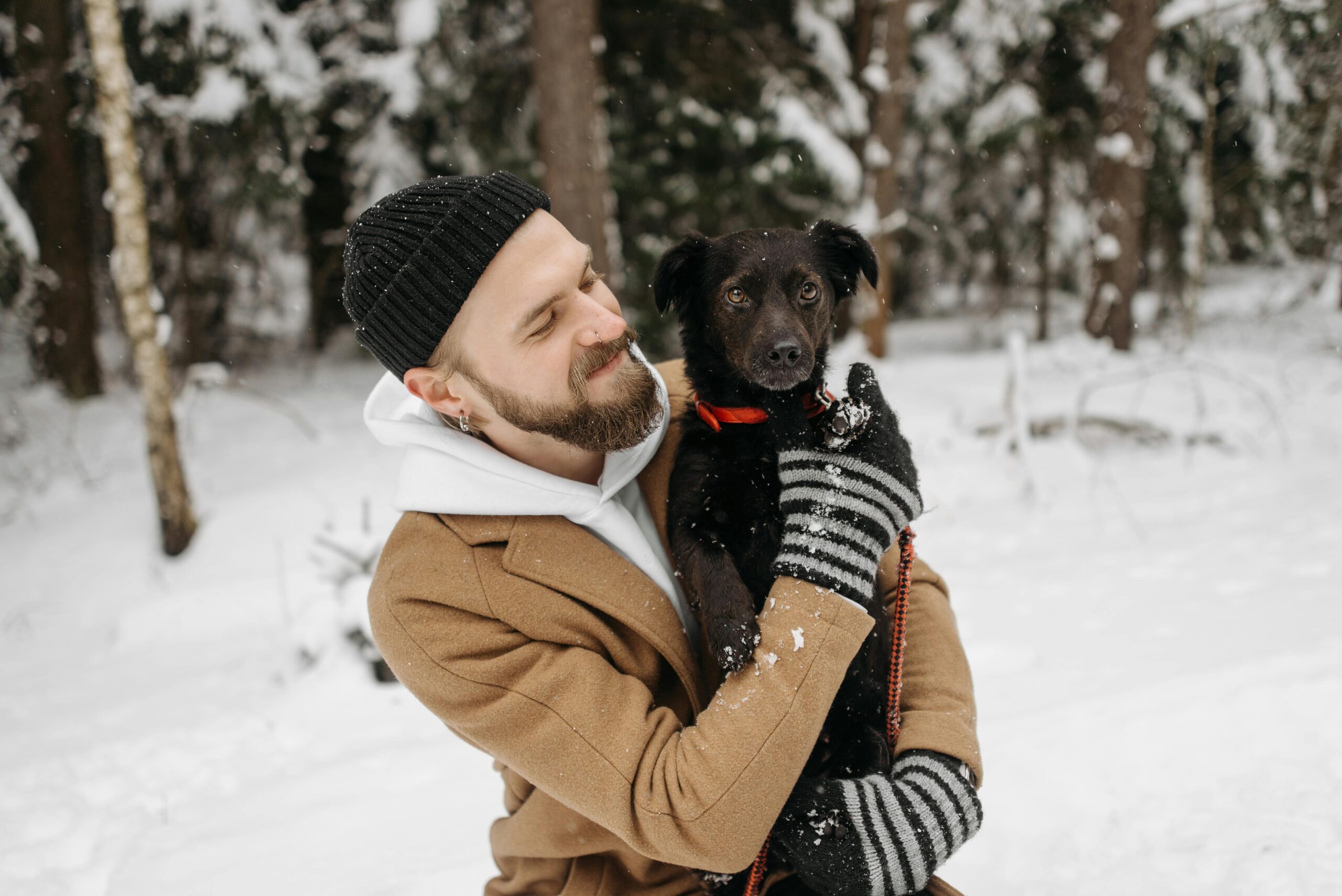
As the colder months roll in and holiday celebrations begin, assistance animals face a unique set of seasonal risks that often go unnoticed. These partners work hard year-round, and winter adds layers of challenges that can compromise their comfort, health, and safety. With a little awareness, you can keep them protected while still enjoying the season.
1. Cold Surfaces and Low Temperatures
Assistance animals spend more time outdoors than most pets, which means they’re more exposed to the cold. Icy sidewalks, frozen grass, and chilly pavement can cause discomfort or even frostbite on sensitive paw pads. Limit time outside during extreme cold, use protective booties if your dog tolerates them, and dry paws thoroughly after coming indoors so they don’t crack.
2. Ice Melt and Chemical Exposure
Salt and de-icing products help keep walkways safe for humans, but they’re tough on animals. Many of these chemicals can irritate paws or cause stomach upset if licked off. Try to stick to pet-friendly paths when possible, rinse paws after walks, and keep a towel by the door for quick cleanups.
3. Holiday Treats and Toxic Foods

Holiday tables overflow with foods that can make assistance animals seriously ill. Chocolate, raisins, grapes, xylitol, macadamia nuts, rich leftovers, and alcohol are common culprits. Encourage visitors to avoid feeding your animal and keep food-heavy areas out of reach. A quick reminder sign near the dining table never hurts.
4. Decorations and Household Hazards
Festive décor may look harmless, but it hides risks like electrical cords, fragile ornaments, tinsel, ribbons, and lit candles. Even well-trained assistance animals can accidentally bump into or become curious about new objects in their space. Secure wires, pick sturdy ornaments, skip tinsel, and keep candles high and stable.
5. Holiday Plants
Many traditional holiday plants are toxic if eaten. Poinsettias, mistletoe, holly berries, and some lilies can cause anything from mild stomach upset to more serious symptoms. Keep these plants tucked away or opt for silk alternatives that still brighten the room without the risk.
6. Visitors, Noise, and Overstimulation

Assistance animals are experts at navigating busy environments, but holiday gatherings can still push their limits. Doorbells, fireworks, unfamiliar guests, and changes in routine can lead to stress or distraction. Provide a quiet space where they can rest, stick to their regular schedule as much as possible, and signal to guests that your animal is working.
7. Heating Sources and Indoor Risks
Space heaters, fireplaces, and heated blankets are cozy for humans but can be dangerous for animals. Keep heaters in safe spots, monitor fireplace screens, and make sure cords from heating pads stay hidden.
Final Thoughts
Winter brings a lot of joy, but it also adds hazards that can quietly put assistance animals at risk. Staying mindful of the environment, keeping routines steady, and making small adjustments go a long way in protecting the animals who support us every day. With a little preparation, you can enjoy the season while ensuring your assistance partner stays safe, comfortable, and ready to take on whatever comes next.
Discover more articles below:
- Ways Mobility Assistance Dogs Reduce Emergencies at Home
- Why Service Animals Make a Difference in Mental Health Recovery
- Preparing Shelter Dogs for Emotional Support Roles
Do you own an assistance animal? Register your pet today.
The Service Animal Registry of California invites you to have your assistance animal registered in order to designate its status. We also encourage you to take our online classes so you can be fully aware of your rights and gain more knowledge about your support animal.
Finally, we present to you our book entitled, “ASSISTANCE ANIMAL LAWS: LEARN YOUR RIGHTS REGARDING SERVICE ANIMALS, EMOTIONAL SUPPORT ANIMALS, THERAPY PETS, AND OTHER DOGS, CATS, AND ASSISTANCE ANIMALS” to provide you with a complete education on assistance animals.
Purchase your copy of the book by clicking the image below.
