
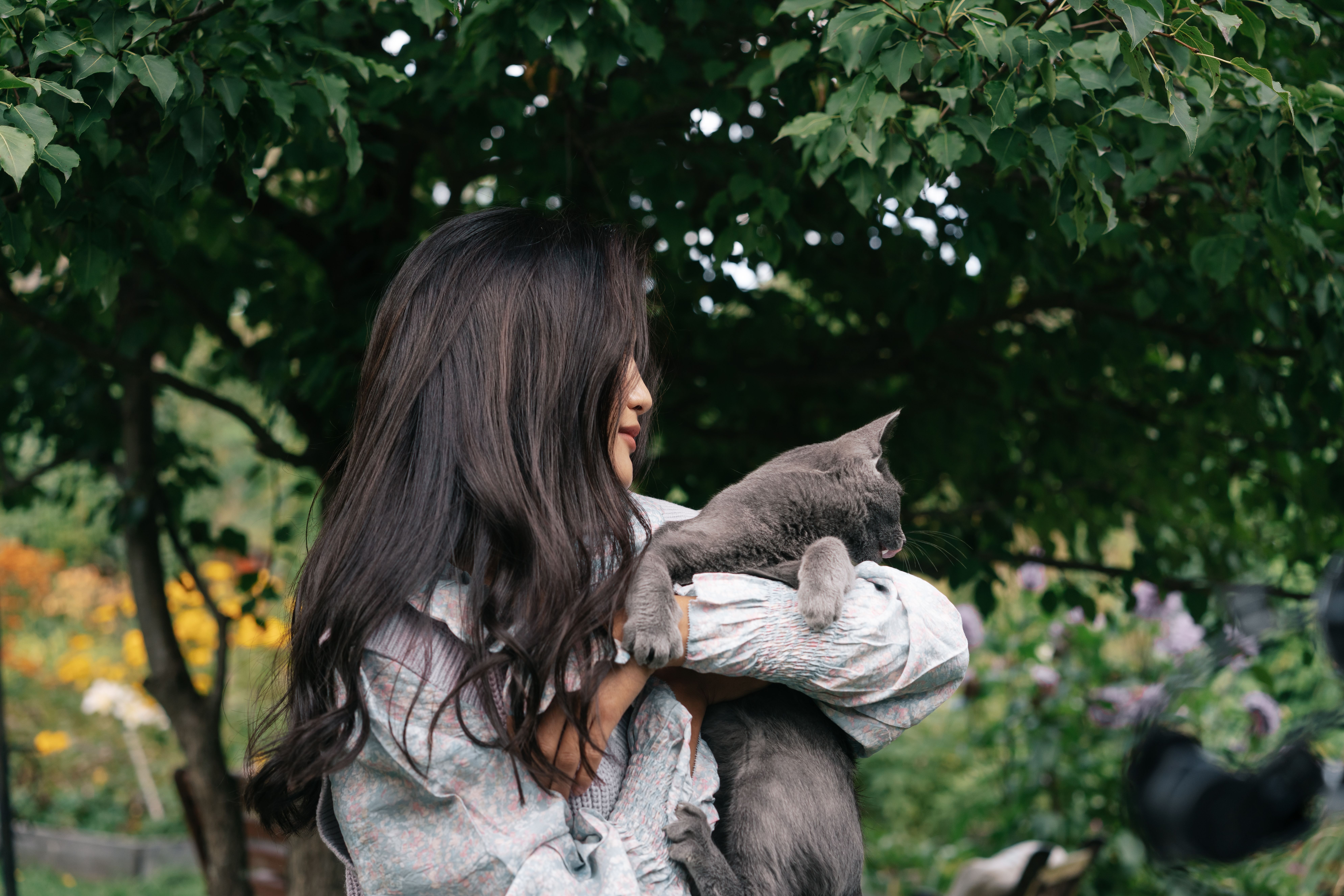
Modern life often feels fast, demanding, and overwhelming. Between work responsibilities, personal obligations, and constant digital distractions, anxiety and stress can easily become part of daily life. While many mindfulness techniques encourage people to focus on breathing or meditation, nature offers another powerful source of inspiration. Animals naturally live in the present moment, responding to their environment without dwelling on the past or worrying about the future. By observing and adopting some of their behaviors, people can develop simple mindfulness practices that help reduce anxiety and promote emotional balance.
Learning Presence from Cats
Cats are masters of mindfulness. They spend much of their day resting, stretching, observing their surroundings, and fully engaging in whatever they are doing. When a cat naps, it truly rests. When it plays, it focuses entirely on the activity.
People can learn from this by practicing single-tasking. Instead of multitasking throughout the day, choose one activity and give it your complete attention. Whether drinking a cup of tea, taking a walk, or reading a book, focus on the sights, sounds, and sensations involved. This simple shift can quiet racing thoughts and reduce feelings of overwhelm.
Read more: Why Being Around Cats Just Feels Good
Adopting the Calm Awareness of Deer
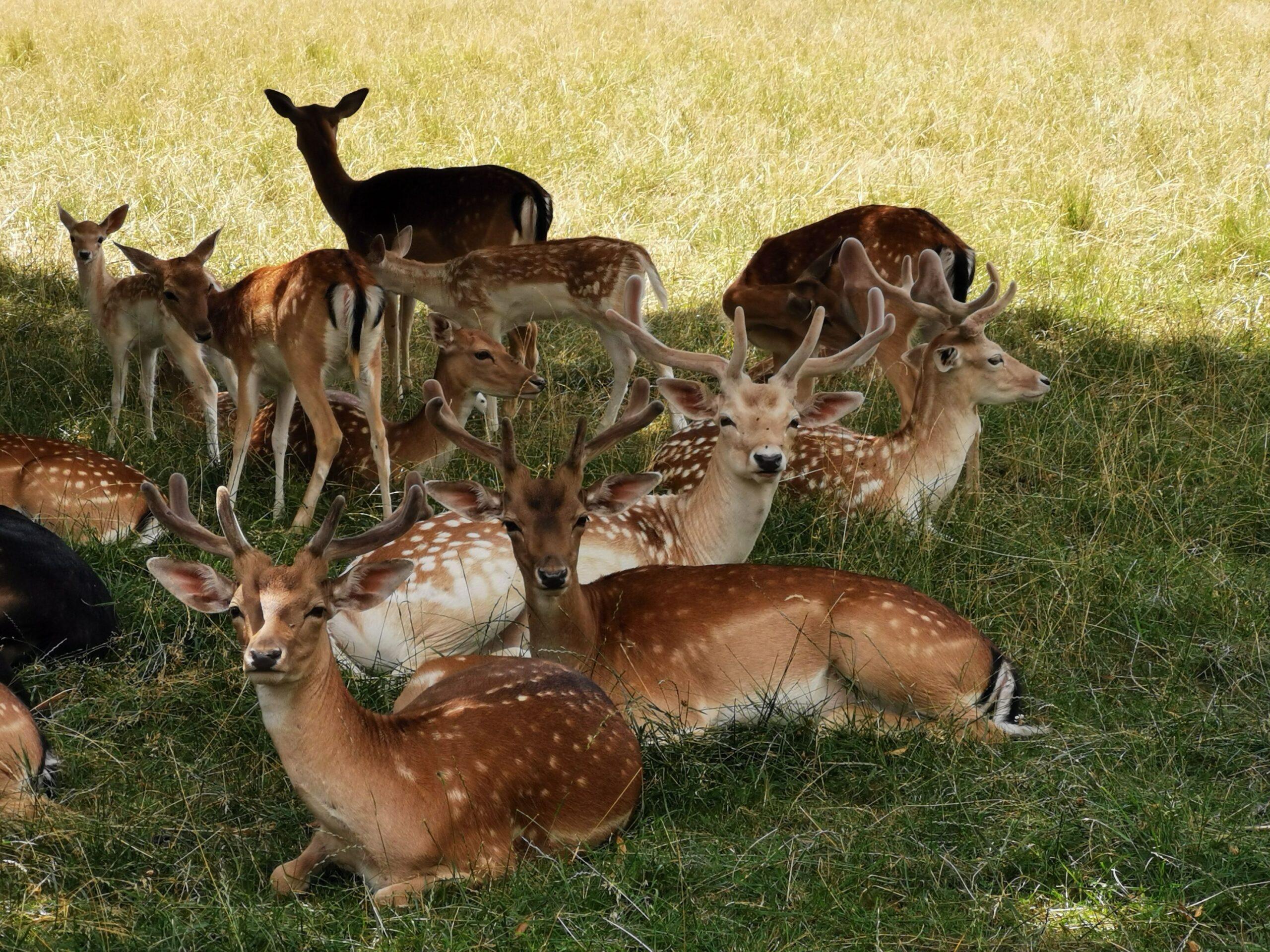
In the wild, deer remain aware of their surroundings without constantly reacting to every stimulus. They stay alert while maintaining a sense of calm unless genuine danger appears
This behavior offers a valuable lesson for managing anxiety. Many anxious thoughts arise from perceived threats rather than actual ones. When stress appears, pause and ask yourself whether the concern is happening right now or if it is simply a future possibility. Bringing attention back to the present moment can help prevent unnecessary worry from taking control.
Practicing Resilience Like Dogs
Dogs are known for their ability to bounce back quickly from stressful situations. A dog may become startled by a loud noise but often returns to a relaxed state shortly afterward. They do not spend hours replaying the event in their minds.
Humans can benefit from adopting this mindset. When something stressful occurs, acknowledge the experience, learn from it if necessary, and then allow yourself to move forward. Holding onto stressful events often extends emotional discomfort. Practicing forgiveness toward yourself and others can help release mental tension and create space for peace.
Discover: How Therapy Animals Can Help Individuals Build Resilience
Moving Mindfully Like Birds
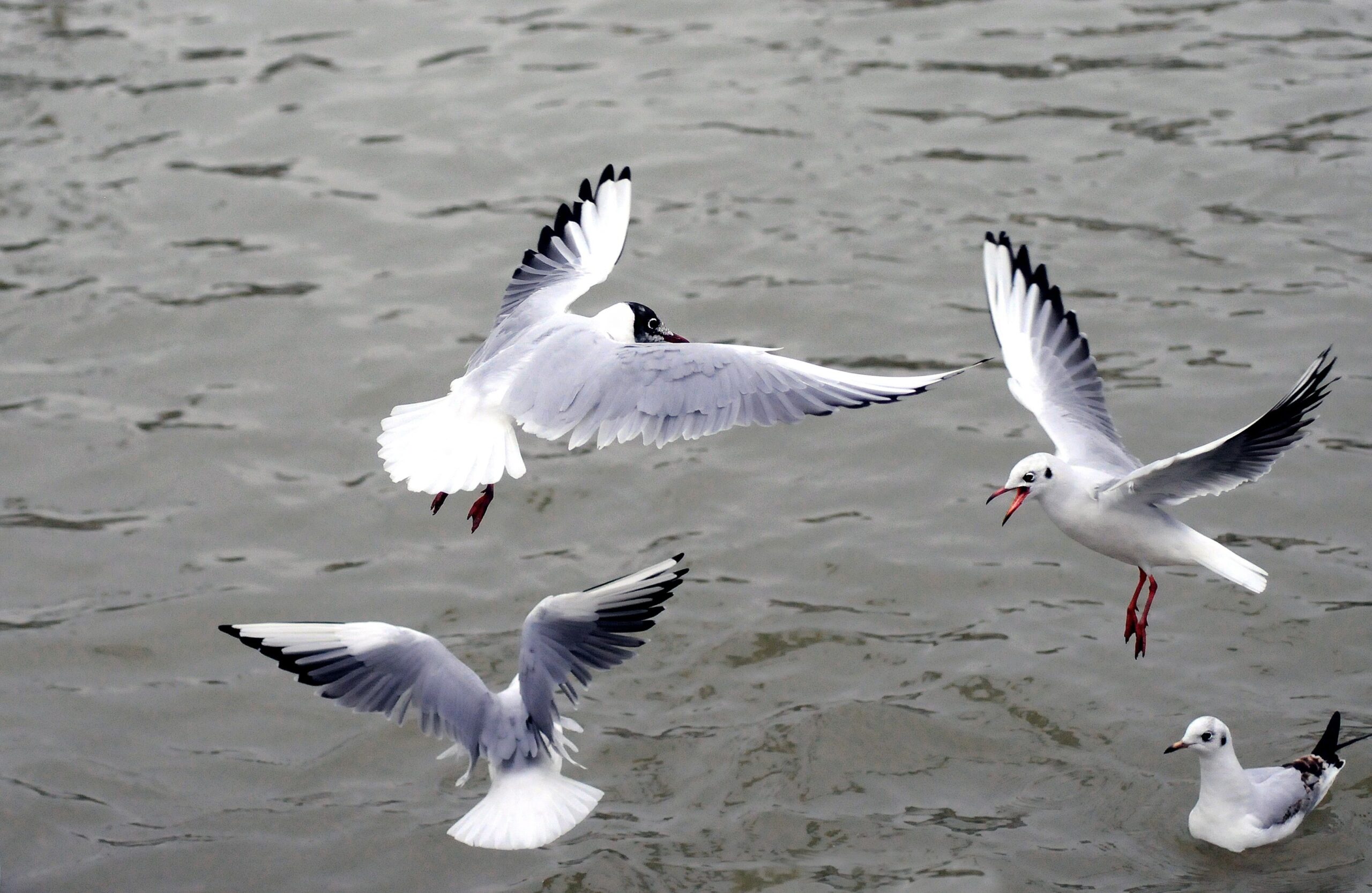
Birds spend much of their lives in motion, yet their movements often appear effortless and purposeful. Watching birds glide through the sky or hop between branches can serve as a reminder that movement itself can be a form of mindfulness.
Physical activity such as walking, stretching, dancing, or yoga can help reduce stress while increasing awareness of the body. During movement, focus on each step, breath, or motion rather than thinking about unfinished tasks. This helps anchor attention in the present and promotes a sense of calm.
Final Thoughts
Animals provide powerful examples of living with presence, awareness, and resilience. By embracing the focused attention of cats, the calm alertness of deer, the adaptability of dogs, and the mindful movement of birds, people can develop simple habits that support emotional well-being. These animal-inspired mindfulness practices offer practical ways to manage anxiety and stress, helping create a greater sense of peace in everyday life.
Do you own an assistance animal? Register your pet today.
The Service Animal Registry of California invites you to have your assistance animal registered in order to designate its status. We also encourage you to take our online classes so you can be fully aware of your rights and gain more knowledge about your support animal.
Finally, we present to you our book entitled, “ASSISTANCE ANIMAL LAWS: LEARN YOUR RIGHTS REGARDING SERVICE ANIMALS, EMOTIONAL SUPPORT ANIMALS, THERAPY PETS, AND OTHER DOGS, CATS, AND ASSISTANCE ANIMALS” to provide you with a complete education on assistance animals.
Purchase your copy of the book by clicking the image below.