Therapy dogs play an important role in bringing comfort, companionship, and emotional support to people in different environments. Whether they visit hospitals, nursing homes, schools, or community centers, these hardworking animals need proper care to stay healthy and active. One of the most important ways to support their overall well-being is through good nutrition. Providing balanced meals and nutrient-rich foods can help maintain a therapy dog’s immune system, support healthy body functions, and keep them ready for their daily activities.
1. Lean Proteins for Muscle and Tissue Health
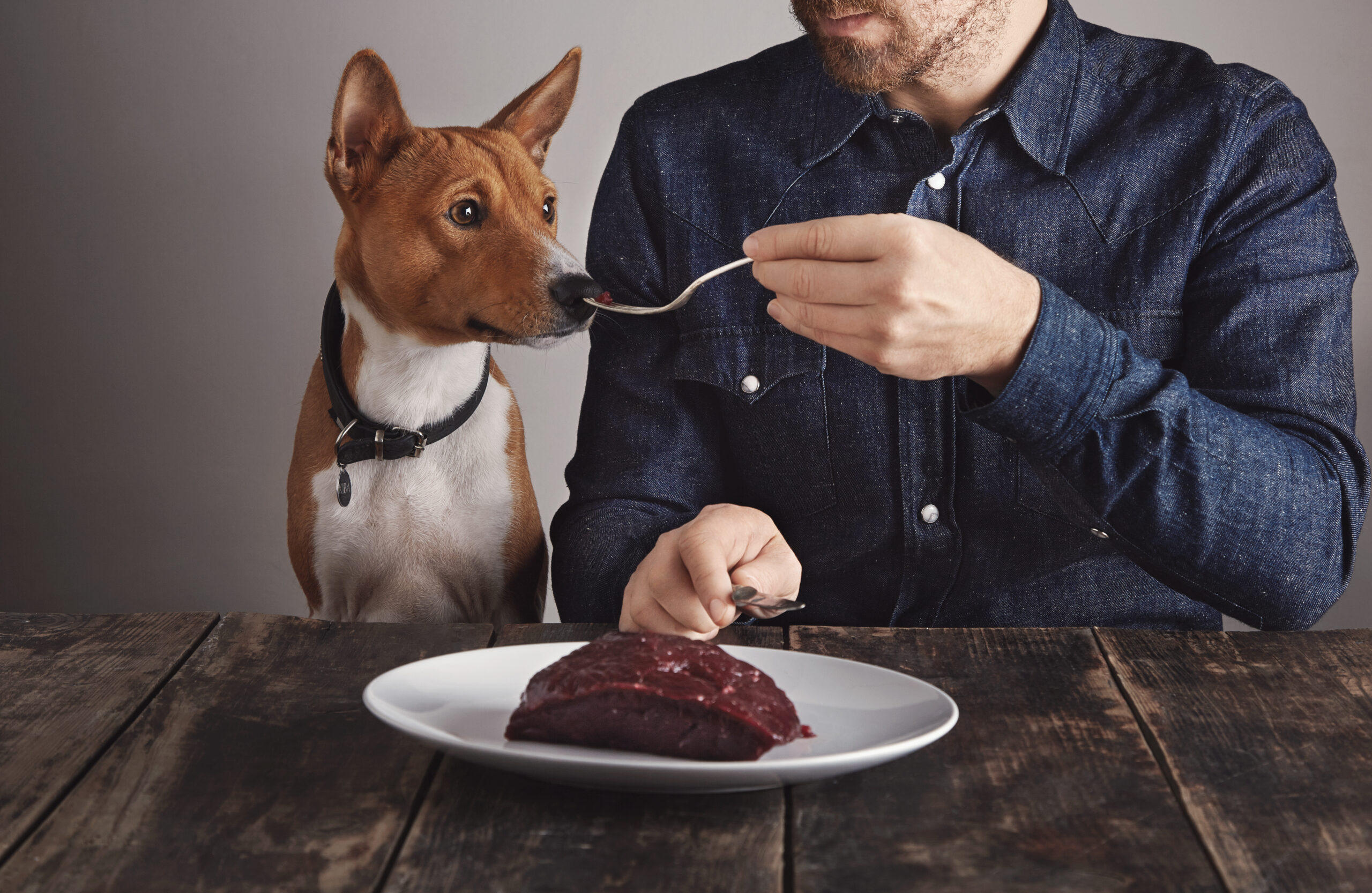
Protein is essential for maintaining strong muscles, repairing body tissues, and supporting immune function. Chicken, turkey, lean beef, and fish are excellent sources of high-quality protein for dogs. These foods provide amino acids that help the body produce antibodies and maintain healthy cells.
Make sure meats are thoroughly cooked, unseasoned, and served without bones. Avoid adding garlic, onions, or excessive salt, as these ingredients can be harmful to dogs.
2. Fish for Healthy Fats
Salmon and sardines contain omega-3 fatty acids, which help support a healthy inflammatory response and maintain skin and coat health. These nutrients can also contribute to overall immune system function.
Serve fish fully cooked, boneless, and without added seasonings. Small portions are usually sufficient, and fish should complement rather than replace a balanced diet.
3. Blueberries for Antioxidants
Blueberries are a convenient, dog-friendly treat packed with antioxidants, including vitamin C and other plant compounds. Antioxidants help protect cells from oxidative stress, which can affect overall health.
A few fresh or frozen blueberries can make a refreshing snack for therapy dogs. Wash fresh berries thoroughly and introduce them gradually to avoid digestive discomfort.
4. Carrots for Vitamins and Fiber

Carrots provide beta-carotene, which the body converts into vitamin A. This vitamin supports healthy skin, vision, and immune function. Carrots also contain dietary fiber, which contributes to digestive health.
Offer carrots washed, plain, and cut into appropriately sized pieces to prevent choking. They can be served raw or lightly cooked, depending on your dog’s preference.
5. Pumpkin for Digestive Support
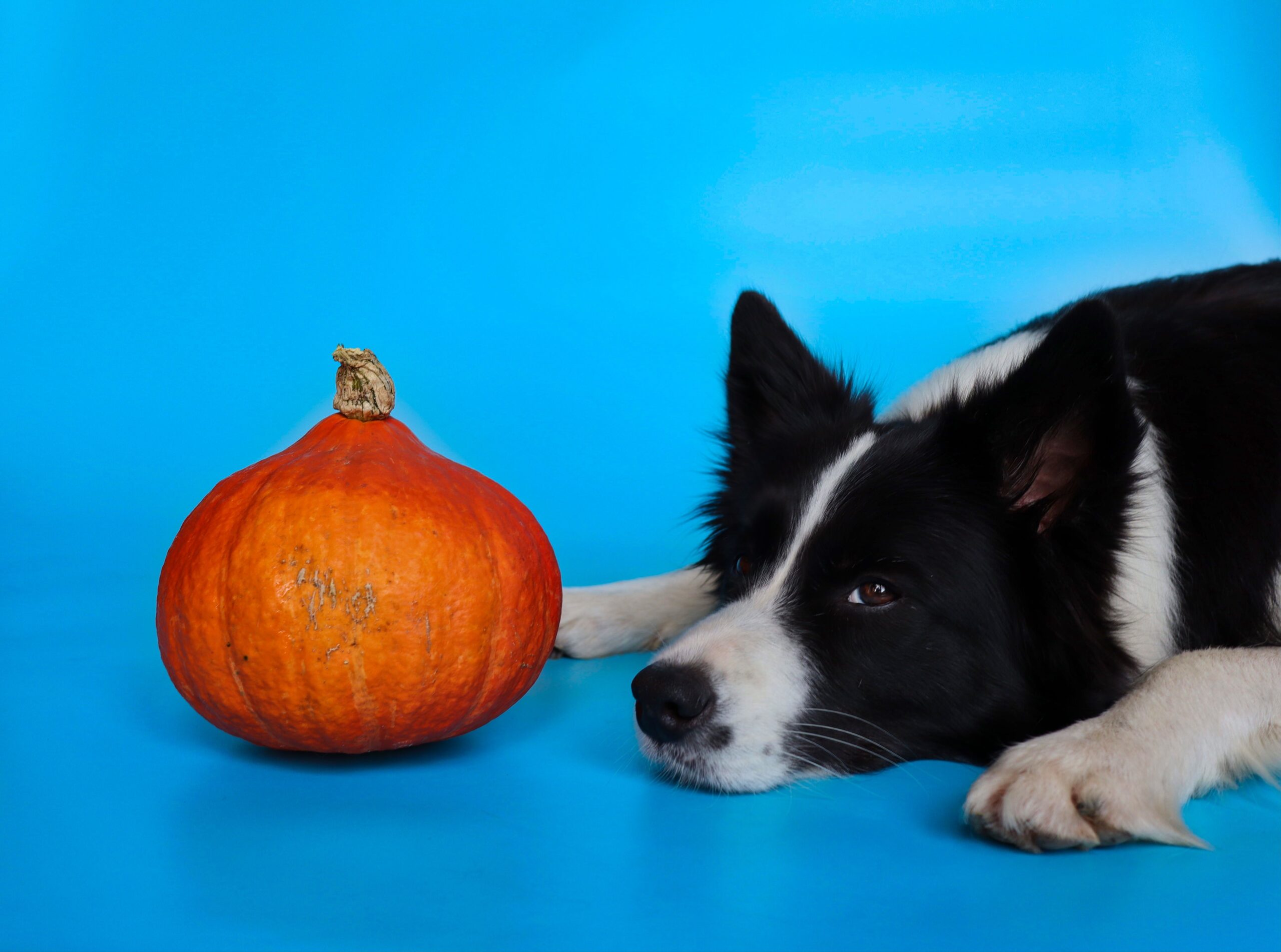
Plain pumpkin is a good source of fiber and can help support regular digestion. A healthy digestive system plays an important role in immune function because much of a dog’s immune activity is associated with the gastrointestinal tract.
Choose plain cooked pumpkin or 100% pure canned pumpkin without added sugar, spices, or sweeteners. Start with a small amount and adjust according to your veterinarian’s advice.
6. Plain Yogurt for Beneficial Bacteria
Some plain, unsweetened yogurt contains live cultures that may support gut health. Since digestive health and immune function are closely connected, these beneficial bacteria may contribute to a healthier digestive environment.
However, some dogs have difficulty digesting lactose. If you offer yogurt, choose a small amount of plain, xylitol-free yogurt and monitor your dog for digestive problems.
Final Thoughts
Supporting your therapy dog’s immune system begins with consistent nutrition, proper hydration, regular exercise, and routine veterinary care. Foods such as lean proteins, fish, blueberries, carrots, pumpkin, and plain yogurt can provide valuable nutrients when included appropriately in a balanced diet.
Remember that no single food can prevent illness or replace veterinary care. Before introducing new ingredients or supplements, consult your veterinarian to make sure they are appropriate for your dog’s age, size, health, and activity level. With thoughtful nutrition and proper care, you can help your therapy dog stay healthy, comfortable, and ready to share companionship with the people who need it most.
Discover more related articles below:
- How to Choose Healthy Treats for Your Emotional Support Animal
- Health Reminders for Service Animal Owners: Vaccines, Diet, and More
- How Nutrition Impacts Your Emotional Support Dog’s Performance
- Everyday Tips to Promote the Health and Wellness of Your Furry Friend
Do you own an assistance animal? Register your pet today.
The Service Animal Registry of California invites you to have your assistance animal registered in order to designate its status. We also encourage you to take our online classes so you can be fully aware of your rights and gain more knowledge about your support animal.
Finally, we present to you our book entitled, “ASSISTANCE ANIMAL LAWS: LEARN YOUR RIGHTS REGARDING SERVICE ANIMALS, EMOTIONAL SUPPORT ANIMALS, THERAPY PETS, AND OTHER DOGS, CATS, AND ASSISTANCE ANIMALS” to provide you with a complete education on assistance animals.
Purchase your copy of the book by clicking the image below.
