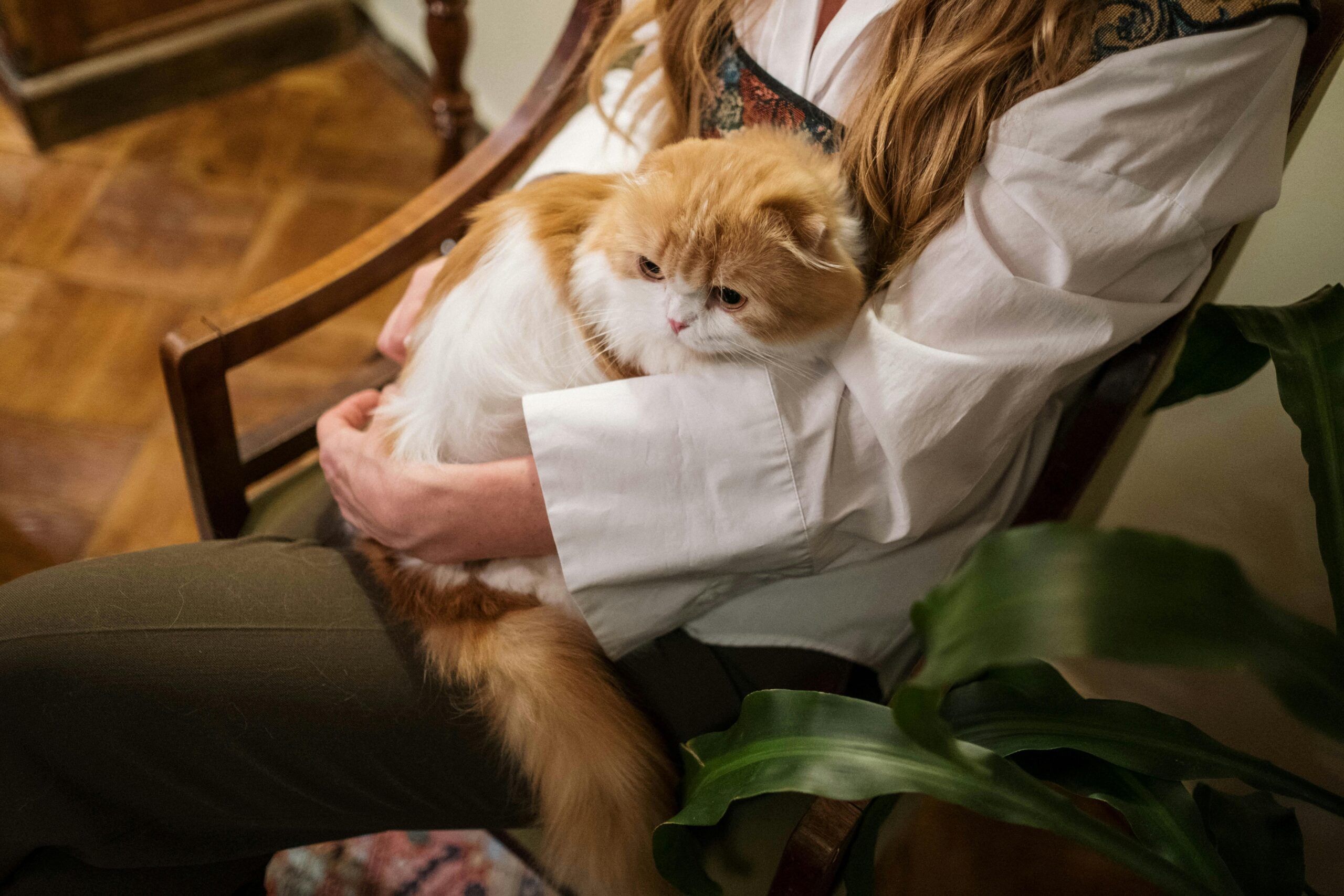
Cats are often seen as independent, quiet companions, but some have a special ability to comfort people in emotional and therapeutic settings. Therapy cats can visit hospitals, nursing homes, schools, and counseling centers to provide calm companionship and emotional support. While not every cat is suited for this role, certain personality traits and behaviors can signal strong therapy animal potential. Understanding these signs can help cat owners recognize whether their feline companion may thrive in a therapy environment.
A Calm and Gentle Personality
One of the clearest signs of therapy potential is a naturally calm temperament. Therapy cats should remain relaxed in different environments and around unfamiliar people. A cat that rarely becomes aggressive, startled, or overly anxious may adapt better to therapeutic settings.
Gentle cats often enjoy sitting beside people, resting calmly on laps, or quietly observing activity around them. They tend to react patiently to petting and attention rather than becoming irritated quickly.
Cats with a balanced temperament can help create a soothing atmosphere for people experiencing stress, loneliness, or emotional challenges.
Enjoys Human Interaction
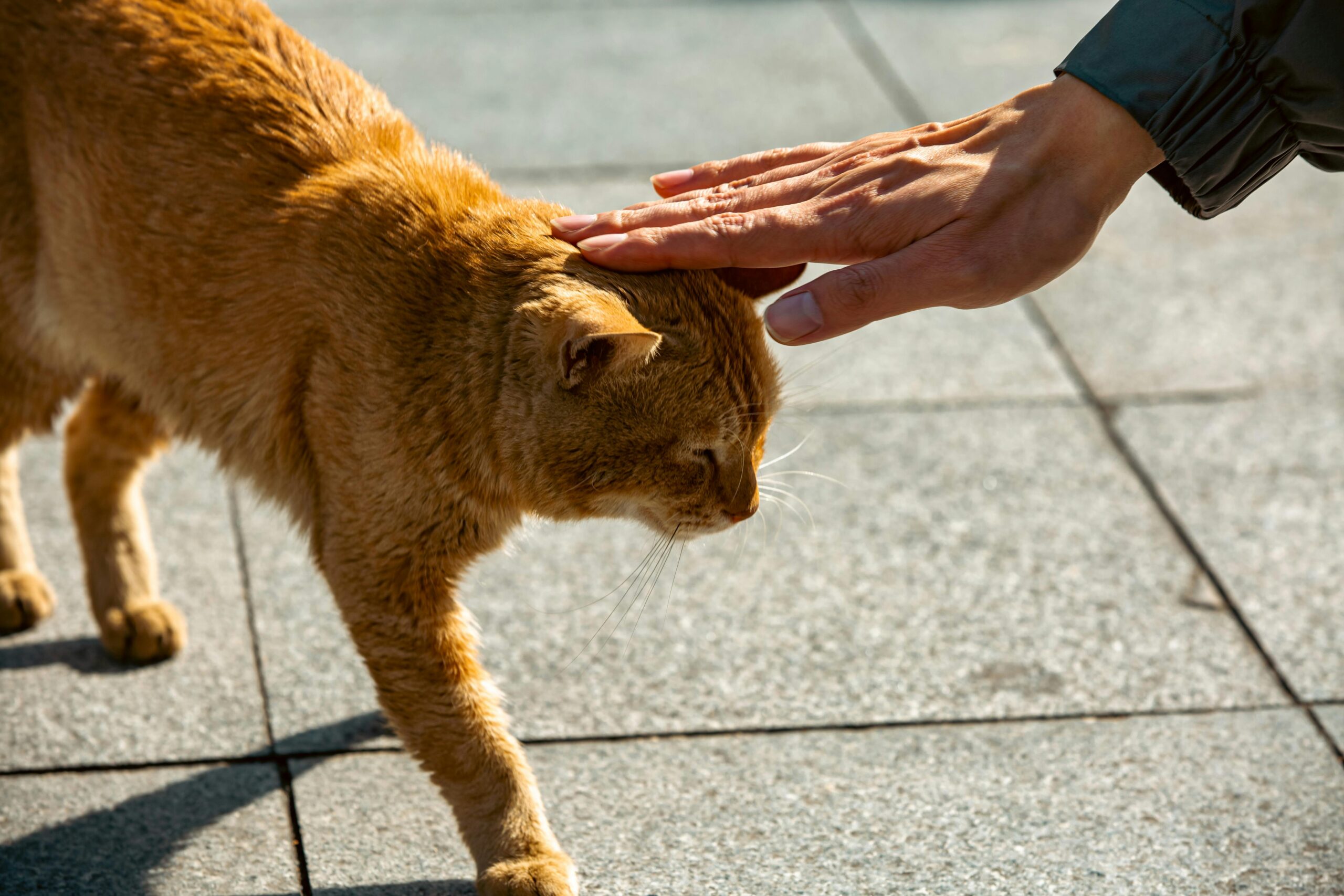
Therapy cats typically enjoy being around people instead of hiding from them. If your cat frequently approaches guests, seeks affection, or follows people from room to room, these may be positive indicators. A therapy-oriented cat often:
- Greets visitors without fear
- Accepts petting from unfamiliar people
- Shows curiosity rather than avoidance
- Enjoys physical closeness
Cats that naturally connect with humans may provide comfort more effectively in therapeutic situations.
Comfortable With Handling
Therapy work may involve being held, brushed, or gently touched by different individuals. Cats with therapy potential usually tolerate handling well and do not react negatively to mild physical interaction.
This does not mean the cat should enjoy rough handling or constant restraint. Instead, they should remain reasonably patient and relaxed during normal human contact.
Cats that panic easily during grooming, veterinary visits, or routine handling may find therapy environments stressful rather than rewarding.
Adapts Well to New Environments

Therapy animals often travel to unfamiliar places filled with new sounds, smells, and people. A strong therapy candidate usually adjusts to change without extreme fear.
Some signs of adaptability include:
- Exploring new rooms confidently
- Remaining calm during car rides
- Recovering quickly from unexpected noises
- Staying relaxed in busy environments
A cat that becomes overwhelmed by every change in routine may struggle with the demands of therapy visits.
Discover: Essential Tips for Training Therapy Animals
Sensitive to Human Emotions
Many therapy cats appear unusually aware of human emotions. They may sit beside someone who is upset, gently nudge a person needing comfort, or stay close during stressful moments.
This emotional sensitivity can make therapy cats especially comforting in hospitals, senior living communities, or mental health settings. Cats that instinctively respond to sadness, anxiety, or loneliness often form meaningful emotional connections with people.
Healthy and Well-Socialized
Good health is essential for therapy animals. Cats considered for therapy work should be physically healthy, vaccinated, and comfortable around both humans and other animals.
Socialization also plays a major role. Cats exposed early to different people, sounds, and environments are often more confident and adaptable later in life. Even naturally friendly cats benefit from gradual exposure to new experiences and positive reinforcement training.
Final Thoughts
Not every affectionate cat is automatically suited for therapy work, but certain qualities can strongly suggest potential. Calm behavior, emotional sensitivity, adaptability, and a genuine enjoyment of human interaction are some of the most important signs. For owners interested in therapy animal programs, observing your cat’s natural reactions is the best place to start. With proper training, socialization, and patience, some cats can become comforting companions that positively impact the lives of many people beyond their own homes.
Do you own an assistance animal? Register your pet today.
The Service Animal Registry of California invites you to have your assistance animal registered in order to designate its status. We also encourage you to take our online classes so you can be fully aware of your rights and gain more knowledge about your support animal.
Finally, we present to you our book entitled, “ASSISTANCE ANIMAL LAWS: LEARN YOUR RIGHTS REGARDING SERVICE ANIMALS, EMOTIONAL SUPPORT ANIMALS, THERAPY PETS, AND OTHER DOGS, CATS, AND ASSISTANCE ANIMALS” to provide you with a complete education on assistance animals.
Purchase your copy of the book by clicking the image below.
