
Therapy animal sessions are designed to create a calm, supportive environment where people can relax, connect, and feel emotionally at ease. Whether the setting is a hospital, school, nursing home, or private therapy space, these sessions follow a gentle structure that prioritizes comfort, safety, and meaningful interaction.
A Warm Introduction
Most sessions begin with a simple introduction between the participant and the therapy animal. The handler, who is trained to guide the interaction, will explain the animal’s name, temperament, and any basic guidelines. This helps set expectations and ensures that everyone feels safe. For someone new to therapy animals, this step is especially important in easing any hesitation or uncertainty.
Building Comfort and Connection
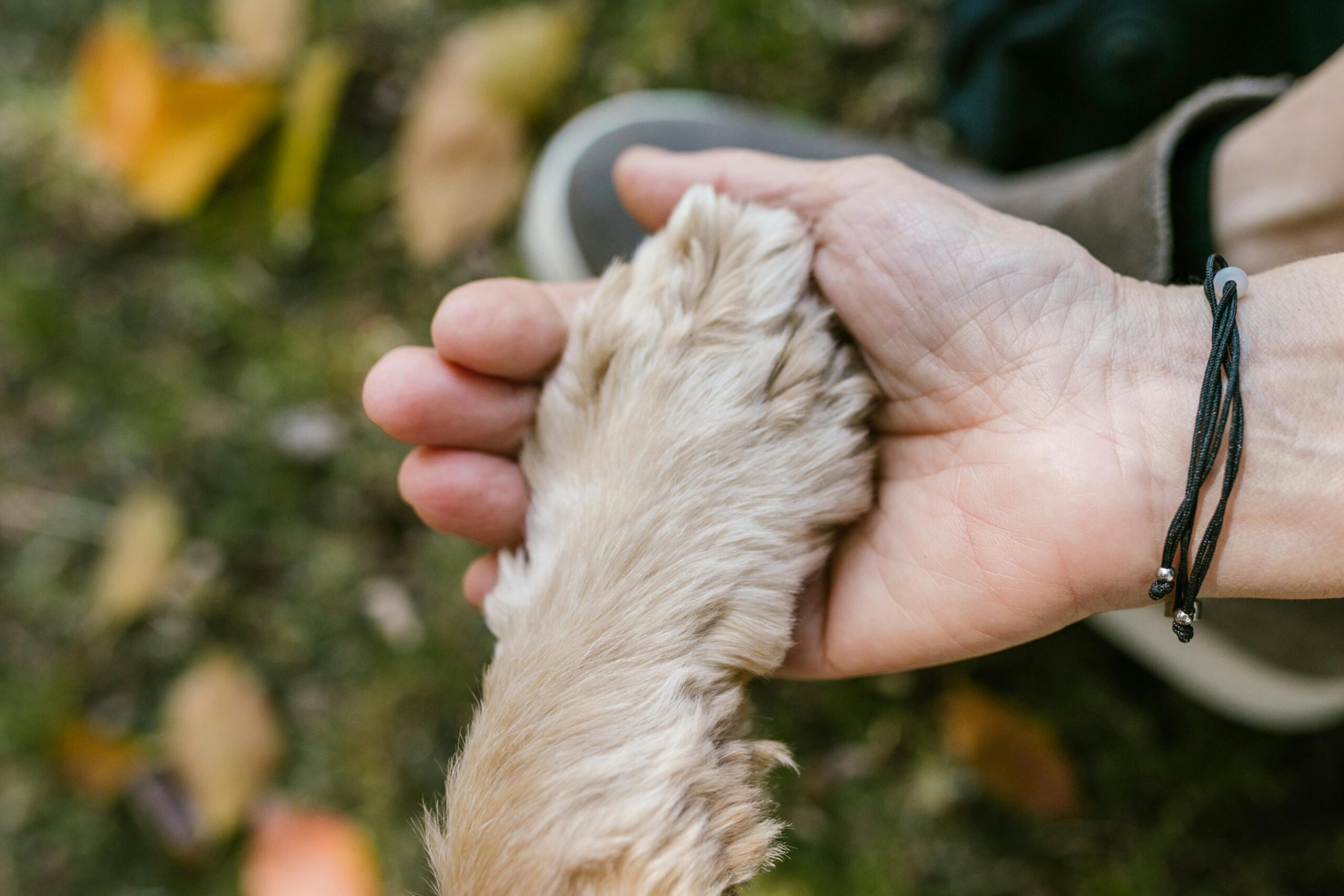
Once introductions are complete, the focus shifts to interaction. This might involve petting the animal, brushing its fur, or simply sitting quietly beside it. The pace is always unhurried. Therapy animals are trained to be calm and responsive, which allows participants to engage at their own comfort level. Some people may immediately connect, while others take a bit more time—and both are completely okay.
Physical touch plays a big role here. The act of stroking a dog or holding a small animal can help lower stress levels and promote relaxation. For many, this quiet moment becomes a break from anxiety, overthinking, or emotional tension.
Discover: The Science of Touch: Why Petting an Animal Helps the Brain
Guided Activities
In some sessions, especially those led by licensed therapists, there may be light structure or activities involved. These could include reading aloud to the animal, practicing communication skills, or engaging in simple games. For children, therapy animals often make it easier to open up or stay focused. In mental health settings, the presence of an animal can gently encourage people to express emotions they might otherwise hold back.
The animal acts as a bridge—reducing pressure and making the experience feel less clinical and more natural.
Emotional Support in Real Time

One of the most powerful aspects of a therapy animal session is the emotional feedback participants receive. Animals are highly intuitive and often respond to human emotions in subtle ways. A dog might rest its head on someone’s lap when they’re feeling down, or stay close to provide quiet companionship. These small gestures can feel incredibly comforting and validating.
Unlike human interactions, there’s no judgment, no expectations—just presence. That alone can make a significant difference for someone dealing with stress, loneliness, or trauma.
Read more: Why Do Our Pets Make Us Feel Good?
Wrapping Up the Session
Sessions usually end with a gradual wind-down. Participants may spend a few final moments with the animal, reflect on how they feel, or share thoughts with the handler or therapist. This closing helps reinforce the positive experience and allows for a smooth transition back to daily routines.
Final Thoughts
A therapy animal session may seem simple on the surface, but its impact can be profound. Through calm interaction, gentle connection, and emotional support, these sessions create a space where people can feel seen, soothed, and grounded. Sometimes, healing doesn’t require words—just a quiet moment with a compassionate companion.
Do you own an assistance animal? Register your pet today.
The Service Animal Registry of California invites you to have your assistance animal registered in order to designate its status. We also encourage you to take our online classes so you can be fully aware of your rights and gain more knowledge about your support animal.
Finally, we present to you our book entitled, “ASSISTANCE ANIMAL LAWS: LEARN YOUR RIGHTS REGARDING SERVICE ANIMALS, EMOTIONAL SUPPORT ANIMALS, THERAPY PETS, AND OTHER DOGS, CATS, AND ASSISTANCE ANIMALS” to provide you with a complete education on assistance animals.
Purchase your copy of the book by clicking the image below.
