For many people living with epilepsy, managing seizures involves medication, regular medical care, and lifestyle adjustments. In some cases, a service dog can provide an additional layer of support by helping with tasks related to seizure safety. If you’ve wondered whether you can get a service dog for epilepsy, the answer is yes—provided your condition meets the legal definition of a disability and the dog is trained to perform specific tasks that assist with your epilepsy.
What Is an Epilepsy Service Dog?
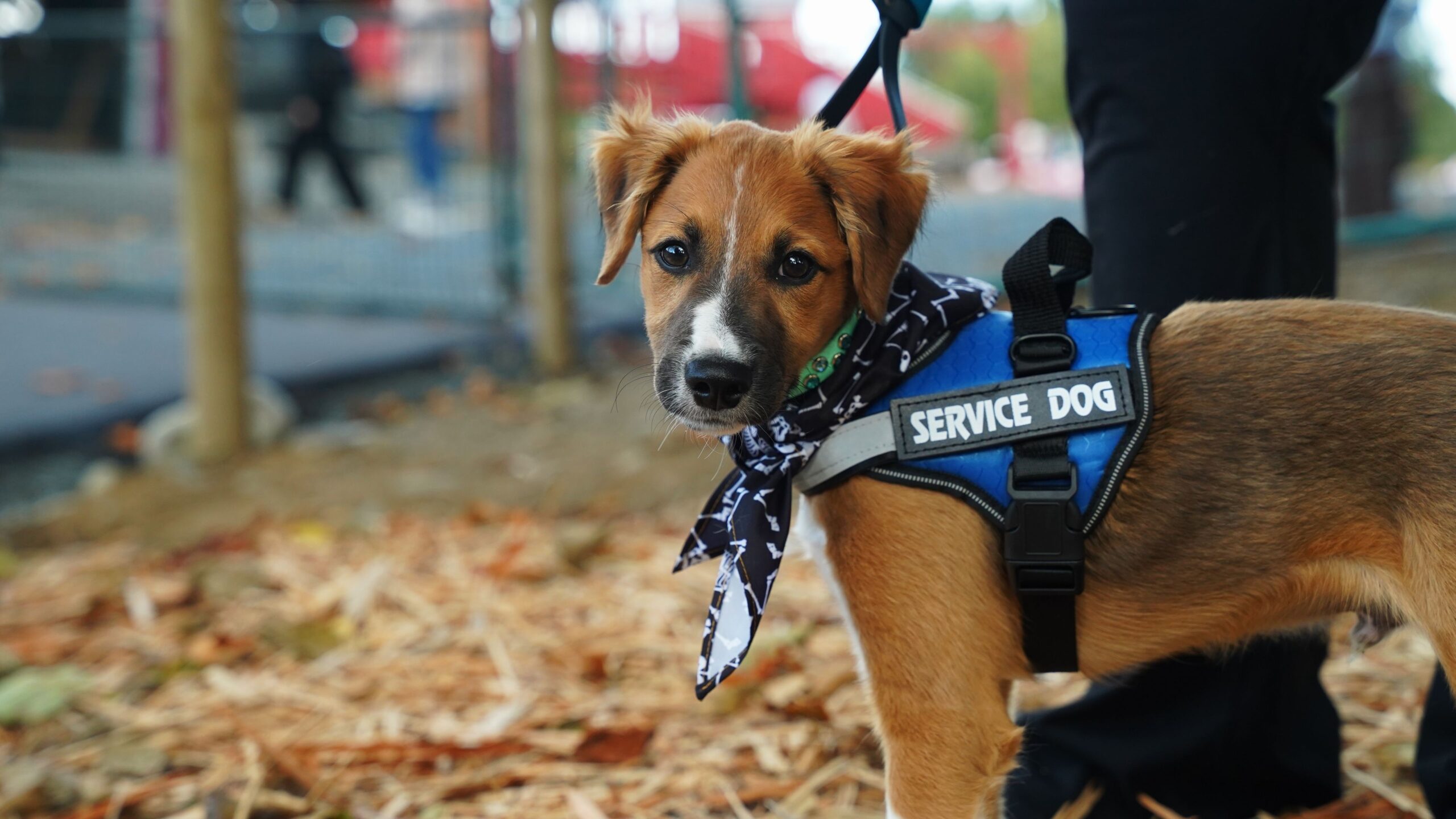
An epilepsy service dog is a specially trained dog that assists a person whose seizures substantially limit one or more major life activities. Unlike pets or emotional support animals, service dogs are trained to perform work or tasks directly related to their handler’s disability.
Depending on the individual’s needs, an epilepsy service dog may be trained to remain beside its handler during a seizure, retrieve a phone or medication, activate an emergency alert device, or seek help from another person nearby. Some dogs also provide physical support after a seizure, helping their handler regain balance and safely recover.
Can Service Dogs Predict Seizures?
Some individuals report that their dogs appear to notice behavioral or physical changes before a seizure occurs. Researchers continue to study this phenomenon, but there is currently no scientific evidence that all dogs can reliably predict seizures or that this ability can be consistently trained.
Because of this uncertainty, reputable service dog programs focus on teaching dependable tasks that improve safety during and after seizures rather than guaranteeing seizure prediction.
Who May Qualify for a Service Dog?
Eligibility depends on whether epilepsy significantly affects daily life. People who experience frequent seizures, have an increased risk of injury, or require assistance during seizure episodes may benefit from a service dog.
A healthcare provider can help determine whether a service dog is appropriate based on your medical condition, lifestyle, and support needs. They may also provide documentation that is required by some service dog organizations during the application process.
Read more: Need a Service Dog? Here’s What to Do First
What Is the Training Process Like?
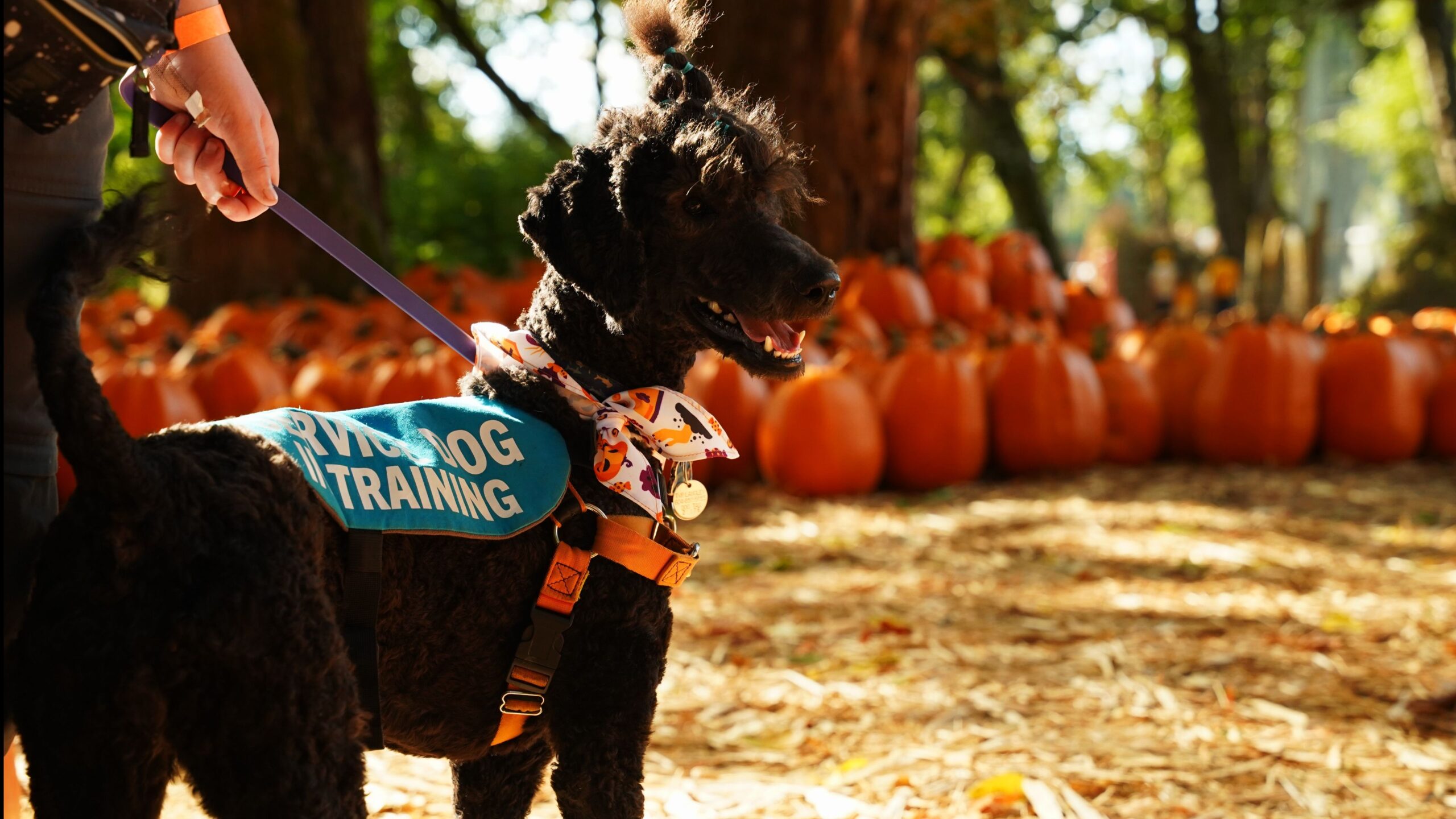
Training a service dog is a lengthy and specialized process. Most dogs receive professional training for many months before being matched with a handler. The training focuses on reliable task performance, good public behavior, and responding appropriately during emergencies.
After placement, handlers also receive instruction on working with their service dog and are responsible for reinforcing the dog’s training throughout its working life. Regular veterinary care, exercise, grooming, and ongoing practice are essential to maintaining the dog’s health and skills.
Service Dogs Are Part of a Broader Care Plan
A service dog should never replace medical treatment for epilepsy. Instead, these dogs work alongside medications, regular appointments, and other treatment recommendations from healthcare providers. Continuing to follow your prescribed care plan remains essential for managing seizures safely.
Many people find that a service dog enhances their independence, but it is only one component of comprehensive epilepsy management.
Understanding Public Access Rights

In the United States, trained service dogs are generally permitted to accompany their handlers in most public places under the Americans with Disabilities Act (ADA). Businesses may ask limited questions to determine whether a dog is a service animal, but they cannot require medical documentation or certification solely for public access.
Handlers are responsible for ensuring that their service dog remains under control and behaves appropriately in public settings.
Read more: What Are the Rights of People Using Service Animals?
Final Thoughts
A service dog can be a valuable partner for some people living with epilepsy by providing practical assistance before, during, or after a seizure. While these dogs are not a cure and cannot guarantee seizure prediction, they can improve safety, confidence, and independence for individuals whose epilepsy substantially affects daily life. If you believe a service dog may benefit you or a loved one, speak with your healthcare provider and explore reputable service dog organizations to determine the best path forward.
Do you own an assistance animal? Register your pet today.
The Service Animal Registry of California invites you to have your assistance animal registered in order to designate its status. We also encourage you to take our online classes so you can be fully aware of your rights and gain more knowledge about your support animal.
Finally, we present to you our book entitled, “ASSISTANCE ANIMAL LAWS: LEARN YOUR RIGHTS REGARDING SERVICE ANIMALS, EMOTIONAL SUPPORT ANIMALS, THERAPY PETS, AND OTHER DOGS, CATS, AND ASSISTANCE ANIMALS” to provide you with a complete education on assistance animals.
Purchase your copy of the book by clicking the image below.
