

Summer brings longer days and warmer temperatures, creating unique challenges for working therapy animals. Whether they visit hospitals, schools, nursing homes, rehabilitation centers, or community events, therapy animals rely on proper nutrition and hydration to stay healthy, energetic, and comfortable. Seasonal adjustments to their diet and care routine can help them perform their important roles while reducing the risk of heat-related issues.
Prioritize Hydration
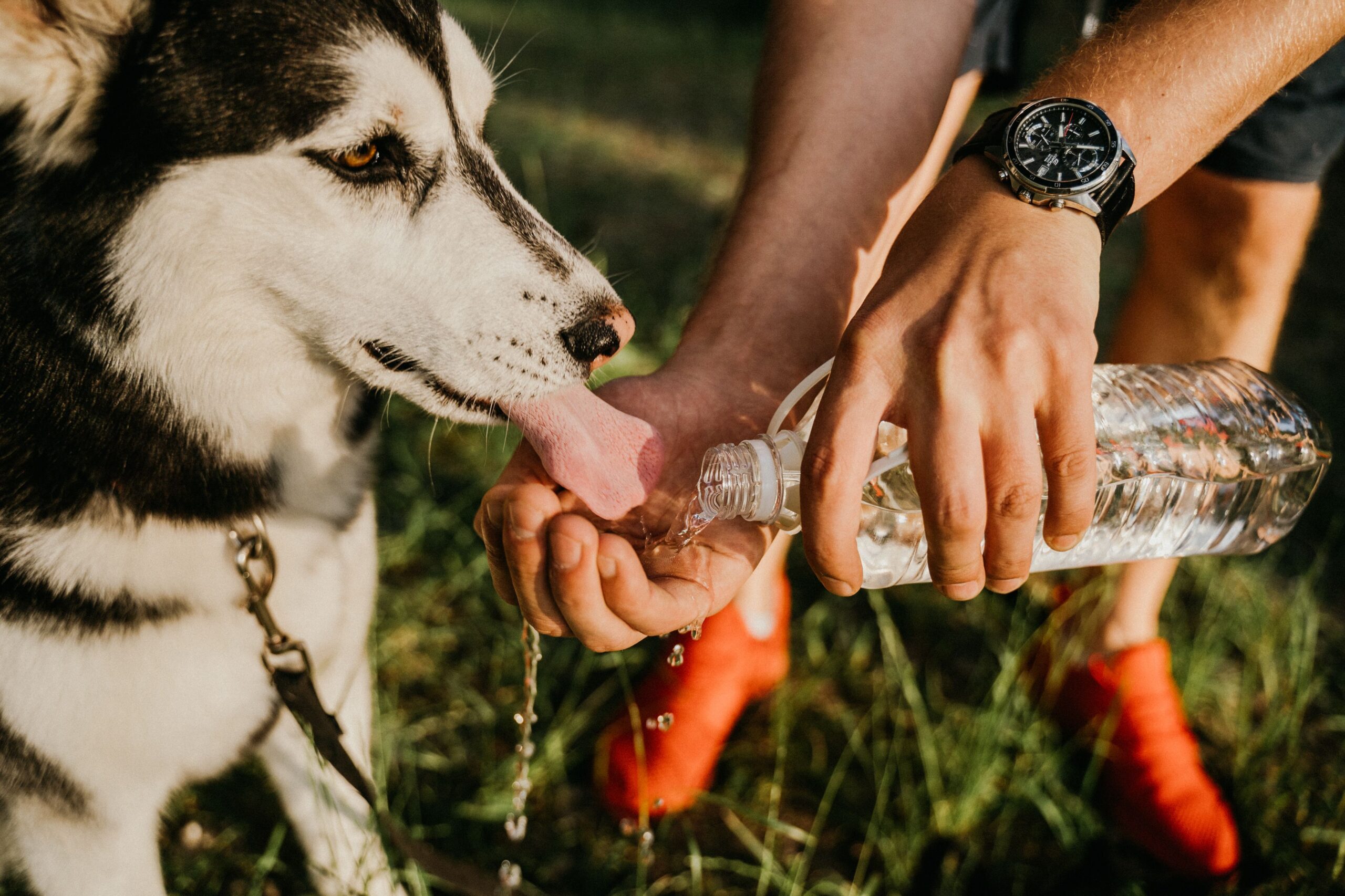
Hydration is the most important aspect of summer care. Therapy animals lose more fluids through panting and increased activity, making dehydration a concern during hot weather.
Always provide access to fresh, clean water before, during, and after therapy visits. Handlers who travel frequently should carry portable water bottles and collapsible bowls to encourage regular drinking. Even if an animal does not seem thirsty, offering water breaks throughout the day helps maintain proper hydration.
Feed a Balanced, Consistent Diet
A complete and balanced diet supports muscle function, immune health, and overall wellness. Therapy animals need nutrition that matches their species, age, size, activity level, and individual health needs.
Summer is generally not the best time to introduce major dietary changes unless recommended by a veterinarian. Sudden changes in food can upset digestion and affect an animal’s comfort during therapy visits.
Discover: Health Reminders for Service Animal Owners: Vaccines, Diet, and More
Time Meals Wisely
Meal timing can improve comfort during warm weather. Large meals immediately before therapy sessions or outdoor activities may contribute to digestive discomfort, particularly on hot days. Feeding several hours before work or after visits are complete allows the animal to digest comfortably while remaining focused during interactions.
Choose Healthy Treats

Treats are commonly used to reward therapy animals during training and after successful visits. While rewarding positive behavior is important, treats should complement a healthy diet rather than replace it.
Choose nutritious, low-calorie treats that support healthy weight management. During summer, store treats in insulated containers or shaded areas whenever possible, as excessive heat may reduce their freshness and quality.
Offer Safe, Hydrating Snacks
Some fresh fruits and vegetables can serve as refreshing summer snacks when approved by a veterinarian. For many dogs, small portions of cucumber, seedless watermelon (without the rind), blueberries, and carrots provide hydration along with vitamins and fiber. Introduce any new food gradually, and always verify that it is safe for your specific therapy animal, as some foods can be harmful.
Maintain a Healthy Weight
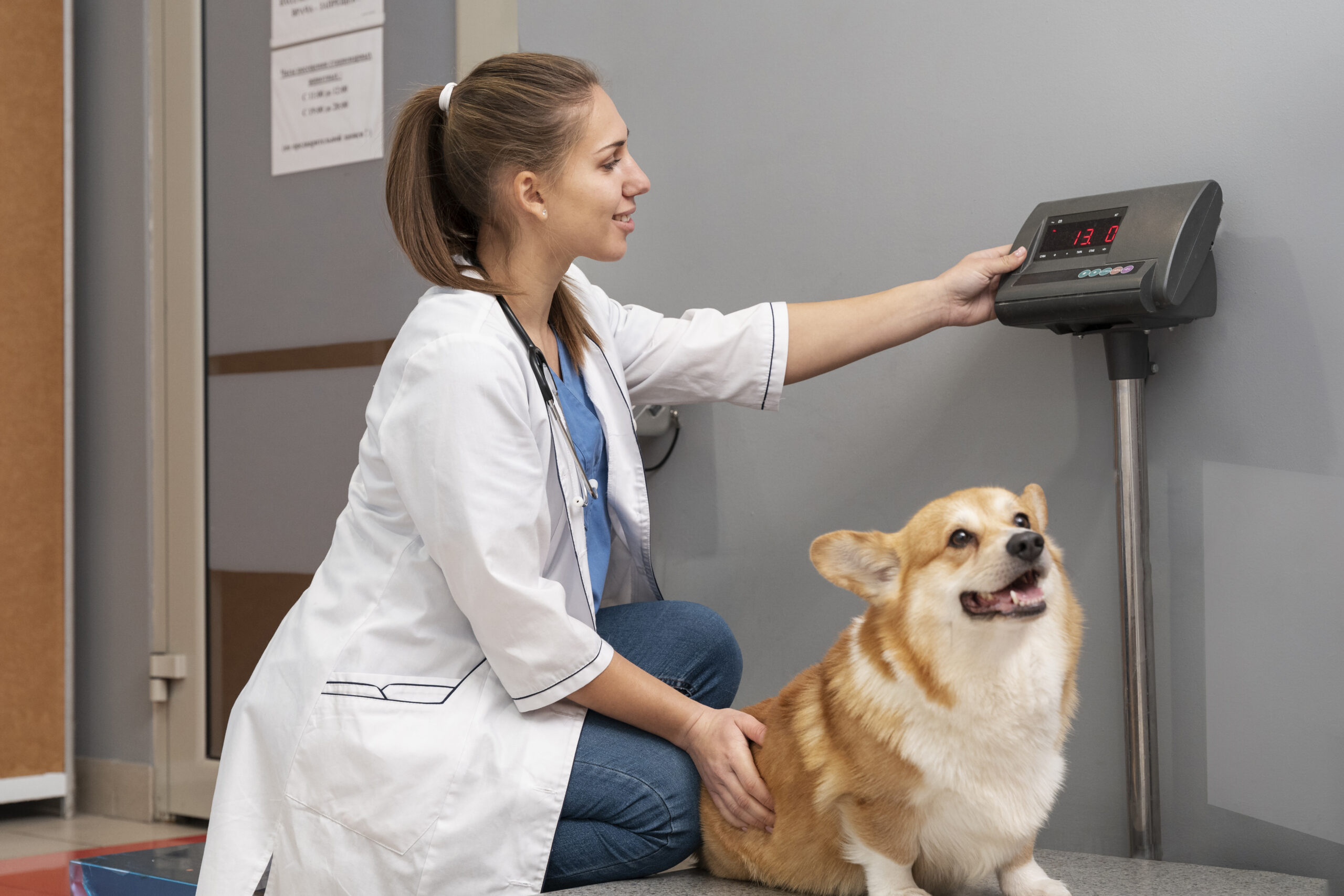
A healthy body weight helps therapy animals regulate body temperature more efficiently. Animals carrying excess weight may tire more quickly and experience greater difficulty coping with summer heat.
Regular exercise during the cooler morning or evening hours, combined with appropriate portion sizes and balanced nutrition, supports long-term health and endurance.
Prepare for Travel
Many therapy animals travel between multiple facilities or events. Packing nutrition essentials helps maintain consistency throughout the day.
Bring pre-measured meals, fresh drinking water, familiar treats, and feeding supplies whenever traveling. Never leave food inside a parked vehicle, as high temperatures can quickly spoil food and create safety concerns.
Read more: 8 Things You Should Bring While Traveling with Your Service Animal
Schedule Regular Veterinary Checkups

Every therapy animal has unique nutritional requirements based on age, breed, health status, and workload. Routine veterinary visits provide an opportunity to evaluate body condition, discuss seasonal nutrition, and identify any adjustments that may improve overall health and performance.
Read more: Vet-Approved Health Tips Every Assistance Animal Owner Should Know
Final Thoughts
Proper summer nutrition goes beyond simply providing food. Consistent hydration, balanced meals, healthy treats, safe snacks, and thoughtful meal timing all contribute to a therapy animal’s comfort and well-being. By making seasonal adjustments and working closely with a veterinarian, handlers can help their therapy animals stay healthy, energized, and ready to provide the comfort and companionship that make such a positive difference in the lives of others.
Do you own an assistance animal? Register your pet today.
The Service Animal Registry of California invites you to have your assistance animal registered in order to designate its status. We also encourage you to take our online classes so you can be fully aware of your rights and gain more knowledge about your support animal.
Finally, we present to you our book entitled, “ASSISTANCE ANIMAL LAWS: LEARN YOUR RIGHTS REGARDING SERVICE ANIMALS, EMOTIONAL SUPPORT ANIMALS, THERAPY PETS, AND OTHER DOGS, CATS, AND ASSISTANCE ANIMALS” to provide you with a complete education on assistance animals.
Purchase your copy of the book by clicking the image below.
