Can Animals Help Us Live In The Moment?

Modern life encourages constant planning, multitasking, and staying connected at all times. While these habits can be useful, they often pull us away from the present moment. Animals offer a quiet contrast. They live almost entirely in the now, and spending time with them can gently remind us how to slow down and pay attention to what’s happening right in front of us.

Animals Are Naturally Present

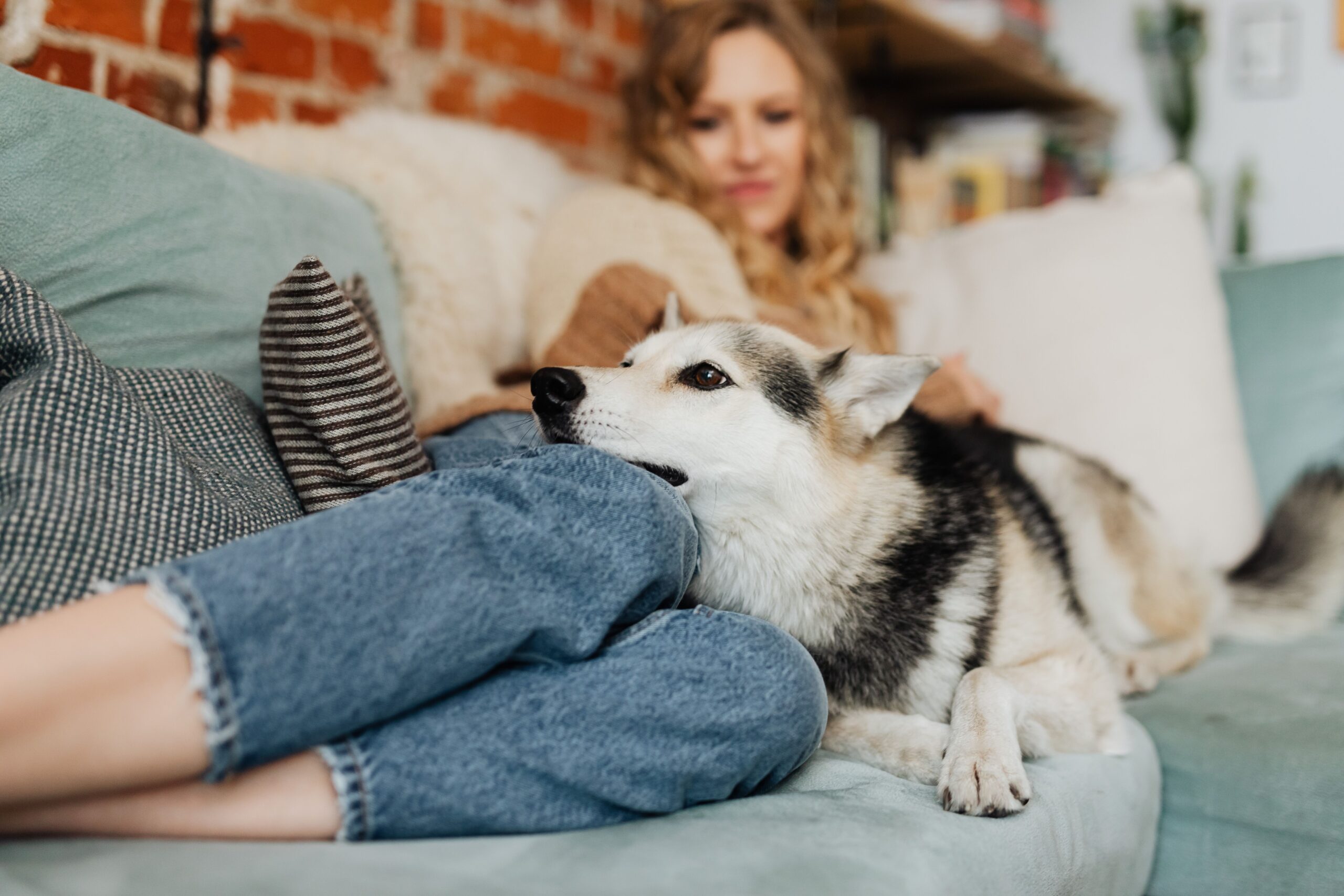
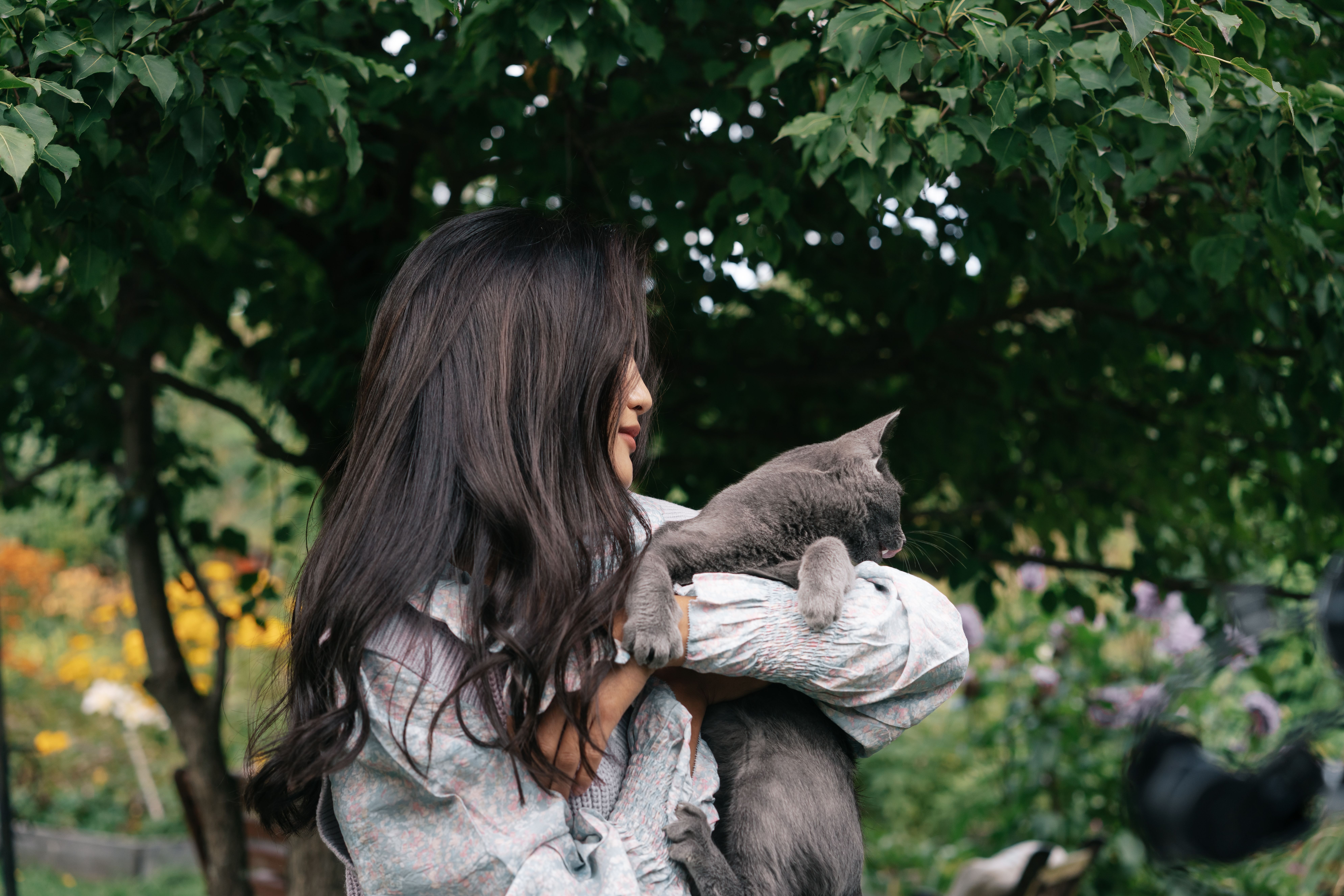
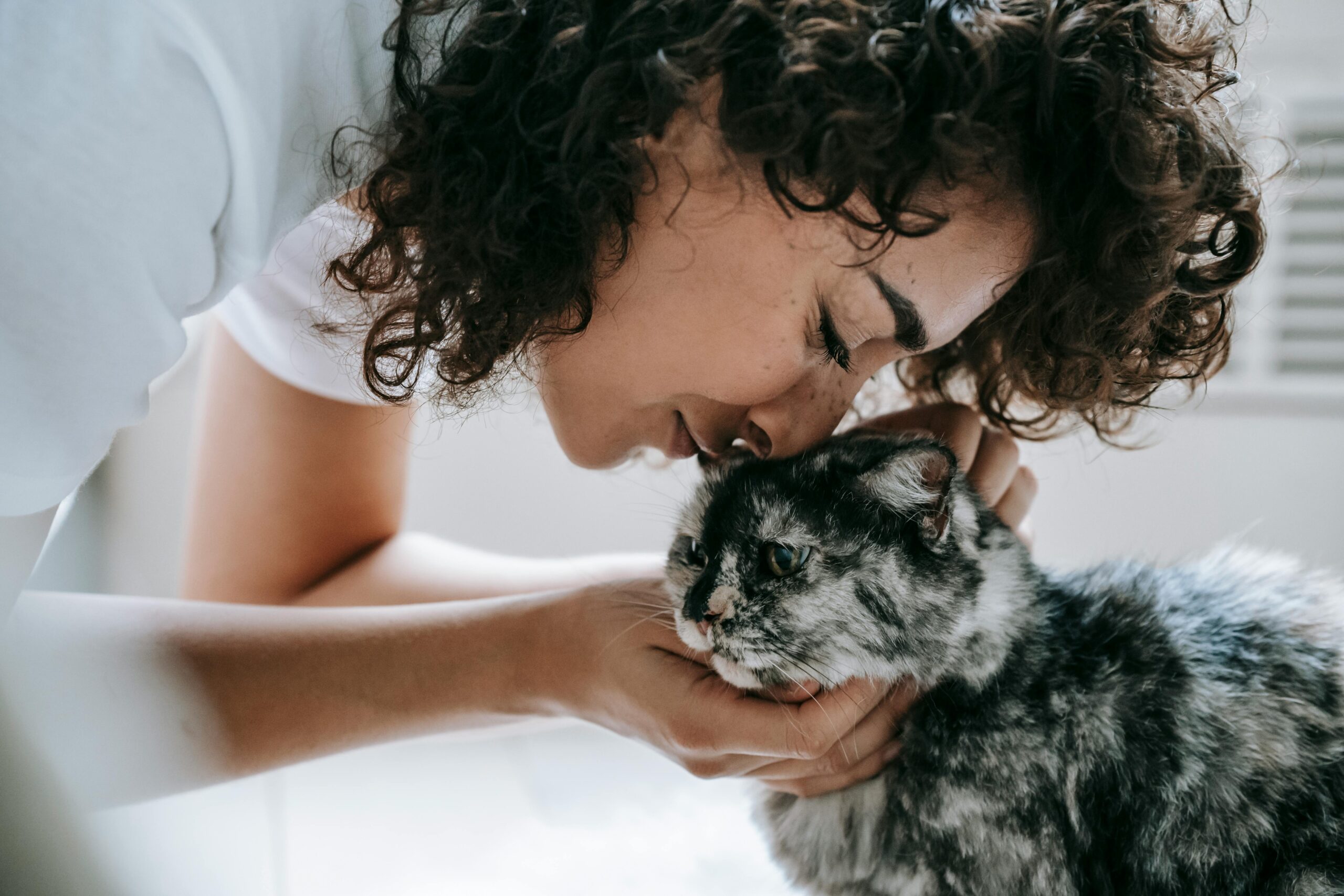
Animals don’t dwell on the past or worry about the future. A dog on a walk isn’t thinking about tomorrow’s schedule. A cat resting in the sun isn’t replaying earlier events. Their focus is on immediate experiences like sounds, scents, comfort, and movement. Being around that level of presence can feel grounding and calming without requiring effort.

Everyday Routines Create Mindful Moments

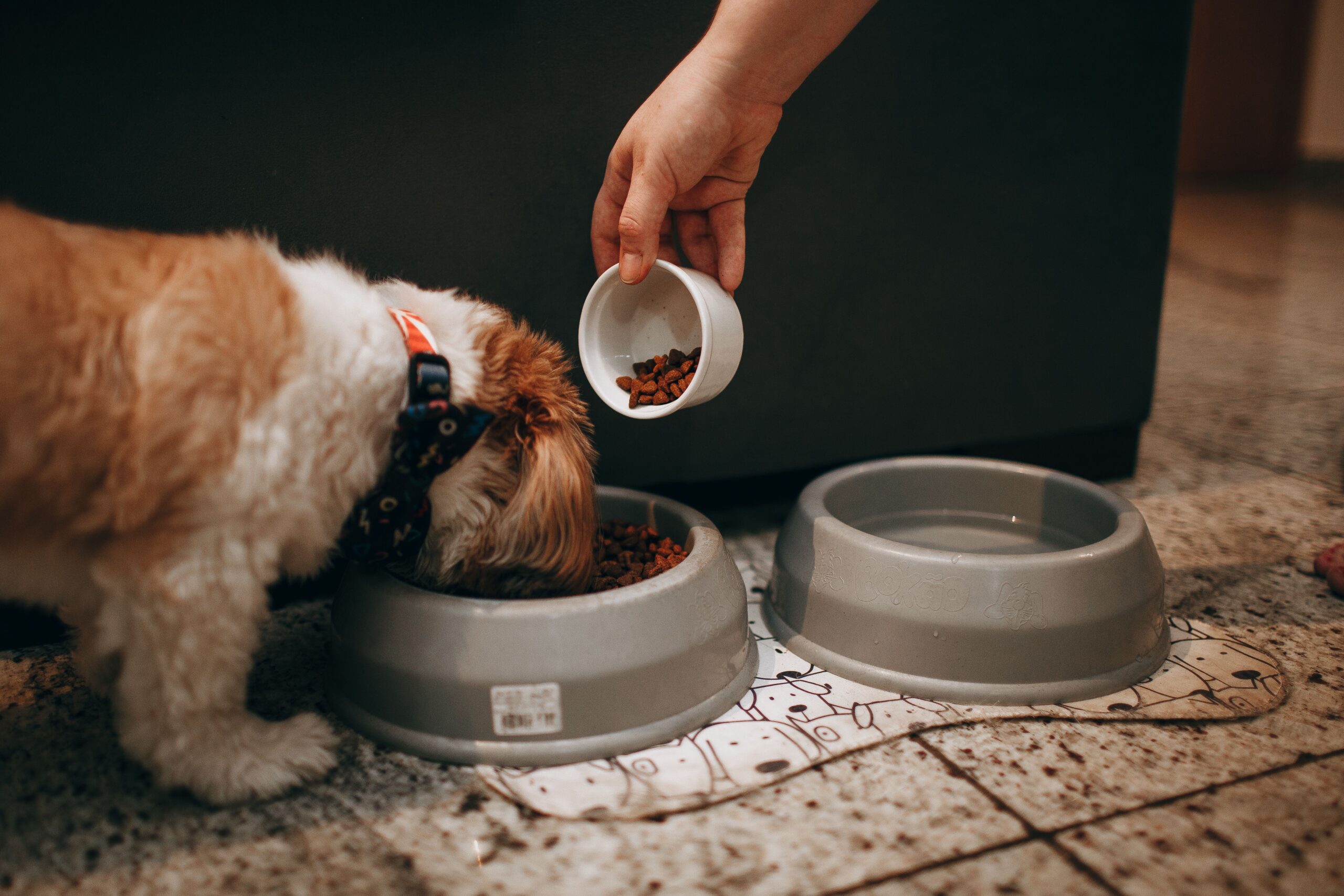
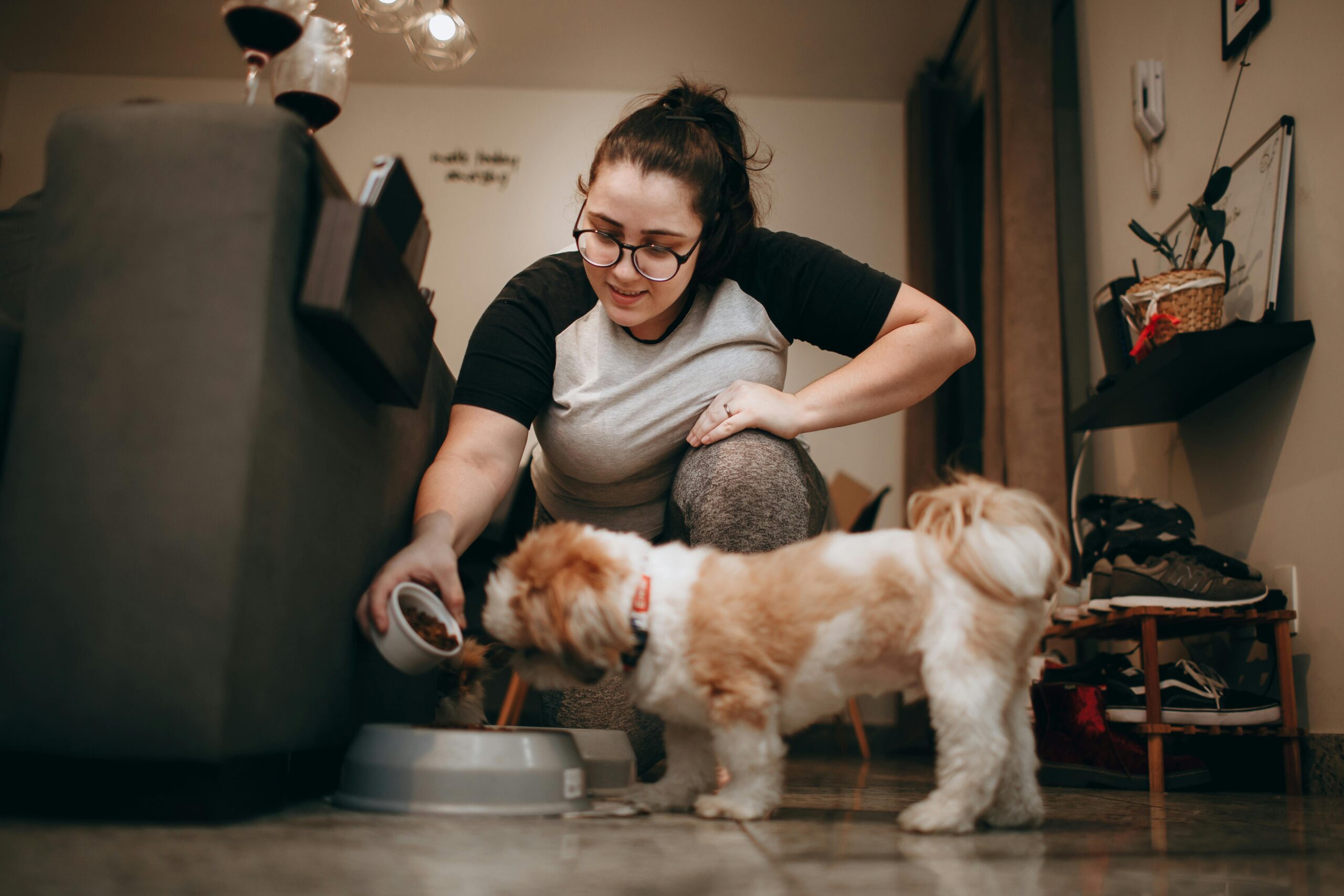
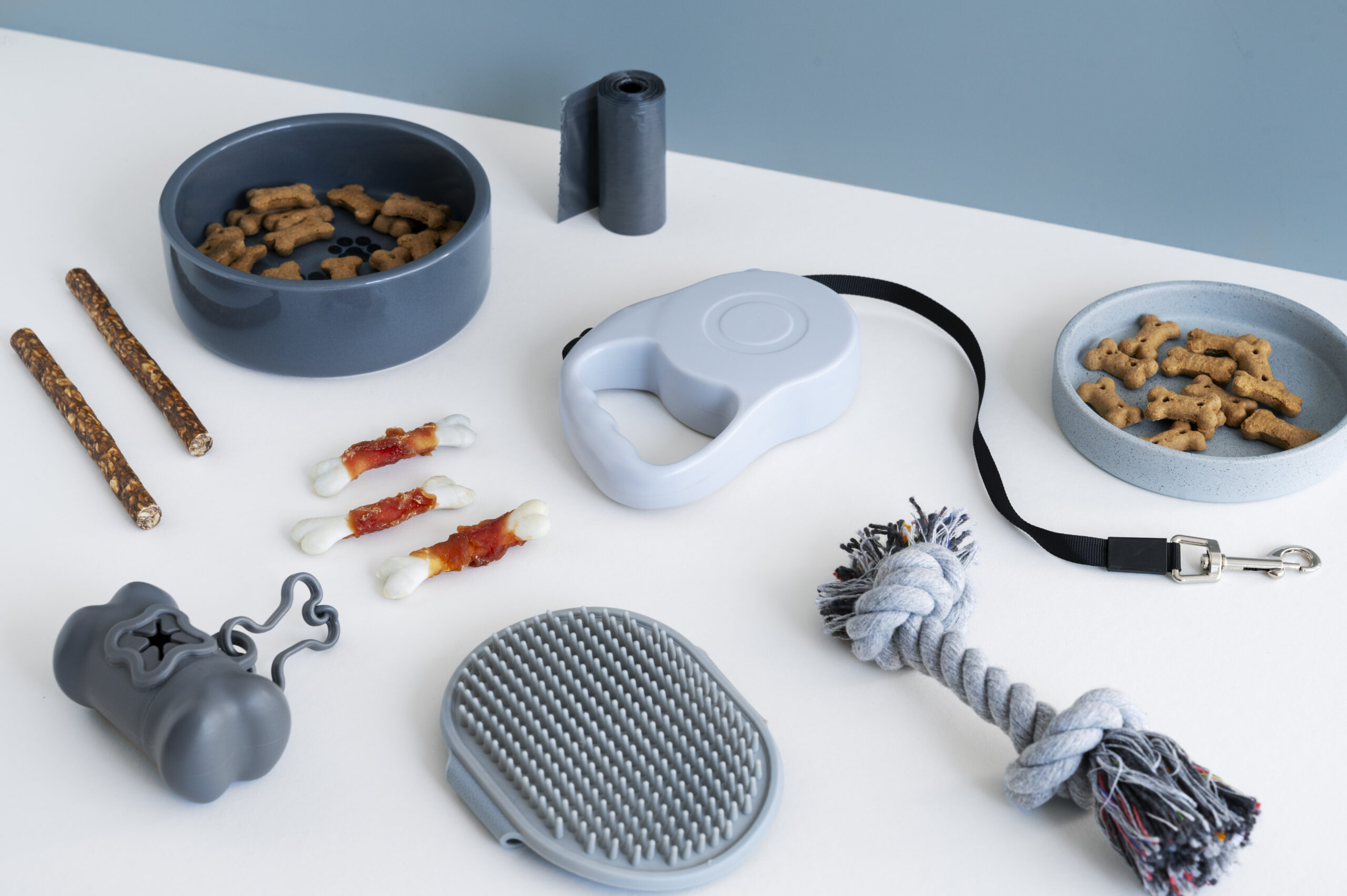
Caring for animals naturally builds moments of focus into the day. Feeding, walking, grooming, or playtime requires attention and consistency. These routines pull us away from screens and mental noise. When you’re throwing a ball, brushing a coat, or watching an aquarium, your attention narrows. You’re not rushing ahead mentally. You’re fully engaged in the moment.

Read more: Creating Meaningful Moments With Your Emotional Support Cat Every Day

Learning to Observe Without Overthinking

Animals communicate honestly and simply. A relaxed posture, wagging tail, or playful behavior signals contentment, while subtle shifts in body language can show discomfort or stress. Learning to notice these cues encourages patience and observation. Over time, this habit can help us become more aware of our own emotions and reactions instead of ignoring or suppressing them.

The Physical Benefits of Being Present

Interacting with animals often brings physical changes that support mindfulness. Petting an animal can slow breathing, relax muscles, and lower stress levels. This is one reason therapy animals are so effective in hospitals, schools, and counseling settings. Their calm presence helps people feel grounded without needing formal mindfulness techniques.

A Lesson in Acceptance

Animals don’t judge productivity or measure worth by achievements. They respond to care, consistency, and attention. This unconditional presence can make it easier to let go of self-criticism and simply exist without pressure, even if only for a few minutes.

Discover: Do Pets Really Unconditionally Love Us?

Conclusion

Animals don’t teach mindfulness through words or techniques. They teach it through example. By simply being present, they invite us to slow down, notice our surroundings, and reconnect with our bodies and emotions. In a world that constantly pulls our attention in every direction, animals offer a steady reminder that the present moment is not something we need to chase. It’s already here, waiting for us to notice.


Do you own an assistance animal? Register your pet today.

The Service Animal Registry of California invites you to have your assistance animal registered in order to designate its status. We also encourage you to take our online classes so you can be fully aware of your rights and gain more knowledge about your support animal.

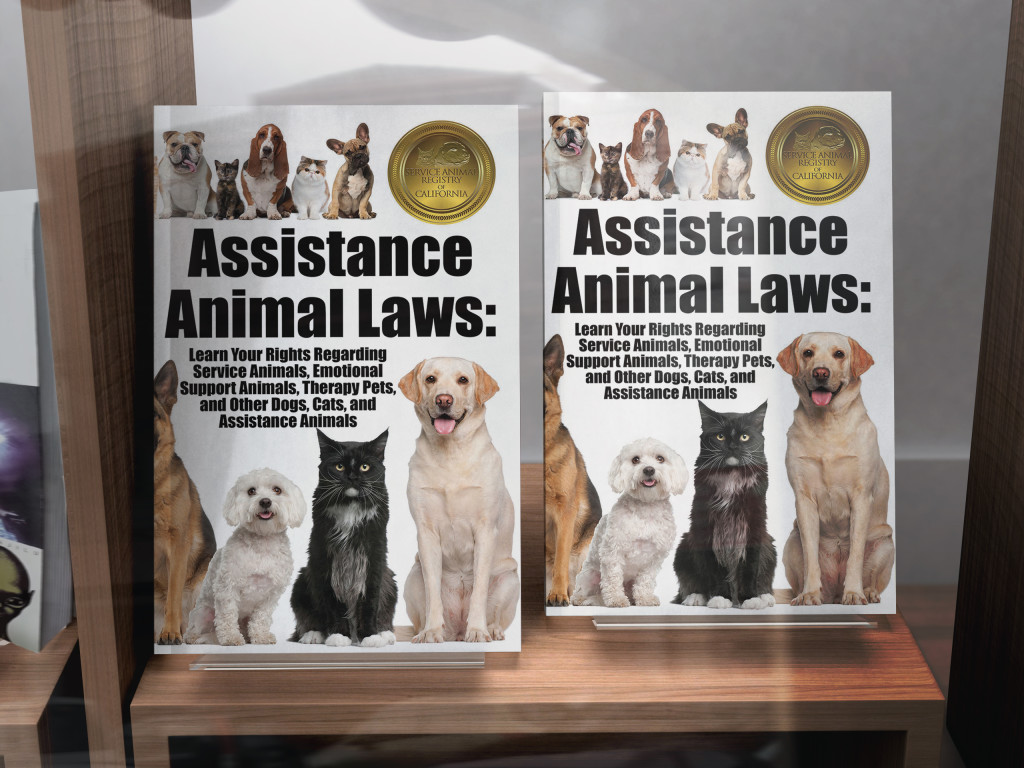
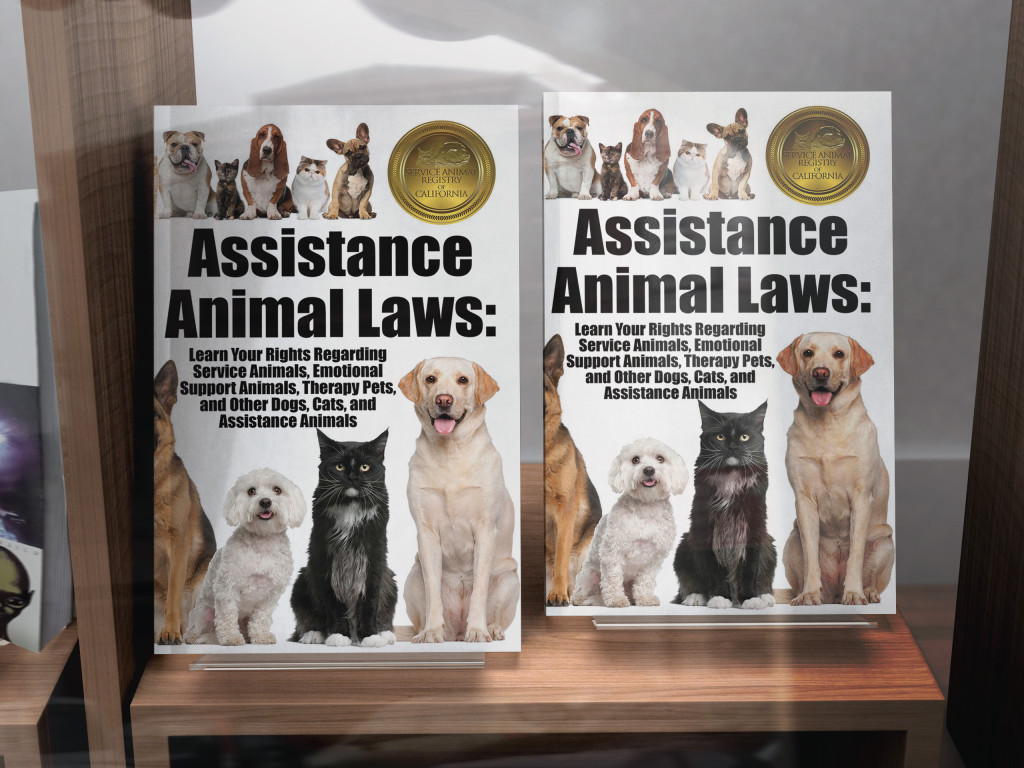
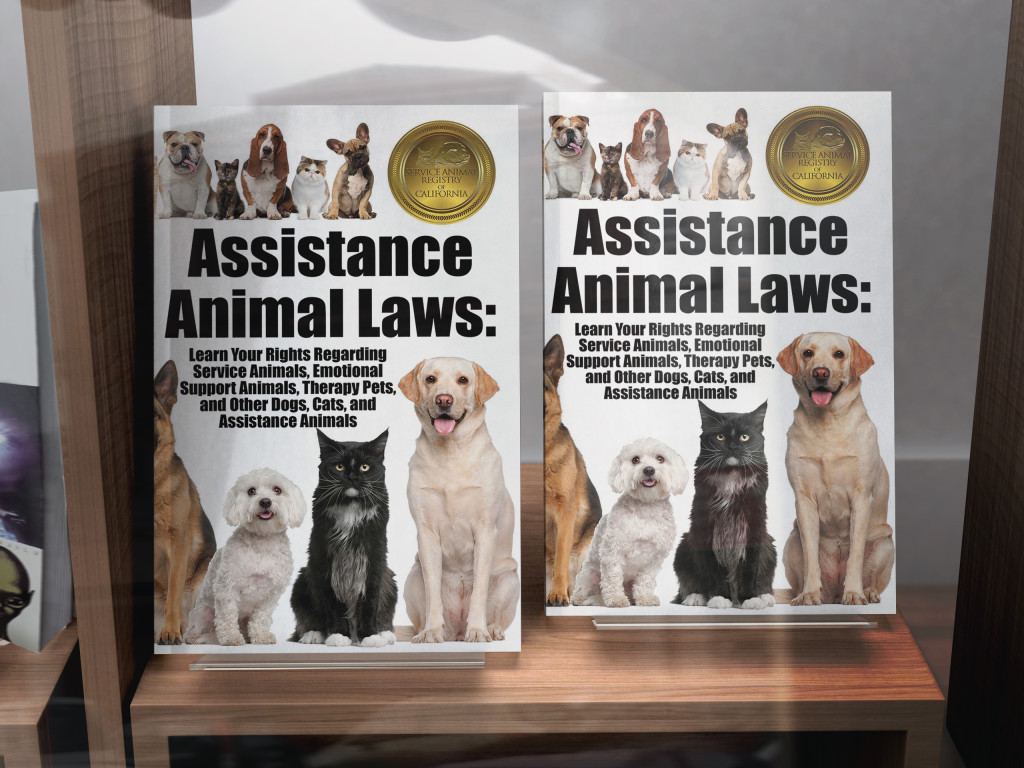
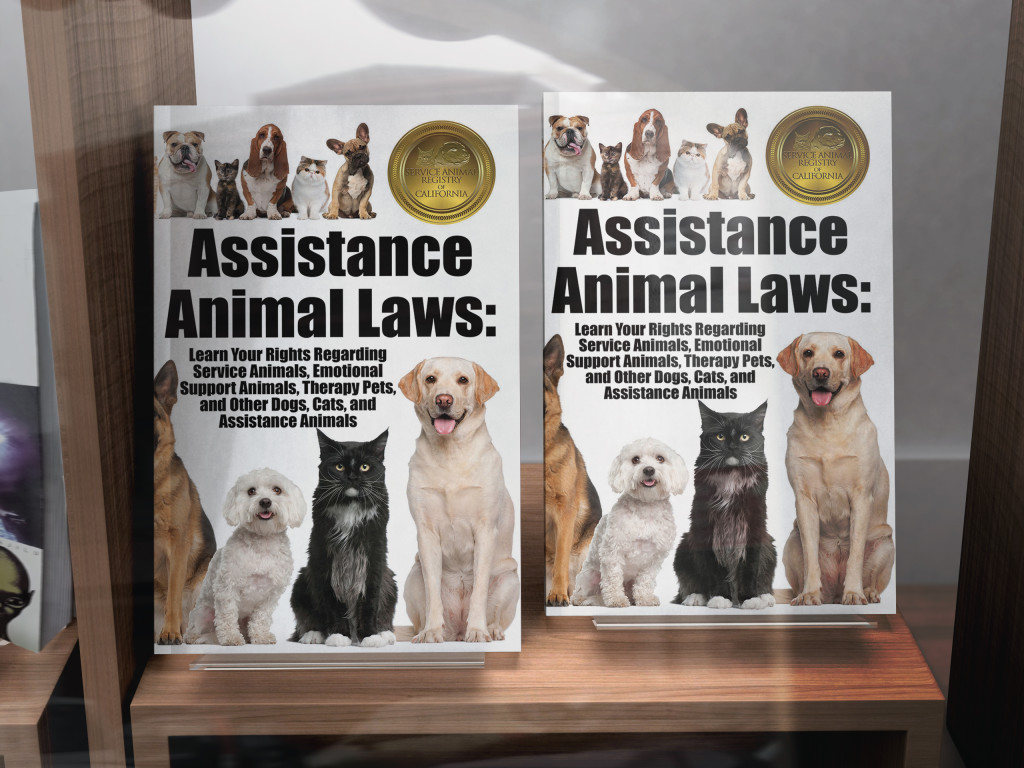
Finally, we present to you our book entitled, “ASSISTANCE ANIMAL LAWS: LEARN YOUR RIGHTS REGARDING SERVICE ANIMALS, EMOTIONAL SUPPORT ANIMALS, THERAPY PETS, AND OTHER DOGS, CATS, AND ASSISTANCE ANIMALS” to provide you with a complete education on assistance animals.

Purchase your copy of the book by clicking the image below.

Simple Home Activities That Make Every Pet Happy

You don’t need expensive toys, elaborate setups, or endless free time to keep your pet happy. In fact, many pets thrive on simple, consistent activities that fit easily into everyday life. Whether you share your home with a dog, cat, rabbit, guinea pig, or another small companion, the basics go a long way. What matters most is engagement, routine, and feeling safe and seen.

Here are simple home activities that bring real joy to pets of all kinds.

1. Daily One-on-One Time

Pets notice when your attention is fully on them. Even ten focused minutes can make a difference. For dogs, this might be a short training session or relaxed play. Cats may prefer interactive toys or quiet lap time. Small animals often enjoy gentle handling, floor time in a secure area, or calm talking while you sit nearby.

This consistent connection helps pets feel secure and strengthens your bond more than constant background interaction.

2. Predictable Routines

Animals find comfort in knowing what comes next. Feeding times, walks, play sessions, and rest periods that happen around the same time each day reduce anxiety and improve behavior. A predictable rhythm makes pets feel safe, especially in busy households or apartments.

Routine doesn’t have to be rigid. It just needs to be familiar.

3. Enrichment Through Simple Play

You don’t need a house full of toys. Rotate a few favorites to keep things interesting. For dogs, hide treats around a room and let them sniff them out. For cats, paper bags, boxes, and wand toys provide mental and physical stimulation. Small pets enjoy tunnels, chew-safe items, and foraging opportunities like hay stuffed with veggies.

Play taps into natural instincts and prevents boredom, which is a major source of stress for many pets.

Discover: 11 Ways You Can Exercise With Your Pet

4. Calm Background Interaction

Not every happy moment needs to be active. Pets often enjoy simply being part of your day. Let your dog nap nearby while you work. Allow your cat to sit on the windowsill while you read. Talk softly to your rabbit or guinea pig while cleaning their enclosure.

These quiet moments build trust and help pets feel included without overstimulation.

5. Sensory Variety

New smells, textures, and sounds can be enriching when introduced gently. Open a window for fresh air. Offer a new safe surface to walk on. Play calming music at low volume. Let dogs explore different walking routes, even short ones.

Small changes keep life interesting without overwhelming your pet.

6. Gentle Grooming Sessions

Brushing, nail care, or coat checks can be relaxing when done slowly and positively. Many pets come to enjoy grooming because it feels like attention and care. Keep sessions short and reward cooperation with praise or treats.

This also helps you notice health changes early.

7. Rest and Comfort

Happiness isn’t constant stimulation. Make sure your pet has a cozy, quiet place to rest. Quality sleep and downtime are just as important as play, especially for older pets.

Final Thoughts

In the end, pets don’t measure happiness by how much you spend or how elaborate their toys are. They feel happiest when life feels safe, predictable, and shared with you. Simple, thoughtful activities done consistently create a home where every pet can truly thrive.


Do you own an assistance animal? Register your pet today.  The Service Animal Registry of California invites you to have your assistance animal registered in order to designate its status. We also encourage you to take our online classes so you can be fully aware of your rights and gain more knowledge about your support animal.

Finally, we present to you our book entitled, “ASSISTANCE ANIMAL LAWS: LEARN YOUR RIGHTS REGARDING SERVICE ANIMALS, EMOTIONAL SUPPORT ANIMALS, THERAPY PETS, AND OTHER DOGS, CATS, AND ASSISTANCE ANIMALS” to provide you with a complete education on assistance animals. Purchase your copy of the book by clicking the image below. 
Health Reminders for Service Animal Owners: Vaccines, Diet, and More

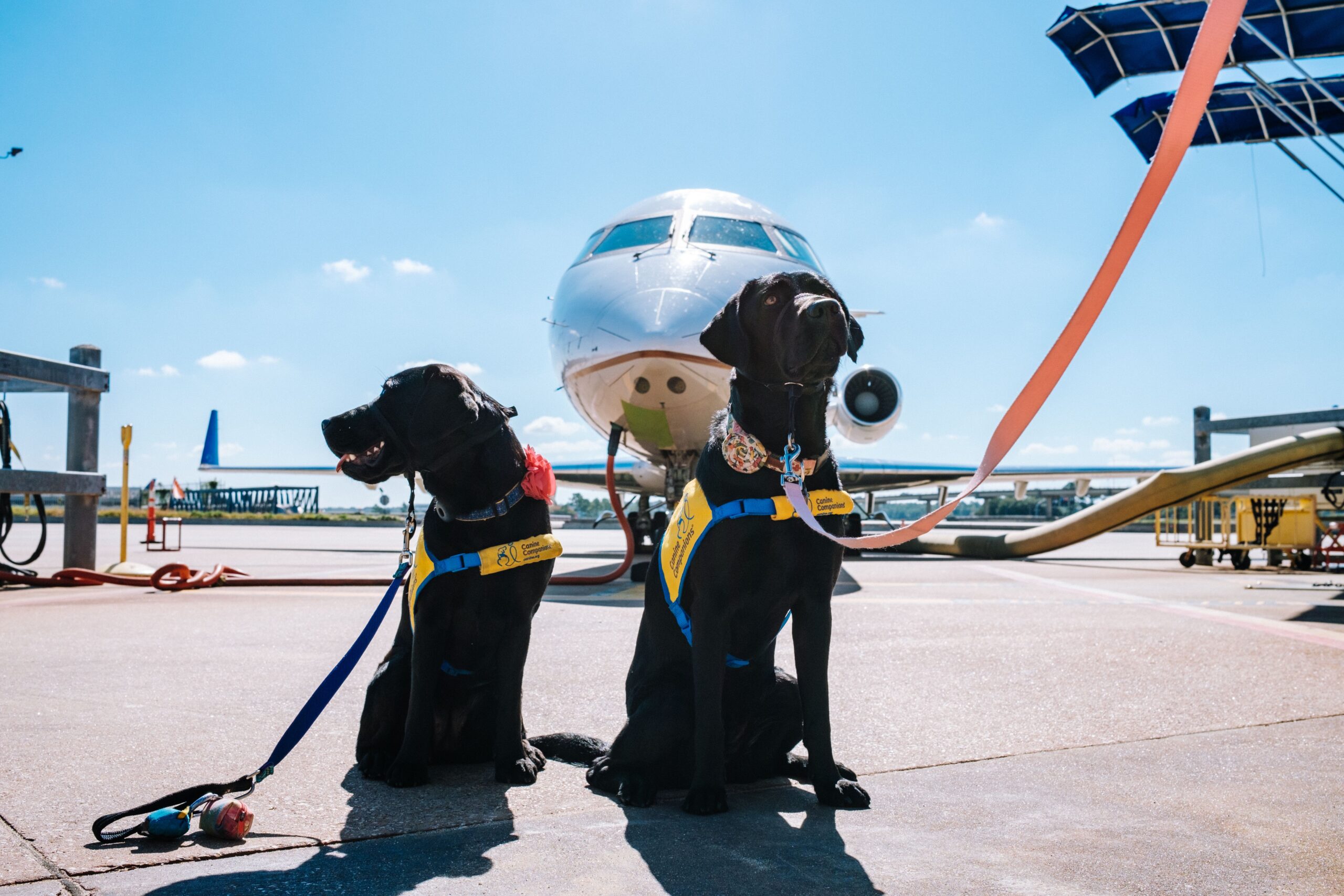
Service animals play a critical role in supporting their handlers, whether that support is physical, emotional, or medical. Because these animals work closely with people and often spend time in public spaces, maintaining their health is not just a personal responsibility, it is a public one too. Staying on top of basic health needs helps ensure your service animal can work comfortably, safely, and for as long as possible.

Vaccinations Are Non-Negotiable

Vaccines are one of the most important preventative health measures for service animals. Core vaccines protect against serious and sometimes fatal diseases such as rabies, distemper, and parvovirus. These illnesses can spread quickly, especially in public environments like airports, medical offices, or public transportation where service animals are often present.

Most veterinarians recommend keeping service animals on a strict vaccination schedule and maintaining up-to-date records. In some regions, proof of vaccination may be required for housing or travel. Even when not required, staying current protects your animal, other animals, and the people they interact with daily.

Read more: Are Vaccinations Required by the ADA for Service Dogs? A Practical Overview

Nutrition Fuels Performance

A service animal’s diet directly affects their energy, focus, and long-term health. Working animals often burn more calories than typical pets, but that does not mean more food is always better. The goal is balanced nutrition tailored to your animal’s size, age, activity level, and specific health needs.

High-quality protein supports muscle strength and endurance, while healthy fats provide sustained energy. Avoid frequent diet changes unless advised by a veterinarian, as sudden switches can cause digestive issues. Fresh water should always be available, especially during long workdays or in warm environments.

Read more: 5 Nutrition Tips for Service Dogs

Routine Vet Visits Matter

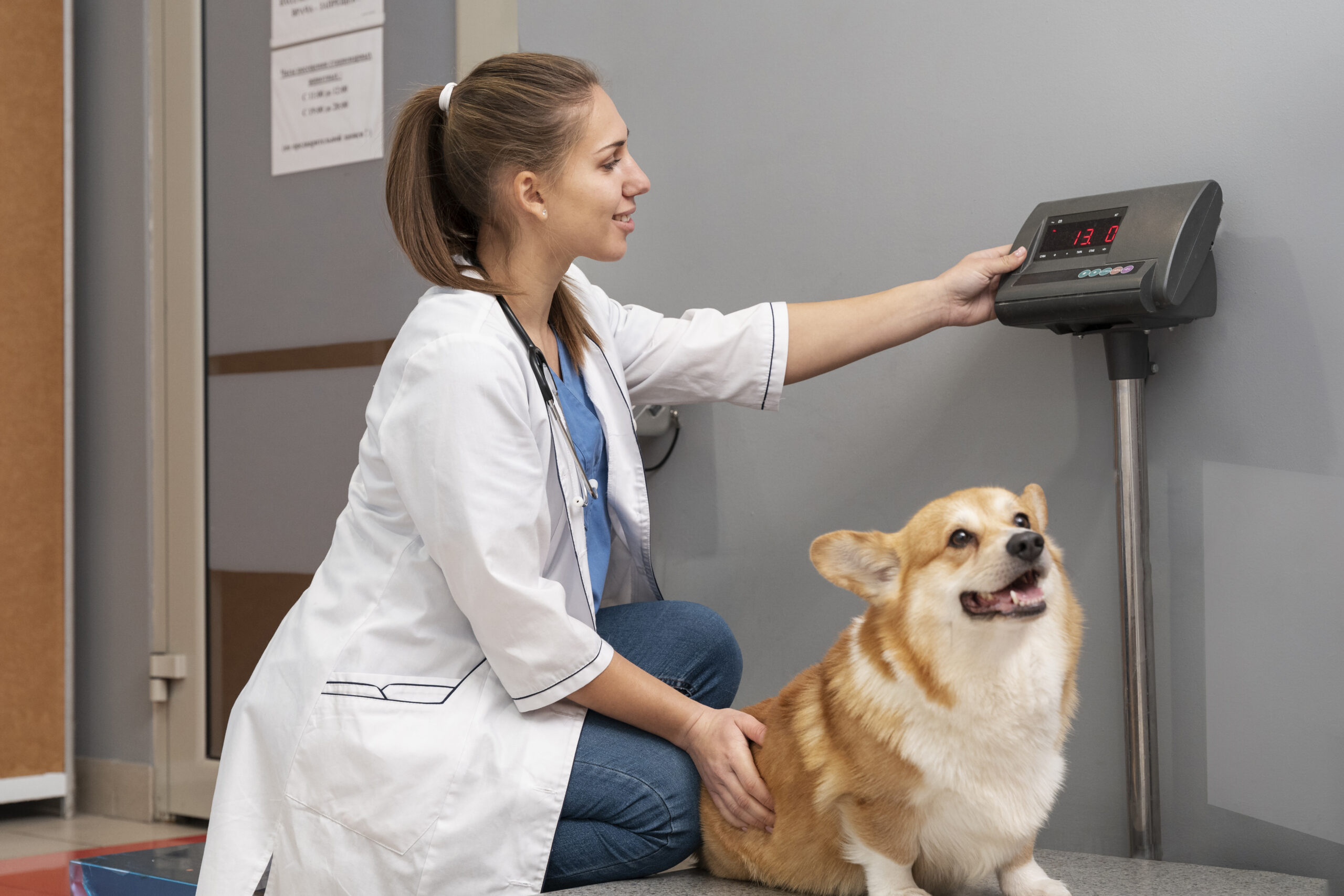
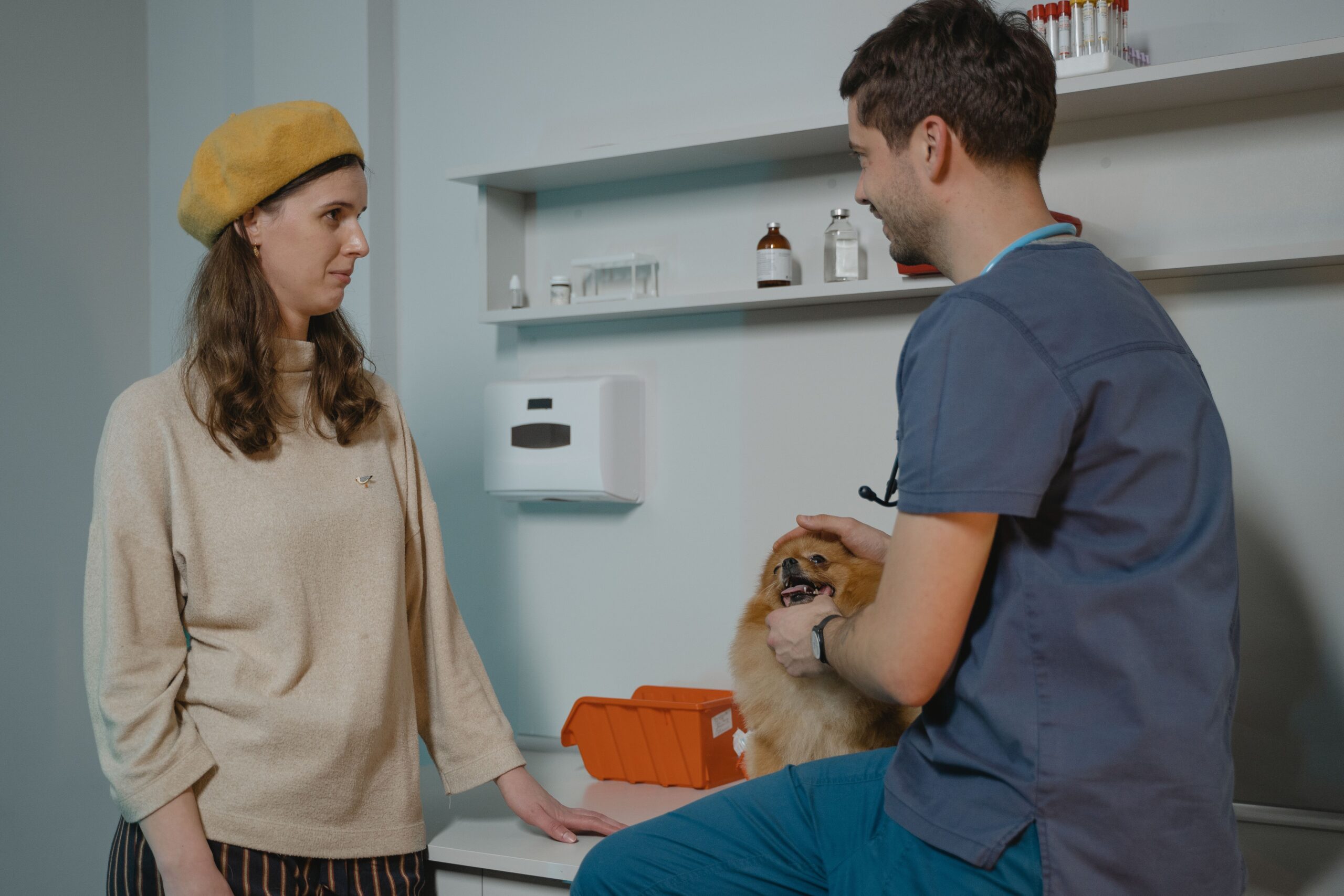
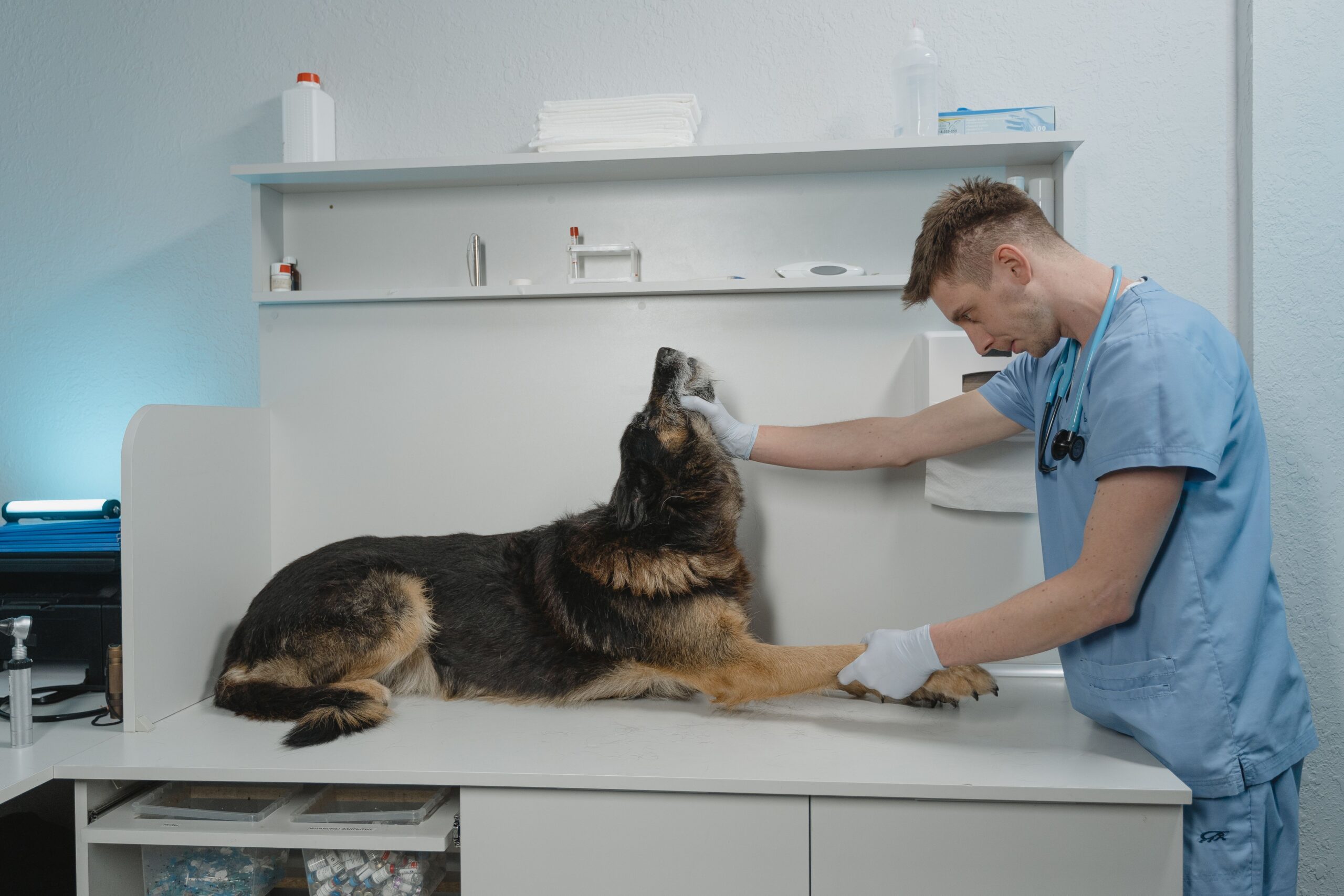
Regular veterinary checkups help catch potential problems before they interfere with your service animal’s ability to work. Annual or biannual exams allow your vet to monitor weight, joint health, dental condition, and early signs of illness.

Dental care is often overlooked but is especially important. Dental pain can affect behavior, focus, and overall well-being. Simple habits like brushing teeth or providing vet-approved dental chews can make a meaningful difference.

Parasite Prevention and Grooming

Fleas, ticks, and heartworms pose serious health risks. Because service animals frequently encounter different environments, consistent parasite prevention is essential year-round. Your veterinarian can recommend products based on your region and your animal’s exposure level.

Grooming is more than appearance. Regular brushing, nail trimming, and ear cleaning help prevent infections and discomfort. Grooming also gives owners a chance to spot changes like skin irritation, lumps, or tenderness early.

Mental Health and Rest Are Part of Care

Service animals need downtime just like humans do. Adequate rest, play, and mental stimulation help prevent burnout and stress. Watch for signs of fatigue or behavioral changes, as these can signal physical discomfort or emotional strain.

Final Thoughts

Caring for a service animal means going beyond basic pet ownership. Vaccinations, proper nutrition, routine veterinary care, and attention to mental well-being all work together to support an animal that gives so much every day. By staying proactive and consistent with health care, service animal owners help protect not only their trusted partner, but also the people and communities they serve.


Do you own an assistance animal? Register your pet today.

The Service Animal Registry of California invites you to have your assistance animal registered in order to designate its status. We also encourage you to take our online classes so you can be fully aware of your rights and gain more knowledge about your support animal.

Finally, we present to you our book entitled, “ASSISTANCE ANIMAL LAWS: LEARN YOUR RIGHTS REGARDING SERVICE ANIMALS, EMOTIONAL SUPPORT ANIMALS, THERAPY PETS, AND OTHER DOGS, CATS, AND ASSISTANCE ANIMALS” to provide you with a complete education on assistance animals.

Purchase your copy of the book by clicking the image below.
How Caring for a Guinea Pig Can Improve Mood and Reduce Stress

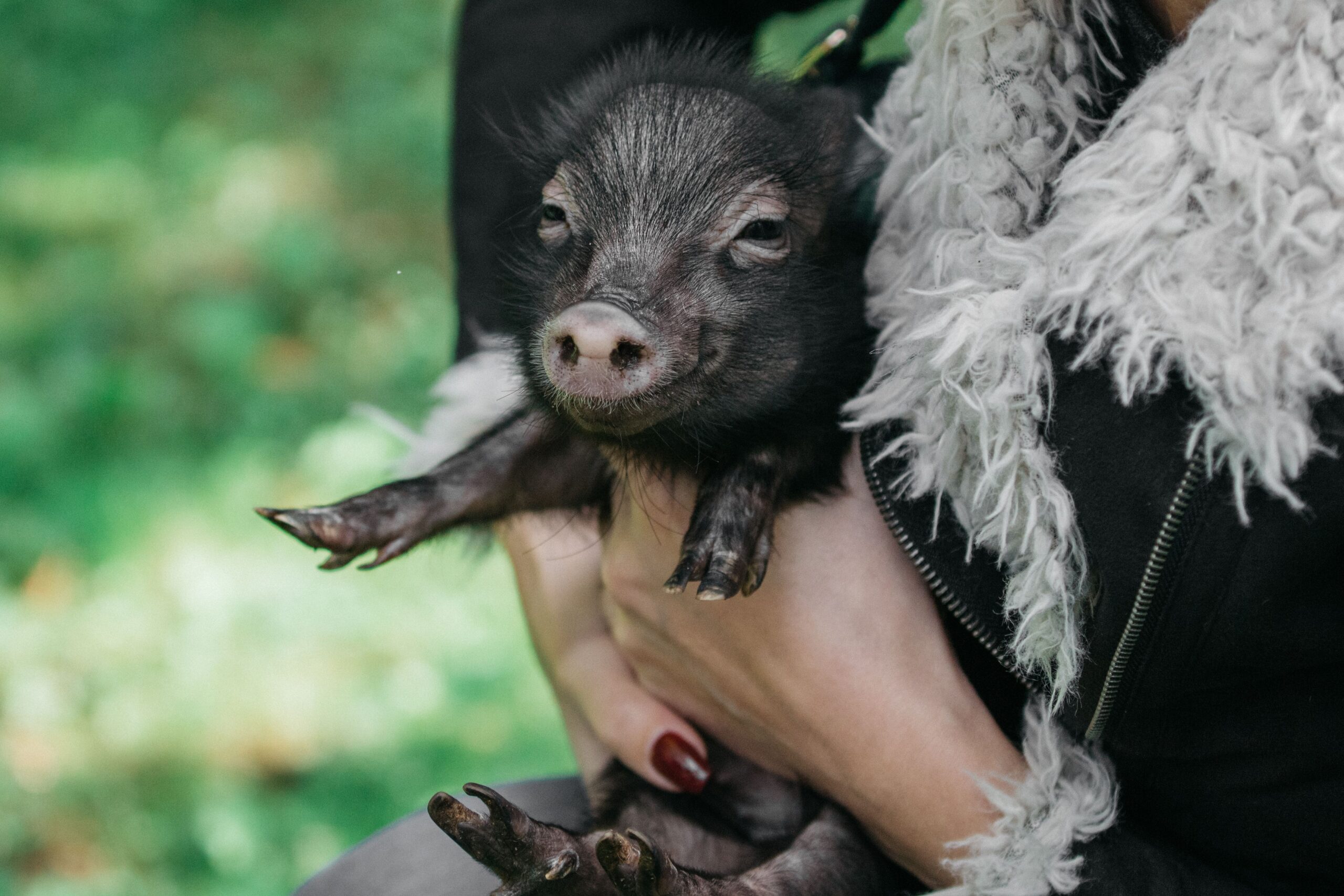
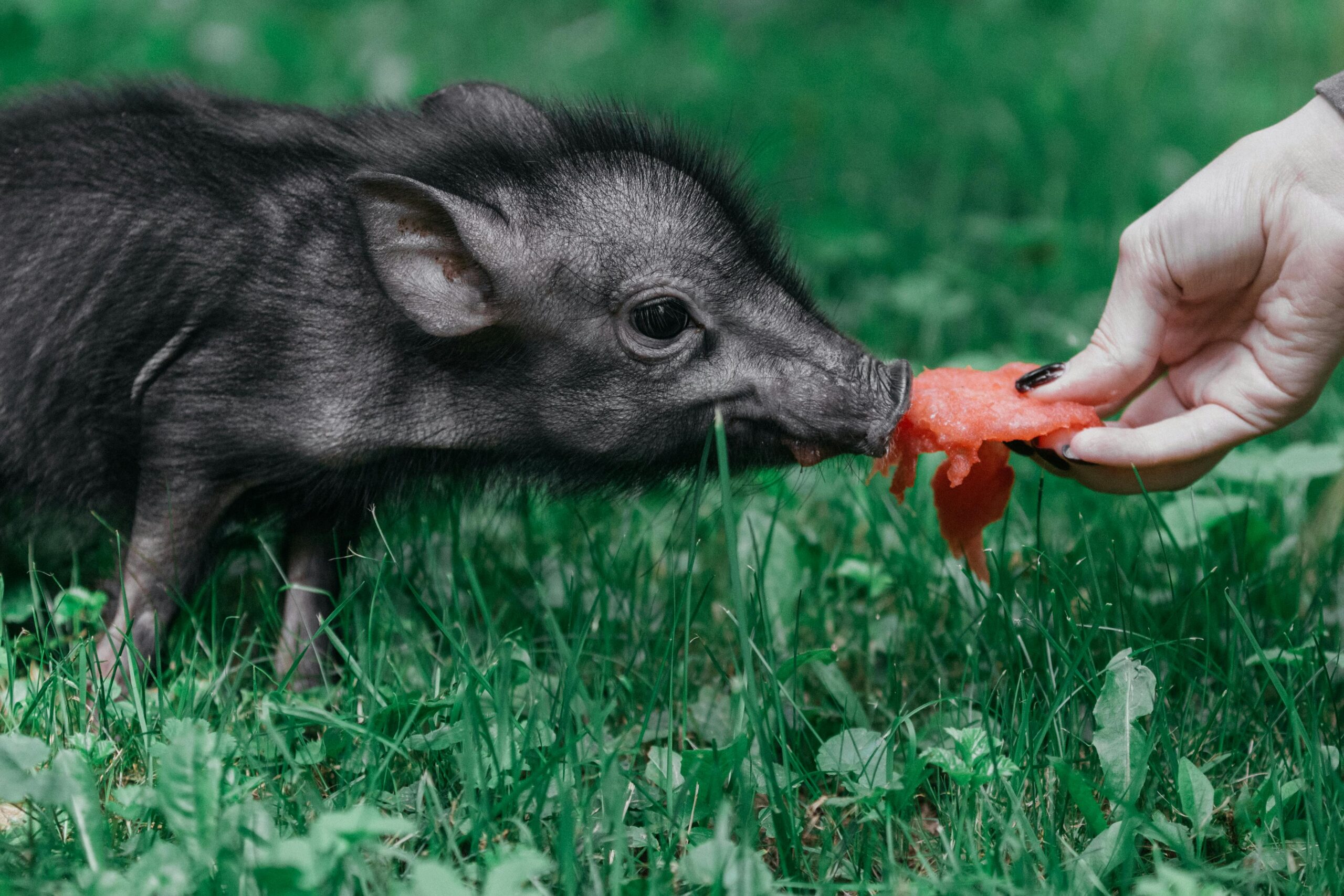
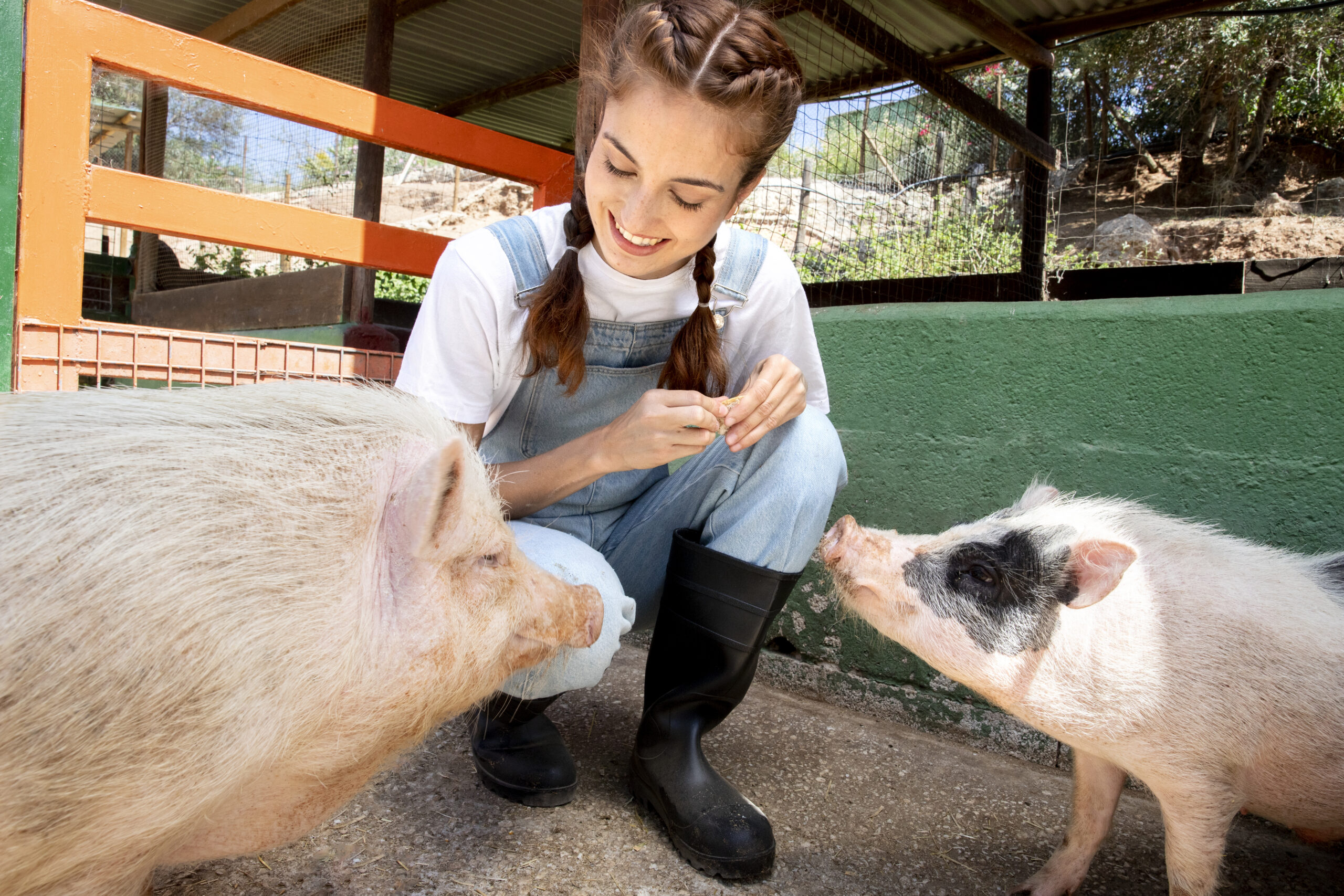
Guinea pigs might be small, but the emotional impact they can have on their caregivers is surprisingly big. These gentle, social animals offer more than companionship. Daily care routines, quiet interactions, and their naturally calming presence can play a meaningful role in improving mood and lowering stress levels.

The Comfort of a Gentle Companion

Guinea pigs are known for their docile nature and friendly personalities. Unlike more demanding pets, they tend to enjoy calm environments and predictable routines. Spending time with a guinea pig, whether it’s holding them or simply watching them explore, can create a sense of peace. Their soft sounds and relaxed movements often have a soothing effect, helping people unwind after a stressful day.

Stress Relief Through Routine and Responsibility

Caring for a guinea pig involves simple, consistent tasks like feeding, cleaning their enclosure, and ensuring they have fresh water and hay. These routines provide structure, which can be grounding during periods of anxiety or overwhelm. Focusing on another living being encourages mindfulness and pulls attention away from racing thoughts. The act of caregiving itself can foster a sense of purpose, which is closely linked to emotional well-being.

Read more: Healthy Ways to Cope With Stress in Life

Physical Interaction and Emotional Regulation

Gentle physical contact plays a role in stress reduction. Holding or petting a guinea pig can trigger the release of calming hormones that help lower heart rate and blood pressure. Because guinea pigs prefer slow, careful handling, interactions tend to be intentional and unhurried. This naturally encourages people to slow down, breathe more deeply, and stay present in the moment.

Read more: The Delightful Companions: Reasons to Love Guinea Pigs

Social Connection Without Pressure

Guinea pigs are social animals that thrive on interaction, yet they don’t demand constant attention. This balance can be especially comforting for individuals who feel socially drained or emotionally sensitive. Caring for a guinea pig provides companionship without the pressure of complex social expectations. Over time, many owners develop a quiet bond with their pet, which can reduce feelings of loneliness and emotional isolation.

A Positive Influence on Mental Well-Being

For people dealing with mild stress, low mood, or daily life pressures, guinea pigs can offer steady emotional support. Their predictable behavior and reliance on routine can create a sense of stability. Watching a guinea pig eat, nap, or explore can also spark moments of joy and lightness, which add up over time and contribute to a more balanced emotional state.

Discover: Why Do Our Pets Make Us Feel Good?

Final Thoughts

Caring for a guinea pig isn’t a replacement for professional mental health support, but it can be a valuable addition to a stress-management routine. Through gentle companionship, structured care, and moments of calm connection, guinea pigs offer emotional benefits that reach far beyond their size. For many people, these small animals quietly become a source of comfort, routine, and emotional relief in everyday life.


Do you own an assistance animal? Register your pet today.

The Service Animal Registry of California invites you to have your assistance animal registered in order to designate its status. We also encourage you to take our online classes so you can be fully aware of your rights and gain more knowledge about your support animal.

Finally, we present to you our book entitled, “ASSISTANCE ANIMAL LAWS: LEARN YOUR RIGHTS REGARDING SERVICE ANIMALS, EMOTIONAL SUPPORT ANIMALS, THERAPY PETS, AND OTHER DOGS, CATS, AND ASSISTANCE ANIMALS” to provide you with a complete education on assistance animals.

Purchase your copy of the book by clicking the image below.
How Assistance Dogs Complement (Not Replace) Therapy

Assistance dogs play a powerful role in supporting people with physical, emotional, and mental health challenges. Their impact is often deeply felt in everyday moments, from easing anxiety in public spaces to helping someone stay grounded during stressful situations. Still, it’s important to understand what these dogs do and what they don’t do. Assistance dogs are not a substitute for professional therapy. Instead, they work alongside therapists, enhancing the benefits of treatment and helping individuals apply what they learn in real life.

Understanding the Role of Assistance Dogs

Assistance dogs are highly trained to perform specific tasks that support a person’s disability or condition. This may include guiding someone with visual impairment, alerting a handler to sounds, interrupting panic attacks, or providing deep pressure during moments of distress. These tasks are practical and immediate. They address real-world challenges as they happen, often reducing barriers that make daily life harder.

What assistance dogs do not provide is clinical treatment. They don’t diagnose conditions, create treatment plans, or guide someone through structured therapeutic processes. That work remains firmly in the hands of trained mental health and medical professionals.

How Therapy Provides the Foundation

Therapy focuses on understanding thoughts, emotions, behaviors, and patterns over time. Whether someone is working through trauma, managing anxiety, or adjusting to a life-changing diagnosis, therapy offers tools, insight, and long-term strategies. A therapist helps clients build coping skills, challenge unhelpful beliefs, and process complex emotions in a safe, structured environment.

This foundation is essential. Without it, the support an assistance dog offers may be comforting but incomplete. Therapy gives meaning and direction to the progress someone is trying to make.

Discover: Psychiatric Service Animal vs Emotional Support Animal: What’s the Difference?

Where Assistance Dogs Add Real-World Support

This is where assistance dogs shine. They help bridge the gap between therapy sessions and everyday life. For example, someone learning grounding techniques in therapy may find it easier to use those skills when their dog provides a physical cue or calming presence. A person managing social anxiety might feel more confident practicing exposure strategies when their dog helps them stay regulated.

Assistance dogs can also reduce the intensity or frequency of symptoms, making therapy more effective. When someone sleeps better, feels safer, or experiences fewer panic episodes, they often have more emotional capacity to engage in therapeutic work.

Discover: Service Dogs and the Power of Nonverbal Support

A Team Approach to Well-Being

The most effective support often comes from a team approach. Therapists, doctors, support networks, and assistance dogs each play distinct but connected roles. Clear communication between professionals and an understanding of how the dog supports the handler can create a more cohesive care plan. Rather than replacing therapy, assistance dogs reinforce it by helping individuals apply therapeutic tools consistently.

Read more: How to Talk to Your Therapist About Getting an ESA Letter

Final Thoughts

Assistance dogs and therapy are not competing solutions. They are complementary supports that work best together. Therapy builds understanding, skills, and long-term growth, while assistance dogs offer steady, practical support in daily life. When combined thoughtfully, they can help individuals move through the world with greater confidence, independence, and emotional balance.


Do you own an assistance animal? Register your pet today.  The Service Animal Registry of California invites you to have your assistance animal registered in order to designate its status. We also encourage you to take our online classes so you can be fully aware of your rights and gain more knowledge about your support animal.

Finally, we present to you our book entitled, “ASSISTANCE ANIMAL LAWS: LEARN YOUR RIGHTS REGARDING SERVICE ANIMALS, EMOTIONAL SUPPORT ANIMALS, THERAPY PETS, AND OTHER DOGS, CATS, AND ASSISTANCE ANIMALS” to provide you with a complete education on assistance animals. Purchase your copy of the book by clicking the image below. 
How Hearing Dogs Improve Safety and Independence

Living with hearing loss can turn everyday sounds into missed signals. A ringing doorbell, a smoke alarm, or someone calling your name might go unnoticed, creating safety concerns and limiting independence. Hearing dogs are specially trained service animals that bridge this gap, helping people who are deaf or hard of hearing move through daily life with more confidence and security.

What Is a Hearing Dog?

A hearing dog is a trained service dog that alerts its handler to important sounds. Unlike emotional support animals, hearing dogs perform specific tasks tied directly to their handler’s hearing needs. When the dog hears a sound, it gently gets the handler’s attention and leads them to the source, whether it’s a doorbell, alarm, phone, or even a baby crying.

These dogs are carefully selected and trained for sound recognition, focus, and calm behavior in public spaces.

Enhancing Everyday Safety

One of the most important roles of a hearing dog is improving personal safety. Emergency sounds such as smoke alarms, carbon monoxide detectors, or fire alarms can be life-saving warnings. Hearing dogs are trained to respond immediately to these sounds, giving their handler crucial time to react.

They also alert to less dramatic but still important sounds, like someone knocking at the door or a timer going off on the stove. These alerts reduce risks in the home and allow handlers to live more independently without relying on visual cues alone.

Supporting Independence Outside the Home

Hearing dogs don’t just help at home. In public settings, they alert their handlers to approaching vehicles, announcements, or someone trying to get their attention. This support makes navigating workplaces, stores, and social environments less stressful.

Because the dog acts as an extra set of ears, many handlers feel more comfortable going out alone, traveling, or participating in activities they may have avoided before.

Boosting Confidence and Emotional Well-Being

Beyond safety, hearing dogs have a powerful impact on confidence. Knowing that important sounds won’t be missed can ease anxiety and reduce the mental strain of constant vigilance. Many handlers report feeling more relaxed and socially engaged when partnered with a hearing dog.

The companionship itself also plays a role. The bond between handler and dog provides emotional reassurance, helping people feel less isolated and more connected to the world around them.

Training and Daily Partnership

Hearing dogs undergo extensive training to recognize specific sounds and respond consistently. Once placed, handlers receive training as well, learning how to work as a team with their dog. Over time, this partnership becomes intuitive, with the dog seamlessly integrating into the handler’s routine.

Final Thoughts

Hearing dogs do far more than respond to sounds. They restore a sense of control, safety, and independence that many people with hearing loss miss. By alerting to critical noises, supporting confidence in public spaces, and offering constant companionship, hearing dogs empower their handlers to live fuller, more self-directed lives. For those who qualify, a hearing dog isn’t just a service animal. It’s a trusted partner in everyday freedom.

Discover more articles below:


Do you own an assistance animal? Register your pet today.

The Service Animal Registry of California invites you to have your assistance animal registered in order to designate its status. We also encourage you to take our online classes so you can be fully aware of your rights and gain more knowledge about your support animal.

Finally, we present to you our book entitled, “ASSISTANCE ANIMAL LAWS: LEARN YOUR RIGHTS REGARDING SERVICE ANIMALS, EMOTIONAL SUPPORT ANIMALS, THERAPY PETS, AND OTHER DOGS, CATS, AND ASSISTANCE ANIMALS” to provide you with a complete education on assistance animals.

Purchase your copy of the book by clicking the image below.
Are Llamas Good Emotional Support Animals?

When people think of emotional support animals, they usually picture dogs curled up on a couch or cats purring beside them. But every now and then, a more unusual companion steals the spotlight — and llamas tend to do that pretty effortlessly. With their gentle nature, expressive faces, and calm presence, it’s easy to wonder if they can actually serve as emotional support animals. The answer is a bit more nuanced than a simple yes or no.

Understanding Emotional Support Animals

Emotional support animals (ESAs) provide comfort to individuals dealing with anxiety, depression, trauma, or other mental health challenges. They don’t need the specialized training required of service animals, but they should be manageable, safe, and able to thrive in close contact with people. Dogs and cats are the most common choices because they fit easily into daily life. Llamas, on the other hand, come with a different set of considerations.

The Temperament of Llamas

Llamas are naturally social and surprisingly intuitive. They communicate through body language, maintain gentle eye contact, and often mirror the calmness of the people around them. Many therapy programs use llamas because they tend to be patient, curious, and nonjudgmental — qualities that can be incredibly grounding for someone who needs emotional comfort.

Their size can also make them feel reassuring. Standing over five feet tall, they create a sense of presence that some people find soothing. In outdoor or farm-based therapy settings, llamas often shine because the natural environment pairs beautifully with their steady, quiet personalities.

Discover: 7 Qualities That Would Make Your Pet a Good Emotional Support Animal

Practical Considerations

As charming as llamas are, they’re not exactly apartment-friendly. They require space, proper shelter, and the company of other llamas — they’re herd animals, so living alone can cause stress. Their care includes regular grooming, shearing, veterinary attention, and lots of land to graze on.

Traveling with a llama as an ESA is also not realistic. Airlines, public transit, and housing policies typically restrict large livestock animals, even when someone has an ESA letter. Because of their size and specific needs, they’re better suited for structured animal-assisted therapy sessions rather than full-time emotional support roles at home.

Where Llamas Truly Excel

While they may not fit the typical ESA lifestyle, llamas excel in therapeutic environments. Many animal-assisted therapy programs use them for guided walks, confidence-building exercises, and grounding techniques. Their presence can reduce stress, help individuals regulate emotions, and create a sense of connection — all without needing to live inside the home.

Final Thoughts

Llamas can absolutely offer emotional comfort, but they aren’t practical as full-time emotional support animals for most people. Their size, care requirements, and living needs make them better suited for therapy programs and outdoor settings rather than daily companionship in traditional living spaces. If someone is drawn to their peaceful, steady nature, participating in llama-based therapy sessions can provide many of the same emotional benefits — without the logistical challenges of bringing a llama home.


Do you own an assistance animal? Register your pet today.

The Service Animal Registry of California invites you to have your assistance animal registered in order to designate its status. We also encourage you to take our online classes so you can be fully aware of your rights and gain more knowledge about your support animal.

Finally, we present to you our book entitled, “ASSISTANCE ANIMAL LAWS: LEARN YOUR RIGHTS REGARDING SERVICE ANIMALS, EMOTIONAL SUPPORT ANIMALS, THERAPY PETS, AND OTHER DOGS, CATS, AND ASSISTANCE ANIMALS” to provide you with a complete education on assistance animals. Purchase your copy of the book by clicking the image below. 

Why Being Around Cats Just Feels Good

There’s a certain kind of peace that settles in when a cat walks into the room. It might be the softness of their steps, the quiet confidence they carry, or the way they make any space feel a little warmer just by being there. Even people who don’t consider themselves “cat people” often admit that spending time with a relaxed, content cat does something good for the soul. Here’s a closer look at why their presence feels so naturally comforting.

1. The Calm They Carry

Spend a few minutes with a relaxed cat and you’ll notice your body respond almost instantly. Their steady breathing, soft movements, and the quiet rhythm of their presence create a natural sense of calm. It’s not in your head—being around peaceful animals can lower stress hormones and help your nervous system settle. Cats, with their laid-back energy, are especially good at setting that tone.

Read more: 5 Ways Pets Can Reduce Stress

2. The Magic of a Purr

A cat’s purr isn’t just cute background noise. Those gentle vibrations fall within a frequency range associated with relaxation and even physical healing. Many people describe feeling grounded when a cat curls up and purrs on their lap. It’s soothing in a very primal way—like a reminder to slow down and breathe.

3. Quiet Companionship That Doesn’t Overwhelm

Some people love constant interaction, but others recharge in quieter company. Cats offer a companionship style that’s warm but never demanding. They’re nearby when you want them, independent when you need space, and that balance makes them incredibly comforting. You can work, unwind, or simply sit still with a cat napping beside you and feel genuinely supported without a single word exchanged.

Read more: The Science of Touch: Why Petting an Animal Helps the Brain

4. The Joy of Small Moments

Cats have a way of turning ordinary scenes into something soft and meaningful. The stretch when they wake up, the slow blink that feels like a tiny gesture of trust, the way they settle into sunlit spots like they’ve mastered the art of enjoying life. Watching them can shift your mindset too, nudging you to appreciate simple pleasures and slow your own pace.

5. A Sense of Connection Without Pressure

Even people who struggle with social interactions often feel at ease around cats. They don’t judge, interrupt, or expect anything complicated. Just having a cat nearby can ease loneliness and make a room feel more alive. Their presence offers a steady, quiet form of connection that doesn’t drain emotional energy.

Discover: Creating Meaningful Moments With Your Emotional Support Cat Every Day

6. A Little Bit of Playfulness

Cats may look reserved, but they also have a wonderfully silly side. A random sprint across the room, a dramatic pounce at a toy, or a baffled stare at a dust particle—these moments bring lightness without effort. A single goofy antic can pull a smile out of you, even on a tough day.

Final Thoughts

Sharing space with a cat just feels good. Their calm energy, gentle purrs, and effortless companionship create an atmosphere that feels safe and grounding. They remind us to slow down, enjoy what’s in front of us, and breathe a little deeper. In a world that moves quickly, cats help us reconnect with a quieter, softer rhythm—and that’s part of what makes them so special.


Do you own an assistance animal? Register your pet today.

The Service Animal Registry of California invites you to have your assistance animal registered in order to designate its status. We also encourage you to take our online classes so you can be fully aware of your rights and gain more knowledge about your support animal.

Finally, we present to you our book entitled, “ASSISTANCE ANIMAL LAWS: LEARN YOUR RIGHTS REGARDING SERVICE ANIMALS, EMOTIONAL SUPPORT ANIMALS, THERAPY PETS, AND OTHER DOGS, CATS, AND ASSISTANCE ANIMALS” to provide you with a complete education on assistance animals. Purchase your copy of the book by clicking the image below. 
Winter Safety for Assistance Animals: Hidden Holiday Hazards to Watch For

As the colder months roll in and holiday celebrations begin, assistance animals face a unique set of seasonal risks that often go unnoticed. These partners work hard year-round, and winter adds layers of challenges that can compromise their comfort, health, and safety. With a little awareness, you can keep them protected while still enjoying the season.

1. Cold Surfaces and Low Temperatures

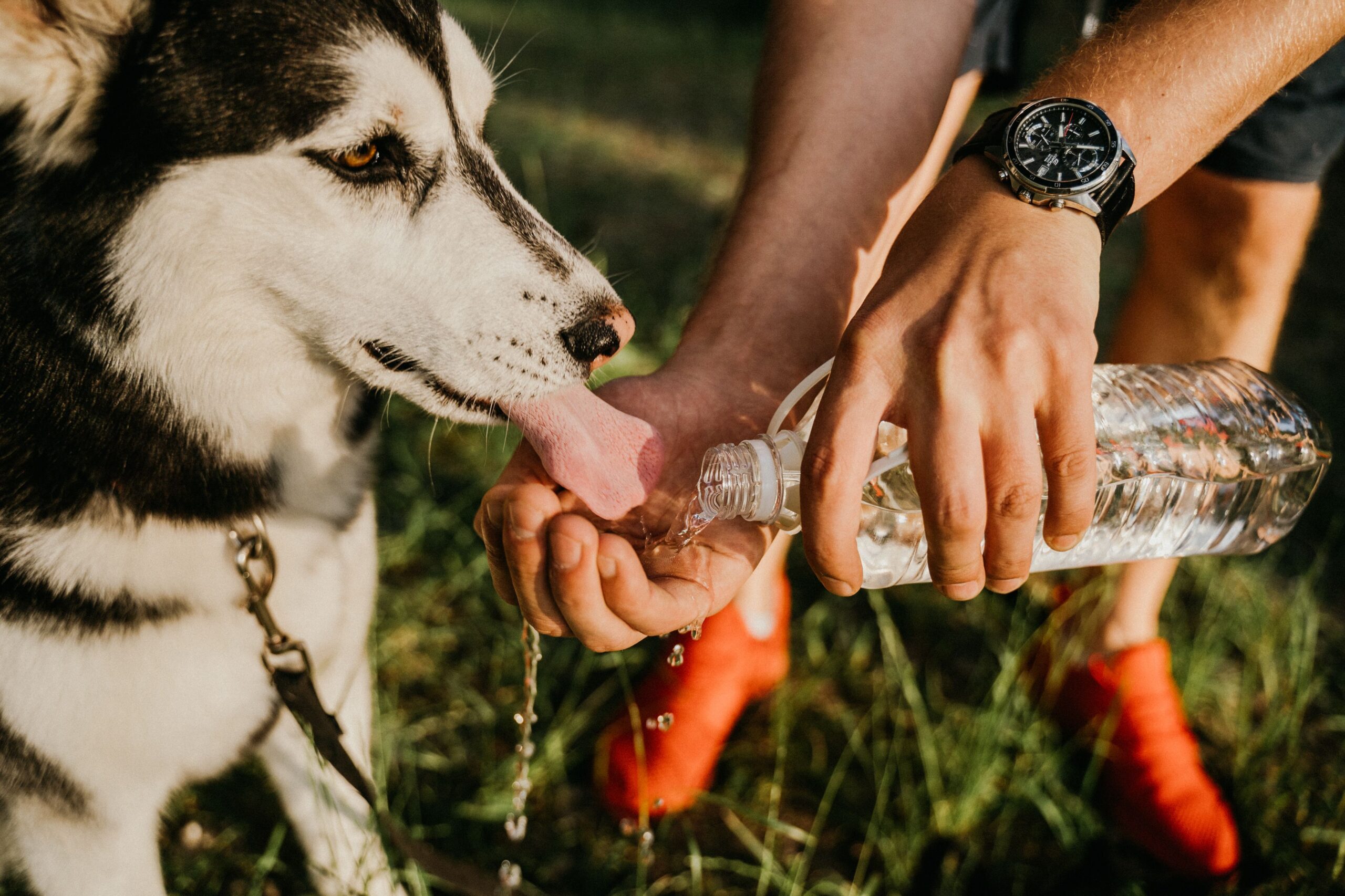
Assistance animals spend more time outdoors than most pets, which means they’re more exposed to the cold. Icy sidewalks, frozen grass, and chilly pavement can cause discomfort or even frostbite on sensitive paw pads. Limit time outside during extreme cold, use protective booties if your dog tolerates them, and dry paws thoroughly after coming indoors so they don’t crack.

2. Ice Melt and Chemical Exposure

Salt and de-icing products help keep walkways safe for humans, but they’re tough on animals. Many of these chemicals can irritate paws or cause stomach upset if licked off. Try to stick to pet-friendly paths when possible, rinse paws after walks, and keep a towel by the door for quick cleanups.

3. Holiday Treats and Toxic Foods

Holiday tables overflow with foods that can make assistance animals seriously ill. Chocolate, raisins, grapes, xylitol, macadamia nuts, rich leftovers, and alcohol are common culprits. Encourage visitors to avoid feeding your animal and keep food-heavy areas out of reach. A quick reminder sign near the dining table never hurts.

4. Decorations and Household Hazards

Festive décor may look harmless, but it hides risks like electrical cords, fragile ornaments, tinsel, ribbons, and lit candles. Even well-trained assistance animals can accidentally bump into or become curious about new objects in their space. Secure wires, pick sturdy ornaments, skip tinsel, and keep candles high and stable.

5. Holiday Plants

Many traditional holiday plants are toxic if eaten. Poinsettias, mistletoe, holly berries, and some lilies can cause anything from mild stomach upset to more serious symptoms. Keep these plants tucked away or opt for silk alternatives that still brighten the room without the risk.

6. Visitors, Noise, and Overstimulation

Assistance animals are experts at navigating busy environments, but holiday gatherings can still push their limits. Doorbells, fireworks, unfamiliar guests, and changes in routine can lead to stress or distraction. Provide a quiet space where they can rest, stick to their regular schedule as much as possible, and signal to guests that your animal is working.

7. Heating Sources and Indoor Risks

Space heaters, fireplaces, and heated blankets are cozy for humans but can be dangerous for animals. Keep heaters in safe spots, monitor fireplace screens, and make sure cords from heating pads stay hidden.

Final Thoughts

Winter brings a lot of joy, but it also adds hazards that can quietly put assistance animals at risk. Staying mindful of the environment, keeping routines steady, and making small adjustments go a long way in protecting the animals who support us every day. With a little preparation, you can enjoy the season while ensuring your assistance partner stays safe, comfortable, and ready to take on whatever comes next.

Discover more articles below: 


Do you own an assistance animal? Register your pet today.

The Service Animal Registry of California invites you to have your assistance animal registered in order to designate its status. We also encourage you to take our online classes so you can be fully aware of your rights and gain more knowledge about your support animal.

Finally, we present to you our book entitled, “ASSISTANCE ANIMAL LAWS: LEARN YOUR RIGHTS REGARDING SERVICE ANIMALS, EMOTIONAL SUPPORT ANIMALS, THERAPY PETS, AND OTHER DOGS, CATS, AND ASSISTANCE ANIMALS” to provide you with a complete education on assistance animals.

Purchase your copy of the book by clicking the image below.

Ways Mobility Assistance Dogs Reduce Emergencies at Home

Mobility assistance dogs play a vital role in enhancing the safety, independence, and confidence of individuals with mobility challenges. Beyond daily support, these highly trained dogs help prevent dangerous situations at home. Their presence can significantly reduce the likelihood of accidents, medical emergencies, and stressful incidents. Below are key ways mobility assistance dogs make home environments safer and more secure.

Preventing Falls and Injuries

One of the most common household emergencies for people with mobility limitations is falling. Mobility assistance dogs help reduce these incidents through physical support and steady guidance.

  • Balance and Stability: Dogs are trained to brace and provide counterbalance while their handler stands up, sits down, or moves across uneven surfaces.
  • Object Retrieval: Instead of bending, reaching, or stretching—which can lead to falls—handlers rely on their dogs to fetch dropped items, remote controls, phones, clothing, and more.
  • Door and Drawer Assistance: Opening heavy doors or low cabinets can throw someone off balance. Mobility assistance dogs are trained to pull handles or push doors open, minimizing risk.

Ensuring Timely Access to Help

In emergencies, response time is critical. Mobility assistance dogs help ensure that individuals are never left stranded or unable to reach help.

  • Retrieving a Phone or Emergency Device: If a handler falls or becomes impaired, a trained dog can bring a phone, medical alert device, or communication tool immediately.
  • Activating Emergency Buttons: Some dogs learn to press specially designed wall-mounted buttons or alert systems that contact caregivers or emergency services.
  • Alerting Others: Many mobility dogs are trained to find a family member, neighbor, or caregiver in urgent situations, acting as a vital communication bridge.

Reducing Physical Strain and Overexertion

Overexertion can lead to medical complications, especially for individuals with chronic illnesses, joint conditions, or heart and respiratory challenges. Mobility assistance dogs help minimize strain by taking on daily tasks.

  • Pulling Wheelchairs or Providing Forward Momentum: This reduces fatigue and lowers the risk of pain flare-ups or cardiovascular stress.
  • Assisting with Transitions: Moving from bed to wheelchair or into a seated position is easier with canine support, reducing the risk of muscle strain.
  • Carrying Bags or Light Loads: By helping transport items, these dogs prevent handlers from lifting more than they safely can.

Enhancing Environmental Safety

Mobility assistance dogs help detect and mitigate hazards in the home.

  • Clearing Pathways: Dogs are trained to guide handlers around clutter, obstacles, or spills that could cause slipping or tripping.
  • Turning Lights On and Off: Improving visibility reduces the chances of nighttime accidents.
  • Opening and Closing Appliances: Some dogs help with refrigerators, washers, or dryers, allowing safe and stable use without awkward stretching or reaching.

Final Thoughts

Mobility assistance dogs provide far more than companionship—they serve as essential partners in safety. Their specialized skills help prevent emergencies, reduce physical strain, and offer crucial assistance during urgent situations. With their support, individuals with mobility challenges can enjoy greater independence, peace of mind, and a dramatically safer home environment.

Learn more about assistance animals below:


Do you own an assistance animal? Register your pet today.

The Service Animal Registry of California invites you to have your assistance animal registered in order to designate its status. We also encourage you to take our online classes so you can be fully aware of your rights and gain more knowledge about your support animal.

Finally, we present to you our book entitled, “ASSISTANCE ANIMAL LAWS: LEARN YOUR RIGHTS REGARDING SERVICE ANIMALS, EMOTIONAL SUPPORT ANIMALS, THERAPY PETS, AND OTHER DOGS, CATS, AND ASSISTANCE ANIMALS” to provide you with a complete education on assistance animals.

Purchase your copy of the book by clicking the image below.