
Winter Care Tips for Assistance Animals

When the temperature drops, our routines shift—and that includes how we care for assistance animals. These dedicated companions do more than provide support; they’re partners who help their handlers navigate daily life. Cold weather can be tough on them too, so keeping them safe, warm, and healthy through the winter months is essential.

1. Keep Them Warm and Dry

Even animals with thicker coats can struggle in freezing temperatures. Short-haired or small-breed assistance dogs, in particular, may need an extra layer. A well-fitted, insulated coat or sweater can make a big difference during walks. After being outdoors, dry your animal thoroughly, especially their paws and underbelly, to prevent discomfort or skin irritation from moisture and cold.

2. Protect Their Paws

Salt, ice melt, and cold pavement can all cause irritation or injury to paws. Before heading out, consider using paw balm or wax to create a protective barrier. Booties are another great option if your assistance animal tolerates them. After every walk, check for cracks or redness between the pads, and wipe their paws to remove any salt or chemicals that could be harmful if licked.

3. Adjust Their Exercise Routine

Cold weather doesn’t mean skipping activity, but it may require adjustments. Try shorter, more frequent walks during the warmest parts of the day. If the weather is too harsh, indoor activities like scent games, basic training drills, or interactive toys can help your assistance animal stay active and mentally engaged without the chill.

4. Mind Their Diet and Hydration

Like humans, assistance animals burn more energy staying warm in winter. You may need to slightly increase their food intake, especially if they’re working outdoors often. Just make sure to balance it with their activity level to avoid unwanted weight gain. Also, keep their water bowl fresh and unfrozen—hydration is just as important in the cold as it is in summer.

5. Watch for Signs of Cold Stress

Shivering, whining, or slowing down during walks can all be signs your animal is too cold. Frostbite and hypothermia are real risks, especially in exposed areas like ears, paws, and tails. If you notice your animal acting differently—lethargic, trembling, or seeking warmth—bring them inside immediately and warm them gradually with blankets.

6. Maintain Regular Grooming

Winter grooming is often overlooked, but it’s vital for your animal’s comfort. A clean, brushed coat helps regulate body temperature more effectively. Avoid overbathing since it can strip natural oils, leading to dry, itchy skin.

Final Thoughts

Assistance animals give their all year-round, and winter care ensures they can continue supporting their handlers safely and comfortably. By protecting them from the cold, adjusting routines, and paying attention to subtle signs of discomfort, you’re not just maintaining their health—you’re showing appreciation for the bond and trust that make them such incredible partners. With the right care, both you and your assistance animal can enjoy the season together, warm and well-prepared.

Read more animal ownership articles here!


Do you own an assistance animal? Register your pet today.

The Service Animal Registry of California invites you to have your assistance animal registered in order to designate its status. We also encourage you to take our online classes so you can be fully aware of your rights and gain more knowledge about your support animal.

Finally, we present to you our book entitled, “ASSISTANCE ANIMAL LAWS: LEARN YOUR RIGHTS REGARDING SERVICE ANIMALS, EMOTIONAL SUPPORT ANIMALS, THERAPY PETS, AND OTHER DOGS, CATS, AND ASSISTANCE ANIMALS” to provide you with a complete education on assistance animals.

Purchase your copy of the book by clicking the image below.

Watching Fish Swim: A Simple Way to Improve Your Mood

There’s something quietly captivating about watching fish glide through water—the gentle movements, the flicker of light on their scales, the way they drift without hurry. It’s not just a pleasant pastime; it’s actually a simple, science-backed way to boost your mood and calm your mind.

The Calming Power of Aquariums

Researchers have found that spending just a few minutes watching fish swim can lower heart rate, reduce blood pressure, and ease feelings of anxiety. In one study from the National Marine Aquarium in the U.K., participants reported feeling significantly more relaxed and happier after observing aquatic life, especially as the number and variety of fish increased.

The reason behind this is straightforward: water and movement have a naturally soothing effect on the human brain. Watching fish move rhythmically through water mimics meditation in some ways—it draws your attention into the moment and away from whatever’s been weighing on your mind.

Why It Works

There’s a concept in psychology called “soft fascination.” It refers to the kind of attention that gently holds your focus without demanding effort—like watching waves, clouds, or, in this case, fish. This kind of calm attention helps your brain rest and recharge. It’s the opposite of the overstimulation that comes from scrolling through social media or juggling work notifications.

When you let yourself be absorbed by the peaceful motions of fish, your stress response slows down. Your breathing evens out. Even your mood can lift, as your brain releases feel-good chemicals like dopamine and serotonin. That’s why aquariums are often found in places like hospitals, waiting rooms, and nursing homes—environments where people may feel tense or anxious.

A Simple Mood-Boosting Habit

You don’t need a massive saltwater tank or exotic species to get these benefits. Even a small freshwater aquarium with a few colorful fish can make a difference. The key is consistency—taking a few minutes every day to simply sit, watch, and let yourself unwind.

If setting up an aquarium at home isn’t possible, you can still experience the same calming effect through aquarium videos or live cams of underwater environments. Many people play these videos in the background while working or studying, and they find it helps them focus while keeping stress levels low.

Beyond Relaxation

There’s also a sense of connection that comes from caring for fish. Feeding them, cleaning their tank, and maintaining their habitat can bring a quiet sense of purpose and mindfulness to your day. This daily routine can be especially grounding for people struggling with anxiety, depression, or loneliness.

Final Thoughts

In a world that’s always rushing, watching fish swim offers a rare kind of stillness. It’s a small, accessible way to slow down, breathe, and reset your thoughts. Whether you’re sitting by a home aquarium or watching a live coral reef stream online, that peaceful underwater world can remind you to do something simple—but powerful—for your well-being: pause and just watch.

Sometimes, improving your mood doesn’t require big changes—just a few quiet moments watching the world under water.

Discover more articles below:


Do you own an assistance animal? Register your pet today.

The Service Animal Registry of California invites you to have your assistance animal registered in order to designate its status. We also encourage you to take our online classes so you can be fully aware of your rights and gain more knowledge about your support animal.

Finally, we present to you our book entitled, “ASSISTANCE ANIMAL LAWS: LEARN YOUR RIGHTS REGARDING SERVICE ANIMALS, EMOTIONAL SUPPORT ANIMALS, THERAPY PETS, AND OTHER DOGS, CATS, AND ASSISTANCE ANIMALS” to provide you with a complete education on assistance animals.

Purchase your copy of the book by clicking the image below.
Why Service Animals Make a Difference in Mental Health Recovery

Service animals do more than assist with physical tasks—they provide steady, life-changing support for people navigating mental health challenges. From veterans coping with PTSD to individuals living with anxiety or depression, these animals bridge the gap between clinical treatment and everyday coping, offering comfort, safety, and companionship that medicine alone can’t always provide.

Emotional Stability Through Connection

At the heart of service animal work is emotional grounding. When someone experiences panic, flashbacks, or intrusive thoughts, a trained animal can sense the distress and respond immediately—whether by nudging, applying pressure (a grounding technique), or leading them away from stressful environments. This consistent emotional support helps individuals regain control during overwhelming moments.

For many, simply having a service dog nearby can reduce loneliness and isolation. The bond between human and animal builds a sense of trust and presence that encourages emotional regulation. In fact, studies have shown that interacting with animals can lower cortisol (the stress hormone) and increase oxytocin, the “feel-good” chemical associated with bonding and calmness.

Encouraging Structure and Responsibility

Mental health recovery often depends on creating routines that foster stability and purpose. Caring for a service animal—feeding, grooming, walking—gives structure to the day and encourages responsibility. These simple acts become therapeutic rituals, helping individuals stay active and engaged, even on difficult days.

Having a service animal can also promote self-sufficiency. Knowing their companion relies on them helps many people rebuild confidence and motivation, two elements often shaken by mental health struggles. This interdependent relationship transforms recovery from something clinical into something living and breathing.

Bridging Social Gaps and Reducing Stigma

Another powerful benefit of service animals lies in their ability to connect people. Many individuals dealing with depression, trauma, or anxiety withdraw from social interactions. Service animals can act as icebreakers—inviting positive attention and opening conversations that might otherwise feel too daunting.

They also help normalize mental health conditions in public spaces. When people see service animals assisting those with invisible disabilities, it raises awareness that mental health struggles deserve the same understanding and accommodation as physical ones. This visibility fosters empathy and helps reduce the stigma that often prevents people from seeking help.

Discover: 6 Effective Ways to Raise Awareness About Service Animals

Complementing Traditional Treatment

Service animals don’t replace therapy or medication, but they can make both more effective. They reinforce coping strategies learned in therapy, remind their handlers to take medication or perform calming exercises, and encourage consistency in self-care habits. This complementary role allows individuals to better integrate mental health management into their daily lives.

Final Thoughts

The impact of service animals on mental health recovery goes far beyond companionship—they are living partners in resilience. Their presence provides emotional balance, structure, and social connection, helping individuals move from mere survival to genuine healing. For many, these animals are not just helpers but catalysts for hope, empowering them to re-engage with life and rediscover strength in moments of vulnerability. In the journey toward recovery, a service animal can truly make all the difference.


Do you own an assistance animal? Register your pet today.  The Service Animal Registry of California invites you to have your assistance animal registered in order to designate its status. We also encourage you to take our online classes so you can be fully aware of your rights and gain more knowledge about your support animal.

Finally, we present to you our book entitled, “ASSISTANCE ANIMAL LAWS: LEARN YOUR RIGHTS REGARDING SERVICE ANIMALS, EMOTIONAL SUPPORT ANIMALS, THERAPY PETS, AND OTHER DOGS, CATS, AND ASSISTANCE ANIMALS” to provide you with a complete education on assistance animals. Purchase your copy of the book by clicking the image below. 

Preparing Shelter Dogs for Emotional Support Roles

Every year, thousands of dogs enter shelters—some abandoned, some surrendered, and many simply in need of a second chance. Among them are countless potential emotional support animals (ESAs) waiting to make a difference in someone’s life. But not every shelter dog is ready right away. Preparing a dog for an emotional support role takes time, training, and understanding.

Understanding What an Emotional Support Animal Does

Emotional support animals provide comfort and companionship to individuals with mental or emotional challenges such as anxiety, depression, or PTSD. Unlike service dogs, ESAs don’t need specialized skills to perform specific tasks, but they must have calm, stable temperaments and be well-behaved in a variety of environments. That’s where preparation and training come in.

Step 1: Assessing Temperament and Suitability

Not all dogs are suited for emotional support work, and that’s okay. The first step is a temperament evaluation. Shelter staff or certified trainers look for dogs that are gentle, people-oriented, and adaptable. An ESA should be comfortable with being touched, not easily startled by loud noises, and capable of relaxing in different settings.

A friendly, affectionate nature is essential—but so is resilience. Dogs that show signs of aggression, high anxiety, or reactivity may not be good candidates until they receive behavioral rehabilitation.

Step 2: Building Trust and Socialization

Many shelter dogs have experienced neglect or trauma. Before they can help humans heal, they often need to heal themselves. Building trust through consistent care, gentle handling, and positive reinforcement helps dogs feel safe again.

Socialization is equally important. Exposure to different people, other animals, and environments helps them stay calm and confident. Shelter volunteers can take them on walks, introduce them to new situations, and reward calm behavior to strengthen their adaptability.

Step 3: Basic Obedience Training

A solid foundation in obedience is key. Dogs should reliably respond to commands like “sit,” “stay,” “come,” and “leave it.” Positive reinforcement methods—treats, praise, and play—work best, creating a bond of trust between dog and trainer.

In addition, crate training, leash manners, and housebreaking are essential. These habits make it easier for dogs to transition into a home and public settings with their future handlers.

Read more: Why Basic Training Still Helps Your Emotional Support Animal

Step 4: Matching with the Right Human

Once trained, the next step is pairing the dog with the right individual. A calm, affectionate dog might be perfect for someone coping with depression, while an energetic but gentle one could uplift someone struggling with anxiety. The bond between a person and their ESA is built on mutual comfort and emotional connection, so careful matching ensures long-term success.

Final Thoughts

Preparing a shelter dog for an emotional support role is both heartwarming and transformative. It’s a process that turns a life once marked by uncertainty into one filled with purpose. With patience, compassion, and proper training, these dogs can offer more than companionship—they provide healing, stability, and unconditional love. In the end, it’s not just the humans who are rescued; the dogs, too, find a new lease on life through the power of emotional connection.


Do you own an assistance animal? Register your pet today.  The Service Animal Registry of California invites you to have your assistance animal registered in order to designate its status. We also encourage you to take our online classes so you can be fully aware of your rights and gain more knowledge about your support animal.

Finally, we present to you our book entitled, “ASSISTANCE ANIMAL LAWS: LEARN YOUR RIGHTS REGARDING SERVICE ANIMALS, EMOTIONAL SUPPORT ANIMALS, THERAPY PETS, AND OTHER DOGS, CATS, AND ASSISTANCE ANIMALS” to provide you with a complete education on assistance animals. Purchase your copy of the book by clicking the image below. 
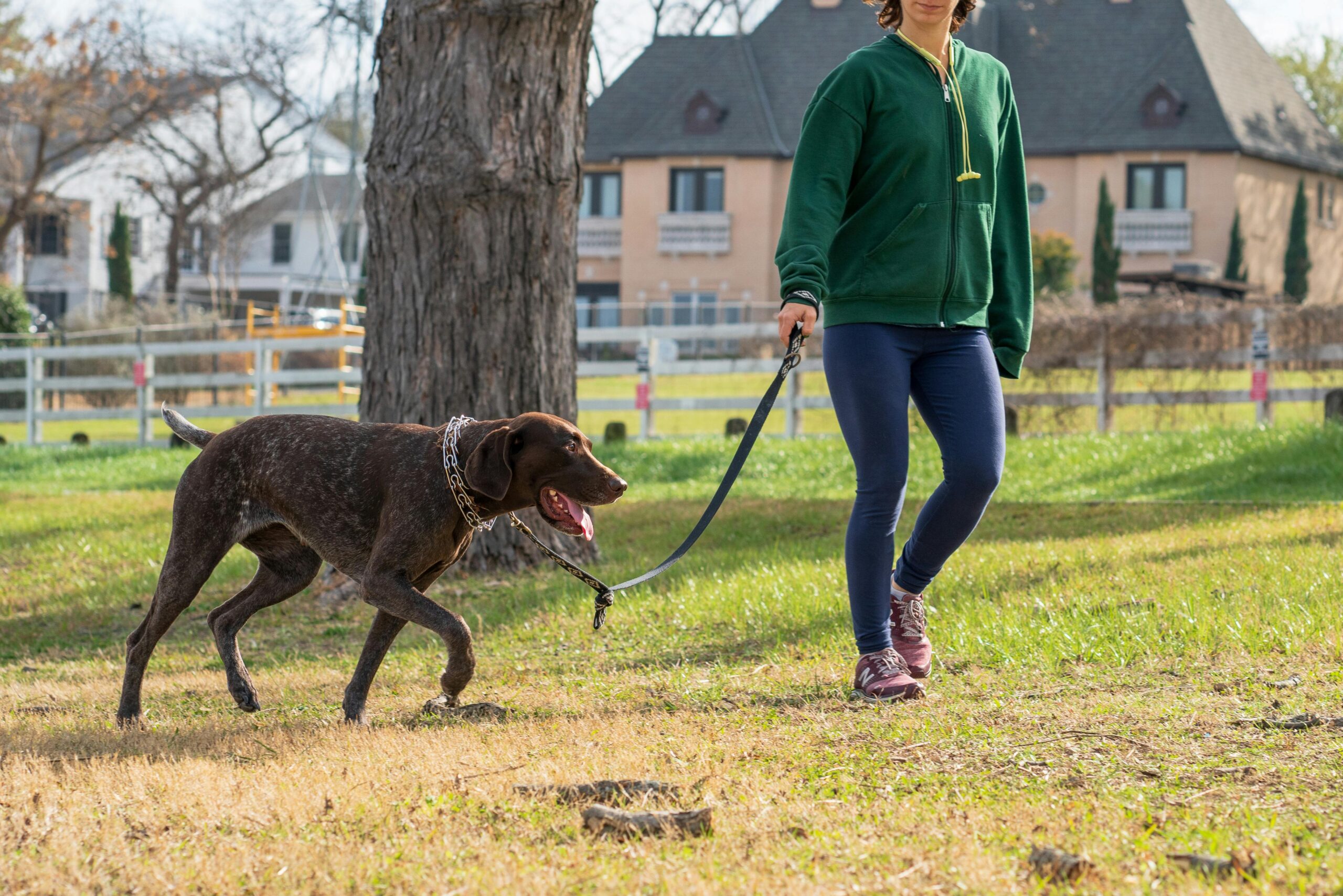
Training, Hygiene, and Safety: Ensuring Successful Therapy Animal Visits

Therapy animal visits can brighten a hospital ward, calm a classroom, or bring comfort to a senior living community. To make those visits truly beneficial, three pillars must be in place: reliable training, strict hygiene, and clear safety practices. When handlers, facilities, and program coordinators share responsibility, visits are safe, respectful, and effective.

Training: the foundation of trust

Therapy animals must be steady, predictable, and well-socialized. Training focuses on basic obedience, impulse control, and desensitization to unusual sights and sounds. Animals learn to stay calm around medical equipment, sudden movements, and crowds. Handlers should train animals for specific environments they will visit. For example, a therapy dog visiting a pediatric unit must be comfortable around loud noises and excited children, while a dog visiting a memory care unit should work on gentle, slow interactions.

Handler education is as important as animal training. Handlers need to read animal body language, manage stress signals, and intervene early if their animal becomes uncomfortable. Regular evaluations by a qualified trainer or therapy animal organization ensure that both animal and handler remain fit for visits over time.

Read more: Essential Tips for Training Therapy Animals

Hygiene: protecting clients and animals

Hygiene is nonnegotiable. Facilities should require animals to be bathed and groomed within a reasonable window before visits, have clean paws, and be free of visible parasites. Handlers should carry basic grooming supplies and a clean blanket or mat for the animal to sit on.

Hand sanitation protocols protect everyone. Clients, staff, and handlers should sanitize hands before and after contact. If a facility has strict infection-control rules, handlers must follow them without exception. Animals should also be up to date on vaccinations and veterinary checks. A regular health checklist, maintained by the handler and provided to the facility, helps prevent disease transmission and reassures staff.

Read more: Are Vaccinations Required by the ADA for Service Dogs? A Practical Overview

Safety: clear rules and controlled environments

Safety starts with clear, written policies. Facilities should outline where animals may go, which patients or residents can receive visits, and what activities are acceptable. Not everyone wants or can interact with animals, so consent matters. Screen clients for allergies, phobias, and medical contraindications before visits, and respect privacy and cultural preferences.

During visits, handlers must supervise every interaction. Let clients initiate contact and guide how they pet or touch the animal. Avoid risky behaviors like feeding from the client’s plate, allowing the animal to jump on laps uninvited, or using the animal for medical procedures. If an animal shows stress signs such as lip licking, yawning, tucked tail, or stiff posture, the handler should calmly remove it from the situation.

Collaboration and continuous improvement

Successful therapy programs rely on ongoing communication between handlers, facilities, and veterinary professionals. Debrief after visits to note what worked and what didn’t, and adapt policies when needed. Regular continuing education for handlers and periodic re-evaluations of animals keep the program fresh and safe.

Discover: The Importance of Early Socialization for Service Dogs

Conclusion

When training, hygiene, and safety are taken seriously, therapy animal visits offer powerful emotional and therapeutic benefits. Thoughtful preparation protects clients, animals, and staff, and builds trust. With clear expectations and shared responsibility, therapy animals can continue to make meaningful, healing visits for years to come.


Do you own an assistance animal? Register your pet today.

The Service Animal Registry of California invites you to have your assistance animal registered in order to designate its status. We also encourage you to take our online classes so you can be fully aware of your rights and gain more knowledge about your support animal.

Finally, we present to you our book entitled, “ASSISTANCE ANIMAL LAWS: LEARN YOUR RIGHTS REGARDING SERVICE ANIMALS, EMOTIONAL SUPPORT ANIMALS, THERAPY PETS, AND OTHER DOGS, CATS, AND ASSISTANCE ANIMALS” to provide you with a complete education on assistance animals.

Purchase your copy of the book by clicking the image below.

Need a Service Dog? Here’s What to Do First

For many people living with physical, mental, or emotional challenges, a service dog can be truly life-changing. These highly trained animals don’t just offer companionship—they provide vital assistance that helps their handlers navigate daily life with greater independence, safety, and confidence. But getting a service dog isn’t as simple as adopting a pet. It’s a structured process that requires preparation, patience, and the right information. If you’re considering getting a service dog, here’s what to do first.

1. Understand What a Service Dog Does

Before you start your search, it’s essential to understand what qualifies as a service dog. Under the Americans with Disabilities Act (ADA), service dogs are specially trained to perform tasks directly related to a person’s disability. This can include guiding the visually impaired, alerting someone with hearing loss, detecting seizures, reminding a person to take medication, or providing mobility assistance.

It’s also important to distinguish service dogs from emotional support animals or therapy dogs. While those animals offer comfort and emotional benefits, they don’t receive the same public access rights as service dogs, nor do they need to perform specific disability-related tasks.

Read more: Top Things You Should Know About Service Dogs

2. Determine If You Qualify

To qualify for a service dog, you must have a disability recognized under the ADA that significantly impacts your daily functioning. This can include conditions like PTSD, epilepsy, diabetes, or mobility impairments. A doctor or licensed mental health professional can help document your need, which will be useful when applying to service dog programs.

If you’re unsure whether your condition qualifies, consider speaking with your healthcare provider about how a service dog might support your daily life.

Read more: What Disabilities Qualify for a Service Dog?

3. Research Reputable Organizations

Once you’ve confirmed that a service dog is the right fit, the next step is finding a legitimate organization or trainer. Look for nonprofits or accredited service dog programs through groups like Assistance Dogs International (ADI). These organizations follow strict training standards and ensure that dogs are well-matched to their handlers’ needs.

Be cautious of online scams or breeders who claim to sell “certified” service dogs without proper training—legitimate service dogs undergo rigorous preparation that can take 18–24 months.

4. Prepare for the Application Process

Applying for a service dog usually involves paperwork, interviews, and medical documentation. Many programs have waiting lists, sometimes up to two years, so it’s best to start early. You may also be asked to demonstrate your ability to care for the dog, both physically and financially.

While some organizations cover training and placement costs through donations, others may require partial payment or fundraising. Make sure to ask about fees and ongoing support after placement.

5. Get Ready for Training and Adjustment

Once matched, both you and your service dog will undergo training together. This ensures you learn how to communicate effectively and reinforce the dog’s skills. The adjustment period can take time, but it’s also one of the most rewarding parts of the process—building trust and teamwork with your new partner.

Read more: What Does It Take To Train a Service Dog?

Final Thoughts

Getting a service dog is a serious but empowering commitment. With the right preparation and guidance, you’ll not only gain a trained companion but also a dependable partner who helps restore confidence and independence in your daily life. The first step is simple: learn, plan, and connect with a trusted program. From there, you’ll be well on your way to finding the support you deserve.


Do you own an assistance animal? Register your pet today. 

The Service Animal Registry of California invites you to have your assistance animal registered in order to designate its status. We also encourage you to take our online classes so you can be fully aware of your rights and gain more knowledge about your support animal.

Finally, we present to you our book entitled, “ASSISTANCE ANIMAL LAWS: LEARN YOUR RIGHTS REGARDING SERVICE ANIMALS, EMOTIONAL SUPPORT ANIMALS, THERAPY PETS, AND OTHER DOGS, CATS, AND ASSISTANCE ANIMALS” to provide you with a complete education on assistance animals.

Purchase your copy of the book by clicking the image below.

How Nutrition Impacts Your Emotional Support Dog’s Performance

Emotional support dogs aren’t just companions—they’re lifelines. They help ease anxiety, provide comfort, and create a steady sense of calm for their owners. But for these dogs to perform their roles effectively, their own well-being has to come first. One of the most overlooked aspects of that care is nutrition. Just like athletes need the right diet to perform at their peak, your emotional support dog needs balanced, quality nutrition to stay focused, energetic, and emotionally stable.

The Link Between Diet and Behavior

A dog’s behavior and energy levels are closely tied to what they eat. Diets high in fillers, artificial preservatives, or low-quality ingredients can cause mood swings, hyperactivity, or sluggishness. On the other hand, a diet rich in lean proteins, healthy fats, and essential vitamins provides steady energy and supports brain function. That means fewer distractions, better focus, and more reliable emotional support when you need it most.

For example, amino acids from protein sources like chicken, salmon, or lamb are essential for producing neurotransmitters such as serotonin and dopamine—chemicals that regulate mood and stress response. A lack of these nutrients can lead to irritability or restlessness in dogs, which undermines their role as steady emotional anchors.

Discover: Everyday Tips to Promote the Health and Wellness of Your Furry Friend

The Importance of Healthy Fats

Omega-3 fatty acids, commonly found in fish oil or flaxseed, play a key role in brain health. They reduce inflammation, support cognitive function, and even promote calmer behavior. Studies suggest dogs fed diets rich in omega-3s are less prone to anxiety and stress, which directly benefits those who rely on their emotional support dog for comfort during overwhelming moments.

Consistent Energy Through Balanced Meals

An emotional support dog’s daily responsibilities may not look like an athlete’s, but their role requires endurance—staying calm in crowded places, responding to their owner’s emotions, and remaining alert. Feeding them a diet with the right mix of protein, complex carbohydrates, and fiber ensures steady energy release throughout the day. This prevents mid-day crashes or sudden bursts of hyperactivity that could make them less reliable in stressful situations.

Discover: What Healthy and Natural Treats Can Dogs Eat?

Hydration Matters Too

It’s easy to overlook water, but hydration is as important as food. Even mild dehydration can cause fatigue, irritability, and reduced focus in dogs. Always make sure your emotional support dog has access to clean, fresh water, especially after exercise, training sessions, or long outings.

Tailoring Nutrition to the Dog

Not every dog’s needs are the same. Breed, age, weight, and health conditions all play a role in determining the best diet. For instance, larger breeds may require joint-supporting nutrients like glucosamine, while smaller breeds often need calorie-dense meals to sustain energy. Consulting with a veterinarian helps ensure your emotional support dog gets a personalized nutrition plan that supports their role.

Read more: 5 Nutrition Tips for Service Dogs

Final Thoughts

Your emotional support dog is there for you in moments of stress, anxiety, and vulnerability. Ensuring they receive proper nutrition is one of the best ways to honor the important role they play in your life. A well-fed dog is not just healthier—they’re calmer, more attentive, and better equipped to provide the unwavering emotional support you depend on every day.


Do you own an assistance animal? Register your pet today. 

The Service Animal Registry of California invites you to have your assistance animal registered in order to designate its status. We also encourage you to take our online classes so you can be fully aware of your rights and gain more knowledge about your support animal.

Finally, we present to you our book entitled, “ASSISTANCE ANIMAL LAWS: LEARN YOUR RIGHTS REGARDING SERVICE ANIMALS, EMOTIONAL SUPPORT ANIMALS, THERAPY PETS, AND OTHER DOGS, CATS, AND ASSISTANCE ANIMALS” to provide you with a complete education on assistance animals.

Purchase your copy of the book by clicking the image below.
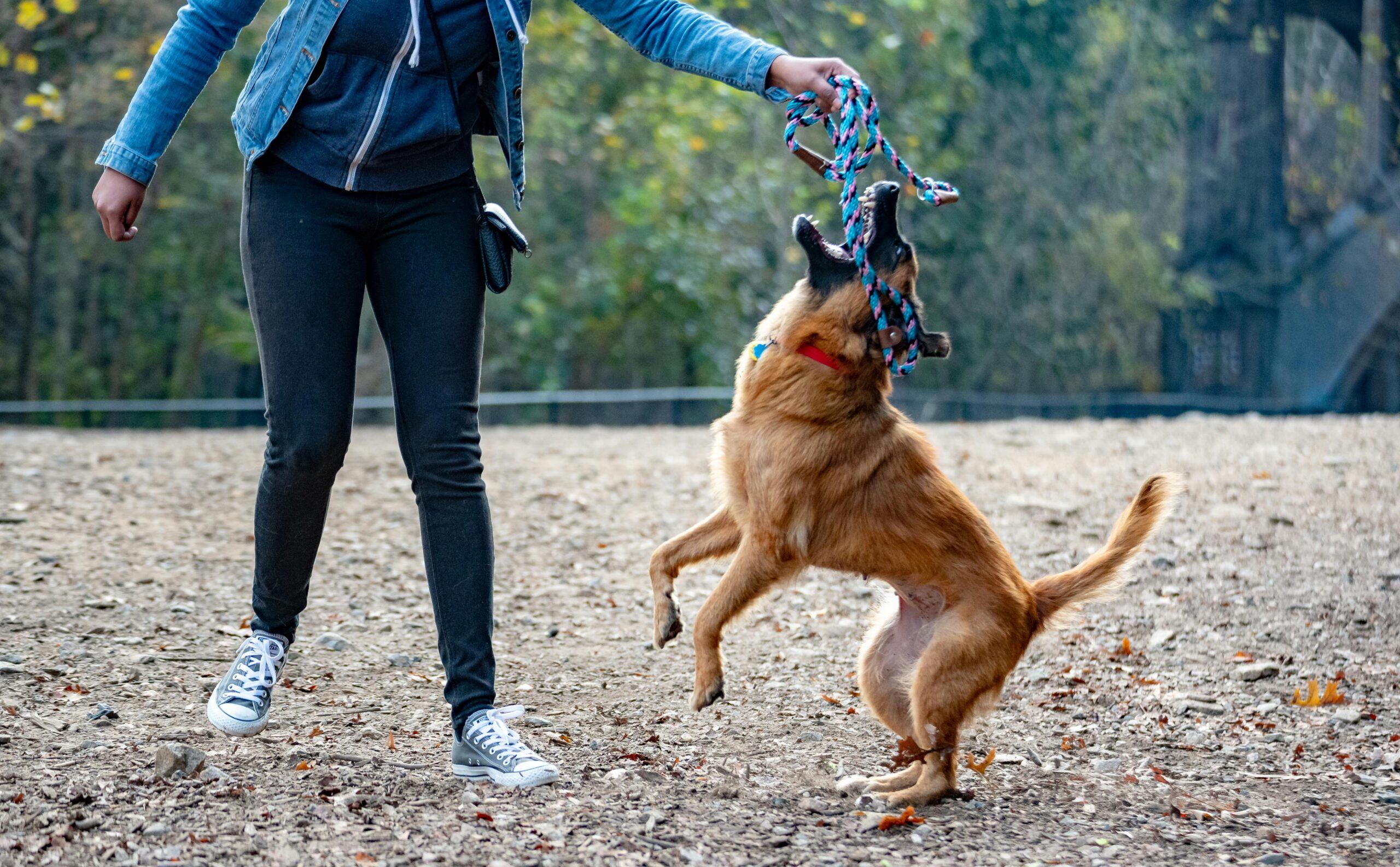
Pawfessional Paths: Exploring Careers for Dogs

When most people think of a dog’s “job,” they imagine chasing balls, guarding the yard, or curling up on the couch after a long walk. But for centuries, dogs have taken on meaningful roles alongside humans, helping us work, heal, and even save lives. With their intelligence, loyalty, and highly trainable nature, dogs are capable of careers that go far beyond companionship. From guiding the visually impaired to detecting danger, our four-legged friends are proving that they can be true professionals.

Service and Assistance Dogs

Perhaps the most well-known career path for dogs is in service work. Guide dogs help people who are blind navigate their surroundings safely, while hearing dogs alert their handlers to important sounds such as alarms or doorbells. There are also mobility assistance dogs trained to retrieve objects, open doors, and provide physical stability. These roles require dogs with calm temperaments, strong focus, and an incredible bond with their human partners.

Read more: Service Dogs and the Power of Nonverbal Support

Therapy Dogs

Not to be confused with service dogs, therapy dogs specialize in emotional support. You’ll often find them in hospitals, nursing homes, schools, or disaster sites, offering comfort to people in stressful or painful situations. Their mere presence can lower blood pressure, reduce anxiety, and bring smiles in places where joy can feel scarce. Gentle, sociable breeds—such as Golden Retrievers, Poodles, and Cavalier King Charles Spaniels—often excel in this line of work.

Search and Rescue Dogs

When emergencies strike, dogs trained in search and rescue are some of the first to spring into action. Their extraordinary sense of smell and stamina make them invaluable in finding missing people after natural disasters, avalanches, or accidents. Whether working in urban rubble or remote wilderness, these dogs undergo intense training to track scents and navigate challenging environments. German Shepherds, Belgian Malinois, and Bloodhounds are especially skilled at this lifesaving job.

Detection Dogs

Dogs’ noses are millions of times more sensitive than ours, and that superpower has been harnessed in countless ways. Detection dogs are trained to sniff out explosives, drugs, and even agricultural pests. More recently, they’ve been used in medical fields to detect diseases such as cancer or even COVID-19. The precision of their olfactory skills makes them one of the most reliable “tools” in law enforcement, customs, and healthcare.

Read more: Can Dogs Be Trained to Sniff Out Cancer?

Working Dogs in Traditional Roles

While some canine careers sound high-tech or modern, many dogs still thrive in traditional working roles. Herding dogs, like Border Collies and Australian Shepherds, manage livestock with uncanny instinct and energy. Sled dogs, like Siberian Huskies, continue to work in snowy regions, pulling loads across icy terrain. Livestock guardian dogs, such as Great Pyrenees, protect flocks from predators. These time-honored roles showcase the deep partnership between humans and dogs in daily survival and livelihood.

The Future of Canine Careers

As science and society evolve, so too do the opportunities for dogs. From assisting in therapy for veterans with PTSD to supporting children with autism, dogs are continually proving their adaptability and importance. Their careers are not about replacing human ability but about enhancing human well-being and safety in ways technology simply can’t replicate.

Final Thoughts

Dogs may not choose their career paths, but their natural gifts make them extraordinary partners in nearly every field imaginable. Whether they’re guiding, guarding, comforting, or rescuing, these “pawfessionals” remind us that man’s best friend is also one of the world’s most dedicated workers.


Do you own an assistance animal? Register your pet today. 

The Service Animal Registry of California invites you to have your assistance animal registered in order to designate its status. We also encourage you to take our online classes so you can be fully aware of your rights and gain more knowledge about your support animal.

Finally, we present to you our book entitled, “ASSISTANCE ANIMAL LAWS: LEARN YOUR RIGHTS REGARDING SERVICE ANIMALS, EMOTIONAL SUPPORT ANIMALS, THERAPY PETS, AND OTHER DOGS, CATS, AND ASSISTANCE ANIMALS” to provide you with a complete education on assistance animals.

Purchase your copy of the book by clicking the image below.

More Than Companions: How Service Dogs Help Veterans Reclaim Daily Life

For many veterans, life after service brings challenges that extend far beyond the battlefield. The transition to civilian life can be complicated by physical injuries, post-traumatic stress disorder (PTSD), anxiety, and depression. While medical care and therapy play a crucial role in recovery, service dogs are proving to be extraordinary allies—helping veterans not just cope but reclaim their independence, confidence, and sense of purpose.

More Than Emotional Support

Unlike pets or emotional support animals, service dogs undergo extensive training to perform specific tasks tailored to their handler’s needs. For veterans living with PTSD, these tasks may include waking them from nightmares, creating a buffer in crowded spaces, or providing grounding during panic attacks. For those with physical injuries, service dogs can retrieve items, assist with mobility, or even alert others in case of an emergency.

The difference these trained dogs make is profound. Beyond offering comfort, they provide practical, lifesaving support that helps veterans navigate everyday situations that might otherwise feel overwhelming.

Read more: Service Dogs and the Power of Nonverbal Support

Easing the Burden of PTSD

PTSD remains one of the most common challenges faced by returning veterans. Flashbacks, hypervigilance, and anxiety can make simple activities—like grocery shopping or attending social events—feel impossible. Service dogs are trained to recognize signs of distress and intervene. They might nudge their handler to interrupt spiraling thoughts, lead them to a safe space, or act as a physical barrier in crowded environments.

These interventions aren’t just calming in the moment—they empower veterans to reengage with the world. With their service dog by their side, many report feeling safer, less isolated, and more willing to participate in daily life.

Physical Assistance and Mobility

For veterans with visible injuries, service dogs offer another layer of independence. They can open doors, pick up dropped items, provide balance support, or even help their handler rise from a seated position. Tasks that once required constant human assistance become manageable, restoring a sense of dignity and autonomy.

This freedom is life-changing. Instead of relying on family members or caregivers for every small task, veterans can reclaim control over their routines with their service dog as a trusted partner.

Read more: Service Dogs for Veterans with Mobility Challenges: Independence Through Assistance

Rebuilding Confidence and Connection

The benefits extend beyond physical and psychological assistance. Service dogs also help veterans reconnect socially. Having a service dog often sparks conversations, reduces feelings of isolation, and encourages interaction with others. Many veterans describe their service dogs as “bridges” back to society—reminders that they are not alone in their journey.

Moreover, the bond between a veteran and their service dog fosters purpose. Caring for the animal instills responsibility and structure, which can be grounding for those struggling with the uncertainty of post-service life.

Discover: How Therapy Animals Can Help Individuals Build Resilience

Final Thoughts

While the positive impact of service dogs is clear, access remains a challenge. Training a service dog can take up to two years and cost tens of thousands of dollars. Nonprofits and veteran organizations often step in to provide these animals at little or no cost, but demand still outweighs availability.

Supporting these programs means more veterans can receive the lifeline they deserve. For those who have sacrificed so much, service dogs are more than companions—they are partners in healing, independence, and hope.


Do you own an assistance animal? Register your pet today.

The Service Animal Registry of California invites you to have your assistance animal registered in order to designate its status. We also encourage you to take our online classes so you can be fully aware of your rights and gain more knowledge about your support animal.

Finally, we present to you our book entitled, “ASSISTANCE ANIMAL LAWS: LEARN YOUR RIGHTS REGARDING SERVICE ANIMALS, EMOTIONAL SUPPORT ANIMALS, THERAPY PETS, AND OTHER DOGS, CATS, AND ASSISTANCE ANIMALS” to provide you with a complete education on assistance animals.

Purchase your copy of the book by clicking the image below.

Healing Hearts: The Emotional Benefits of Living with Dogs

For centuries, dogs have been celebrated as loyal companions and protectors, but their influence goes far beyond wagging tails and playful barks. Living with dogs provides profound emotional benefits that can ease loneliness, reduce stress, and foster a deeper sense of well-being. Their unconditional love and intuitive nature make them more than just pets—they are healers in fur.

Companionship That Eases Loneliness

In today’s fast-paced and often isolating world, feelings of loneliness and disconnection are increasingly common. Dogs provide a steady presence that makes life feel less solitary. Unlike human relationships, which can sometimes be complicated or conditional, the bond with a dog is rooted in simple, unconditional love. Coming home to a dog that greets you with excitement and affection can instantly dissolve the weight of a lonely day.

Stress Relief Through Connection

Research shows that spending time with dogs reduces cortisol, the body’s stress hormone, while simultaneously boosting oxytocin, often called the “love hormone.” This chemical balance creates a calming effect, lowering blood pressure and helping people feel more grounded. Something as simple as petting a dog, listening to its rhythmic breathing, or engaging in play can provide immediate stress relief. For people juggling demanding jobs, family responsibilities, or emotional struggles, dogs serve as daily anchors of calm.

Encouraging Routine and Responsibility

Living with a dog naturally creates structure. Dogs thrive on consistent schedules for meals, walks, and playtime, which can help their owners develop healthier daily routines as well. This sense of responsibility often has emotional benefits, particularly for individuals struggling with depression or anxiety. Having a reason to get up in the morning—whether it’s for a morning walk or preparing food—provides purpose and motivation, two powerful tools in maintaining mental health.

Discover: Bonding Activities to Strengthen the Emotional Support Dog-Human Connection

Building Social Connections

Dogs often act as social bridges, encouraging interaction between their owners and others. Whether at the park, during training classes, or simply while walking through the neighborhood, dogs spark conversations that might not otherwise happen. For people who feel shy or socially isolated, this shared connection can reduce barriers and promote friendships, further improving emotional well-being.

Discover: How Emotional Support Animals Can Reduce Isolation in Older Adults

Intuitive Emotional Support

One of the most remarkable qualities of dogs is their ability to sense human emotions. Many dog owners report that their pets seem to instinctively know when they’re sad, anxious, or unwell. Dogs often respond with quiet presence—resting a head on your lap, sitting closer, or following you from room to room. These small acts of empathy can bring immense comfort, validating emotions without the need for words.

A Source of Joy and Playfulness

Beyond comfort and routine, dogs remind their owners to embrace play and spontaneity. Their enthusiasm for simple pleasures—chasing a ball, exploring outdoors, or receiving a belly rub—encourages humans to live in the moment. This playful energy not only lightens the emotional load but also nurtures a sense of joy and gratitude in daily life.

Final Thoughts

Living with a dog is more than companionship; it’s an emotional partnership that nurtures healing and resilience. From easing loneliness to providing unconditional love, dogs touch hearts in ways that support both mental and emotional health. In many ways, they don’t just share our lives—they help us heal.


Do you own an assistance animal? Register your pet today.

The Service Animal Registry of California invites you to have your assistance animal registered in order to designate its status. We also encourage you to take our online classes so you can be fully aware of your rights and gain more knowledge about your support animal.

Finally, we present to you our book entitled, “ASSISTANCE ANIMAL LAWS: LEARN YOUR RIGHTS REGARDING SERVICE ANIMALS, EMOTIONAL SUPPORT ANIMALS, THERAPY PETS, AND OTHER DOGS, CATS, AND ASSISTANCE ANIMALS” to provide you with a complete education on assistance animals.

Purchase your copy of the book by clicking the image below.