
Golden Retrievers and Emotional Regulation in Kids: A Bond Beyond Words

Golden Retrievers are more than just loyal family pets—they’re gentle emotional anchors for children. Their calm demeanor, affectionate nature, and intuitive sensitivity make them ideal companions for kids learning to navigate and manage their emotions. Especially for children facing anxiety, ADHD, or behavioral challenges, a Golden Retriever can become a steady source of support.

Creating a Safe Emotional Space

Children often feel more comfortable expressing emotions around animals than adults. Golden Retrievers provide a safe, nonjudgmental space where kids can cry, vent, or simply be themselves. This kind of emotional freedom fosters self-awareness and teaches kids how to name, understand, and work through their feelings.

Calming the Body, Calming the Mind

Interacting with a dog has measurable physiological effects. Petting a Golden Retriever can lower cortisol levels and increase oxytocin, which naturally calms the body. For a child who is dysregulated or having a meltdown, the dog’s presence provides sensory input—like the feeling of fur or the pressure of a cuddle—that helps ground and soothe them in the moment.

Read more: Why Do Our Pets Make Us Feel Good?

The Comfort of Routine and Responsibility

Golden Retrievers thrive on structure, and so do kids. Taking care of a pet—feeding, walking, grooming—gives children a sense of responsibility and routine. These daily patterns bring predictability into their lives, which can reduce anxiety and increase a child’s ability to manage change and transitions more smoothly.

Emotional Intuition in Action

What sets Golden Retrievers apart is their ability to sense emotional changes. Many parents describe their dog intuitively climbing into their child’s lap when they sense distress or anxiety. This kind of unspoken support helps children learn emotional regulation techniques by example—like taking a break, seeking comfort, or shifting focus.

Building Social Confidence

Golden Retrievers can also ease social difficulties. Children who struggle with making friends often find a best friend in their dog. This bond boosts confidence and reduces feelings of loneliness. Because dogs are great ice-breakers, they also help children practice social interaction in a low-pressure way, improving communication skills over time.

Read more: Can Pets Help Children With Their Emotional and Social Skills?

A Lasting Emotional Impact

Golden Retrievers are more than playmates—they’re emotional lifelines. They teach empathy, patience, and connection in ways that words can’t. As children grow, the lessons they learn through their relationship with their dog—how to calm down, how to care for someone, how to feel safe—carry over into school, friendships, and life.

Conclusion

A Golden Retriever may just be one member of the family, but their impact can be profound. In helping children regulate emotions, develop empathy, and find comfort during difficult moments, these dogs become quiet heroes in a child’s emotional journey. Their love is constant—and their presence, transformative.


Do you own an assistance animal? Register your pet today.  The Service Animal Registry of California invites you to have your assistance animal registered in order to designate its status. We also encourage you to take our online classes so you can be fully aware of your rights and gain more knowledge about your support animal.

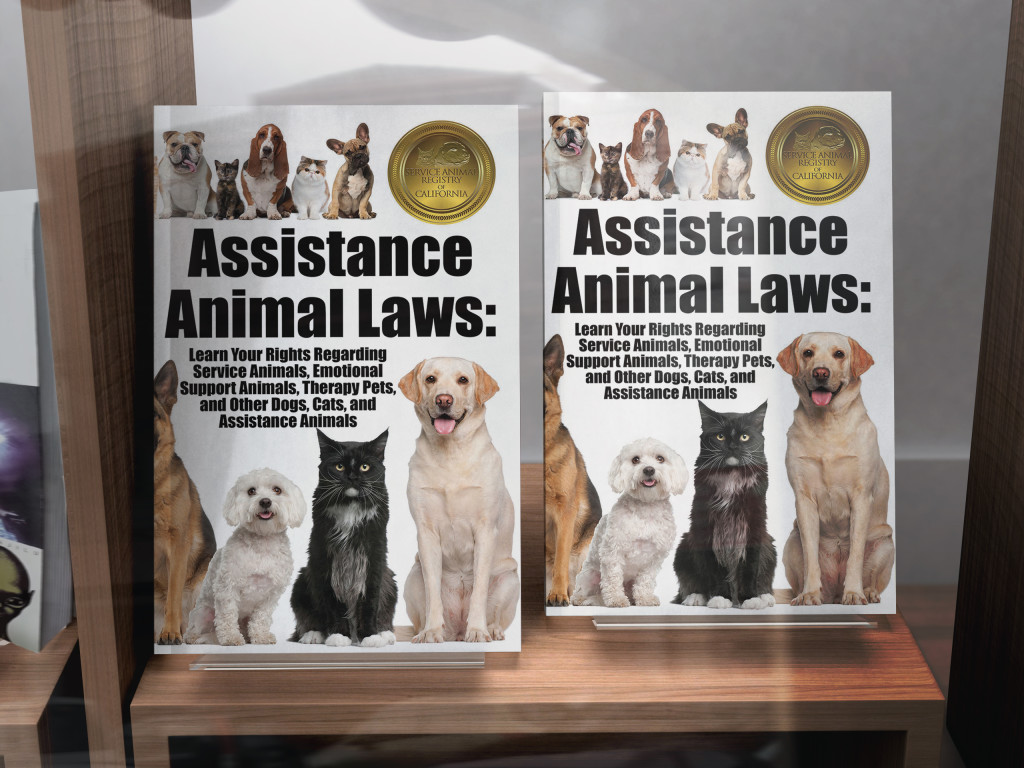
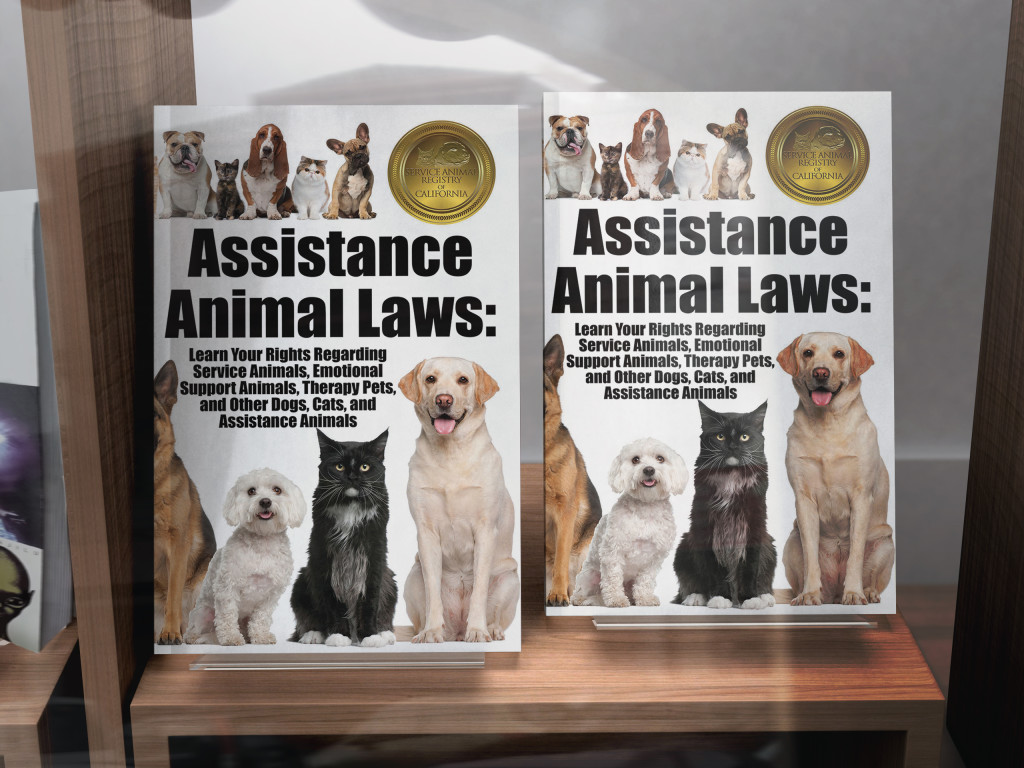
Finally, we present to you our book entitled, “ASSISTANCE ANIMAL LAWS: LEARN YOUR RIGHTS REGARDING SERVICE ANIMALS, EMOTIONAL SUPPORT ANIMALS, THERAPY PETS, AND OTHER DOGS, CATS, AND ASSISTANCE ANIMALS” to provide you with a complete education on assistance animals. Purchase your copy of the book by clicking the image below. 
Emotional Support Animals for Specific Phobias

Specific phobias are intense and irrational fears of particular objects, activities, or situations. These can range from fear of flying (aviophobia) to fear of heights (acrophobia), needles (trypanophobia), or animals like dogs (cynophobia). People with specific phobias often go to great lengths to avoid their triggers, which can significantly impact daily functioning and quality of life.

While traditional treatments like cognitive-behavioral therapy (CBT) and exposure therapy are effective, emotional support animals (ESAs) have emerged as a supportive tool that offers comfort, stability, and emotional grounding in high-anxiety situations.

What Are Emotional Support Animals (ESAs)?

Unlike service animals trained to perform specific tasks, ESAs provide therapeutic benefits through companionship. They do not need specialized training but must be prescribed by a licensed mental health professional. Their primary role is to offer emotional stability, reduce stress, and provide a calming presence in situations that may otherwise provoke anxiety or panic.

How ESAs Help With Specific Phobias

For individuals with specific phobias, ESAs can serve as a buffer during exposure to feared stimuli. For instance:

  • Fear of Flying: A person may feel more secure and grounded when flying with their ESA beside them, helping to manage in-flight anxiety.
  • Fear of Crowds or Open Spaces: Someone with agoraphobia might feel more confident leaving the house when accompanied by their ESA.
  • Fear of Medical Procedures: For those with needle phobias, having a calm, loving animal nearby during appointments can provide comfort and distraction.

The emotional bond with an ESA can help reduce physical symptoms of anxiety, such as increased heart rate, sweating, or dizziness, by lowering cortisol (stress hormone) levels and increasing oxytocin, the hormone linked to calm and bonding.

Building Routine and Resilience

Living with an ESA also provides routine and purpose. The daily responsibilities of feeding, walking, and caring for an animal offer structure and motivation. This sense of responsibility can be empowering for individuals who often feel paralyzed by fear. The consistent companionship of an ESA may also reduce feelings of isolation, which often accompany anxiety disorders.

Read more: How Therapy Animals Can Help Individuals Build Resilience

Getting an ESA: What You Need to Know

To legally designate an animal as an ESA, an individual must obtain a letter from a licensed therapist or psychologist stating that the animal is part of the person’s treatment plan. While ESAs do not have public access rights like service animals, they are protected under the Fair Housing Act, allowing them to live with their owners even in no-pet housing.

Read more: How to Talk to Your Therapist About Getting an ESA Letter

Conclusion

Emotional support animals are not a cure for specific phobias, but they can be a valuable part of a holistic treatment approach. When used in combination with therapy and behavioral strategies, an ESA can offer a comforting presence that makes facing one’s fears feel a little less daunting. For many, they are more than just pets—they are a source of courage, calm, and hope.


Do you own an assistance animal? Register your pet today.

The Service Animal Registry of California invites you to have your assistance animal registered in order to designate its status. We also encourage you to take our online classes so you can be fully aware of your rights and gain more knowledge about your support animal.

Finally, we present to you our book entitled, “ASSISTANCE ANIMAL LAWS: LEARN YOUR RIGHTS REGARDING SERVICE ANIMALS, EMOTIONAL SUPPORT ANIMALS, THERAPY PETS, AND OTHER DOGS, CATS, AND ASSISTANCE ANIMALS” to provide you with a complete education on assistance animals.

Purchase your copy of the book by clicking the image below.

How Emotional Support Animals Help Us Through Burnout

In today’s fast-paced, always-on world, burnout has become a common—and often quiet—epidemic. Whether you’re juggling a demanding career, academic pressures, caregiving responsibilities, or simply the mental load of everyday life, emotional exhaustion can creep in, leaving you depleted and disconnected. But amid the overwhelm, many are finding comfort, grounding, and healing in an unexpected source: emotional support animals (ESAs).

The Science of Support

Emotional support animals are more than just pets; they are companions prescribed by mental health professionals to help individuals cope with anxiety, depression, PTSD, and, increasingly, burnout. Unlike service animals, ESAs don’t require specialized training to perform specific tasks. Their role is simple yet powerful: to provide comfort through their presence and companionship.

Numerous studies show that interacting with animals can reduce cortisol levels (the stress hormone), increase oxytocin (the “love” hormone), and even lower blood pressure. These physiological shifts have a direct impact on the symptoms of burnout, such as chronic fatigue, insomnia, irritability, and feelings of isolation.

Emotional Anchors in a Storm

Burnout often leaves people feeling emotionally unmoored—disconnected from their sense of purpose, their relationships, and even their own identity. Emotional support animals offer a nonjudgmental presence that grounds their humans during periods of emotional turmoil. Whether it’s a dog curling up beside you after a long day or a cat gently purring in your lap while you work, these small moments of connection have restorative power.

ESAs also help individuals re-establish routines, which are often disrupted by burnout. Feeding, walking, or grooming a pet introduces structure and responsibility—without the pressure of performance. These daily rituals can slowly reintroduce a sense of normalcy and achievement.

Encouraging Mindful Living

One of the most profound ways emotional support animals help with burnout is by promoting mindfulness. Animals live in the present moment—they don’t worry about deadlines or dwell on yesterday’s failures. Their simple presence encourages their human companions to slow down, breathe, and refocus on what truly matters. Taking a break to walk a dog or sit quietly with a rabbit becomes a form of self-care and a gentle reminder that healing doesn’t require productivity—it just requires presence.

Read more: Can Therapy Animals Help Us to Be More Mindful?

Combatting Isolation

Burnout is often accompanied by withdrawal from social circles and support systems. Emotional support animals offer unconditional companionship during these lonely periods. For many, their ESA becomes their closest confidant—a silent listener who’s always there, without expectation or judgment. This steady companionship can be life-changing, especially for those who feel isolated or misunderstood in their burnout journey.

Read more: Bonding Activities to Strengthen the Emotional Support Dog-Human Connection

Conclusion

While emotional support animals aren’t a cure-all, they offer something that modern life often lacks: consistent, compassionate presence. In the face of burnout’s relentless drain, an ESA can serve as a source of stability, comfort, and gentle encouragement. They remind us to pause, to feel, and most importantly, to care—for them and, in turn, for ourselves.


Do you own an assistance animal? Register your pet today.

The Service Animal Registry of California invites you to have your assistance animal registered in order to designate its status. We also encourage you to take our online classes so you can be fully aware of your rights and gain more knowledge about your support animal.

Finally, we present to you our book entitled, “ASSISTANCE ANIMAL LAWS: LEARN YOUR RIGHTS REGARDING SERVICE ANIMALS, EMOTIONAL SUPPORT ANIMALS, THERAPY PETS, AND OTHER DOGS, CATS, AND ASSISTANCE ANIMALS” to provide you with a complete education on assistance animals.

Purchase your copy of the book by clicking the image below.

AI vs. Animals: Can Technology Replace Service Animals?

In an age of rapid technological advancement, artificial intelligence (AI) is revolutionizing industries—from healthcare to transportation. One question gaining traction is whether AI can replace service animals. With the development of robotic assistants and wearable tech, the possibility of machines mimicking the roles of guide dogs, emotional support animals, and mobility aids seems within reach. But can technology truly replicate the unique capabilities and emotional intelligence of service animals?

Understanding the Role of Service Animals

Service animals—most commonly dogs—are specially trained to assist individuals with disabilities. They perform tasks ranging from guiding the visually impaired and detecting seizures, to retrieving items and providing pressure therapy for individuals with PTSD or anxiety disorders. Their training is rigorous and customized to their handler’s specific needs, but their power goes beyond physical assistance. Service animals offer comfort, reduce isolation, and foster a sense of independence and dignity in those they help.

Discover: 6 Effective Ways to Raise Awareness About Service Animals

The Rise of AI in Assistive Technology

AI-powered devices such as smart canes, wearable navigation aids, and even robotic dogs like Boston Dynamics’ Spot have emerged as potential alternatives to service animals. These tools can analyze surroundings, provide real-time alerts, and assist with navigation. Some devices even integrate voice interaction and facial recognition to simulate companionship and responsiveness.

For example, AI-based mobility tools for the visually impaired now use machine learning and spatial awareness to detect obstacles, identify landmarks, and provide auditory instructions. In mental health support, AI chatbots are being used to assist people with anxiety or depression, offering instant responses and tracking emotional states through tone recognition.

The Human-Animal Bond: Can AI Compete?

Despite technological innovation, what AI lacks is emotional intelligence. Service animals offer a bond that cannot be replicated by machines—one rooted in trust, empathy, and an intuitive understanding of human emotion. Dogs, for instance, can detect subtle changes in a handler’s scent or behavior, signaling emotional distress or impending medical episodes long before a machine would.

Studies have shown that human-animal interaction can lower cortisol levels, reduce blood pressure, and improve mood. The tactile connection and companionship a service animal provides remain unmatched. AI, while impressive, lacks the warmth, unpredictability, and nuanced responsiveness of a living creature.

Complementary, Not Replacement

Rather than viewing AI as a direct replacement, many experts advocate for a complementary approach. AI and service animals can work in tandem to enhance the quality of life for individuals with disabilities. For instance, smart collars can track a service animal’s health, while AI-powered home automation systems can respond to cues from the animal or the user for greater safety and convenience.

Final Thoughts

While AI has made great strides in assistive technology, it is not yet capable of fully replacing service animals. The emotional support, intuition, and deep bond between humans and their service animals remain irreplaceable. Technology may mimic some functions, but it lacks the heart of a living, breathing companion. The future lies not in choosing between AI or animals, but in blending both to create a more inclusive, responsive support system for those who need it most.


Do you own an assistance animal? Register your pet today.  The Service Animal Registry of California invites you to have your assistance animal registered in order to designate its status. We also encourage you to take our online classes so you can be fully aware of your rights and gain more knowledge about your support animal.

Finally, we present to you our book entitled, “ASSISTANCE ANIMAL LAWS: LEARN YOUR RIGHTS REGARDING SERVICE ANIMALS, EMOTIONAL SUPPORT ANIMALS, THERAPY PETS, AND OTHER DOGS, CATS, AND ASSISTANCE ANIMALS” to provide you with a complete education on assistance animals. Purchase your copy of the book by clicking the image below. 

Emotional Support Bird vs. Pet Bird: What’s the Difference?

Birds are intelligent, social, and often affectionate companions, making them a popular choice for both pets and emotional support animals. However, not all birds are the same when it comes to their role in a person’s life. While pet birds provide companionship and joy, emotional support birds (ESBs) play a therapeutic role. Understanding the key differences between the two is crucial—especially for individuals seeking support for mental health concerns.

What Is an Emotional Support Bird?

An emotional support bird is more than a pet; it’s a designated companion that helps its owner manage emotional or psychological conditions such as anxiety, depression, or PTSD. To qualify as an emotional support animal (ESA), a bird must be prescribed by a licensed mental health professional. The bird’s presence is intended to provide emotional comfort and alleviate symptoms of a mental health disorder.

Although they don’t have the same legal status as service animals, ESBs are protected under certain laws. For example, the Fair Housing Act (FHA) allows individuals with ESAs to live with their animals in housing units that typically don’t allow pets, as long as proper documentation is provided.

What Is a Pet Bird?

A pet bird is kept primarily for companionship, enjoyment, and the joy of having an animal friend in the home. Pet birds can be taught tricks, may talk or sing, and often form strong bonds with their owners. However, they are not recognized as providing therapeutic or psychological assistance in a medical sense. Owners of pet birds do not require documentation from a therapist, nor do pet birds have legal rights to special housing or travel accommodations.

Popular pet birds include parakeets (budgies), cockatiels, parrots, lovebirds, and finches. These birds bring color, sound, and life into a home and can live for many years with proper care and social interaction.

Key Differences

1. Purpose:

The main difference lies in the purpose. A pet bird is a personal choice for companionship. An emotional support bird serves a therapeutic function to support mental well-being.

2. Legal Protections:

Emotional support birds may have legal accommodations in housing and air travel (though airlines have become stricter). Pet birds do not have these legal protections.

3. Documentation:

To qualify as an ESB, the bird’s owner must have an ESA letter from a licensed therapist. Pet bird owners are not required to obtain any documentation.

4. Training:

ESBs do not need special training, unlike service animals. However, they should be well-behaved and not pose a threat or nuisance. Pet birds are also untrained in medical tasks, though many are trained for entertainment and interaction.

Final Thoughts

Whether you have a bird for emotional support or simply as a beloved pet, both can bring immense joy and connection. The distinction between a pet bird and an emotional support bird lies in their intended role and the legal recognition of their importance to a person’s mental health. If you think a bird could help you emotionally, consider speaking with a mental health professional about whether an emotional support bird is right for you.


Do you own an assistance animal? Register your pet today.

The Service Animal Registry of California invites you to have your assistance animal registered in order to designate its status. We also encourage you to take our online classes so you can be fully aware of your rights and gain more knowledge about your support animal.

Finally, we present to you our book entitled, “ASSISTANCE ANIMAL LAWS: LEARN YOUR RIGHTS REGARDING SERVICE ANIMALS, EMOTIONAL SUPPORT ANIMALS, THERAPY PETS, AND OTHER DOGS, CATS, AND ASSISTANCE ANIMALS” to provide you with a complete education on assistance animals.

Purchase your copy of the book by clicking the image below.

Less Common Therapy Animals and Their Impact on Individuals With Disabilities

When most people think of therapy animals, dogs are usually the first to come to mind—and for good reason. Their loyalty, trainability, and affection make them ideal companions in therapeutic settings. However, a growing number of individuals with disabilities are finding comfort, emotional support, and functional aid from less common therapy animals. From miniature horses to rabbits and even parrots, these animals are making a profound impact in unique and meaningful ways.

Miniature Horses: Gentle and Grounded Companions

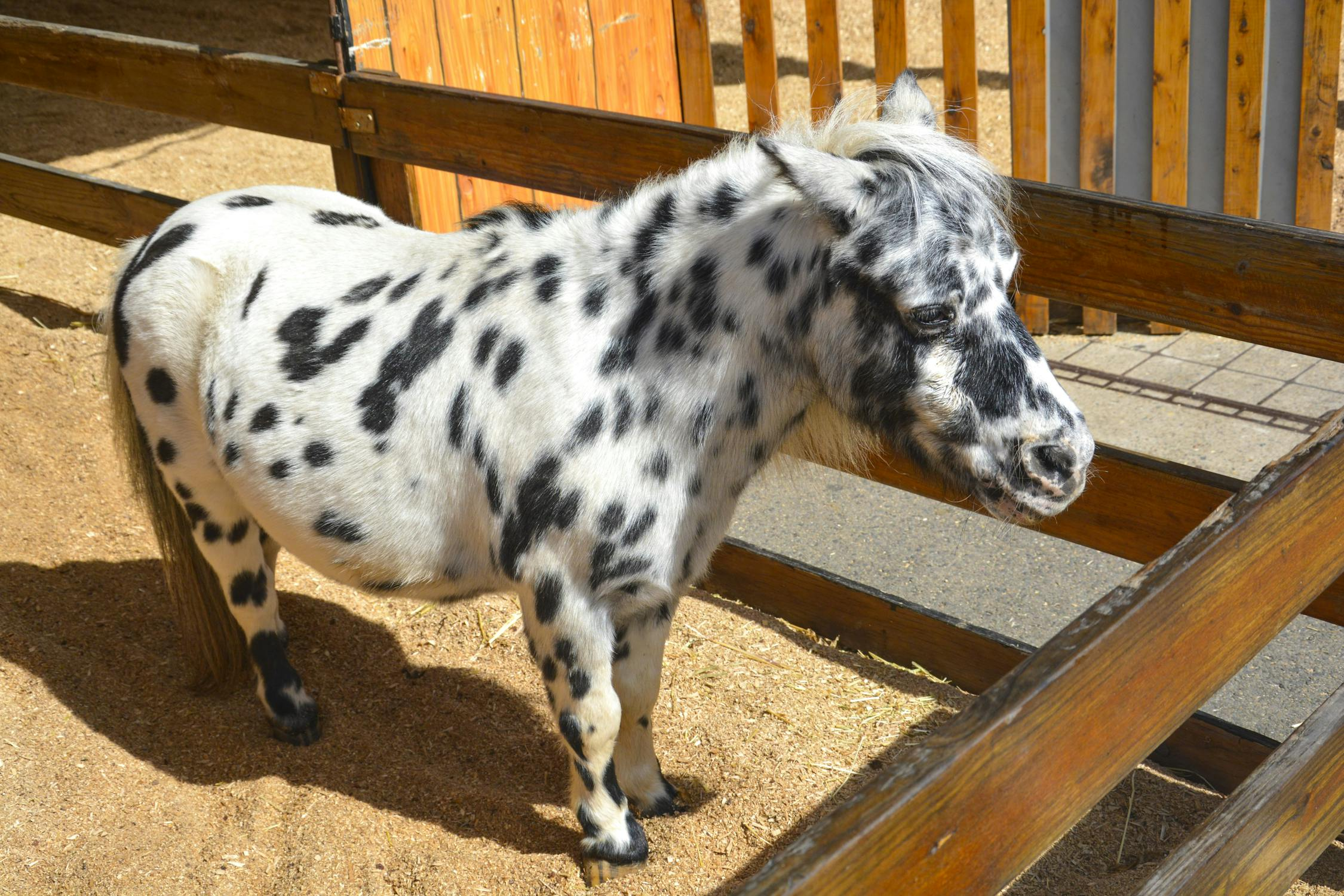
Miniature horses are among the most recognized alternatives to dogs in the therapy animal world. Standing around 2.5 to 3 feet tall, they are especially suited to individuals with mobility impairments. Because of their size, strength, and calm demeanor, miniature horses can assist with balance and walking for people with physical disabilities. Their long lifespan—often up to 30 years—also offers long-term continuity for clients who may not want to face frequent losses that can come with shorter-lived animals.

Miniature horses are also used in equine-assisted therapy programs to help individuals with autism, PTSD, and developmental disorders. Their steady, intuitive presence helps clients build trust, confidence, and emotional regulation.

Read more: Miniature Horses as Service Animals: What You Need to Know

Rabbits: Quiet Comfort in Small Packages

Rabbits are gentle, soft, and naturally quiet—qualities that make them ideal for therapeutic work with children and adults who have sensory sensitivities or anxiety disorders. In classrooms or care centers, rabbits can soothe individuals on the autism spectrum or those living with trauma. Stroking a rabbit’s fur or simply observing its calm behavior has been shown to lower blood pressure and reduce stress.

Because they’re small and relatively low-maintenance, rabbits can be a practical option for individuals with limited space or physical stamina. They’re often used in animal-assisted therapy sessions where noise or larger animals might be overwhelming.

Birds: Emotional Bonds with Feathers

Parrots and other birds, while less conventional, are capable of forming strong emotional bonds with their handlers. Some individuals with disabilities—especially those with depression or social anxiety—find the birds’ ability to mimic speech both amusing and encouraging. The need to communicate with and care for a bird can also provide valuable structure and purpose.

Therapists have noted that birds can encourage vocalization and verbal engagement, particularly in individuals recovering from stroke or dealing with speech disorders. The social interaction birds invite can enhance emotional well-being and cognitive engagement.

Guinea Pigs and Other Small Pets: Big Hearts in Tiny Bodies

Guinea pigs and other rodents like hamsters or gerbils can also serve as therapy animals. Their small size and easy handling make them ideal for visits to nursing homes or hospitals, where large animals may not be allowed. For children with developmental disabilities, these pets offer opportunities to learn responsibility, gentleness, and empathy.

Conclusion

Less common therapy animals provide a wider range of therapeutic benefits than many realize. Whether it’s a miniature horse helping someone walk again, or a parrot encouraging speech, these animals bring unique strengths to the healing process. By embracing diversity in therapy animals, we expand the possibilities for care—offering more personalized, accessible, and effective support for individuals with disabilities.


Do you own an assistance animal? Register your pet today.

The Service Animal Registry of California invites you to have your assistance animal registered in order to designate its status. We also encourage you to take our online classes so you can be fully aware of your rights and gain more knowledge about your support animal.

Finally, we present to you our book entitled, “ASSISTANCE ANIMAL LAWS: LEARN YOUR RIGHTS REGARDING SERVICE ANIMALS, EMOTIONAL SUPPORT ANIMALS, THERAPY PETS, AND OTHER DOGS, CATS, AND ASSISTANCE ANIMALS” to provide you with a complete education on assistance animals.

Purchase your copy of the book by clicking the image below.

How to Talk to Your Therapist About Getting an ESA Letter

If you’re struggling with anxiety, depression, or another mental health condition, an emotional support animal (ESA) might help you cope. ESAs provide comfort and emotional support, which can ease symptoms and improve overall well-being. But before your pet can officially become an ESA, you’ll need a legitimate ESA letter from a licensed mental health professional. Talking to your therapist about this can feel intimidating, but with the right approach, the conversation can be productive and supportive.

Understand What an ESA Letter Is

An emotional support animal letter is a document written by a licensed therapist, psychologist, or psychiatrist stating that you have a mental or emotional disability and that your animal helps alleviate some of the symptoms. This letter gives you certain legal protections, especially in housing under the Fair Housing Act, where landlords must make reasonable accommodations for your ESA.

Prepare Before the Conversation

Before bringing it up with your therapist, reflect on why you believe an ESA would benefit you. Think about specific ways your pet supports your mental health—do they help calm your anxiety attacks, encourage you to get out of bed, or make you feel less lonely? Be ready to share personal experiences that highlight the emotional support your pet provides.

Also, familiarize yourself with ESA laws and qualifications. ESA letters are not given out casually; your therapist must determine that you meet the criteria for needing one. Being informed shows that you’re taking this seriously and respect their professional judgment.

How to Start the Conversation

It’s best to bring up the topic during a regular session when there’s enough time for discussion. You might say something like:

“I’ve been reading about emotional support animals and how they can help people with anxiety. I think my dog really helps me stay grounded during tough moments. I’d like to talk to you about whether getting an ESA letter would be appropriate for me.”

This kind of honest and non-demanding approach helps create an open dialogue. Avoid making the conversation transactional (e.g., “Can you write me a letter?”) and instead focus on your mental health needs.

Be Open to Feedback

Register Enquiry Online Web Page Concept

Your therapist may have questions, or they may want to evaluate your situation further before making a decision. That’s a normal part of the process. Remember, they are ethically and legally required to assess your need for an ESA based on your mental health history and current condition.

If they believe an ESA could benefit your treatment plan, they may agree to write the letter or refer you to someone who can. However, if they feel it’s not appropriate, be open to discussing other therapeutic options that might work better for you.

Read more: Signs That You Need an Emotional Support Animal

What to Do If Your Therapist Can’t Provide a Letter

Some therapists, especially those affiliated with larger clinics or institutions, may have policies against writing ESA letters. If that’s the case, ask if they can refer you to a licensed professional who can assess your needs independently.

Final Thoughts

Talking to your therapist about getting an ESA letter can feel vulnerable, but it’s an important step toward advocating for your mental health. Approach the conversation with honesty, preparation, and respect. If your therapist agrees that an ESA could benefit you, the resulting support can be a meaningful addition to your healing journey.


Do you own an assistance animal? Register your pet today.

The Service Animal Registry of California invites you to have your assistance animal registered in order to designate its status. We also encourage you to take our online classes so you can be fully aware of your rights and gain more knowledge about your support animal.

Finally, we present to you our book entitled, “ASSISTANCE ANIMAL LAWS: LEARN YOUR RIGHTS REGARDING SERVICE ANIMALS, EMOTIONAL SUPPORT ANIMALS, THERAPY PETS, AND OTHER DOGS, CATS, AND ASSISTANCE ANIMALS” to provide you with a complete education on assistance animals.

Purchase your copy of the book by clicking the image below.
How Do Class Pets Help Students?

Classroom pets have long been a delightful and educational addition to schools. From hamsters to turtles to fish, these small companions offer much more than novelty. Research and experience suggest that class pets provide emotional, social, and academic benefits to students, enriching the learning environment in meaningful ways.

Emotional Support and Stress Reduction

One of the most significant benefits of having a class pet is the emotional support it can provide. School can be a stressful environment for some students, especially when faced with academic pressure, social dynamics, or personal challenges. A classroom pet serves as a calming presence, offering comfort without judgment. Stroking a rabbit or watching fish swim can lower anxiety and provide a mental break. These brief moments of relaxation can significantly enhance students’ ability to manage their emotions and focus on learning.

Read more: 5 Ways Pets Can Reduce Stress 

Promoting Responsibility and Empathy

Ginger woman in blue shirt and eyeglasses playing with corgi and holding notebooks. Smiling girl with wavy hair posing with fanny dog..

Caring for a living creature instills a sense of responsibility. When students are tasked with feeding, cleaning, or observing a class pet, they learn what it means to be dependable and accountable. These responsibilities promote time management and organizational skills. Moreover, taking care of a pet nurtures empathy. Students begin to understand and respect the needs and feelings of another being, a lesson that naturally extends to their interactions with peers and teachers.

Read more: Does Having a Dog Help Children Develop Empathy?

Boosting Social Interaction and Teamwork

Class pets often serve as social catalysts, encouraging students to communicate and collaborate. Discussions about the pet’s care, behavior, or even naming it can spark conversations and build connections among classmates. Students who may be shy or socially reserved often find it easier to engage when there’s a shared interest like a class pet. Group care activities foster teamwork and cooperation, creating a stronger sense of community in the classroom.

Enhancing Learning Opportunities

Class pets can be seamlessly integrated into the curriculum. For younger students, they can be used to teach basic science concepts like animal biology, habitats, or life cycles. For older students, class pets can be part of more complex topics like ecosystems, responsibility ethics, or even creative writing prompts. Observing and documenting pet behavior can also improve observational skills, writing, and critical thinking. Teachers can use the pet as a living teaching tool, making lessons more engaging and hands-on.

Encouraging Consistent Attendance and Positive Behavior

Students often look forward to seeing and caring for the class pet, which can motivate them to attend school more consistently. In some cases, teachers use pet-related activities as part of a reward system for good behavior, reinforcing positive conduct in the classroom. The presence of a pet creates a more enjoyable and inviting classroom atmosphere, which can lead to better student attitudes toward learning.

Conclusion

Class pets offer far more than a fun diversion—they play a vital role in supporting students’ emotional well-being, fostering essential life skills, and enriching academic instruction. With proper planning and care, incorporating a pet into the classroom can create a nurturing, interactive, and vibrant educational environment where students thrive.


Do you own an assistance animal? Register your pet today.  The Service Animal Registry of California invites you to have your assistance animal registered in order to designate its status. We also encourage you to take our online classes so you can be fully aware of your rights and gain more knowledge about your support animal.

Finally, we present to you our book entitled, “ASSISTANCE ANIMAL LAWS: LEARN YOUR RIGHTS REGARDING SERVICE ANIMALS, EMOTIONAL SUPPORT ANIMALS, THERAPY PETS, AND OTHER DOGS, CATS, AND ASSISTANCE ANIMALS” to provide you with a complete education on assistance animals. Purchase your copy of the book by clicking the image below. 

Signs That You Need an Emotional Support Animal

In today’s fast-paced and often stressful world, many people find comfort and stability in the companionship of animals. Emotional Support Animals (ESAs) are not just pets—they provide vital emotional support to individuals struggling with mental health issues. While not everyone may need an ESA, there are certain signs that indicate you might benefit significantly from one.

1. Persistent Feelings of Anxiety or Depression

One of the most common reasons people seek out ESAs is to help manage anxiety and depression. If you frequently feel overwhelmed, hopeless, or emotionally drained, and traditional methods like therapy or medication don’t seem to help entirely, an ESA might provide the emotional grounding you need. Animals, particularly dogs and cats, have a calming presence that can reduce stress and promote a sense of routine and responsibility.

Read more: Do Emotional Support Animals Lower the Risk of Depression? What the Science Says

2. Difficulty Coping with Daily Life

Struggling to complete basic tasks like going to work, attending school, or maintaining your home could indicate a deeper emotional struggle. Emotional Support Animals can offer the comfort and motivation needed to get through the day. Their companionship provides a sense of purpose, helping you stay engaged with your surroundings and responsibilities.

3. Social Isolation

Feeling disconnected from others or avoiding social interactions is another sign that you may benefit from an ESA. Pets offer unconditional love and companionship, making it easier for people to feel connected. Additionally, taking care of an animal can lead to new social interactions, such as walking a dog in the park or chatting with fellow pet owners.

4. Trouble Sleeping

If you suffer from insomnia or restless sleep due to stress, trauma, or anxiety, an ESA can help create a soothing bedtime routine. The presence of a comforting animal can reduce night-time anxiety and promote feelings of safety, leading to more restful and consistent sleep patterns.

Read more: The Scientific Benefits of Sleeping With Your Pet

5. You Have Been Diagnosed with a Mental Health Condition

If a licensed mental health professional has diagnosed you with a condition like PTSD, panic disorder, depression, or generalized anxiety disorder, you might qualify for an Emotional Support Animal. While an ESA is not a substitute for professional treatment, it can be an effective supplement to your overall mental health care plan.

6. Emotional Numbness or Mood Swings

Some people experience extreme mood fluctuations or feel emotionally numb. The consistent, non-judgmental companionship of an ESA can offer emotional stability. Animals are intuitive—they often respond to their owner’s emotional state, offering affection or playfulness as needed.

Conclusion

Deciding to welcome an Emotional Support Animal into your life is a significant and personal decision. If you recognize any of these signs in yourself, it may be time to consult with a licensed therapist or medical professional about the potential benefits of having an ESA. These animals can offer more than companionship—they can be a vital part of your emotional healing and ongoing mental wellness journey.


Do you own an assistance animal? Register your pet today.

The Service Animal Registry of California invites you to have your assistance animal registered in order to designate its status. We also encourage you to take our online classes so you can be fully aware of your rights and gain more knowledge about your support animal.

Finally, we present to you our book entitled, “ASSISTANCE ANIMAL LAWS: LEARN YOUR RIGHTS REGARDING SERVICE ANIMALS, EMOTIONAL SUPPORT ANIMALS, THERAPY PETS, AND OTHER DOGS, CATS, AND ASSISTANCE ANIMALS” to provide you with a complete education on assistance animals.

Purchase your copy of the book by clicking the image below.
Bonding Activities to Strengthen the Emotional Support Dog-Human Connection

The bond between an emotional support dog (ESD) and their human is unique, rooted in trust, companionship, and emotional healing. Unlike service animals, ESDs aren’t trained to perform specific tasks but instead provide comfort and relief through their presence. Strengthening this bond can enhance the therapeutic benefits and deepen the emotional connection. Here are several activities that can significantly boost the bond between an emotional support dog and their handler.

1. Daily Walks and Outdoor Exploration

Regular walks are not just about exercise—they’re a shared experience. Exploring nature trails, parks, or even new routes around the neighborhood can stimulate both the dog’s and the human’s senses. These experiences build trust and create positive memories. Letting your dog lead occasionally can also reinforce mutual respect and autonomy within the relationship.

Read more: 11 Ways You Can Exercise With Your Pet

2. Training and Mental Stimulation

Even though ESDs don’t require specialized training, engaging in basic obedience training or teaching new tricks can be a great way to build communication and reinforce trust. Training provides mental stimulation for the dog and helps improve focus and responsiveness. Use positive reinforcement, such as treats and praise, to ensure that learning is enjoyable for both of you.

3. Cuddle Time and Physical Affection

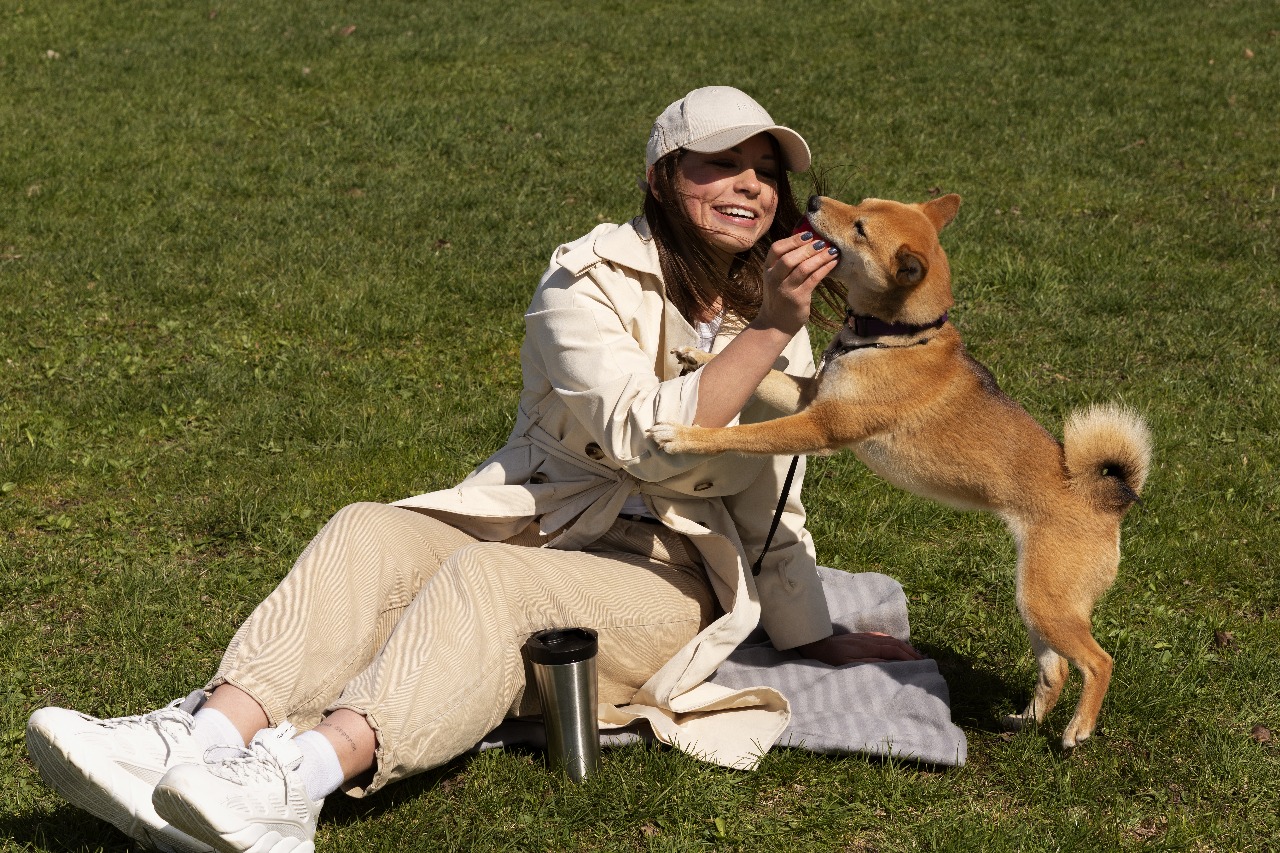
Physical touch is one of the simplest yet most powerful ways to bond. Spending time petting, cuddling, or simply sitting together can help reduce stress levels and increase feelings of connection. Dogs, especially those offering emotional support, are often highly attuned to physical closeness and touch. Make sure your dog is comfortable with the level of affection, and always respect their signals.

4. Play Sessions and Interactive Games

Play is essential for emotional connection. Games like fetch, tug-of-war, or hide and seek engage your dog’s instincts while strengthening your shared enjoyment. Puzzle toys and interactive feeders also provide mental enrichment, and playing with them together adds to the bonding experience.

5. Shared Routines

Dogs thrive on routine, and sharing daily rituals—whether it’s morning coffee on the porch while your dog lounges nearby, or a nightly brushing session—can help create a sense of security and belonging. Consistency builds emotional stability, especially for dogs helping individuals with anxiety, depression, or PTSD.

6. Relaxation and Mindfulness Together

Many ESD handlers find that practicing mindfulness or meditation with their dog nearby enhances the calming effect. Dogs naturally mirror human emotions, so spending quiet time together while focusing on your breath or simply being present can deepen your emotional alignment.

7. Attending Pet-Friendly Events

Participating in dog-friendly community events, pet expos, or therapy dog meetups (if applicable) can expose your dog to social experiences while keeping you both engaged. These outings provide mental stimulation and reinforce your role as a secure base for your dog in unfamiliar settings.

Conclusion

A strong bond with your emotional support dog enhances the healing benefits of the relationship. By engaging in regular, meaningful activities that focus on connection, trust, and mutual enjoyment, both you and your ESD can thrive emotionally. Every shared experience The


Do you own an assistance animal? Register your pet today.

The Service Animal Registry of California invites you to have your assistance animal registered in order to designate its status. We also encourage you to take our online classes so you can be fully aware of your rights and gain more knowledge about your support animal.

Finally, we present to you our book entitled, “ASSISTANCE ANIMAL LAWS: LEARN YOUR RIGHTS REGARDING SERVICE ANIMALS, EMOTIONAL SUPPORT ANIMALS, THERAPY PETS, AND OTHER DOGS, CATS, AND ASSISTANCE ANIMALS” to provide you with a complete education on assistance animals.

Purchase your copy of the book by clicking the image below.