
The Science of Touch: Why Petting an Animal Helps the Brain

From the gentle purr of a cat to the warm nuzzle of a dog, moments of physical connection with animals can be profoundly comforting. But this calming effect isn’t just emotional—it’s rooted in science. Research shows that touch, especially with animals, can spark measurable changes in the brain and body that promote relaxation, happiness, and mental well-being.

1. Touch and the Brain’s Reward System

When you pet an animal, your brain releases a cascade of feel-good chemicals. One of the key players is oxytocin, often called the “love hormone,” which is linked to bonding and trust. This hormone not only makes us feel connected to the animal but also lowers stress levels. At the same time, dopamine and serotonin—neurotransmitters associated with pleasure and mood regulation—are released, creating a sense of contentment.

Discover: Do Pets Really Unconditionally Love Us?

2. Stress Reduction Through the Parasympathetic Nervous System

Petting an animal can also activate the parasympathetic nervous system—the “rest and digest” mode of the body. This is the opposite of the fight-or-flight response triggered by stress. As you stroke an animal’s fur in rhythmic, gentle motions, your heart rate slows, blood pressure drops, and muscles relax. This explains why spending even a few minutes with a calm animal can feel like a deep breath for your nervous system.

Read more: 5 Ways Pets Can Reduce Stress

3. The Role of Tactile Stimulation

Our skin is filled with sensory receptors that respond to touch, sending signals to the brain that can alter our mental state. A specific type of nerve fiber, called C-tactile afferents, is especially responsive to slow, gentle strokes—exactly the kind of touch used when petting a dog, cat, or other animal. These nerve fibers send positive, soothing signals to brain regions involved in emotional processing, such as the insular cortex.

4. Emotional Regulation and Mindfulness

Petting an animal often requires you to be present in the moment. The sensation of fur beneath your fingertips, the warmth of the animal’s body, and their subtle movements all draw your attention away from anxious thoughts and into the here and now. This mindful focus can help reduce rumination—the mental loop of replaying worries—and instead anchor you in a calming, sensory experience.

5. Benefits for Long-Term Mental Health

Repeated interactions with animals can have cumulative effects. Regular tactile contact may lower baseline levels of cortisol (the stress hormone), improve emotional resilience, and even enhance social connection. For individuals with anxiety, depression, or PTSD, petting an animal can become a reliable coping tool, offering both immediate comfort and long-term stability.

Read more: Why Do Our Pets Make Us Feel Good?

Conclusion

The bond we feel when petting an animal isn’t just sentimental—it’s deeply biological. Through a combination of hormonal release, nervous system regulation, and sensory stimulation, simple moments of touch can transform our mood and mental state. Whether it’s a few minutes with your dog after work or stroking a cat curled in your lap, these small acts of connection are powerful reminders of the healing potential of touch.


Do you own an assistance animal? Register your pet today.

The Service Animal Registry of California invites you to have your assistance animal registered in order to designate its status. We also encourage you to take our online classes so you can be fully aware of your rights and gain more knowledge about your support animal.

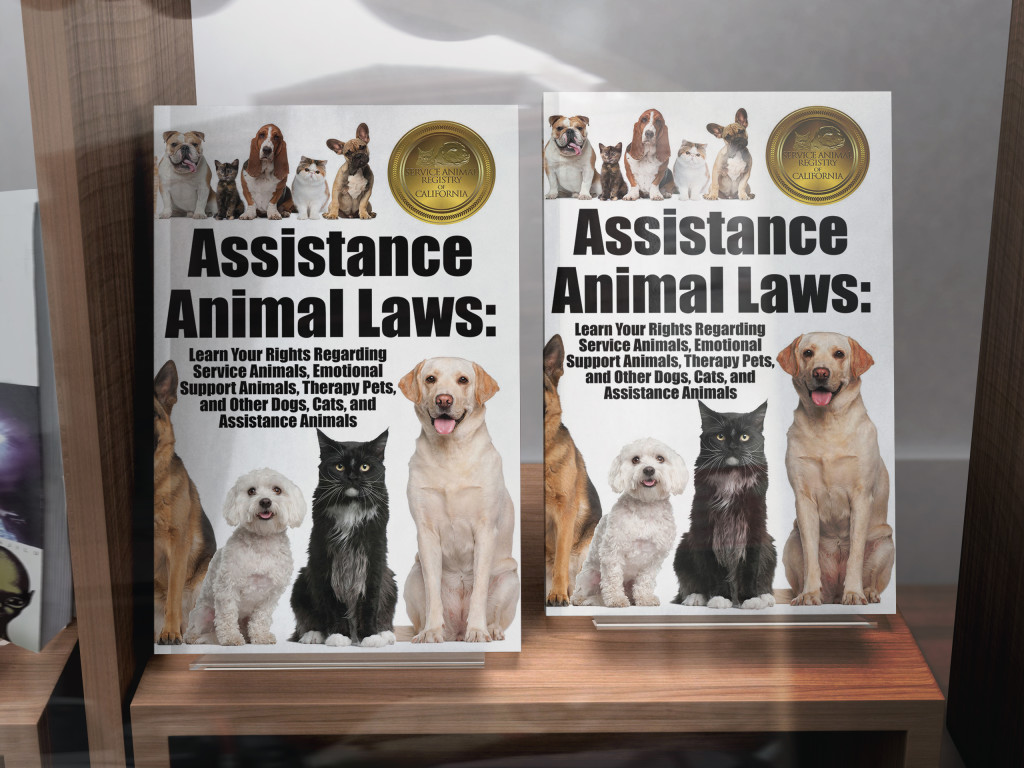
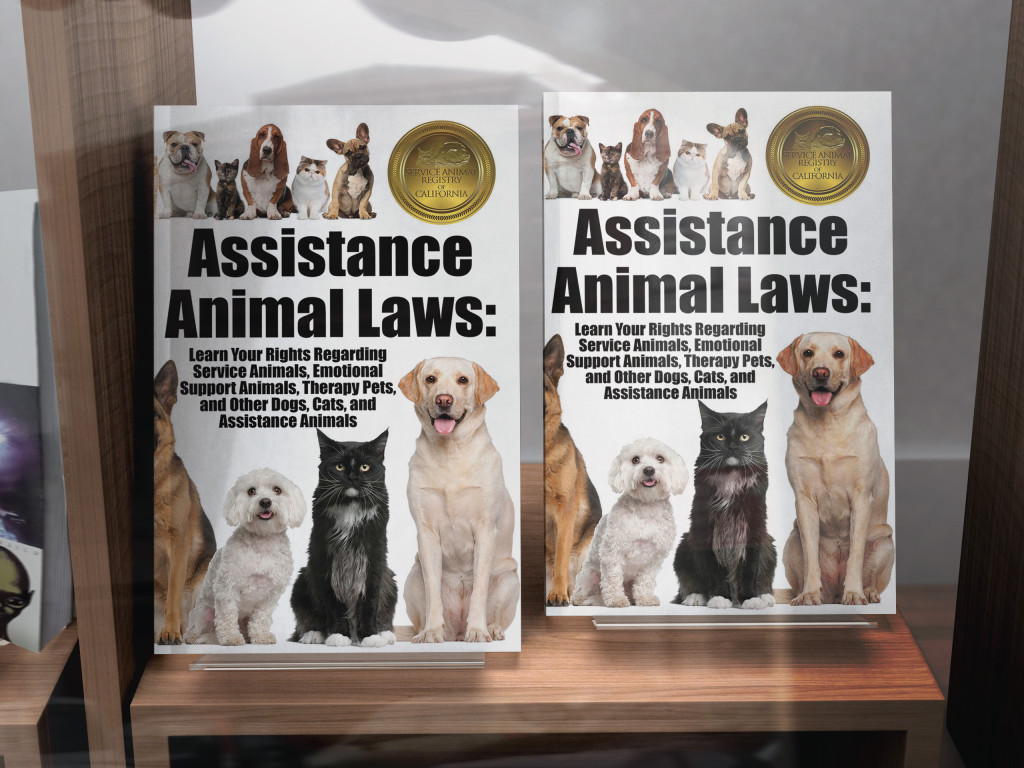
Finally, we present to you our book entitled, “ASSISTANCE ANIMAL LAWS: LEARN YOUR RIGHTS REGARDING SERVICE ANIMALS, EMOTIONAL SUPPORT ANIMALS, THERAPY PETS, AND OTHER DOGS, CATS, AND ASSISTANCE ANIMALS” to provide you with a complete education on assistance animals.

Purchase your copy of the book by clicking the image below.

Why Basic Training Still Helps Your Emotional Support Animal

Emotional support animals (ESAs) play a vital role in improving mental health and emotional well-being for individuals facing anxiety, depression, PTSD, or other psychological conditions. Unlike service animals, ESAs are not required by law to perform specific tasks. However, that doesn’t mean they shouldn’t be trained. In fact, basic training remains one of the most important steps in ensuring that an emotional support animal is not only a source of comfort but also a well-behaved and welcome companion in a variety of settings.

Enhancing Bond and Communication

Training helps build a stronger bond between the owner and the animal. When an ESA understands basic commands like “sit,” “stay,” or “leave it,” communication becomes clearer. This understanding fosters trust, reduces confusion, and enhances the overall relationship. For individuals dealing with mental health challenges, having an animal that responds calmly and consistently can be deeply grounding and reassuring.

Discover: 7 Commands to Teach a Service Dog

Supporting Public Behavior

While ESAs don’t have the same public access rights as service animals under the Americans with Disabilities Act (ADA), they may still be present in pet-friendly public spaces, airports, or housing where pets are usually restricted under the Fair Housing Act. In these environments, a poorly behaved animal can cause stress, embarrassment, or even be denied entry. Basic obedience ensures that your ESA remains calm in new or crowded places and does not act aggressively or disruptively.

Reducing Owner Stress

One of the main reasons people seek ESAs is to reduce anxiety or emotional distress. Ironically, an untrained animal can increase stress levels. Whether it’s barking excessively, jumping on guests, or showing fear-based aggression, these behaviors can trigger anxiety in their owner instead of providing comfort. Training gives both the animal and the owner confidence. Knowing your ESA will behave appropriately can make outings or hosting visitors more manageable.

Ensuring Safety for Everyone

Basic training also promotes safety—for your ESA, for you, and for others. Commands like “come,” “stay,” and “leave it” can prevent your animal from running into traffic, eating something harmful, or approaching someone who is fearful or allergic. These safety-focused behaviors help make sure your ESA remains a positive presence in your life and community.

Discover: Training Your Dog to Behave at Pet-Friendly Restaurants: 6 Tips That Work

Promoting Longevity in the ESA Role

Animals, like humans, need mental stimulation and structure. Training provides enrichment that can reduce boredom and unwanted behaviors. It can also strengthen your ESA’s ability to remain calm during emotional flare-ups, which is often when you need their support most. A well-trained ESA is more likely to thrive in its role for years to come.

Conclusion

While emotional support animals aren’t legally required to undergo training, doing so brings clear advantages. From improving your relationship with your pet to ensuring safe, calm behavior in public, basic obedience training enhances your ESA’s ability to fulfill its supportive role. Ultimately, it leads to a more stable, peaceful, and enjoyable companionship—something every ESA owner truly deserves.


Do you own an assistance animal? Register your pet today.

The Service Animal Registry of California invites you to have your assistance animal registered in order to designate its status. We also encourage you to take our online classes so you can be fully aware of your rights and gain more knowledge about your support animal.

Finally, we present to you our book entitled, “ASSISTANCE ANIMAL LAWS: LEARN YOUR RIGHTS REGARDING SERVICE ANIMALS, EMOTIONAL SUPPORT ANIMALS, THERAPY PETS, AND OTHER DOGS, CATS, AND ASSISTANCE ANIMALS” to provide you with a complete education on assistance animals.

Purchase your copy of the book by clicking the image below.

Are Vaccinations Required by the ADA for Service Dogs? A Practical Overview

Service dogs play an essential role in the lives of individuals with disabilities, helping them navigate daily challenges and maintain greater independence. While the Americans with Disabilities Act (ADA) sets clear guidelines about the rights of individuals to use service animals, one common question arises: Are vaccinations required for service dogs under the ADA?

What the ADA Says About Service Dogs

The ADA defines a service animal as a dog that is individually trained to do work or perform tasks for a person with a disability. This can include guiding individuals who are blind, alerting those who are deaf, pulling a wheelchair, retrieving items, or even detecting the onset of medical conditions such as seizures or low blood sugar.

However, the ADA itself does not specifically require that service dogs be vaccinated. The act focuses primarily on the rights of individuals with disabilities and the responsibilities of public entities and businesses to accommodate service animals.

Local and State Laws Take the Lead

Even though the ADA doesn’t mandate vaccinations, state and local laws still apply. Nearly every state in the U.S. requires dogs—including service dogs—to be vaccinated against rabies. Many municipalities may also mandate other routine vaccines, such as those for distemper or parvovirus, as part of their public health regulations.

Therefore, service dogs must comply with local animal control and public health laws, just like pet dogs. Businesses and other entities may request proof of compliance with these laws if such documentation is typically required for all dogs in public spaces.

Discover: 8 Things You Should Bring While Traveling with Your Service Animal

Public Safety and Health Considerations

Keeping a service dog vaccinated is not just about compliance—it’s also about safety. Service dogs often enter public areas like restaurants, hospitals, grocery stores, and public transit. Unvaccinated animals pose a potential health risk to other people and animals.

Vaccines protect not only the service dog but also the person they assist, especially if that person is immunocompromised or vulnerable to disease. Responsible service dog ownership includes up-to-date vaccinations and routine veterinary care.

Can Businesses Ask for Vaccination Records?

Under the ADA, staff at a business or facility cannot require documentation to prove a dog is a service animal, such as registration or certification. They are only allowed to ask two questions:

  • Is the dog a service animal required because of a disability?
  • What work or task has the dog been trained to perform?

However, businesses can require that all animals, including service dogs, comply with local health codes, which may include vaccination requirements. If a jurisdiction mandates rabies vaccinations, a business can reasonably ask for proof of that specific vaccination for any dog on the premises.

Read more: What Are the Rights of People Using Service Animals?

Conclusion

While the ADA does not directly mandate vaccinations for service dogs, state and local laws fill that gap by requiring vaccinations for all dogs, including service animals. It’s the responsibility of the handler to ensure their dog meets these health standards. This not only helps maintain legal compliance but also supports the safety and well-being of both the public and the service dog team. Keeping vaccinations up to date is a simple yet crucial part of responsible service dog ownership.


Do you own an assistance animal? Register your pet today.

The Service Animal Registry of California invites you to have your assistance animal registered in order to designate its status. We also encourage you to take our online classes so you can be fully aware of your rights and gain more knowledge about your support animal.

Finally, we present to you our book entitled, “ASSISTANCE ANIMAL LAWS: LEARN YOUR RIGHTS REGARDING SERVICE ANIMALS, EMOTIONAL SUPPORT ANIMALS, THERAPY PETS, AND OTHER DOGS, CATS, AND ASSISTANCE ANIMALS” to provide you with a complete education on assistance animals.

Purchase your copy of the book by clicking the image below.
Guinea Pigs for Social Anxiety & Shyness: Small Companions, Big Emotional Support

For individuals struggling with social anxiety or chronic shyness, finding comfort in social situations can be overwhelming. While therapy and support systems play a crucial role, emotional support animals (ESAs) are gaining recognition for the calm, consistent companionship they offer. Among the lesser-known but highly effective ESAs are guinea pigs—gentle, social creatures whose quiet presence can make a significant difference in a person’s emotional well-being.

Gentle, Non-Threatening Companions

Guinea pigs are naturally gentle and non-aggressive, making them ideal for individuals who feel easily overwhelmed by larger or more energetic animals. Their small size and calm demeanor can be especially soothing for people who are sensitive to sensory input or feel anxious around chaos or unpredictability. Unlike dogs or cats, guinea pigs don’t jump, bark, or pounce. Instead, they offer a peaceful presence, often content to snuggle or sit quietly nearby, which can help ease social discomfort and reduce anxious thoughts.

Encouraging Routine and Responsibility

One of the therapeutic benefits of owning guinea pigs is the structure they bring to a person’s day. Feeding them, cleaning their enclosure, and interacting with them on a schedule can help individuals develop a sense of purpose and predictability—both of which are crucial for managing anxiety. This gentle responsibility also fosters a sense of competence and connection, which can improve self-esteem over time.

Promoting Gentle Social Interaction

Guinea pigs are social animals, thriving in environments where they can interact with humans and other guinea pigs. Their vocalizations—soft squeaks, purrs, and whistles—can encourage shy individuals to respond and communicate, even if just with the pet. These simple, non-verbal exchanges can build emotional confidence and become a stepping stone toward engaging with others.

In group settings, guinea pigs can also help break the ice. Whether it’s in a therapy group, classroom, or family home, these cuddly pets often spark curiosity and conversation, allowing socially anxious individuals to engage with others more comfortably through the shared experience of animal care.

Discover: Can Pets Help Children With Their Emotional and Social Skills?

Sensory Comfort and Emotional Grounding

Petting a guinea pig provides tactile sensory input that can have a calming effect. The rhythmic motion of stroking their soft fur can reduce physiological signs of anxiety, such as rapid heart rate or shallow breathing. Many people with social anxiety find this kind of sensory grounding helps them regulate emotions and stay present in stressful situations.

A Gateway to Emotional Growth

While guinea pigs aren’t a substitute for therapy or professional treatment, they can be a powerful emotional support tool. Their low-maintenance nature makes them accessible for individuals living in small spaces or who may not feel ready for the demands of a larger animal. More importantly, they offer unconditional affection and nonjudgmental companionship—qualities that can be deeply healing for people struggling to connect with others.

Final Thoughts

Guinea pigs may be small, but their impact can be significant. For individuals dealing with social anxiety and shyness, these furry friends can provide a sense of security, connection, and calm that paves the way for emotional resilience and personal growth.


Do you own an assistance animal? Register your pet today.

The Service Animal Registry of California invites you to have your assistance animal registered in order to designate its status. We also encourage you to take our online classes so you can be fully aware of your rights and gain more knowledge about your support animal.

Finally, we present to you our book entitled, “ASSISTANCE ANIMAL LAWS: LEARN YOUR RIGHTS REGARDING SERVICE ANIMALS, EMOTIONAL SUPPORT ANIMALS, THERAPY PETS, AND OTHER DOGS, CATS, AND ASSISTANCE ANIMALS” to provide you with a complete education on assistance animals.

Purchase your copy of the book by clicking the image below.

Golden Retrievers and Emotional Regulation in Kids: A Bond Beyond Words

Golden Retrievers are more than just loyal family pets—they’re gentle emotional anchors for children. Their calm demeanor, affectionate nature, and intuitive sensitivity make them ideal companions for kids learning to navigate and manage their emotions. Especially for children facing anxiety, ADHD, or behavioral challenges, a Golden Retriever can become a steady source of support.

Creating a Safe Emotional Space

Children often feel more comfortable expressing emotions around animals than adults. Golden Retrievers provide a safe, nonjudgmental space where kids can cry, vent, or simply be themselves. This kind of emotional freedom fosters self-awareness and teaches kids how to name, understand, and work through their feelings.

Calming the Body, Calming the Mind

Interacting with a dog has measurable physiological effects. Petting a Golden Retriever can lower cortisol levels and increase oxytocin, which naturally calms the body. For a child who is dysregulated or having a meltdown, the dog’s presence provides sensory input—like the feeling of fur or the pressure of a cuddle—that helps ground and soothe them in the moment.

Read more: Why Do Our Pets Make Us Feel Good?

The Comfort of Routine and Responsibility

Golden Retrievers thrive on structure, and so do kids. Taking care of a pet—feeding, walking, grooming—gives children a sense of responsibility and routine. These daily patterns bring predictability into their lives, which can reduce anxiety and increase a child’s ability to manage change and transitions more smoothly.

Emotional Intuition in Action

What sets Golden Retrievers apart is their ability to sense emotional changes. Many parents describe their dog intuitively climbing into their child’s lap when they sense distress or anxiety. This kind of unspoken support helps children learn emotional regulation techniques by example—like taking a break, seeking comfort, or shifting focus.

Building Social Confidence

Golden Retrievers can also ease social difficulties. Children who struggle with making friends often find a best friend in their dog. This bond boosts confidence and reduces feelings of loneliness. Because dogs are great ice-breakers, they also help children practice social interaction in a low-pressure way, improving communication skills over time.

Read more: Can Pets Help Children With Their Emotional and Social Skills?

A Lasting Emotional Impact

Golden Retrievers are more than playmates—they’re emotional lifelines. They teach empathy, patience, and connection in ways that words can’t. As children grow, the lessons they learn through their relationship with their dog—how to calm down, how to care for someone, how to feel safe—carry over into school, friendships, and life.

Conclusion

A Golden Retriever may just be one member of the family, but their impact can be profound. In helping children regulate emotions, develop empathy, and find comfort during difficult moments, these dogs become quiet heroes in a child’s emotional journey. Their love is constant—and their presence, transformative.


Do you own an assistance animal? Register your pet today.  The Service Animal Registry of California invites you to have your assistance animal registered in order to designate its status. We also encourage you to take our online classes so you can be fully aware of your rights and gain more knowledge about your support animal.

Finally, we present to you our book entitled, “ASSISTANCE ANIMAL LAWS: LEARN YOUR RIGHTS REGARDING SERVICE ANIMALS, EMOTIONAL SUPPORT ANIMALS, THERAPY PETS, AND OTHER DOGS, CATS, AND ASSISTANCE ANIMALS” to provide you with a complete education on assistance animals. Purchase your copy of the book by clicking the image below. 

Emotional Support Animals for Specific Phobias

Specific phobias are intense and irrational fears of particular objects, activities, or situations. These can range from fear of flying (aviophobia) to fear of heights (acrophobia), needles (trypanophobia), or animals like dogs (cynophobia). People with specific phobias often go to great lengths to avoid their triggers, which can significantly impact daily functioning and quality of life.

While traditional treatments like cognitive-behavioral therapy (CBT) and exposure therapy are effective, emotional support animals (ESAs) have emerged as a supportive tool that offers comfort, stability, and emotional grounding in high-anxiety situations.

What Are Emotional Support Animals (ESAs)?

Unlike service animals trained to perform specific tasks, ESAs provide therapeutic benefits through companionship. They do not need specialized training but must be prescribed by a licensed mental health professional. Their primary role is to offer emotional stability, reduce stress, and provide a calming presence in situations that may otherwise provoke anxiety or panic.

How ESAs Help With Specific Phobias

For individuals with specific phobias, ESAs can serve as a buffer during exposure to feared stimuli. For instance:

  • Fear of Flying: A person may feel more secure and grounded when flying with their ESA beside them, helping to manage in-flight anxiety.
  • Fear of Crowds or Open Spaces: Someone with agoraphobia might feel more confident leaving the house when accompanied by their ESA.
  • Fear of Medical Procedures: For those with needle phobias, having a calm, loving animal nearby during appointments can provide comfort and distraction.

The emotional bond with an ESA can help reduce physical symptoms of anxiety, such as increased heart rate, sweating, or dizziness, by lowering cortisol (stress hormone) levels and increasing oxytocin, the hormone linked to calm and bonding.

Building Routine and Resilience

Living with an ESA also provides routine and purpose. The daily responsibilities of feeding, walking, and caring for an animal offer structure and motivation. This sense of responsibility can be empowering for individuals who often feel paralyzed by fear. The consistent companionship of an ESA may also reduce feelings of isolation, which often accompany anxiety disorders.

Read more: How Therapy Animals Can Help Individuals Build Resilience

Getting an ESA: What You Need to Know

To legally designate an animal as an ESA, an individual must obtain a letter from a licensed therapist or psychologist stating that the animal is part of the person’s treatment plan. While ESAs do not have public access rights like service animals, they are protected under the Fair Housing Act, allowing them to live with their owners even in no-pet housing.

Read more: How to Talk to Your Therapist About Getting an ESA Letter

Conclusion

Emotional support animals are not a cure for specific phobias, but they can be a valuable part of a holistic treatment approach. When used in combination with therapy and behavioral strategies, an ESA can offer a comforting presence that makes facing one’s fears feel a little less daunting. For many, they are more than just pets—they are a source of courage, calm, and hope.


Do you own an assistance animal? Register your pet today.

The Service Animal Registry of California invites you to have your assistance animal registered in order to designate its status. We also encourage you to take our online classes so you can be fully aware of your rights and gain more knowledge about your support animal.

Finally, we present to you our book entitled, “ASSISTANCE ANIMAL LAWS: LEARN YOUR RIGHTS REGARDING SERVICE ANIMALS, EMOTIONAL SUPPORT ANIMALS, THERAPY PETS, AND OTHER DOGS, CATS, AND ASSISTANCE ANIMALS” to provide you with a complete education on assistance animals.

Purchase your copy of the book by clicking the image below.
How Emotional Support Animals Help Us Through Burnout

In today’s fast-paced, always-on world, burnout has become a common—and often quiet—epidemic. Whether you’re juggling a demanding career, academic pressures, caregiving responsibilities, or simply the mental load of everyday life, emotional exhaustion can creep in, leaving you depleted and disconnected. But amid the overwhelm, many are finding comfort, grounding, and healing in an unexpected source: emotional support animals (ESAs).

The Science of Support

Emotional support animals are more than just pets; they are companions prescribed by mental health professionals to help individuals cope with anxiety, depression, PTSD, and, increasingly, burnout. Unlike service animals, ESAs don’t require specialized training to perform specific tasks. Their role is simple yet powerful: to provide comfort through their presence and companionship.

Numerous studies show that interacting with animals can reduce cortisol levels (the stress hormone), increase oxytocin (the “love” hormone), and even lower blood pressure. These physiological shifts have a direct impact on the symptoms of burnout, such as chronic fatigue, insomnia, irritability, and feelings of isolation.

Emotional Anchors in a Storm

Burnout often leaves people feeling emotionally unmoored—disconnected from their sense of purpose, their relationships, and even their own identity. Emotional support animals offer a nonjudgmental presence that grounds their humans during periods of emotional turmoil. Whether it’s a dog curling up beside you after a long day or a cat gently purring in your lap while you work, these small moments of connection have restorative power.

ESAs also help individuals re-establish routines, which are often disrupted by burnout. Feeding, walking, or grooming a pet introduces structure and responsibility—without the pressure of performance. These daily rituals can slowly reintroduce a sense of normalcy and achievement.

Encouraging Mindful Living

One of the most profound ways emotional support animals help with burnout is by promoting mindfulness. Animals live in the present moment—they don’t worry about deadlines or dwell on yesterday’s failures. Their simple presence encourages their human companions to slow down, breathe, and refocus on what truly matters. Taking a break to walk a dog or sit quietly with a rabbit becomes a form of self-care and a gentle reminder that healing doesn’t require productivity—it just requires presence.

Read more: Can Therapy Animals Help Us to Be More Mindful?

Combatting Isolation

Burnout is often accompanied by withdrawal from social circles and support systems. Emotional support animals offer unconditional companionship during these lonely periods. For many, their ESA becomes their closest confidant—a silent listener who’s always there, without expectation or judgment. This steady companionship can be life-changing, especially for those who feel isolated or misunderstood in their burnout journey.

Read more: Bonding Activities to Strengthen the Emotional Support Dog-Human Connection

Conclusion

While emotional support animals aren’t a cure-all, they offer something that modern life often lacks: consistent, compassionate presence. In the face of burnout’s relentless drain, an ESA can serve as a source of stability, comfort, and gentle encouragement. They remind us to pause, to feel, and most importantly, to care—for them and, in turn, for ourselves.


Do you own an assistance animal? Register your pet today.

The Service Animal Registry of California invites you to have your assistance animal registered in order to designate its status. We also encourage you to take our online classes so you can be fully aware of your rights and gain more knowledge about your support animal.

Finally, we present to you our book entitled, “ASSISTANCE ANIMAL LAWS: LEARN YOUR RIGHTS REGARDING SERVICE ANIMALS, EMOTIONAL SUPPORT ANIMALS, THERAPY PETS, AND OTHER DOGS, CATS, AND ASSISTANCE ANIMALS” to provide you with a complete education on assistance animals.

Purchase your copy of the book by clicking the image below.
AI vs. Animals: Can Technology Replace Service Animals?

In an age of rapid technological advancement, artificial intelligence (AI) is revolutionizing industries—from healthcare to transportation. One question gaining traction is whether AI can replace service animals. With the development of robotic assistants and wearable tech, the possibility of machines mimicking the roles of guide dogs, emotional support animals, and mobility aids seems within reach. But can technology truly replicate the unique capabilities and emotional intelligence of service animals?

Understanding the Role of Service Animals

Service animals—most commonly dogs—are specially trained to assist individuals with disabilities. They perform tasks ranging from guiding the visually impaired and detecting seizures, to retrieving items and providing pressure therapy for individuals with PTSD or anxiety disorders. Their training is rigorous and customized to their handler’s specific needs, but their power goes beyond physical assistance. Service animals offer comfort, reduce isolation, and foster a sense of independence and dignity in those they help.

Discover: 6 Effective Ways to Raise Awareness About Service Animals

The Rise of AI in Assistive Technology

AI-powered devices such as smart canes, wearable navigation aids, and even robotic dogs like Boston Dynamics’ Spot have emerged as potential alternatives to service animals. These tools can analyze surroundings, provide real-time alerts, and assist with navigation. Some devices even integrate voice interaction and facial recognition to simulate companionship and responsiveness.

For example, AI-based mobility tools for the visually impaired now use machine learning and spatial awareness to detect obstacles, identify landmarks, and provide auditory instructions. In mental health support, AI chatbots are being used to assist people with anxiety or depression, offering instant responses and tracking emotional states through tone recognition.

The Human-Animal Bond: Can AI Compete?

Despite technological innovation, what AI lacks is emotional intelligence. Service animals offer a bond that cannot be replicated by machines—one rooted in trust, empathy, and an intuitive understanding of human emotion. Dogs, for instance, can detect subtle changes in a handler’s scent or behavior, signaling emotional distress or impending medical episodes long before a machine would.

Studies have shown that human-animal interaction can lower cortisol levels, reduce blood pressure, and improve mood. The tactile connection and companionship a service animal provides remain unmatched. AI, while impressive, lacks the warmth, unpredictability, and nuanced responsiveness of a living creature.

Complementary, Not Replacement

Rather than viewing AI as a direct replacement, many experts advocate for a complementary approach. AI and service animals can work in tandem to enhance the quality of life for individuals with disabilities. For instance, smart collars can track a service animal’s health, while AI-powered home automation systems can respond to cues from the animal or the user for greater safety and convenience.

Final Thoughts

While AI has made great strides in assistive technology, it is not yet capable of fully replacing service animals. The emotional support, intuition, and deep bond between humans and their service animals remain irreplaceable. Technology may mimic some functions, but it lacks the heart of a living, breathing companion. The future lies not in choosing between AI or animals, but in blending both to create a more inclusive, responsive support system for those who need it most.


Do you own an assistance animal? Register your pet today.  The Service Animal Registry of California invites you to have your assistance animal registered in order to designate its status. We also encourage you to take our online classes so you can be fully aware of your rights and gain more knowledge about your support animal.

Finally, we present to you our book entitled, “ASSISTANCE ANIMAL LAWS: LEARN YOUR RIGHTS REGARDING SERVICE ANIMALS, EMOTIONAL SUPPORT ANIMALS, THERAPY PETS, AND OTHER DOGS, CATS, AND ASSISTANCE ANIMALS” to provide you with a complete education on assistance animals. Purchase your copy of the book by clicking the image below. 

Emotional Support Bird vs. Pet Bird: What’s the Difference?

Birds are intelligent, social, and often affectionate companions, making them a popular choice for both pets and emotional support animals. However, not all birds are the same when it comes to their role in a person’s life. While pet birds provide companionship and joy, emotional support birds (ESBs) play a therapeutic role. Understanding the key differences between the two is crucial—especially for individuals seeking support for mental health concerns.

What Is an Emotional Support Bird?

An emotional support bird is more than a pet; it’s a designated companion that helps its owner manage emotional or psychological conditions such as anxiety, depression, or PTSD. To qualify as an emotional support animal (ESA), a bird must be prescribed by a licensed mental health professional. The bird’s presence is intended to provide emotional comfort and alleviate symptoms of a mental health disorder.

Although they don’t have the same legal status as service animals, ESBs are protected under certain laws. For example, the Fair Housing Act (FHA) allows individuals with ESAs to live with their animals in housing units that typically don’t allow pets, as long as proper documentation is provided.

What Is a Pet Bird?

A pet bird is kept primarily for companionship, enjoyment, and the joy of having an animal friend in the home. Pet birds can be taught tricks, may talk or sing, and often form strong bonds with their owners. However, they are not recognized as providing therapeutic or psychological assistance in a medical sense. Owners of pet birds do not require documentation from a therapist, nor do pet birds have legal rights to special housing or travel accommodations.

Popular pet birds include parakeets (budgies), cockatiels, parrots, lovebirds, and finches. These birds bring color, sound, and life into a home and can live for many years with proper care and social interaction.

Key Differences

1. Purpose:

The main difference lies in the purpose. A pet bird is a personal choice for companionship. An emotional support bird serves a therapeutic function to support mental well-being.

2. Legal Protections:

Emotional support birds may have legal accommodations in housing and air travel (though airlines have become stricter). Pet birds do not have these legal protections.

3. Documentation:

To qualify as an ESB, the bird’s owner must have an ESA letter from a licensed therapist. Pet bird owners are not required to obtain any documentation.

4. Training:

ESBs do not need special training, unlike service animals. However, they should be well-behaved and not pose a threat or nuisance. Pet birds are also untrained in medical tasks, though many are trained for entertainment and interaction.

Final Thoughts

Whether you have a bird for emotional support or simply as a beloved pet, both can bring immense joy and connection. The distinction between a pet bird and an emotional support bird lies in their intended role and the legal recognition of their importance to a person’s mental health. If you think a bird could help you emotionally, consider speaking with a mental health professional about whether an emotional support bird is right for you.


Do you own an assistance animal? Register your pet today.

The Service Animal Registry of California invites you to have your assistance animal registered in order to designate its status. We also encourage you to take our online classes so you can be fully aware of your rights and gain more knowledge about your support animal.

Finally, we present to you our book entitled, “ASSISTANCE ANIMAL LAWS: LEARN YOUR RIGHTS REGARDING SERVICE ANIMALS, EMOTIONAL SUPPORT ANIMALS, THERAPY PETS, AND OTHER DOGS, CATS, AND ASSISTANCE ANIMALS” to provide you with a complete education on assistance animals.

Purchase your copy of the book by clicking the image below.

Less Common Therapy Animals and Their Impact on Individuals With Disabilities

When most people think of therapy animals, dogs are usually the first to come to mind—and for good reason. Their loyalty, trainability, and affection make them ideal companions in therapeutic settings. However, a growing number of individuals with disabilities are finding comfort, emotional support, and functional aid from less common therapy animals. From miniature horses to rabbits and even parrots, these animals are making a profound impact in unique and meaningful ways.

Miniature Horses: Gentle and Grounded Companions

Miniature horses are among the most recognized alternatives to dogs in the therapy animal world. Standing around 2.5 to 3 feet tall, they are especially suited to individuals with mobility impairments. Because of their size, strength, and calm demeanor, miniature horses can assist with balance and walking for people with physical disabilities. Their long lifespan—often up to 30 years—also offers long-term continuity for clients who may not want to face frequent losses that can come with shorter-lived animals.

Miniature horses are also used in equine-assisted therapy programs to help individuals with autism, PTSD, and developmental disorders. Their steady, intuitive presence helps clients build trust, confidence, and emotional regulation.

Read more: Miniature Horses as Service Animals: What You Need to Know

Rabbits: Quiet Comfort in Small Packages

Rabbits are gentle, soft, and naturally quiet—qualities that make them ideal for therapeutic work with children and adults who have sensory sensitivities or anxiety disorders. In classrooms or care centers, rabbits can soothe individuals on the autism spectrum or those living with trauma. Stroking a rabbit’s fur or simply observing its calm behavior has been shown to lower blood pressure and reduce stress.

Because they’re small and relatively low-maintenance, rabbits can be a practical option for individuals with limited space or physical stamina. They’re often used in animal-assisted therapy sessions where noise or larger animals might be overwhelming.

Birds: Emotional Bonds with Feathers

Parrots and other birds, while less conventional, are capable of forming strong emotional bonds with their handlers. Some individuals with disabilities—especially those with depression or social anxiety—find the birds’ ability to mimic speech both amusing and encouraging. The need to communicate with and care for a bird can also provide valuable structure and purpose.

Therapists have noted that birds can encourage vocalization and verbal engagement, particularly in individuals recovering from stroke or dealing with speech disorders. The social interaction birds invite can enhance emotional well-being and cognitive engagement.

Guinea Pigs and Other Small Pets: Big Hearts in Tiny Bodies

Guinea pigs and other rodents like hamsters or gerbils can also serve as therapy animals. Their small size and easy handling make them ideal for visits to nursing homes or hospitals, where large animals may not be allowed. For children with developmental disabilities, these pets offer opportunities to learn responsibility, gentleness, and empathy.

Conclusion

Less common therapy animals provide a wider range of therapeutic benefits than many realize. Whether it’s a miniature horse helping someone walk again, or a parrot encouraging speech, these animals bring unique strengths to the healing process. By embracing diversity in therapy animals, we expand the possibilities for care—offering more personalized, accessible, and effective support for individuals with disabilities.


Do you own an assistance animal? Register your pet today.

The Service Animal Registry of California invites you to have your assistance animal registered in order to designate its status. We also encourage you to take our online classes so you can be fully aware of your rights and gain more knowledge about your support animal.

Finally, we present to you our book entitled, “ASSISTANCE ANIMAL LAWS: LEARN YOUR RIGHTS REGARDING SERVICE ANIMALS, EMOTIONAL SUPPORT ANIMALS, THERAPY PETS, AND OTHER DOGS, CATS, AND ASSISTANCE ANIMALS” to provide you with a complete education on assistance animals.

Purchase your copy of the book by clicking the image below.