Emotional support animals (ESAs) can provide meaningful comfort and assistance to people living with disabilities. However, confusion often surrounds the documentation needed to establish an animal as an emotional support animal, especially when housing accommodations are involved. Many people assume they need an official registration, certification, or special identification card. In reality, the requirements are often much simpler.
What Is an Emotional Support Animal?
An emotional support animal is an animal that provides emotional, cognitive, or similar support that helps a person manage the effects of a disability. Unlike a service animal, an ESA does not need to be specifically trained to perform a particular task. Under the Fair Housing Act, an assistance animal can be a reasonable accommodation when a person with a disability must have an equal opportunity to use and enjoy their home.
This distinction matters because ESA documentation is primarily relevant to establishing a disability-related need for the animal, particularly when that need is not obvious.
Do You Need an ESA Registration or Certificate?
Generally, no. There is no federal requirement that an emotional support animal be registered or certified through a national registry to qualify for a housing accommodation. HUD guidance focuses instead on whether there is reliable information establishing the person’s disability and the disability-related need for the animal.
An online ESA certificate, identification card, vest, or tag may look official, but these items alone generally do not establish a person’s disability-related need for an ESA. California’s Civil Rights Department specifically warns that these types of documents do not, by themselves, reliably establish the need for an accommodation.
What Documentation May Be Needed?
If a disability or the need for an ESA is not obvious, a housing provider may request reliable documentation supporting the accommodation request. Depending on the circumstances, this may include information from a health care provider or another reliable third party who understands the person’s disability or disability-related need.
The documentation generally should establish three basic points:
- The individual has a disability.
- The person needs an accommodation involving an animal.
- There is a relationship between the disability and the requested animal accommodation.
Importantly, housing providers generally should not demand extensive medical records, a detailed medical history, or information unrelated to the accommodation request.
Does the Documentation Have to Come From a Doctor?
Not necessarily. Depending on the applicable law and circumstances, reliable documentation may come from a health care provider, therapist, social worker, or another person who is in a position to understand the individual’s disability-related need. California guidance also recognizes that an individual’s own credible statement or certain disability-benefit documentation may be relevant.
Requirements can vary depending on where you live. For example, California has additional rules concerning documentation for emotional support dogs provided by health care practitioners.
Read more: How to Ask a Doctor for an Emotional Support Animal Letter
What Should You Avoid?
Be cautious about companies promising guaranteed ESA approval in exchange for a fee. A legitimate evaluation should involve an individualized assessment rather than simply selling a certificate or registration number. Documentation from an online provider may be legitimate when it comes from a licensed professional who actually conducts an individualized assessment.
Final Thoughts
The most important part of ESA documentation is not a registration number, vest, or certificate. It is reliable evidence showing a legitimate disability-related need for the animal. If you are requesting an ESA as a housing accommodation, focus on obtaining appropriate documentation and understanding the rules that apply where you live. When in doubt, reviewing the requirements with a qualified professional can help you avoid unnecessary expenses and documentation problems.
Do you own an assistance animal? Register your pet today.
The Service Animal Registry of California invites you to have your assistance animal registered in order to designate its status. We also encourage you to take our online classes so you can be fully aware of your rights and gain more knowledge about your support animal.
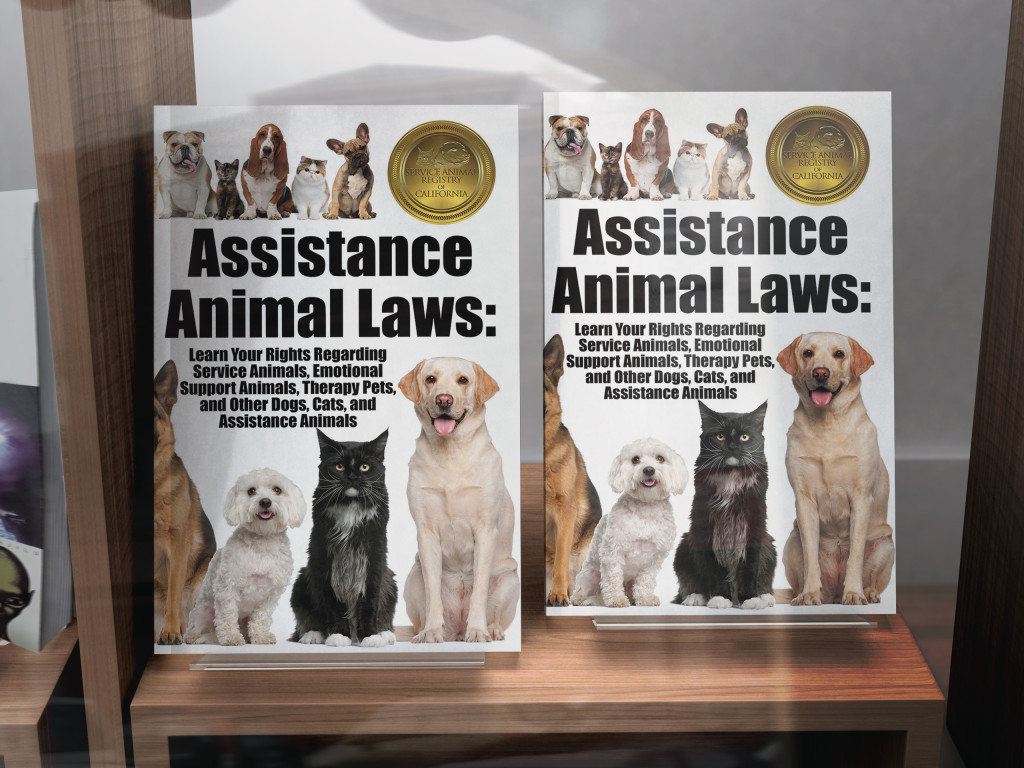
Finally, we present to you our book entitled, “ASSISTANCE ANIMAL LAWS: LEARN YOUR RIGHTS REGARDING SERVICE ANIMALS, EMOTIONAL SUPPORT ANIMALS, THERAPY PETS, AND OTHER DOGS, CATS, AND ASSISTANCE ANIMALS” to provide you with a complete education on assistance animals.
Purchase your copy of the book by clicking the image below.