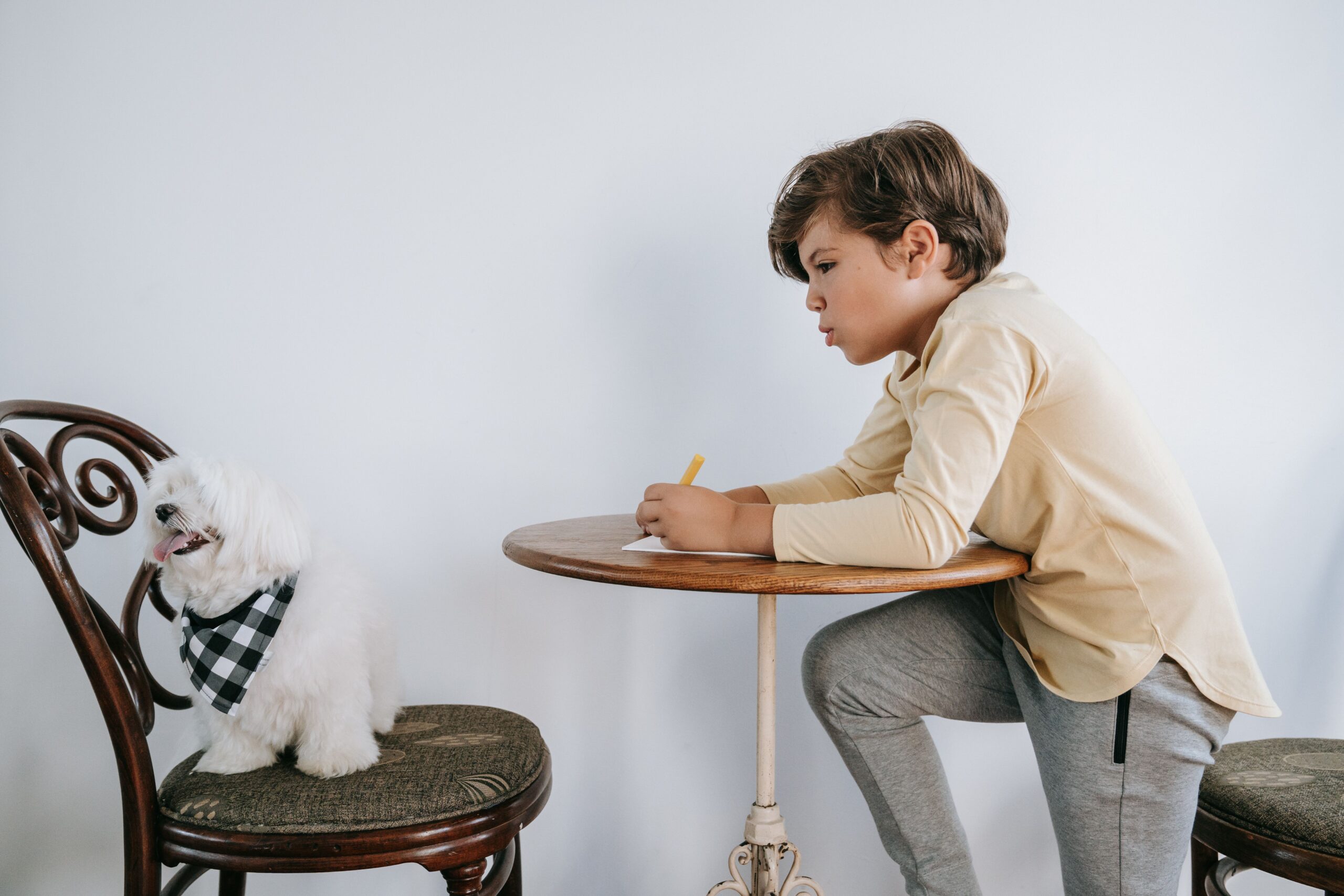
Teaching children about gratitude can help them recognize the positive people, experiences, and things in their lives. When therapy animals are part of the experience, gratitude activities can become more interactive, comforting, and memorable. Whether children are spending time with a therapy dog, cat, rabbit, or another trained animal, these simple activities can encourage kindness, appreciation, and emotional awareness.
Create a Gratitude List
One of the easiest activities is creating a gratitude list while spending time with a therapy animal. Ask children to write or draw three to five things they are thankful for. They might appreciate their family, friends, teachers, favorite activities, or even the opportunity to spend time with the animal.
You can also encourage children to share their list with the therapy animal by reading it aloud. Although the animal cannot respond with words, simply talking while petting or sitting near the animal can make the activity feel calming and personal.
Make a Gratitude Drawing
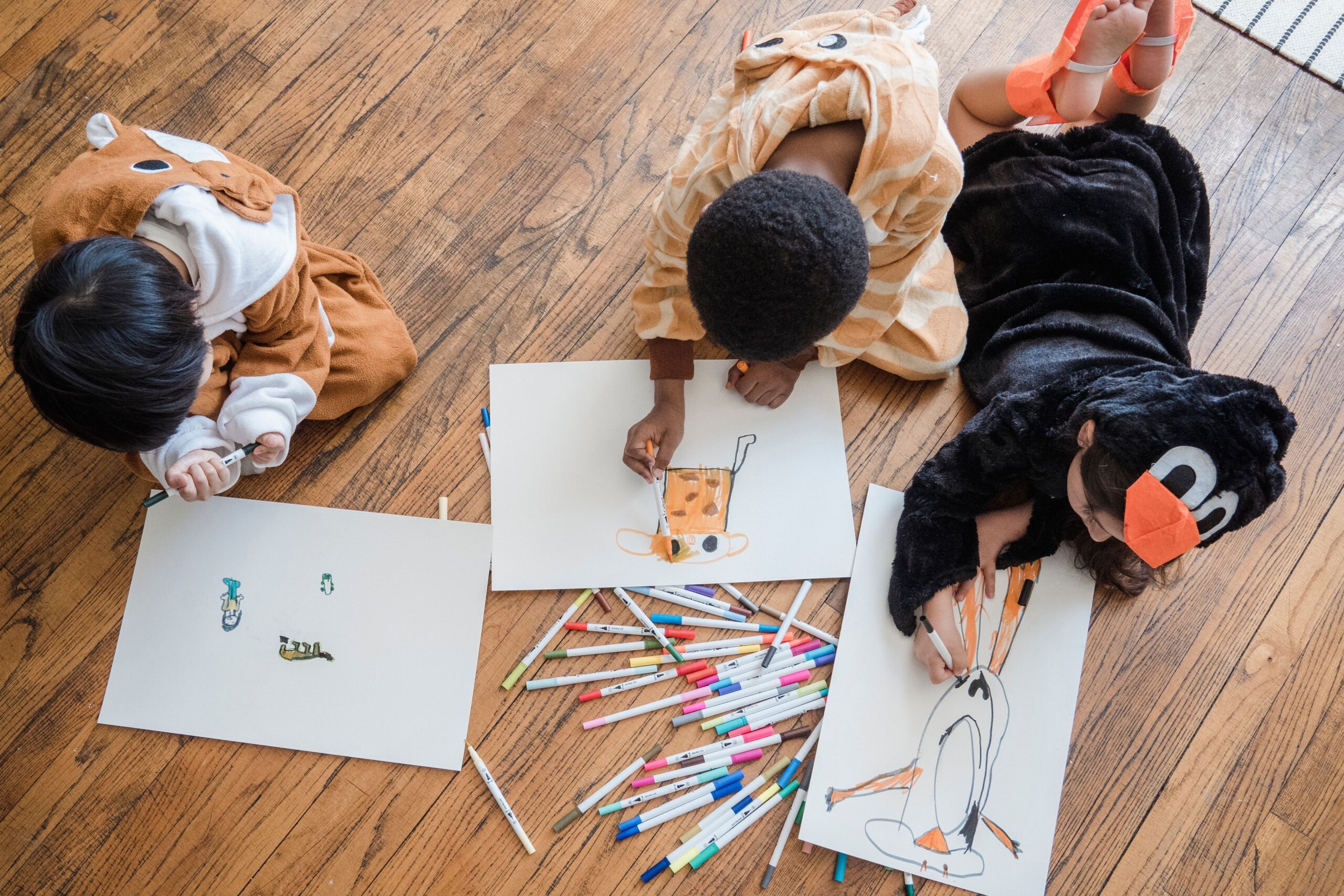
For younger children, drawing can be easier than writing. Give them paper and crayons and ask them to create a picture showing something they appreciate. They might draw their family, a favorite place, or themselves playing with a therapy animal.
Afterward, invite them to explain their picture. This can give children an opportunity to practice expressing positive emotions and recognizing what makes them feel happy or supported.
Practice Saying Thank You
Therapy animal visits can also provide a natural opportunity to practice expressing appreciation. Ask children to think about someone who has helped them recently and create a short thank-you message.
Children can write a card, dictate a message, or decorate a piece of paper. They could thank a parent for helping them, a teacher for being supportive, or a friend for being kind. The therapy animal can simply be present as children work on their message.
Share a Gratitude Story
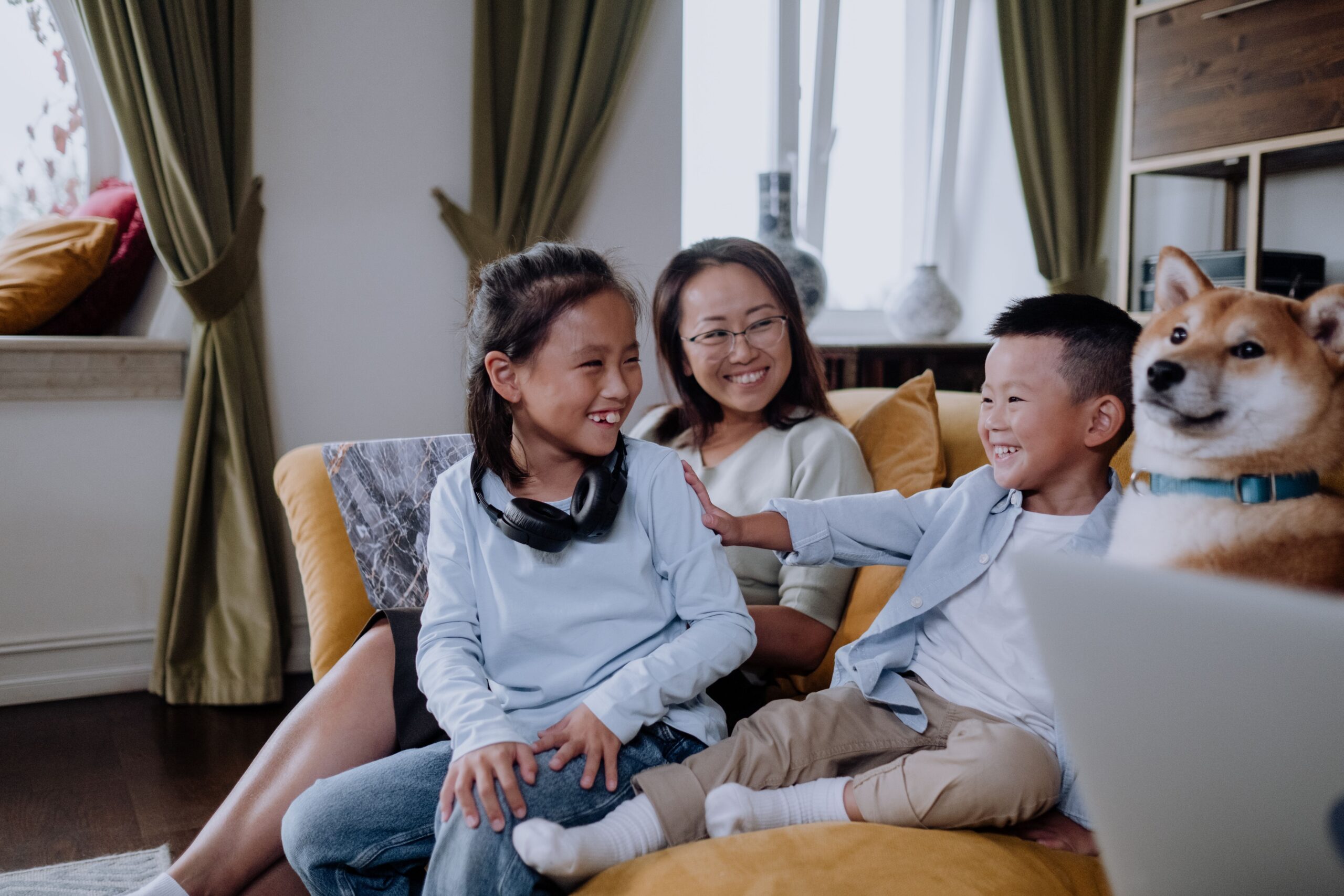
Invite children to tell a short story about a time when someone showed them kindness. They could talk about a family member, friend, teacher, or even an experience involving an animal.
Sitting beside a calm therapy animal may help create a relaxed environment for sharing. Adults can ask gentle questions such as, “How did that make you feel?” or “What are you thankful for about that experience?”
Create a Gratitude Jar
A gratitude jar can turn appreciation into an ongoing activity. Children can write one thing they are grateful for on a small piece of paper during each therapy animal visit and place it in the jar. Younger children can draw pictures instead. Over time, children can revisit the notes and see how many positive moments they have collected.
Final Thoughts
Gratitude activities with therapy animals can give children meaningful ways to slow down, reflect, and recognize the good things around them. From drawing and storytelling to thank-you notes and gratitude jars, these activities can be adapted to different ages and abilities. With appropriate supervision and respect for the animal’s comfort, therapy animal visits can make practicing gratitude a positive and engaging experience for children.
Discover more therapy animals related articles below:
- Common Myths About Therapy Animals
- The Benefits of Therapy Animals for Older Adults
- How Therapy Animals Help Kids Build Confidence During School Vacation
- Summer Nutrition Tips for Working Therapy Animals
Do you own an assistance animal? Register your pet today.
The Service Animal Registry of California invites you to have your assistance animal registered in order to designate its status. We also encourage you to take our online classes so you can be fully aware of your rights and gain more knowledge about your support animal.
Finally, we present to you our book entitled, “ASSISTANCE ANIMAL LAWS: LEARN YOUR RIGHTS REGARDING SERVICE ANIMALS, EMOTIONAL SUPPORT ANIMALS, THERAPY PETS, AND OTHER DOGS, CATS, AND ASSISTANCE ANIMALS” to provide you with a complete education on assistance animals. Purchase your copy of the book by clicking the image below.