
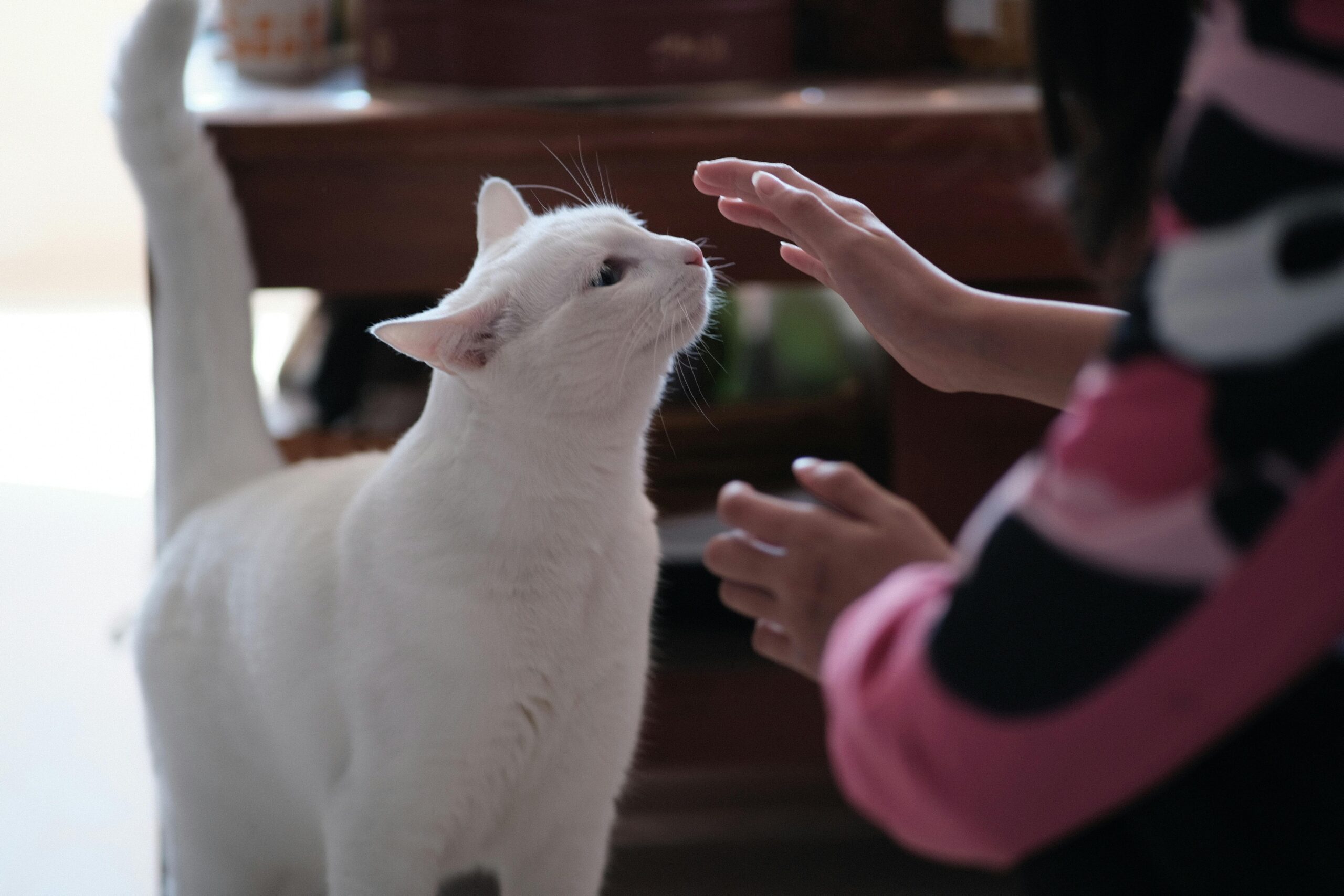
When people picture therapy animals, dogs usually take center stage. Their social nature and trainability make them a natural fit. Cats, on the other hand, are often seen as too independent or unpredictable. But therapy work isn’t about strict obedience—it’s about providing comfort. That opens the door for cats to play a role.
It’s also important to separate therapy animals from service animals. Service animals are trained for specific tasks that assist individuals with disabilities, while therapy animals focus on emotional support in group settings like hospitals, schools, and care facilities. This makes therapy work more accessible for cats, as it relies heavily on temperament rather than complex training.
The Right Personality Matters Most
Not every cat is cut out for therapy work, and that’s perfectly normal. The most successful therapy cats share a few key traits: they are calm, friendly, patient, and comfortable being handled by different people. They don’t get easily stressed by loud noises, unfamiliar environments, or sudden movements.
In reality, therapy cats aren’t “made”—they’re identified. Training can support and refine behavior, but it can’t completely reshape a cat’s personality. If a cat is naturally shy or easily startled, therapy work may not be a good fit.
Training and Socialization

While personality is the foundation, training still plays an important role. Socialization is one of the most valuable steps. Exposing a cat to different environments, people, and sounds helps build confidence and reduces anxiety in unfamiliar situations.
Positive reinforcement is the most effective method. Rewarding calm behavior, gentle interaction, and tolerance of handling encourages consistency. Unlike dogs, cats won’t respond well to force or strict commands, so patience is essential.
Some therapy cats are also trained to wear a harness and walk on a leash. This adds an extra layer of safety during visits and makes it easier to manage them in public settings.
Read more: Essential Tips for Training Therapy Animals
Health, Hygiene, and Certification
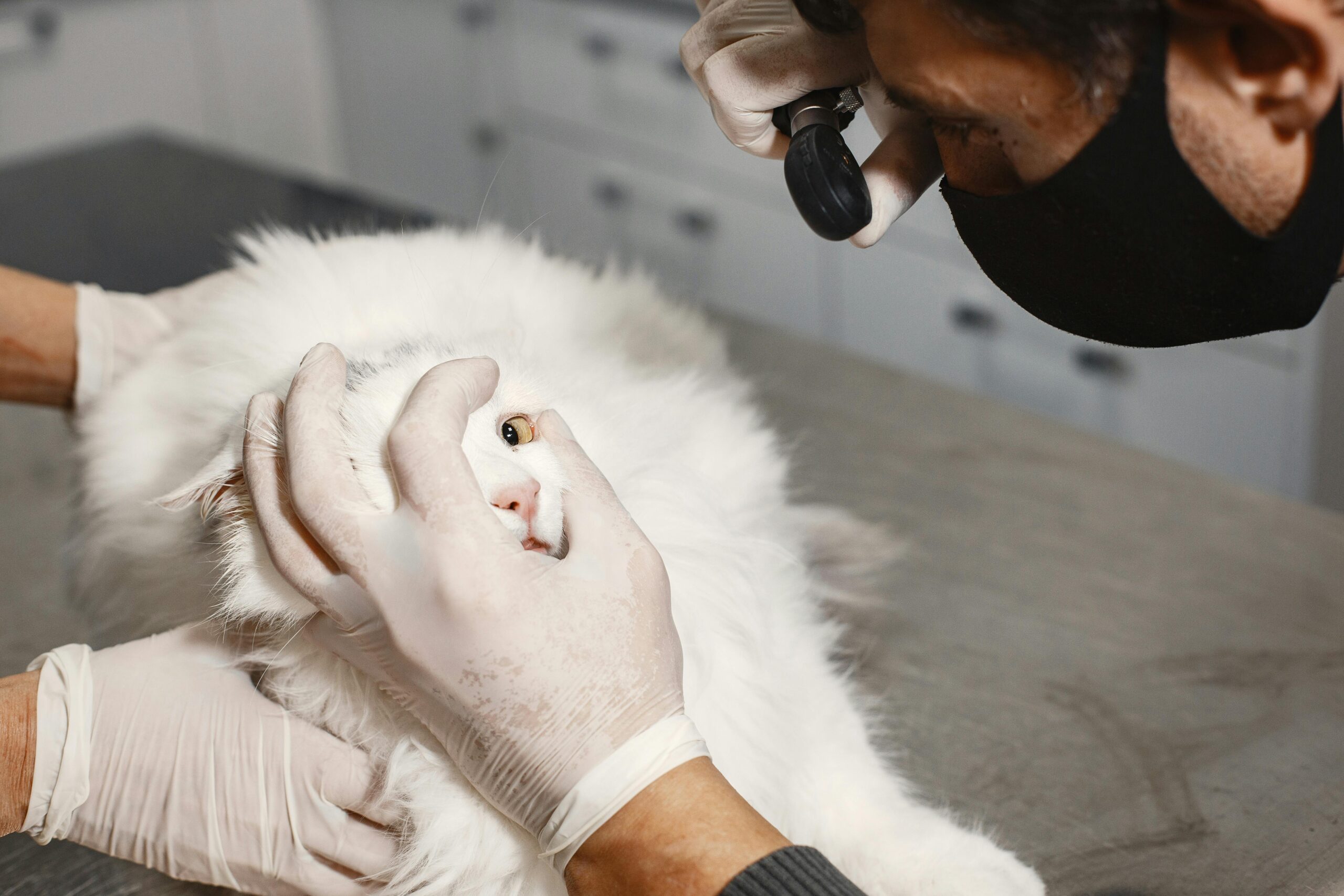
A therapy cat must be in excellent health. Regular vet checkups, up-to-date vaccinations, and consistent grooming are non-negotiable. Since therapy animals interact closely with people—some of whom may have weakened immune systems—cleanliness and overall wellness are critical.
There are organizations that evaluate and certify therapy cats, though they are less common than dog-focused programs. These assessments typically look at the cat’s temperament, behavior in new environments, and ability to remain calm during interactions. Handlers are also evaluated, as they play a major role in guiding the experience and ensuring safety.
Managing Expectations
Cats have different limits compared to dogs. They may not tolerate long sessions or highly active environments. Therapy visits involving cats are usually shorter and more controlled. That said, what cats offer is unique. Their quiet presence, soft purring, and gentle demeanor can create a deeply calming experience, especially for people who may feel overwhelmed by more energetic animals.
Final Thoughts
Training a cat for therapy work is absolutely possible, but it requires the right mindset. It’s less about teaching a cat to become something it’s not and more about recognizing and supporting the qualities it already has. With a naturally suitable temperament, thoughtful training, and proper care, a cat can become a powerful source of comfort. In the right setting, their quiet companionship can make a lasting impact—sometimes in ways that are subtle, but deeply meaningful.
Do you own an assistance animal? Register your pet today.
The Service Animal Registry of California invites you to have your assistance animal registered in order to designate its status. We also encourage you to take our online classes so you can be fully aware of your rights and gain more knowledge about your support animal.
Finally, we present to you our book entitled, “ASSISTANCE ANIMAL LAWS: LEARN YOUR RIGHTS REGARDING SERVICE ANIMALS, EMOTIONAL SUPPORT ANIMALS, THERAPY PETS, AND OTHER DOGS, CATS, AND ASSISTANCE ANIMALS” to provide you with a complete education on assistance animals.
Purchase your copy of the book by clicking the image below.
