
Why Some People Turn to Birds for Comfort and Healing

For centuries, humans have been drawn to birds—not only for their beauty and song but also for the sense of peace and connection they bring. While cats and dogs often dominate conversations around emotional support, birds have quietly become trusted companions for many seeking comfort and healing. Their presence, behavior, and unique traits provide more than companionship; they offer a kind of therapy that speaks to both the heart and mind.

A Calming Presence in Daily Life

The gentle sounds of chirping, whistling, or singing from birds can create an atmosphere of calm in a home. Just as people find the sound of ocean waves or rustling leaves relaxing, a bird’s song provides a soothing background that can ease stress or anxiety. Some studies even suggest that listening to bird sounds may lower cortisol levels and boost mental clarity. For people overwhelmed by the pace of modern life, this natural soundtrack can act as a reminder to slow down and breathe.

Companionship Without Judgment

Birds may be small, but they often form strong bonds with their owners. Species like parrots, cockatiels, and parakeets are known for their playful personalities and affectionate behavior. They respond to voices, mimic speech, and enjoy interactive play, giving people the sense of being truly heard and seen. For those who struggle with loneliness or social isolation, the bond with a bird can provide meaningful emotional connection—without fear of judgment or rejection.

A Symbol of Hope and Renewal

Culturally, birds have long represented freedom, renewal, and resilience. Watching a bird take flight can inspire feelings of hope, reminding people that healing and growth are possible, even in difficult times. This symbolism resonates deeply with individuals navigating grief, trauma, or major life changes. The daily care of a bird, combined with these powerful associations, can help restore a sense of purpose and optimism.

Mindful Care and Routine

Caring for a bird requires mindfulness—whether it’s cleaning their cage, preparing nutritious food, or spending time talking and playing with them. These routines give structure to the day and encourage caretakers to focus on the present moment. For people coping with anxiety, depression, or stress, this rhythm can act as a grounding practice. The responsibility of caring for another living being can also nurture self-worth and consistency, which are key aspects of emotional healing.

Unique Emotional Support

Unlike cats or dogs, birds communicate in distinct ways. Some mimic words or phrases, providing a sense of dialogue and companionship. Others display affection through preening, perching on shoulders, or following their human around the room. These interactions foster connection and joy, often lifting moods when most needed. Their intelligence and sensitivity also mean that birds often respond to the emotional energy of their environment, making them attuned companions during difficult times.

Discover: Emotional Support Bird vs. Pet Bird: What’s the Difference?

Final Thoughts

Birds may not be the most conventional choice for comfort and healing, but for those who welcome them into their lives, their impact can be profound. Through song, companionship, and the daily rhythms of care, birds remind us of the simple, natural joys that bring peace and healing to the human spirit.


Do you own an assistance animal? Register your pet today.

The Service Animal Registry of California invites you to have your assistance animal registered in order to designate its status. We also encourage you to take our online classes so you can be fully aware of your rights and gain more knowledge about your support animal.

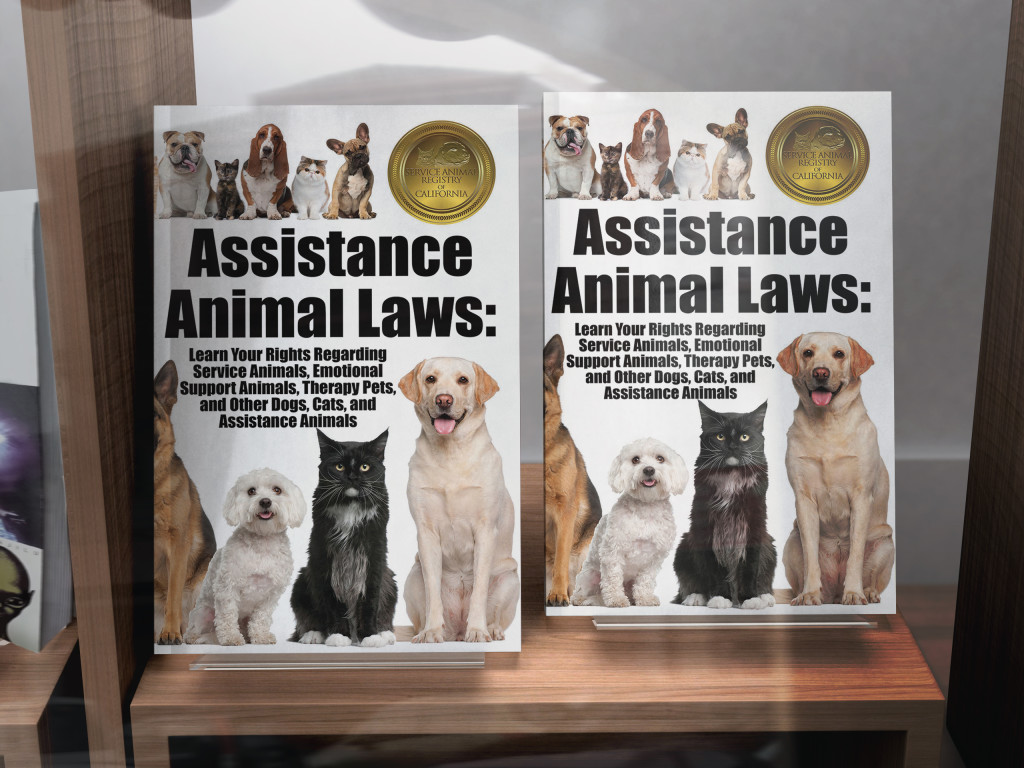
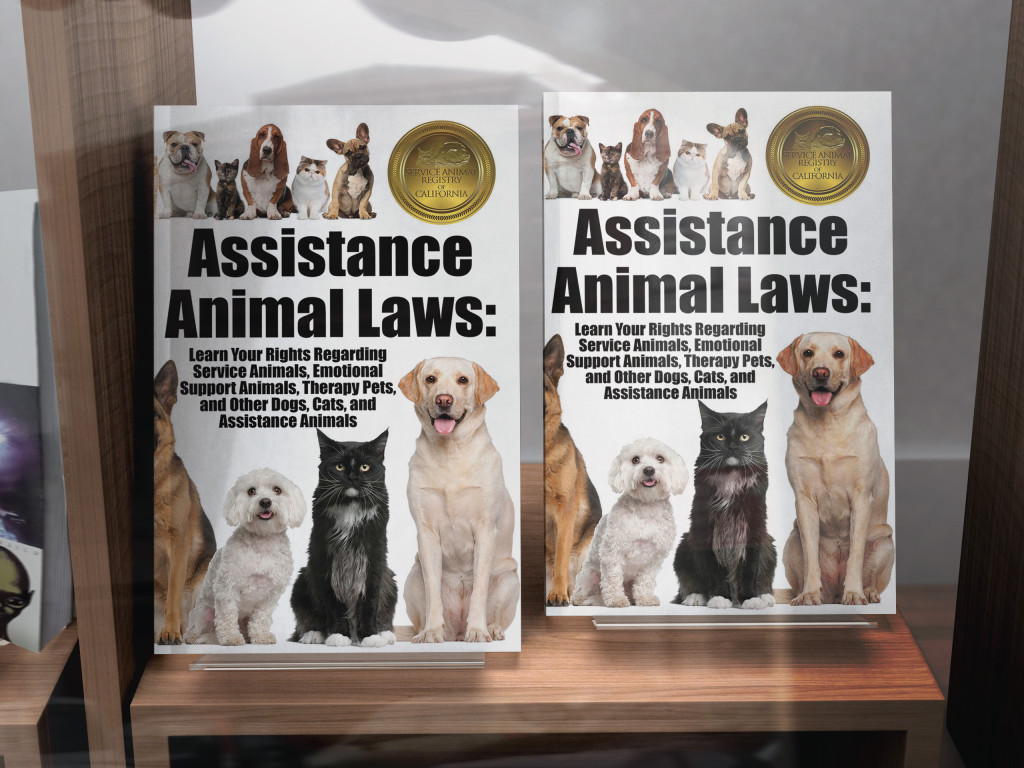
Finally, we present to you our book entitled, “ASSISTANCE ANIMAL LAWS: LEARN YOUR RIGHTS REGARDING SERVICE ANIMALS, EMOTIONAL SUPPORT ANIMALS, THERAPY PETS, AND OTHER DOGS, CATS, AND ASSISTANCE ANIMALS” to provide you with a complete education on assistance animals.

Purchase your copy of the book by clicking the image below.
Creating Meaningful Moments With Your Emotional Support Cat Every Day

Living with an emotional support cat is more than simply sharing your home with a furry friend—it’s about building a daily bond that nurtures comfort, connection, and stability. Cats, with their unique personalities and gentle presence, can bring immense emotional relief. However, the relationship becomes even more enriching when you intentionally create meaningful moments together. These daily practices don’t just benefit your mental health; they also strengthen your cat’s trust and happiness.

Start the Day With Calm Connection

How you begin your morning often sets the tone for the rest of your day. Taking just a few minutes to connect with your cat as soon as you wake up can create a soothing ritual. This might be gentle petting, letting them curl up on your lap during coffee, or engaging in soft conversation. Cats may not understand every word, but your voice and energy help them feel safe while grounding you in the present moment.

Incorporate Playtime Into Routine

Play is essential for both emotional and physical well-being. Setting aside at least 10–15 minutes a day for interactive play—whether with feather wands, laser pointers, or puzzle toys—stimulates your cat’s natural instincts and provides a joyful break for you. This daily activity is more than entertainment; it’s a stress-relieving exercise for both of you, helping you laugh, move, and reset your mood.

Read more: The Importance of Exercise for Emotional Support Cats

Practice Mindful Petting

One of the simplest yet most powerful ways to bond with your emotional support cat is through mindful touch. Stroking your cat’s fur slowly while focusing on their purring, warmth, and breathing can reduce your stress levels while promoting feelings of relaxation. Research shows that petting animals can lower cortisol levels and increase oxytocin, the “bonding hormone.” By making petting a mindful activity, you transform an ordinary act into a therapeutic ritual.

Read more: The Science of Touch: Why Petting an Animal Helps the Brain

Share Quiet Moments

Not every meaningful moment needs to be active. Sometimes, simply sitting in the same room, reading a book while your cat rests nearby, or watching TV with them curled against you can strengthen the bond. Cats thrive on companionship and routine, and your consistent presence provides them with reassurance. For you, these shared silences can offer grounding calm in an otherwise busy day.

Establish Evening Rituals

Just as mornings are important, evenings offer another opportunity to connect. Creating a nightly ritual—such as offering a treat before bed, brushing their fur, or allowing cuddle time—gives both you and your cat a sense of closure to the day. These routines not only strengthen emotional ties but also provide comfort and predictability, which can be especially helpful during stressful times.

Conclusion

Your emotional support cat does more than offer companionship—they are a partner in your emotional wellness journey. By intentionally weaving moments of connection into your daily routine, you enrich both of your lives. Whether through play, mindful touch, shared silences, or consistent rituals, these small acts of presence add up to a profound bond. In the end, it’s the accumulation of these meaningful daily moments that transforms life with your cat into a source of lasting comfort and joy.


Do you own an assistance animal? Register your pet today.

The Service Animal Registry of California invites you to have your assistance animal registered in order to designate its status. We also encourage you to take our online classes so you can be fully aware of your rights and gain more knowledge about your support animal.

Finally, we present to you our book entitled, “ASSISTANCE ANIMAL LAWS: LEARN YOUR RIGHTS REGARDING SERVICE ANIMALS, EMOTIONAL SUPPORT ANIMALS, THERAPY PETS, AND OTHER DOGS, CATS, AND ASSISTANCE ANIMALS” to provide you with a complete education on assistance animals.

Purchase your copy of the book by clicking the image below.

5 Ways Emotional Support Dogs Improve Daily Life for People with ADHD

Living with Attention-Deficit/Hyperactivity Disorder (ADHD) can present unique challenges in focus, organization, and emotional regulation. While therapy, medication, and structured routines are often part of treatment, many people also find that the unconditional companionship of an emotional support dog (ESD) can make a meaningful difference in their daily lives. These animals aren’t service dogs trained for specific tasks but instead provide comfort, structure, and motivation that help individuals with ADHD navigate everyday struggles. Here are five ways emotional support dogs can improve life for people with ADHD.

1. Promoting Routine and Structure

One of the biggest challenges for people with ADHD is maintaining consistent routines. Emotional support dogs thrive on schedules—whether it’s feeding times, bathroom breaks, or daily walks. Their need for consistency naturally encourages their owners to build structure into their day. Over time, this external framework can help people with ADHD stay more grounded, better manage time, and improve overall organization.

2. Encouraging Physical Activity

Hyperactivity or restlessness is a common symptom of ADHD. Emotional support dogs provide a healthy outlet for excess energy by encouraging physical movement. Whether it’s a brisk walk, a game of fetch, or simply playing indoors, dogs ensure their owners get active breaks throughout the day. This exercise not only benefits physical health but also boosts focus, reduces stress, and releases endorphins—key factors in managing ADHD symptoms.

3. Reducing Anxiety and Emotional Overload

Many individuals with ADHD also experience heightened anxiety, frustration, or emotional dysregulation. Emotional support dogs provide a calming presence during moments of stress. The act of petting a dog has been shown to lower cortisol levels (the stress hormone) and increase oxytocin, which promotes feelings of relaxation and trust. This immediate soothing effect helps people regulate emotions more effectively and recover faster from overwhelming situations.

Read more: Why Do Our Pets Make Us Feel Good?

4. Improving Focus and Productivity

While dogs don’t directly eliminate distractions, their presence can help people with ADHD stay more engaged and grounded. For example, taking a quick pause to interact with a dog can serve as a “reset button” during moments of mental fatigue. Additionally, the responsibility of caring for a dog—remembering feeding times, grooming, and vet visits—can help strengthen executive functioning skills like planning, prioritizing, and task follow-through.

5. Providing Unconditional Companionship

Feelings of isolation and frustration are not uncommon for those living with ADHD, especially when symptoms interfere with relationships or academic and work performance. Emotional support dogs offer unconditional love and nonjudgmental companionship. This steady bond can boost self-esteem, provide comfort during setbacks, and remind individuals that they are valued and cared for, regardless of daily struggles.

Read more: Do Pets Really Unconditionally Love Us?

Conclusion

Emotional support dogs may not replace professional treatment for ADHD, but they can complement it in powerful ways. From encouraging structure and movement to providing comfort and companionship, these animals have a unique ability to support emotional and mental well-being. For people living with ADHD, the presence of an emotional support dog can transform daily challenges into manageable moments—making life not only easier, but also more joyful.


Do you own an assistance animal? Register your pet today.  The Service Animal Registry of California invites you to have your assistance animal registered in order to designate its status. We also encourage you to take our online classes so you can be fully aware of your rights and gain more knowledge about your support animal.

Finally, we present to you our book entitled, “ASSISTANCE ANIMAL LAWS: LEARN YOUR RIGHTS REGARDING SERVICE ANIMALS, EMOTIONAL SUPPORT ANIMALS, THERAPY PETS, AND OTHER DOGS, CATS, AND ASSISTANCE ANIMALS” to provide you with a complete education on assistance animals. Purchase your copy of the book by clicking the image below. 

The Science of Touch: Why Petting an Animal Helps the Brain

From the gentle purr of a cat to the warm nuzzle of a dog, moments of physical connection with animals can be profoundly comforting. But this calming effect isn’t just emotional—it’s rooted in science. Research shows that touch, especially with animals, can spark measurable changes in the brain and body that promote relaxation, happiness, and mental well-being.

1. Touch and the Brain’s Reward System

When you pet an animal, your brain releases a cascade of feel-good chemicals. One of the key players is oxytocin, often called the “love hormone,” which is linked to bonding and trust. This hormone not only makes us feel connected to the animal but also lowers stress levels. At the same time, dopamine and serotonin—neurotransmitters associated with pleasure and mood regulation—are released, creating a sense of contentment.

Discover: Do Pets Really Unconditionally Love Us?

2. Stress Reduction Through the Parasympathetic Nervous System

Petting an animal can also activate the parasympathetic nervous system—the “rest and digest” mode of the body. This is the opposite of the fight-or-flight response triggered by stress. As you stroke an animal’s fur in rhythmic, gentle motions, your heart rate slows, blood pressure drops, and muscles relax. This explains why spending even a few minutes with a calm animal can feel like a deep breath for your nervous system.

Read more: 5 Ways Pets Can Reduce Stress

3. The Role of Tactile Stimulation

Our skin is filled with sensory receptors that respond to touch, sending signals to the brain that can alter our mental state. A specific type of nerve fiber, called C-tactile afferents, is especially responsive to slow, gentle strokes—exactly the kind of touch used when petting a dog, cat, or other animal. These nerve fibers send positive, soothing signals to brain regions involved in emotional processing, such as the insular cortex.

4. Emotional Regulation and Mindfulness

Petting an animal often requires you to be present in the moment. The sensation of fur beneath your fingertips, the warmth of the animal’s body, and their subtle movements all draw your attention away from anxious thoughts and into the here and now. This mindful focus can help reduce rumination—the mental loop of replaying worries—and instead anchor you in a calming, sensory experience.

5. Benefits for Long-Term Mental Health

Repeated interactions with animals can have cumulative effects. Regular tactile contact may lower baseline levels of cortisol (the stress hormone), improve emotional resilience, and even enhance social connection. For individuals with anxiety, depression, or PTSD, petting an animal can become a reliable coping tool, offering both immediate comfort and long-term stability.

Read more: Why Do Our Pets Make Us Feel Good?

Conclusion

The bond we feel when petting an animal isn’t just sentimental—it’s deeply biological. Through a combination of hormonal release, nervous system regulation, and sensory stimulation, simple moments of touch can transform our mood and mental state. Whether it’s a few minutes with your dog after work or stroking a cat curled in your lap, these small acts of connection are powerful reminders of the healing potential of touch.


Do you own an assistance animal? Register your pet today.

The Service Animal Registry of California invites you to have your assistance animal registered in order to designate its status. We also encourage you to take our online classes so you can be fully aware of your rights and gain more knowledge about your support animal.

Finally, we present to you our book entitled, “ASSISTANCE ANIMAL LAWS: LEARN YOUR RIGHTS REGARDING SERVICE ANIMALS, EMOTIONAL SUPPORT ANIMALS, THERAPY PETS, AND OTHER DOGS, CATS, AND ASSISTANCE ANIMALS” to provide you with a complete education on assistance animals.

Purchase your copy of the book by clicking the image below.

Why Basic Training Still Helps Your Emotional Support Animal

Emotional support animals (ESAs) play a vital role in improving mental health and emotional well-being for individuals facing anxiety, depression, PTSD, or other psychological conditions. Unlike service animals, ESAs are not required by law to perform specific tasks. However, that doesn’t mean they shouldn’t be trained. In fact, basic training remains one of the most important steps in ensuring that an emotional support animal is not only a source of comfort but also a well-behaved and welcome companion in a variety of settings.

Enhancing Bond and Communication

Training helps build a stronger bond between the owner and the animal. When an ESA understands basic commands like “sit,” “stay,” or “leave it,” communication becomes clearer. This understanding fosters trust, reduces confusion, and enhances the overall relationship. For individuals dealing with mental health challenges, having an animal that responds calmly and consistently can be deeply grounding and reassuring.

Discover: 7 Commands to Teach a Service Dog

Supporting Public Behavior

While ESAs don’t have the same public access rights as service animals under the Americans with Disabilities Act (ADA), they may still be present in pet-friendly public spaces, airports, or housing where pets are usually restricted under the Fair Housing Act. In these environments, a poorly behaved animal can cause stress, embarrassment, or even be denied entry. Basic obedience ensures that your ESA remains calm in new or crowded places and does not act aggressively or disruptively.

Reducing Owner Stress

One of the main reasons people seek ESAs is to reduce anxiety or emotional distress. Ironically, an untrained animal can increase stress levels. Whether it’s barking excessively, jumping on guests, or showing fear-based aggression, these behaviors can trigger anxiety in their owner instead of providing comfort. Training gives both the animal and the owner confidence. Knowing your ESA will behave appropriately can make outings or hosting visitors more manageable.

Ensuring Safety for Everyone

Basic training also promotes safety—for your ESA, for you, and for others. Commands like “come,” “stay,” and “leave it” can prevent your animal from running into traffic, eating something harmful, or approaching someone who is fearful or allergic. These safety-focused behaviors help make sure your ESA remains a positive presence in your life and community.

Discover: Training Your Dog to Behave at Pet-Friendly Restaurants: 6 Tips That Work

Promoting Longevity in the ESA Role

Animals, like humans, need mental stimulation and structure. Training provides enrichment that can reduce boredom and unwanted behaviors. It can also strengthen your ESA’s ability to remain calm during emotional flare-ups, which is often when you need their support most. A well-trained ESA is more likely to thrive in its role for years to come.

Conclusion

While emotional support animals aren’t legally required to undergo training, doing so brings clear advantages. From improving your relationship with your pet to ensuring safe, calm behavior in public, basic obedience training enhances your ESA’s ability to fulfill its supportive role. Ultimately, it leads to a more stable, peaceful, and enjoyable companionship—something every ESA owner truly deserves.


Do you own an assistance animal? Register your pet today.

The Service Animal Registry of California invites you to have your assistance animal registered in order to designate its status. We also encourage you to take our online classes so you can be fully aware of your rights and gain more knowledge about your support animal.

Finally, we present to you our book entitled, “ASSISTANCE ANIMAL LAWS: LEARN YOUR RIGHTS REGARDING SERVICE ANIMALS, EMOTIONAL SUPPORT ANIMALS, THERAPY PETS, AND OTHER DOGS, CATS, AND ASSISTANCE ANIMALS” to provide you with a complete education on assistance animals.

Purchase your copy of the book by clicking the image below.

Are Vaccinations Required by the ADA for Service Dogs? A Practical Overview

Service dogs play an essential role in the lives of individuals with disabilities, helping them navigate daily challenges and maintain greater independence. While the Americans with Disabilities Act (ADA) sets clear guidelines about the rights of individuals to use service animals, one common question arises: Are vaccinations required for service dogs under the ADA?

What the ADA Says About Service Dogs

The ADA defines a service animal as a dog that is individually trained to do work or perform tasks for a person with a disability. This can include guiding individuals who are blind, alerting those who are deaf, pulling a wheelchair, retrieving items, or even detecting the onset of medical conditions such as seizures or low blood sugar.

However, the ADA itself does not specifically require that service dogs be vaccinated. The act focuses primarily on the rights of individuals with disabilities and the responsibilities of public entities and businesses to accommodate service animals.

Local and State Laws Take the Lead

Even though the ADA doesn’t mandate vaccinations, state and local laws still apply. Nearly every state in the U.S. requires dogs—including service dogs—to be vaccinated against rabies. Many municipalities may also mandate other routine vaccines, such as those for distemper or parvovirus, as part of their public health regulations.

Therefore, service dogs must comply with local animal control and public health laws, just like pet dogs. Businesses and other entities may request proof of compliance with these laws if such documentation is typically required for all dogs in public spaces.

Discover: 8 Things You Should Bring While Traveling with Your Service Animal

Public Safety and Health Considerations

Keeping a service dog vaccinated is not just about compliance—it’s also about safety. Service dogs often enter public areas like restaurants, hospitals, grocery stores, and public transit. Unvaccinated animals pose a potential health risk to other people and animals.

Vaccines protect not only the service dog but also the person they assist, especially if that person is immunocompromised or vulnerable to disease. Responsible service dog ownership includes up-to-date vaccinations and routine veterinary care.

Can Businesses Ask for Vaccination Records?

Under the ADA, staff at a business or facility cannot require documentation to prove a dog is a service animal, such as registration or certification. They are only allowed to ask two questions:

  • Is the dog a service animal required because of a disability?
  • What work or task has the dog been trained to perform?

However, businesses can require that all animals, including service dogs, comply with local health codes, which may include vaccination requirements. If a jurisdiction mandates rabies vaccinations, a business can reasonably ask for proof of that specific vaccination for any dog on the premises.

Read more: What Are the Rights of People Using Service Animals?

Conclusion

While the ADA does not directly mandate vaccinations for service dogs, state and local laws fill that gap by requiring vaccinations for all dogs, including service animals. It’s the responsibility of the handler to ensure their dog meets these health standards. This not only helps maintain legal compliance but also supports the safety and well-being of both the public and the service dog team. Keeping vaccinations up to date is a simple yet crucial part of responsible service dog ownership.


Do you own an assistance animal? Register your pet today.

The Service Animal Registry of California invites you to have your assistance animal registered in order to designate its status. We also encourage you to take our online classes so you can be fully aware of your rights and gain more knowledge about your support animal.

Finally, we present to you our book entitled, “ASSISTANCE ANIMAL LAWS: LEARN YOUR RIGHTS REGARDING SERVICE ANIMALS, EMOTIONAL SUPPORT ANIMALS, THERAPY PETS, AND OTHER DOGS, CATS, AND ASSISTANCE ANIMALS” to provide you with a complete education on assistance animals.

Purchase your copy of the book by clicking the image below.

Guinea Pigs for Social Anxiety & Shyness: Small Companions, Big Emotional Support

For individuals struggling with social anxiety or chronic shyness, finding comfort in social situations can be overwhelming. While therapy and support systems play a crucial role, emotional support animals (ESAs) are gaining recognition for the calm, consistent companionship they offer. Among the lesser-known but highly effective ESAs are guinea pigs—gentle, social creatures whose quiet presence can make a significant difference in a person’s emotional well-being.

Gentle, Non-Threatening Companions

Guinea pigs are naturally gentle and non-aggressive, making them ideal for individuals who feel easily overwhelmed by larger or more energetic animals. Their small size and calm demeanor can be especially soothing for people who are sensitive to sensory input or feel anxious around chaos or unpredictability. Unlike dogs or cats, guinea pigs don’t jump, bark, or pounce. Instead, they offer a peaceful presence, often content to snuggle or sit quietly nearby, which can help ease social discomfort and reduce anxious thoughts.

Encouraging Routine and Responsibility

One of the therapeutic benefits of owning guinea pigs is the structure they bring to a person’s day. Feeding them, cleaning their enclosure, and interacting with them on a schedule can help individuals develop a sense of purpose and predictability—both of which are crucial for managing anxiety. This gentle responsibility also fosters a sense of competence and connection, which can improve self-esteem over time.

Promoting Gentle Social Interaction

Guinea pigs are social animals, thriving in environments where they can interact with humans and other guinea pigs. Their vocalizations—soft squeaks, purrs, and whistles—can encourage shy individuals to respond and communicate, even if just with the pet. These simple, non-verbal exchanges can build emotional confidence and become a stepping stone toward engaging with others.

In group settings, guinea pigs can also help break the ice. Whether it’s in a therapy group, classroom, or family home, these cuddly pets often spark curiosity and conversation, allowing socially anxious individuals to engage with others more comfortably through the shared experience of animal care.

Discover: Can Pets Help Children With Their Emotional and Social Skills?

Sensory Comfort and Emotional Grounding

Petting a guinea pig provides tactile sensory input that can have a calming effect. The rhythmic motion of stroking their soft fur can reduce physiological signs of anxiety, such as rapid heart rate or shallow breathing. Many people with social anxiety find this kind of sensory grounding helps them regulate emotions and stay present in stressful situations.

A Gateway to Emotional Growth

While guinea pigs aren’t a substitute for therapy or professional treatment, they can be a powerful emotional support tool. Their low-maintenance nature makes them accessible for individuals living in small spaces or who may not feel ready for the demands of a larger animal. More importantly, they offer unconditional affection and nonjudgmental companionship—qualities that can be deeply healing for people struggling to connect with others.

Final Thoughts

Guinea pigs may be small, but their impact can be significant. For individuals dealing with social anxiety and shyness, these furry friends can provide a sense of security, connection, and calm that paves the way for emotional resilience and personal growth.


Do you own an assistance animal? Register your pet today.

The Service Animal Registry of California invites you to have your assistance animal registered in order to designate its status. We also encourage you to take our online classes so you can be fully aware of your rights and gain more knowledge about your support animal.

Finally, we present to you our book entitled, “ASSISTANCE ANIMAL LAWS: LEARN YOUR RIGHTS REGARDING SERVICE ANIMALS, EMOTIONAL SUPPORT ANIMALS, THERAPY PETS, AND OTHER DOGS, CATS, AND ASSISTANCE ANIMALS” to provide you with a complete education on assistance animals.

Purchase your copy of the book by clicking the image below.

Golden Retrievers and Emotional Regulation in Kids: A Bond Beyond Words

Golden Retrievers are more than just loyal family pets—they’re gentle emotional anchors for children. Their calm demeanor, affectionate nature, and intuitive sensitivity make them ideal companions for kids learning to navigate and manage their emotions. Especially for children facing anxiety, ADHD, or behavioral challenges, a Golden Retriever can become a steady source of support.

Creating a Safe Emotional Space

Children often feel more comfortable expressing emotions around animals than adults. Golden Retrievers provide a safe, nonjudgmental space where kids can cry, vent, or simply be themselves. This kind of emotional freedom fosters self-awareness and teaches kids how to name, understand, and work through their feelings.

Calming the Body, Calming the Mind

Interacting with a dog has measurable physiological effects. Petting a Golden Retriever can lower cortisol levels and increase oxytocin, which naturally calms the body. For a child who is dysregulated or having a meltdown, the dog’s presence provides sensory input—like the feeling of fur or the pressure of a cuddle—that helps ground and soothe them in the moment.

Read more: Why Do Our Pets Make Us Feel Good?

The Comfort of Routine and Responsibility

Golden Retrievers thrive on structure, and so do kids. Taking care of a pet—feeding, walking, grooming—gives children a sense of responsibility and routine. These daily patterns bring predictability into their lives, which can reduce anxiety and increase a child’s ability to manage change and transitions more smoothly.

Emotional Intuition in Action

What sets Golden Retrievers apart is their ability to sense emotional changes. Many parents describe their dog intuitively climbing into their child’s lap when they sense distress or anxiety. This kind of unspoken support helps children learn emotional regulation techniques by example—like taking a break, seeking comfort, or shifting focus.

Building Social Confidence

Golden Retrievers can also ease social difficulties. Children who struggle with making friends often find a best friend in their dog. This bond boosts confidence and reduces feelings of loneliness. Because dogs are great ice-breakers, they also help children practice social interaction in a low-pressure way, improving communication skills over time.

Read more: Can Pets Help Children With Their Emotional and Social Skills?

A Lasting Emotional Impact

Golden Retrievers are more than playmates—they’re emotional lifelines. They teach empathy, patience, and connection in ways that words can’t. As children grow, the lessons they learn through their relationship with their dog—how to calm down, how to care for someone, how to feel safe—carry over into school, friendships, and life.

Conclusion

A Golden Retriever may just be one member of the family, but their impact can be profound. In helping children regulate emotions, develop empathy, and find comfort during difficult moments, these dogs become quiet heroes in a child’s emotional journey. Their love is constant—and their presence, transformative.


Do you own an assistance animal? Register your pet today.  The Service Animal Registry of California invites you to have your assistance animal registered in order to designate its status. We also encourage you to take our online classes so you can be fully aware of your rights and gain more knowledge about your support animal.

Finally, we present to you our book entitled, “ASSISTANCE ANIMAL LAWS: LEARN YOUR RIGHTS REGARDING SERVICE ANIMALS, EMOTIONAL SUPPORT ANIMALS, THERAPY PETS, AND OTHER DOGS, CATS, AND ASSISTANCE ANIMALS” to provide you with a complete education on assistance animals. Purchase your copy of the book by clicking the image below. 

Emotional Support Animals for Specific Phobias

Specific phobias are intense and irrational fears of particular objects, activities, or situations. These can range from fear of flying (aviophobia) to fear of heights (acrophobia), needles (trypanophobia), or animals like dogs (cynophobia). People with specific phobias often go to great lengths to avoid their triggers, which can significantly impact daily functioning and quality of life.

While traditional treatments like cognitive-behavioral therapy (CBT) and exposure therapy are effective, emotional support animals (ESAs) have emerged as a supportive tool that offers comfort, stability, and emotional grounding in high-anxiety situations.

What Are Emotional Support Animals (ESAs)?

Unlike service animals trained to perform specific tasks, ESAs provide therapeutic benefits through companionship. They do not need specialized training but must be prescribed by a licensed mental health professional. Their primary role is to offer emotional stability, reduce stress, and provide a calming presence in situations that may otherwise provoke anxiety or panic.

How ESAs Help With Specific Phobias

For individuals with specific phobias, ESAs can serve as a buffer during exposure to feared stimuli. For instance:

  • Fear of Flying: A person may feel more secure and grounded when flying with their ESA beside them, helping to manage in-flight anxiety.
  • Fear of Crowds or Open Spaces: Someone with agoraphobia might feel more confident leaving the house when accompanied by their ESA.
  • Fear of Medical Procedures: For those with needle phobias, having a calm, loving animal nearby during appointments can provide comfort and distraction.

The emotional bond with an ESA can help reduce physical symptoms of anxiety, such as increased heart rate, sweating, or dizziness, by lowering cortisol (stress hormone) levels and increasing oxytocin, the hormone linked to calm and bonding.

Building Routine and Resilience

Living with an ESA also provides routine and purpose. The daily responsibilities of feeding, walking, and caring for an animal offer structure and motivation. This sense of responsibility can be empowering for individuals who often feel paralyzed by fear. The consistent companionship of an ESA may also reduce feelings of isolation, which often accompany anxiety disorders.

Read more: How Therapy Animals Can Help Individuals Build Resilience

Getting an ESA: What You Need to Know

To legally designate an animal as an ESA, an individual must obtain a letter from a licensed therapist or psychologist stating that the animal is part of the person’s treatment plan. While ESAs do not have public access rights like service animals, they are protected under the Fair Housing Act, allowing them to live with their owners even in no-pet housing.

Read more: How to Talk to Your Therapist About Getting an ESA Letter

Conclusion

Emotional support animals are not a cure for specific phobias, but they can be a valuable part of a holistic treatment approach. When used in combination with therapy and behavioral strategies, an ESA can offer a comforting presence that makes facing one’s fears feel a little less daunting. For many, they are more than just pets—they are a source of courage, calm, and hope.


Do you own an assistance animal? Register your pet today.

The Service Animal Registry of California invites you to have your assistance animal registered in order to designate its status. We also encourage you to take our online classes so you can be fully aware of your rights and gain more knowledge about your support animal.

Finally, we present to you our book entitled, “ASSISTANCE ANIMAL LAWS: LEARN YOUR RIGHTS REGARDING SERVICE ANIMALS, EMOTIONAL SUPPORT ANIMALS, THERAPY PETS, AND OTHER DOGS, CATS, AND ASSISTANCE ANIMALS” to provide you with a complete education on assistance animals.

Purchase your copy of the book by clicking the image below.

How Emotional Support Animals Help Us Through Burnout

In today’s fast-paced, always-on world, burnout has become a common—and often quiet—epidemic. Whether you’re juggling a demanding career, academic pressures, caregiving responsibilities, or simply the mental load of everyday life, emotional exhaustion can creep in, leaving you depleted and disconnected. But amid the overwhelm, many are finding comfort, grounding, and healing in an unexpected source: emotional support animals (ESAs).

The Science of Support

Emotional support animals are more than just pets; they are companions prescribed by mental health professionals to help individuals cope with anxiety, depression, PTSD, and, increasingly, burnout. Unlike service animals, ESAs don’t require specialized training to perform specific tasks. Their role is simple yet powerful: to provide comfort through their presence and companionship.

Numerous studies show that interacting with animals can reduce cortisol levels (the stress hormone), increase oxytocin (the “love” hormone), and even lower blood pressure. These physiological shifts have a direct impact on the symptoms of burnout, such as chronic fatigue, insomnia, irritability, and feelings of isolation.

Emotional Anchors in a Storm

Burnout often leaves people feeling emotionally unmoored—disconnected from their sense of purpose, their relationships, and even their own identity. Emotional support animals offer a nonjudgmental presence that grounds their humans during periods of emotional turmoil. Whether it’s a dog curling up beside you after a long day or a cat gently purring in your lap while you work, these small moments of connection have restorative power.

ESAs also help individuals re-establish routines, which are often disrupted by burnout. Feeding, walking, or grooming a pet introduces structure and responsibility—without the pressure of performance. These daily rituals can slowly reintroduce a sense of normalcy and achievement.

Encouraging Mindful Living

One of the most profound ways emotional support animals help with burnout is by promoting mindfulness. Animals live in the present moment—they don’t worry about deadlines or dwell on yesterday’s failures. Their simple presence encourages their human companions to slow down, breathe, and refocus on what truly matters. Taking a break to walk a dog or sit quietly with a rabbit becomes a form of self-care and a gentle reminder that healing doesn’t require productivity—it just requires presence.

Read more: Can Therapy Animals Help Us to Be More Mindful?

Combatting Isolation

Burnout is often accompanied by withdrawal from social circles and support systems. Emotional support animals offer unconditional companionship during these lonely periods. For many, their ESA becomes their closest confidant—a silent listener who’s always there, without expectation or judgment. This steady companionship can be life-changing, especially for those who feel isolated or misunderstood in their burnout journey.

Read more: Bonding Activities to Strengthen the Emotional Support Dog-Human Connection

Conclusion

While emotional support animals aren’t a cure-all, they offer something that modern life often lacks: consistent, compassionate presence. In the face of burnout’s relentless drain, an ESA can serve as a source of stability, comfort, and gentle encouragement. They remind us to pause, to feel, and most importantly, to care—for them and, in turn, for ourselves.


Do you own an assistance animal? Register your pet today.

The Service Animal Registry of California invites you to have your assistance animal registered in order to designate its status. We also encourage you to take our online classes so you can be fully aware of your rights and gain more knowledge about your support animal.

Finally, we present to you our book entitled, “ASSISTANCE ANIMAL LAWS: LEARN YOUR RIGHTS REGARDING SERVICE ANIMALS, EMOTIONAL SUPPORT ANIMALS, THERAPY PETS, AND OTHER DOGS, CATS, AND ASSISTANCE ANIMALS” to provide you with a complete education on assistance animals.

Purchase your copy of the book by clicking the image below.